


Space Brief 25 Oct 2025
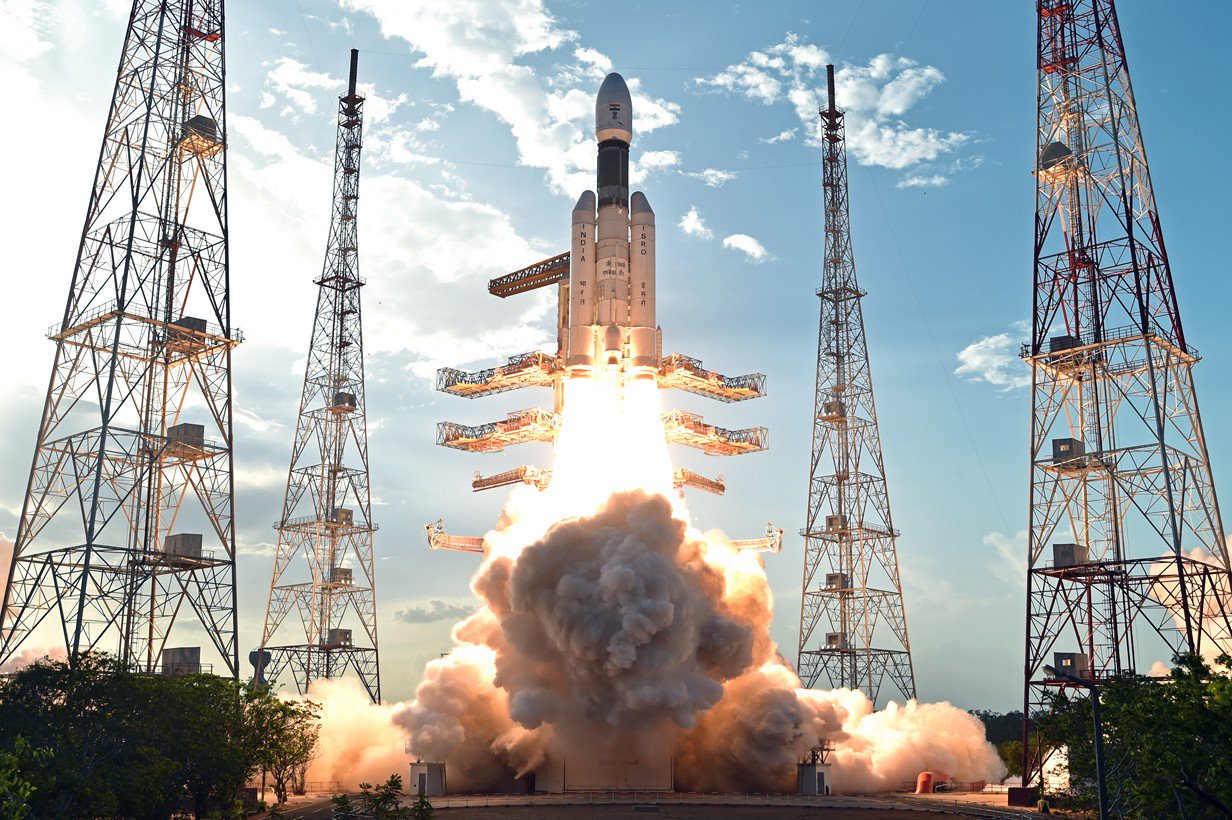
Today's brief covers significant growth forecasts for global defense satellite communications, the integration of hypersonic missiles, cyber authority expansion in the Army, and more pivotal military developments.


Launch Date
March 6, 1984
Launch Site
PLMSC
Launch Pad
LC16/2
Launch Vehicle
Molniya 8K78M
NORAD ID
14790
International Designator
1984-024A
Epoch
Fri, 03 Jul 2026 11:37:17 GMT
Apogee
Calculating...
Perigee
Calculating...
Inclination
71.71°
Right Ascension
147.78°
Eccentricity
Calculating...
Argument of Perigee
340.07°
Period
717.85 min
Mean Motion
2.01 rev/day
Latitude
Calculating...
Longitude
Calculating...
Altitude
Calculating...
Velocity
Calculating...
Name
COSMOS 1541
Alternative Name
Kosmos-1541
Type
Status
Owner
PVO
Country
USSR
Constellation
N/A
Related Satellites
Major Events
N/A
1 14790U 84024A 26184.48422493 .00000197 00000-0 00000-0 0 9993
2 14790 71.7057 147.7836 5106573 340.0736 231.5415 2.00599106282269
Source: Celestrak
Length
4
Diameter
2
Span
5
Dry Mass
1150
Launch Mass
1250
Shape
Cyl + 2 Pan
Radar Cross Section
7.4793
Visual Magnitude
Unknown
Color
Unknown
Material Composition
Unknown
Payload
Oko 73D6 No. 6020
Purpose
Early warning
Mission
Early warning
Manufacturer
NPOL/KOMET
Life Expectancy
Unknown
Bus
Oko
Configuration
Unknown
Motor
Unknown
Equipment
Unknown
Power System
2 deployable fixed solar arrays, batteries
ADCS
Unknown
Transmitter Frequency
Unknown
Learn more about satellites and other related topics.
Today's brief covers significant growth forecasts for global defense satellite communications, the integration of hypersonic missiles, cyber authority expansion in the Army, and more pivotal military developments.
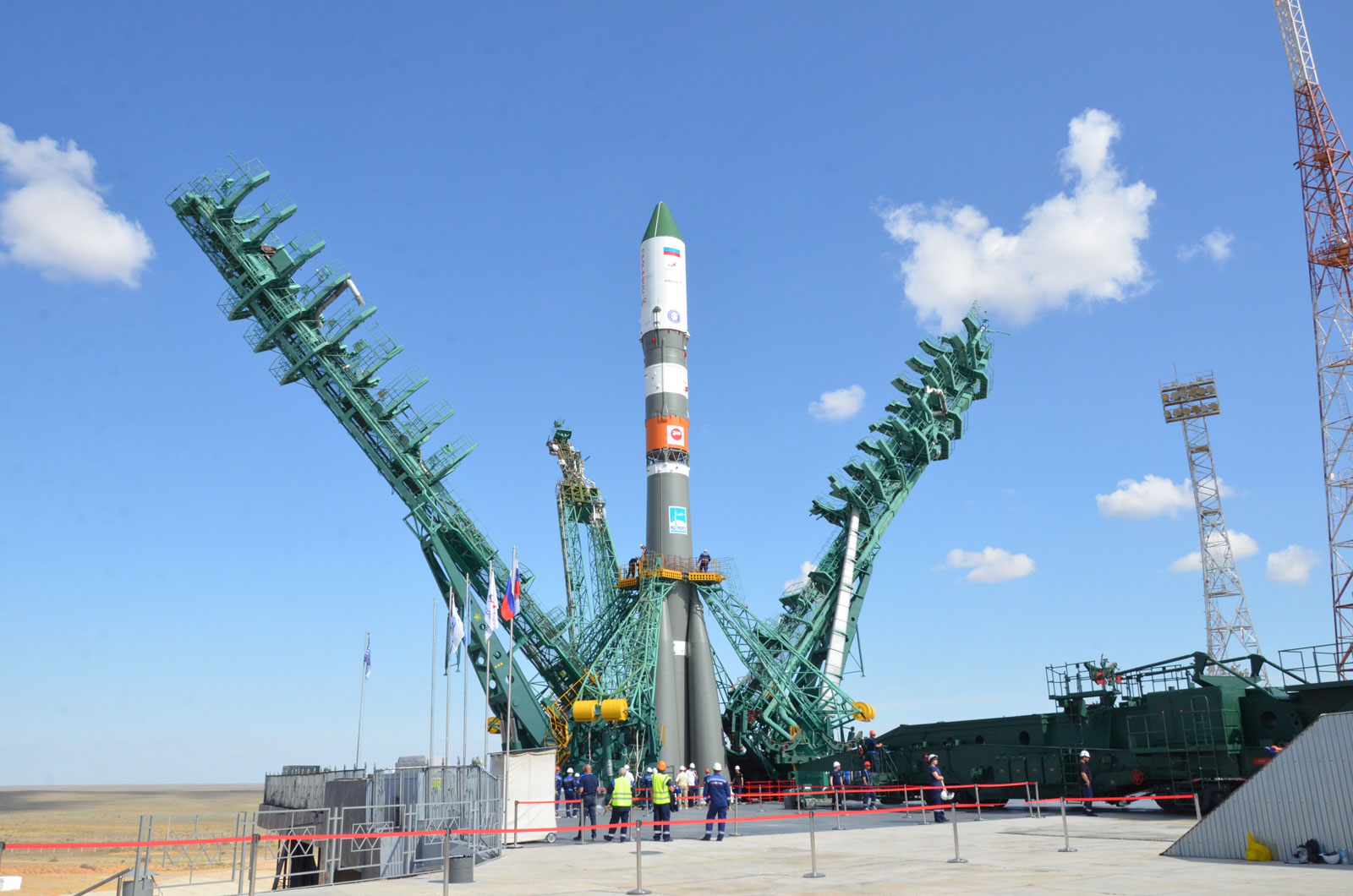
China's Tiangong space station completes crew rotation, Rocket Lab prepares for confidential launch, and Japan successfully launches military satellite with its H3 rocket.
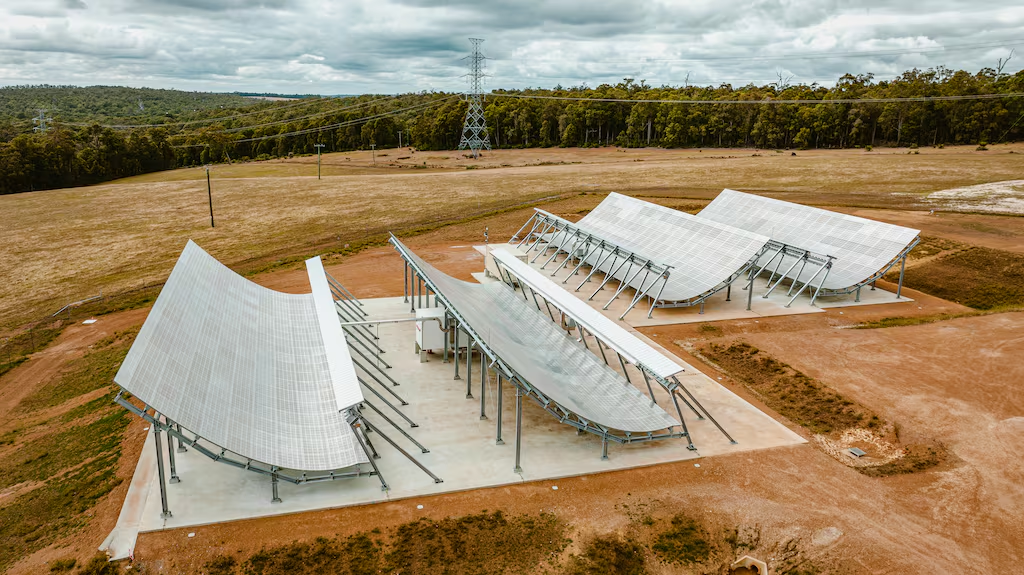
A startup built on Cold War-era radar science now tracks 25,000 objects in orbit - and the Pentagon can't get enough of it. But can its radars really compete with the Space Surveillance Network?

German defense giant Rheinmetall may bid for laser-comm firm Mynaric, challenging Rocket Lab's plans. SpaceX sets Falcon 9 reuse record. Juno reveals Europa ice sheet data.

SpaceX hits 77 Falcon 9 launches in 2026 as EchoStar subsidiaries file Chapter 11 and Musk disputes WSJ AI phone claims.
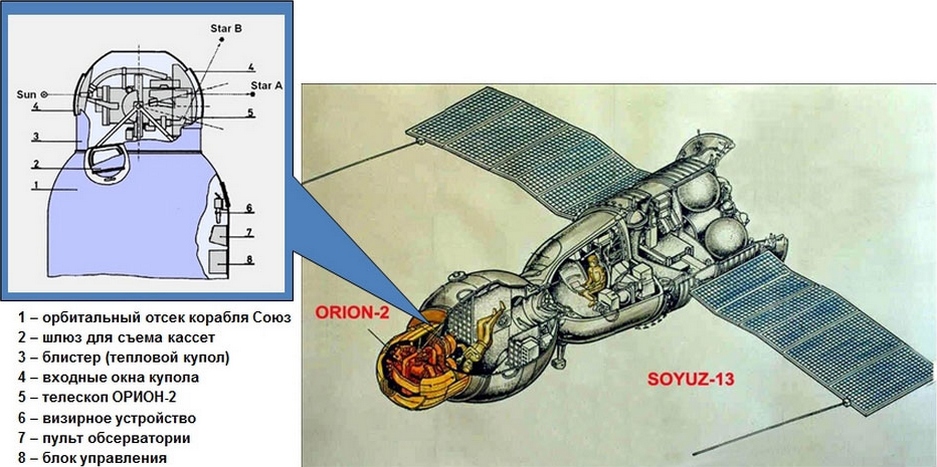
Exactly 52 years ago today, the Soviet Union launched Soyuz 13 - a scientific mission that marked the first time American astronauts and Soviet cosmonauts orbited Earth simultaneously. Armed with a revolutionary ultraviolet telescope, Pyotr Klimuk and Valentin Lebedev would discover elements never before seen in distant nebulae.
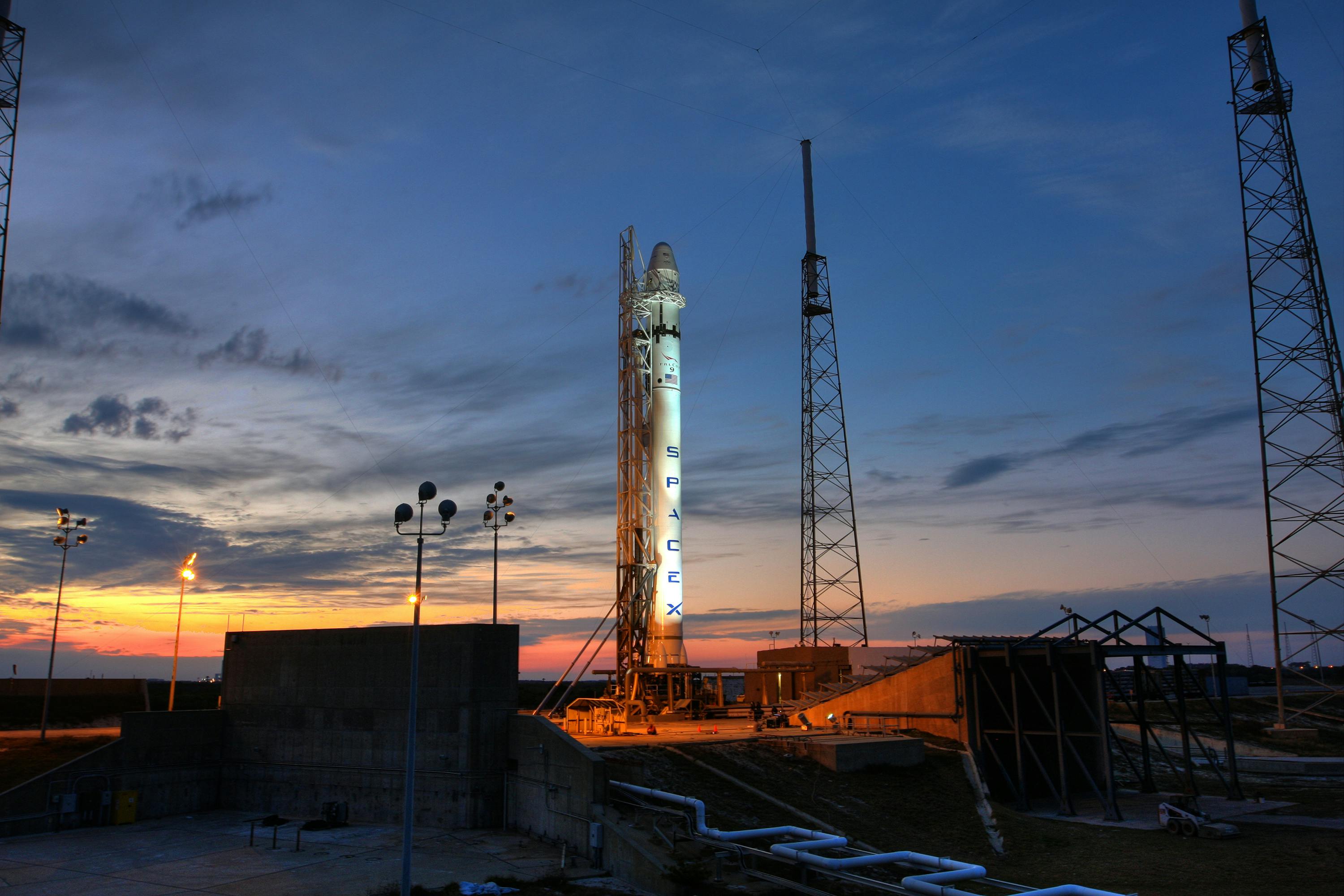
Starship Flight 8 ends with mixed results as SpaceX successfully catches Super Heavy booster but loses the upper stage in a fiery breakup.
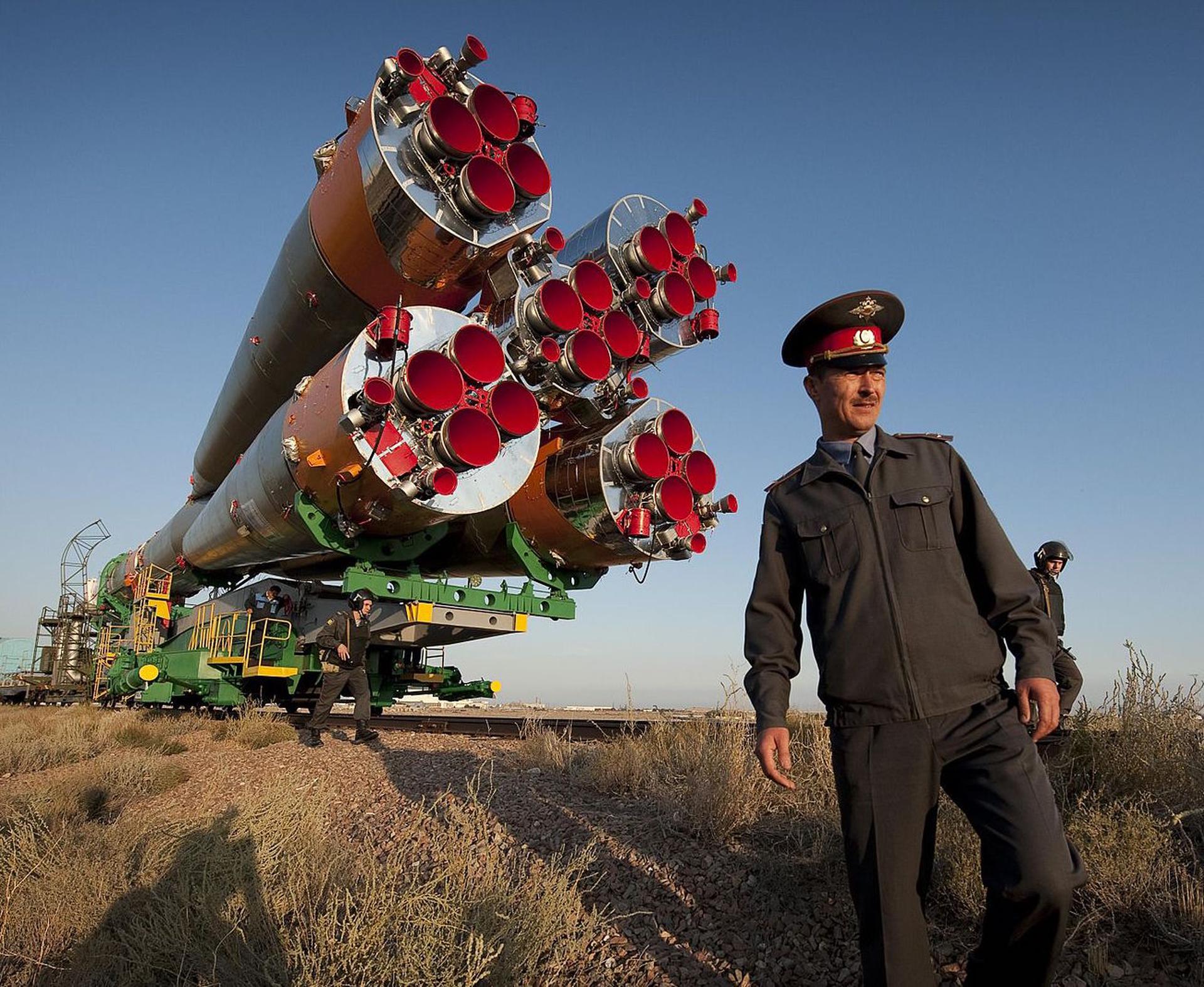
Today's Space Brief covers major upcoming launches from SpaceX, US military missile tests, and developments in Virgin Galactic's fleet expansion. Stay informed on key satellite events and launch updates.