WESTAR 6 DEB (14767)

COSPAR: 1984-011M | Alt Name: deb PAM-D
DECAYED

Image
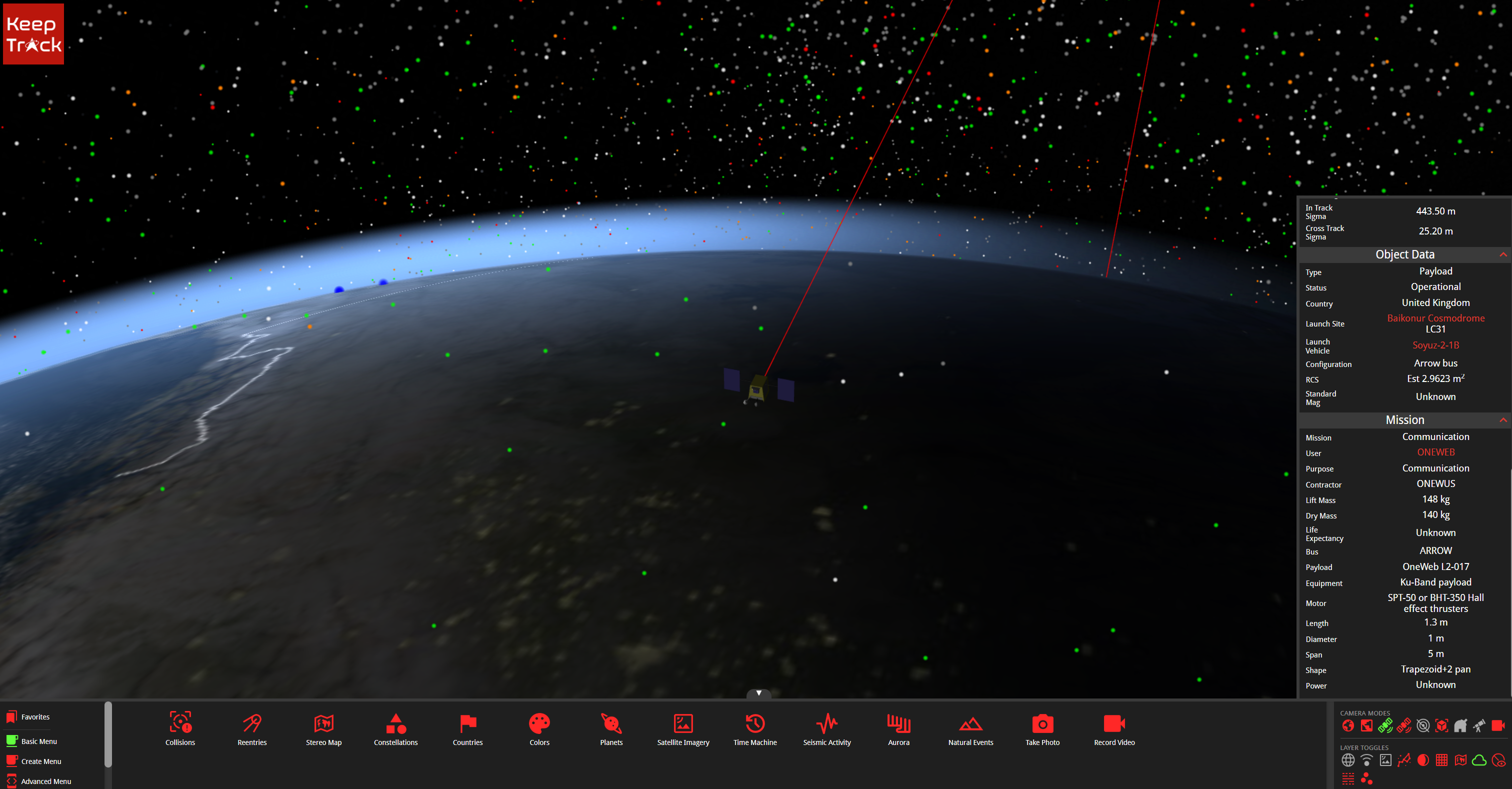
WESTAR 6 DEB Satellite Image
Additional Sources
Launch Details

Launch Date

February 3, 1984

Launch Pad

LC39A

Launch Vehicle

Space Shuttle

Orbital Elements

NORAD ID

14767

International Designator

1984-011M

Decay Date

2/28/1984

Basic Satellite Info

Name

WESTAR 6 DEB

Alternative Name

deb PAM-D

Type

Debris

Status

Space Junk

Owner

HSES

Country

United States

Constellation

N/A

Related Satellites

Major Events

N/A

Summary
Space debris, also known as space junk, encompasses all non-functional objects orbiting Earth such as defunct satellites, spent rocket stages, and fragments from collisions or disintegrations. Over time, this debris can accumulate and create an increasingly hazardous environment in orbit. Even tiny fragments, traveling at extremely high velocities, can inflict significant damage on operational satellites and spacecraft. If left unmanaged, the density of debris raises the risk of catastrophic collisions and further fragmentation, compounding the problem and threatening the safety and sustainability of space activities.
Physical Characteristics

Length

0

Diameter

0

Span

0

Dry Mass

0

Launch Mass

0

Shape

N/A

Radar Cross Section

Unknown

Visual Magnitude

Unknown

Color

Unknown

Material Composition

Unknown

Technical Details

Payload

Unknown

Purpose

Unknown

Mission

Unknown

Manufacturer

Unknown

Life Expectancy

Unknown

Bus

Unknown

Configuration

Unknown

Motor

Unknown

Equipment

Unknown

Power System

Unknown

ADCS

Unknown

Transmitter Frequency

Unknown

Satellite Articles

View All Posts »

Learn more about satellites and other related topics.

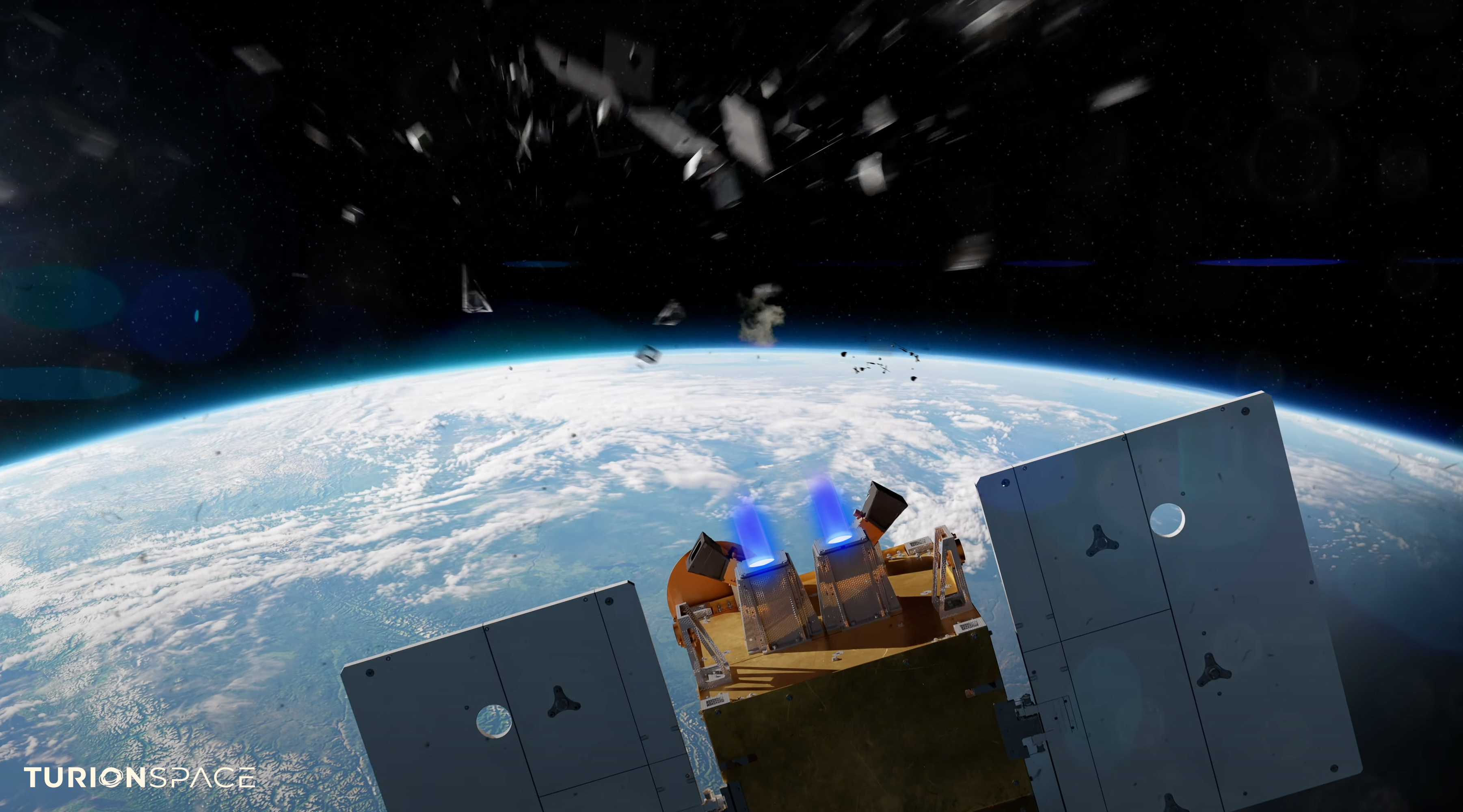
DROID.002 - Turion Space's Eyes on the Orbital Junkyard

DROID.002 - Turion Space's Eyes on the Orbital Junkyard

A 90-kilogram spacecraft with iodine thrusters and two Australian-built cameras is quietly building the case that tracking space debris is a business worth billions - and that a four-year-old startup from Irvine can own it.

108 Minutes That Changed Everything - and the 20-Year Echo That Followed

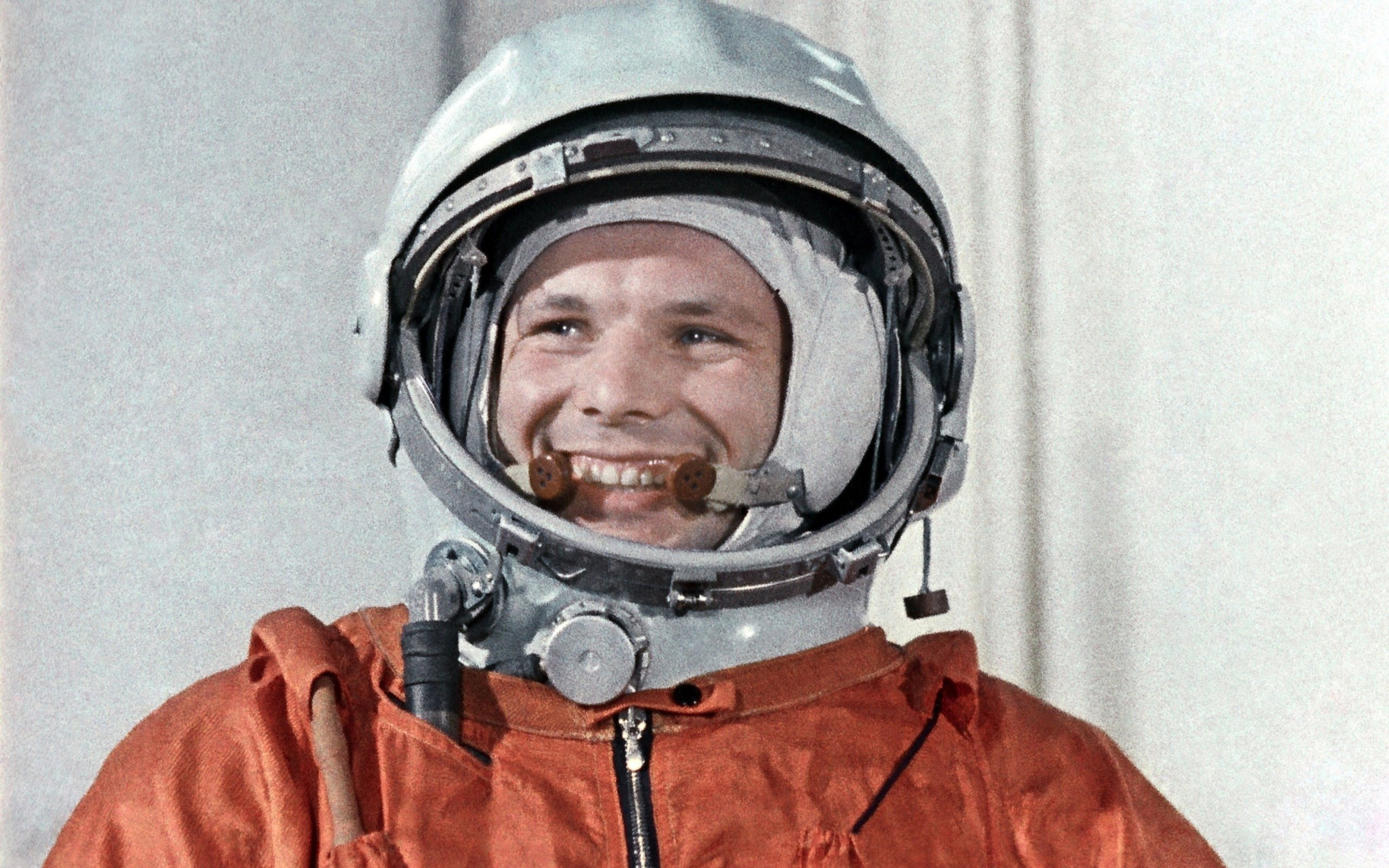
108 Minutes That Changed Everything - and the 20-Year Echo That Followed

On April 12, 1961, a 27-year-old Soviet pilot rode a modified ICBM into orbit and came back alive after 108 minutes. Exactly twenty years later, two Americans climbed aboard an untested spacecraft covered in 31,000 ceramic tiles and bet their lives that the math was right.

Space Brief 8 Dec 2025

Space Brief 8 Dec 2025

Today's edition covers SpaceX scrubbing and successfully launching Starlink satellites, AI innovations in spacecraft propulsion, and the impact of SPHERE's debris disk survey in discovering hidden asteroid belts.

Space Domain Awareness (SDA)

Space Domain Awareness (SDA)

The evolution from simply tracking objects in orbit to understanding the full strategic picture of who is doing what in space, and why

Space Brief 23 Mar 2025

Space Brief 23 Mar 2025

Discover today's fascinating space events, from exceptional aurora displays to potential exomoon formations, alongside intriguing satellite insights.

The Day America Reached Orbit

The Day America Reached Orbit

Sixty-three years ago, John Glenn became the first American to orbit Earth, piloting Friendship 7 through three historic orbits that transformed the Space Race

X Report 15 Apr 2025

X Report 15 Apr 2025

SpaceX sets a new rocket-reuse record and prepares for upcoming launches, maintaining the momentum in Starlink satellite deployments.

X Report 29 Jan 2025

X Report 29 Jan 2025

Key developments include political attention on SpaceX's ISS crew return and competition forecasts between SpaceX and ULA for national security missions.