


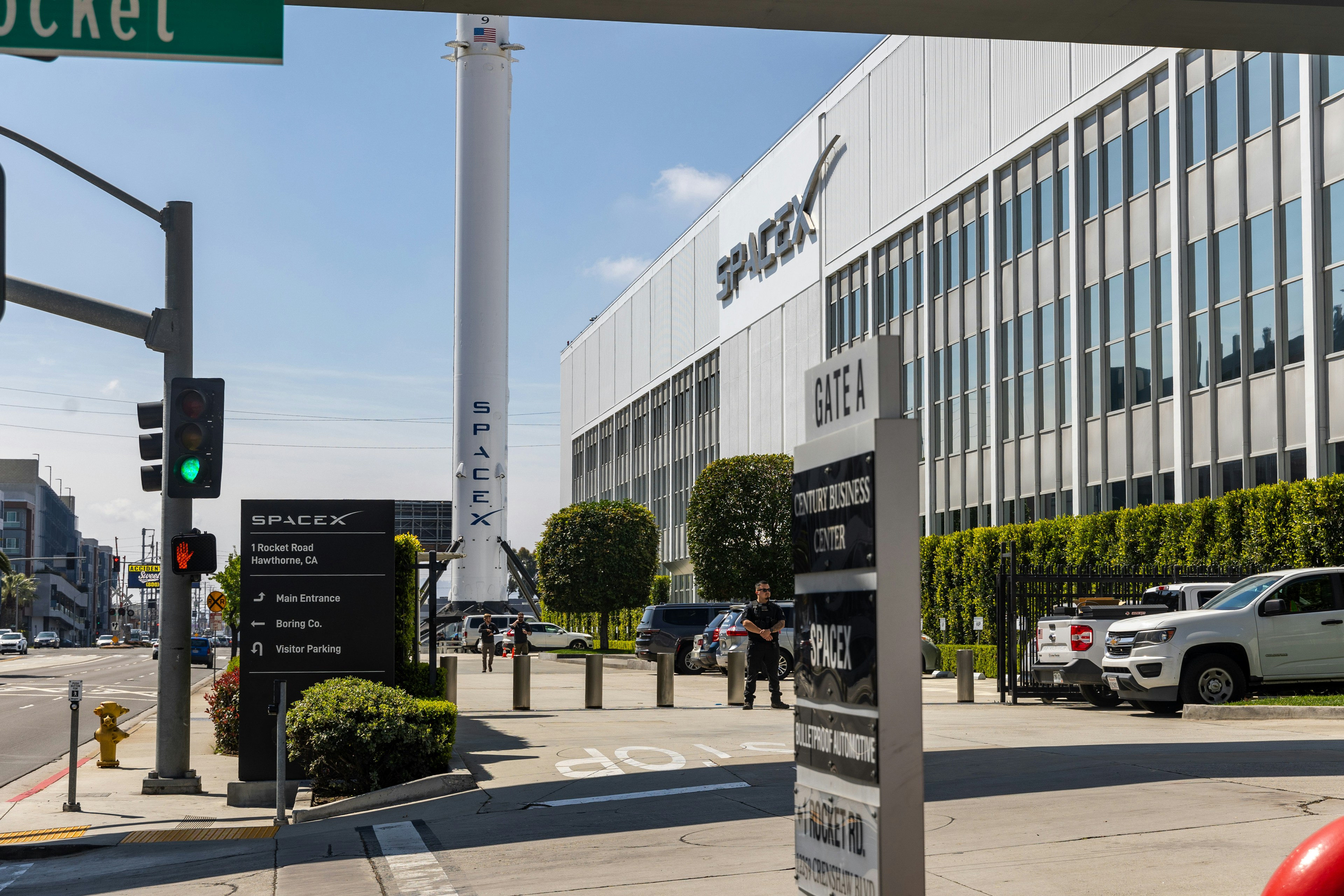
X Report 20 Nov 2025
SpaceX continues to make strides with its Starship program while successfully launching another batch of Starlink satellites into orbit, enhancing global internet coverage.


Launch Date
January 5, 1984
Launch Site
PLMSC
Launch Pad
LC132/2
Launch Vehicle
Kosmos 11K65M
NORAD ID
14615
International Designator
1984-001E
Epoch
Sat, 04 Jul 2026 06:17:35 GMT
Apogee
Calculating...
Perigee
Calculating...
Inclination
74.01°
Right Ascension
169.74°
Eccentricity
Calculating...
Argument of Perigee
78.75°
Period
114.92 min
Mean Motion
12.53 rev/day
Latitude
Calculating...
Longitude
Calculating...
Altitude
Calculating...
Velocity
Calculating...
Name
COSMOS 1526
Alternative Name
Kosmos-1526
Type
Status
Owner
GUKOS
Country
USSR
Constellation
N/A
Related Satellites
Major Events
N/A
1 14615U 84001E 26185.26222005 -.00000017 00000-0 -49687-5 0 9990
2 14615 74.0059 169.7380 0011399 78.7450 293.0205 12.53056192943722
Source: Celestrak
Length
0.8
Diameter
0.8
Span
0.8
Dry Mass
60
Launch Mass
60
Shape
Poly
Radar Cross Section
0.6819
Visual Magnitude
Unknown
Color
Unknown
Material Composition
Unknown
Payload
Strela-1M Blok 35 No. 5
Purpose
Military Communication
Mission
Military Communication
Manufacturer
NPOPM
Life Expectancy
6 months
Bus
Strela-1 11F625
Configuration
Unknown
Motor
Unknown
Equipment
Unknown
Power System
Solar cells, batteries
ADCS
Unknown
Transmitter Frequency
Unknown
Learn more about satellites and other related topics.
SpaceX continues to make strides with its Starship program while successfully launching another batch of Starlink satellites into orbit, enhancing global internet coverage.

Today's Space Brief highlights Globalstar's new military focus, technological innovations in the Army's tactical systems, and a deeper look at key military satellite communications developments.
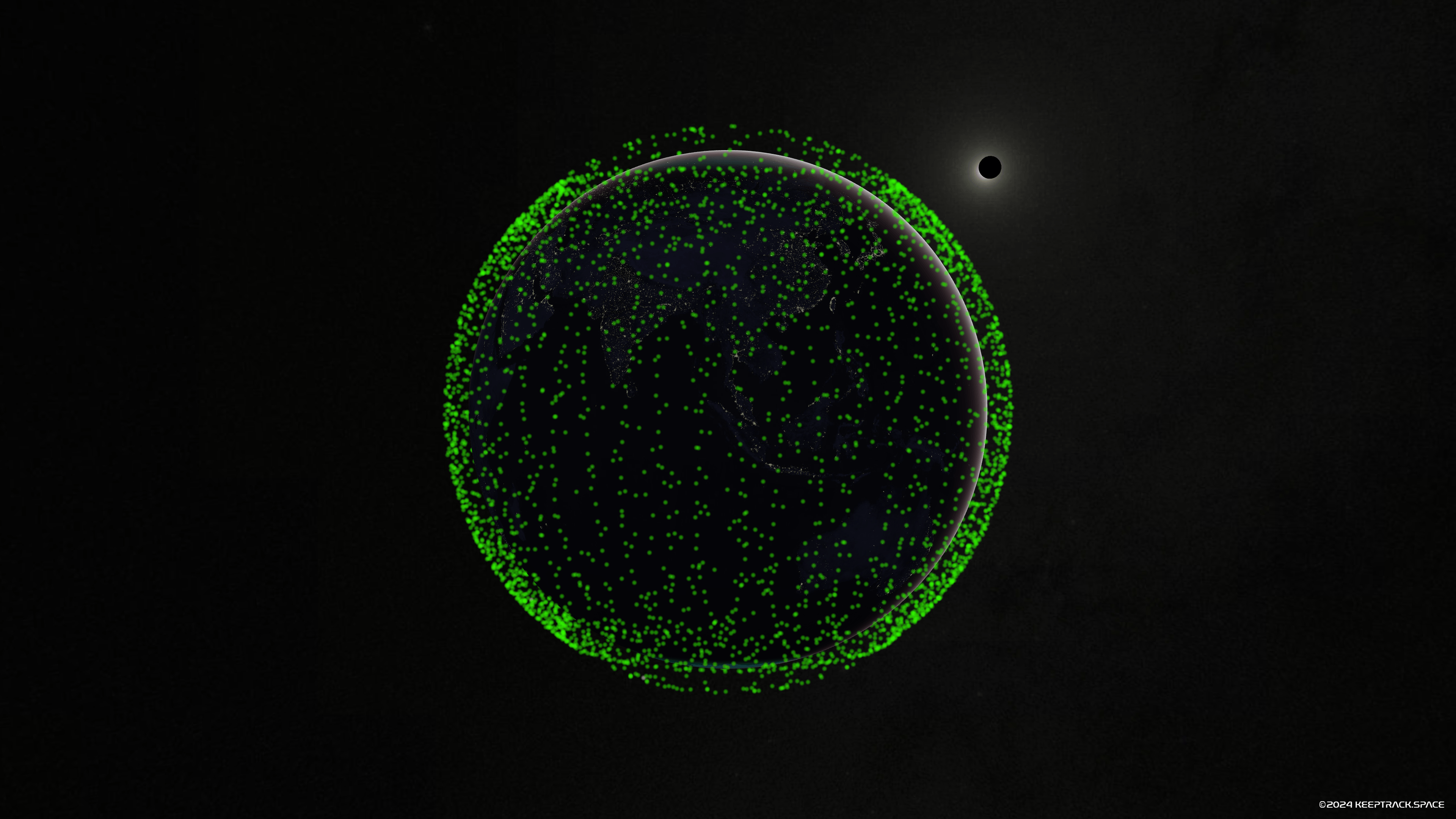
SpaceX's Starlink constellation has grown at an astonishing rate, now accounting for over 20% of all trackable objects in orbit. With plans for tens of thousands more, Starlink is on the cusp of forever changing the landscape of Earth's near-space environment.
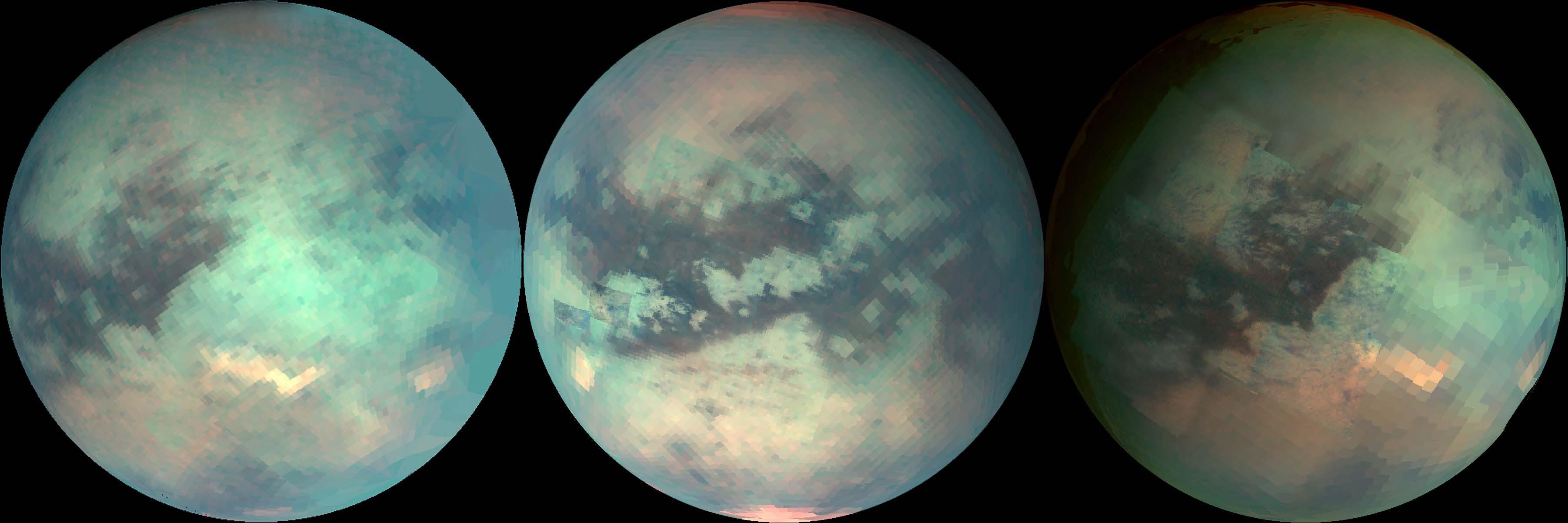
Cassini's Titan T-115 encounter marked the moment the spacecraft stopped looking down and started looking sideways, trading one type of science for another as it entered the final chapter of an iconic mission.
Keck Foundation team proposes first-ever graviton detector concept. Space Force shelves Resilient GPS program. China advances Long March 12B reusable rocket with static fire test at Jiuquan.
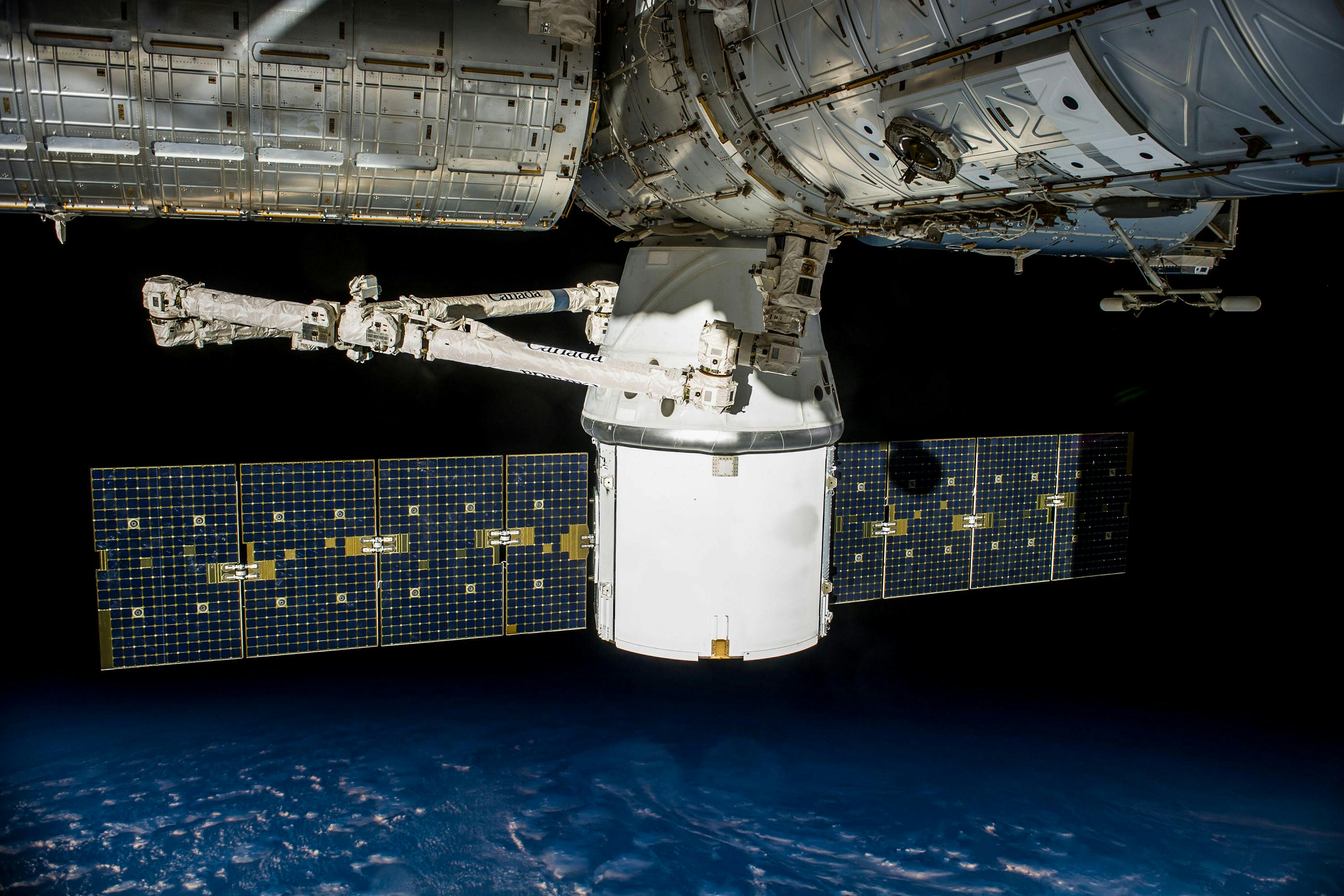
SpaceX prepares for Bandwagon-2 rideshare mission launch, while FAA updates license for Starship's next flight; Crew Dragon mission faces delays.
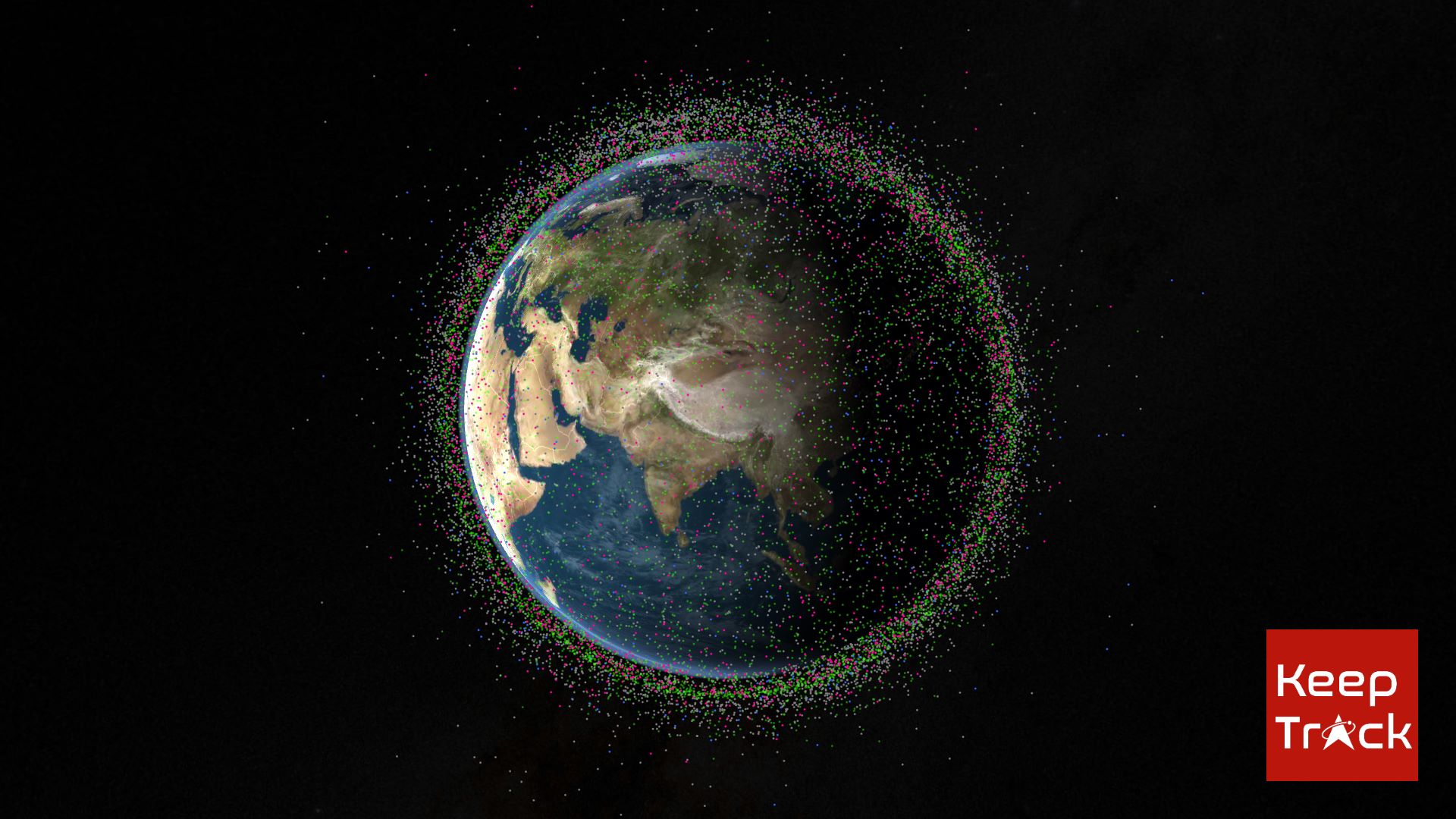
The bustling downtown of space: where most satellites operate, communication networks bloom, and the challenges of atmospheric drag and radiation shape our approach to space operations
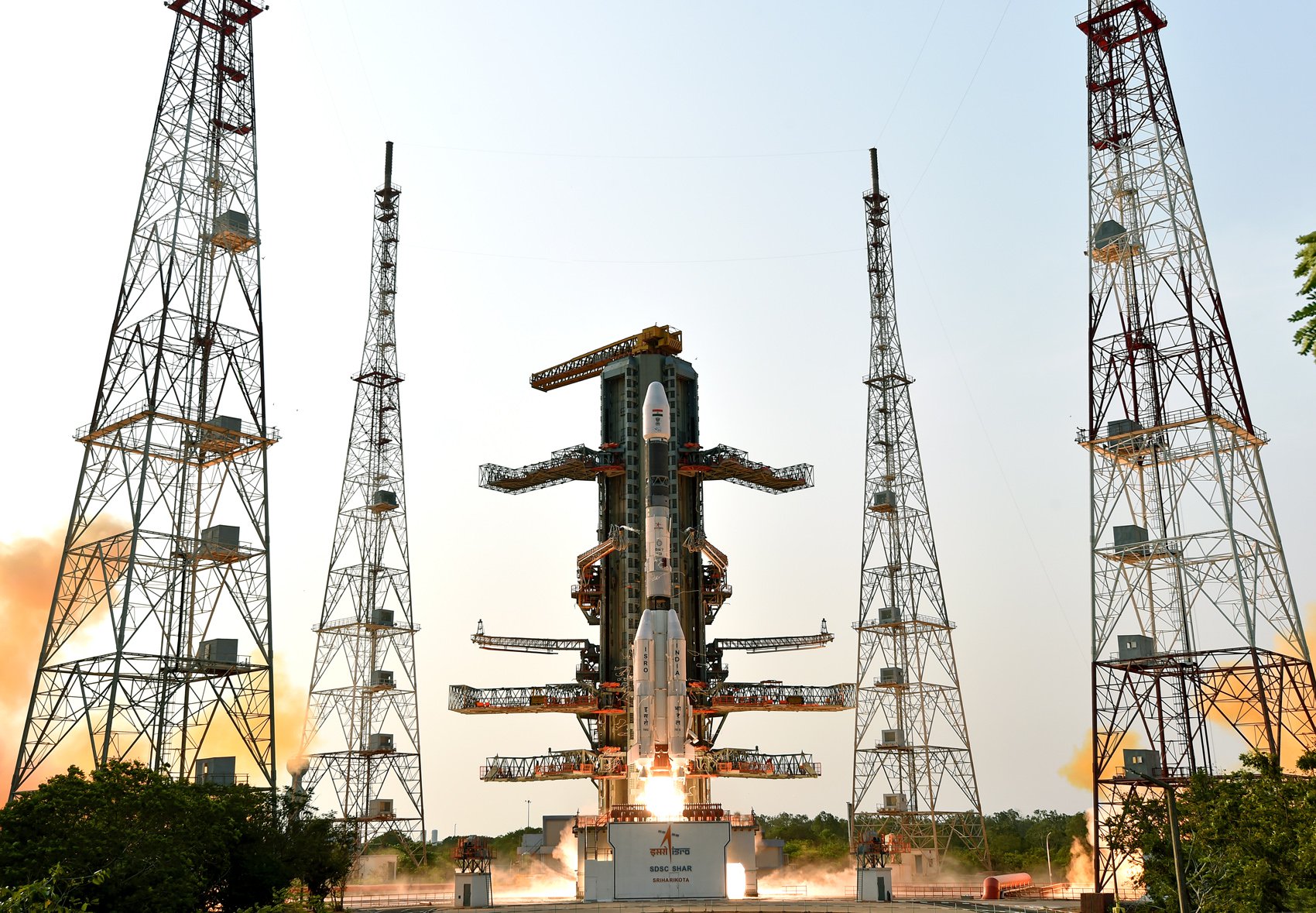
Today's brief covers new military space funding, intriguing scientific discoveries, and defense contracts impacting global military strategies.