


Space Brief 14 Dec 2024
Today’s Space Brief covers significant developments such as SpaceX’s latest Starlink launch, the US Space Force testing modular satellite technology, and key long-range missile tests by the Pentagon.



Launch Date
October 21, 1983
Launch Site
PLMSC
Launch Pad
LC16/2
Launch Vehicle
Soyuz-U
NORAD ID
14560
International Designator
1983-107E
Decay Date
1/31/1984
Name
COSMOS 1505 DEB
Alternative Name
KDU part
Type
Status
Owner
GUKOS
Country
USSR
Constellation
N/A
Related Satellites
Major Events
N/A
Length
0
Diameter
0
Span
0
Dry Mass
0
Launch Mass
0
Shape
N/A
Radar Cross Section
0.0854
Visual Magnitude
Unknown
Color
Unknown
Material Composition
Unknown
Payload
KDU part
Purpose
Unknown
Mission
Unknown
Manufacturer
TSSKB
Life Expectancy
Unknown
Bus
Zenit deb
Configuration
Unknown
Motor
Unknown
Equipment
Unknown
Power System
Unknown
ADCS
Unknown
Transmitter Frequency
Unknown
Learn more about satellites and other related topics.
Today’s Space Brief covers significant developments such as SpaceX’s latest Starlink launch, the US Space Force testing modular satellite technology, and key long-range missile tests by the Pentagon.
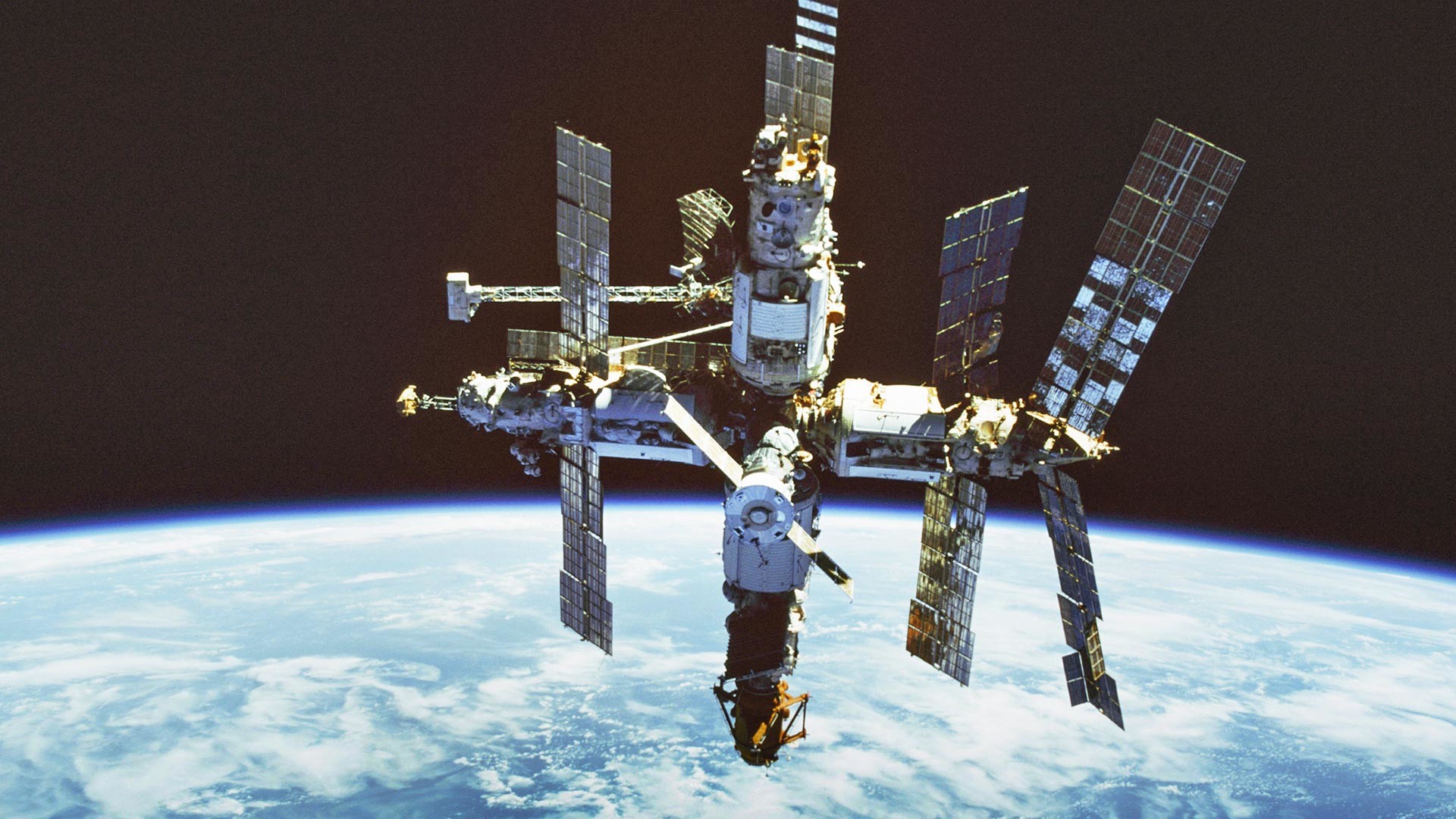
Forty years ago today, the USSR launched a 20-ton aluminum cylinder into low Earth orbit and called it 'Peace.' Over the next 15 years, Mir would host 104 people from 12 countries, survive a fire and a collision, and quietly teach humanity how to live in space.
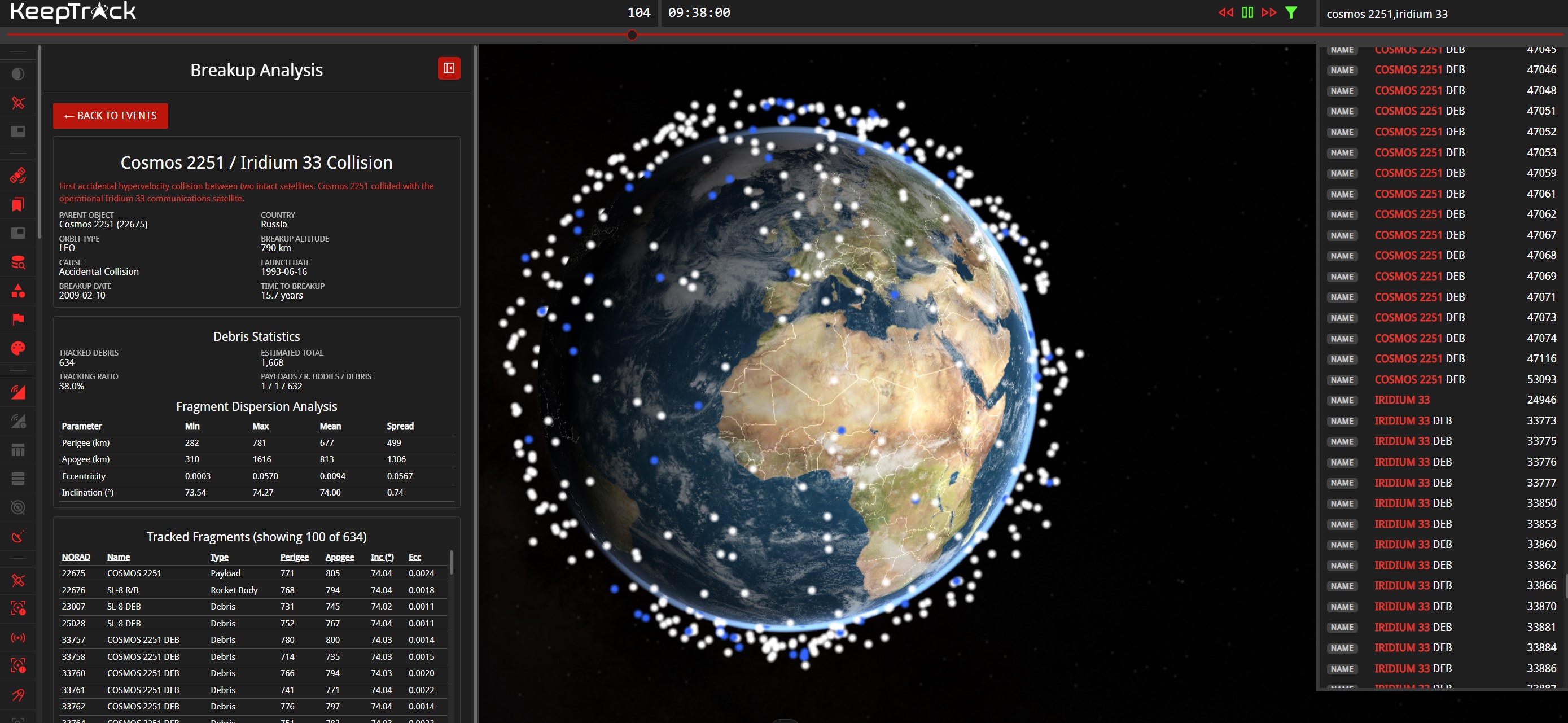
On February 10, 2009, an active Iridium communications satellite and a derelict Soviet military spacecraft slammed into each other 789 kilometers above Siberia. The collision produced more than 2,300 pieces of trackable debris that are still up there. Seventeen years later, the Iridium-Cosmos collision remains the event that made space debris a policy problem the world could no longer ignore.

Today's highlights include SpaceX's rapid Starlink launches, insights into China's Mars sample return mission, and ULA's future launch plans. Also, a new Space Force general takes the reins of the U.S. missile defense program.
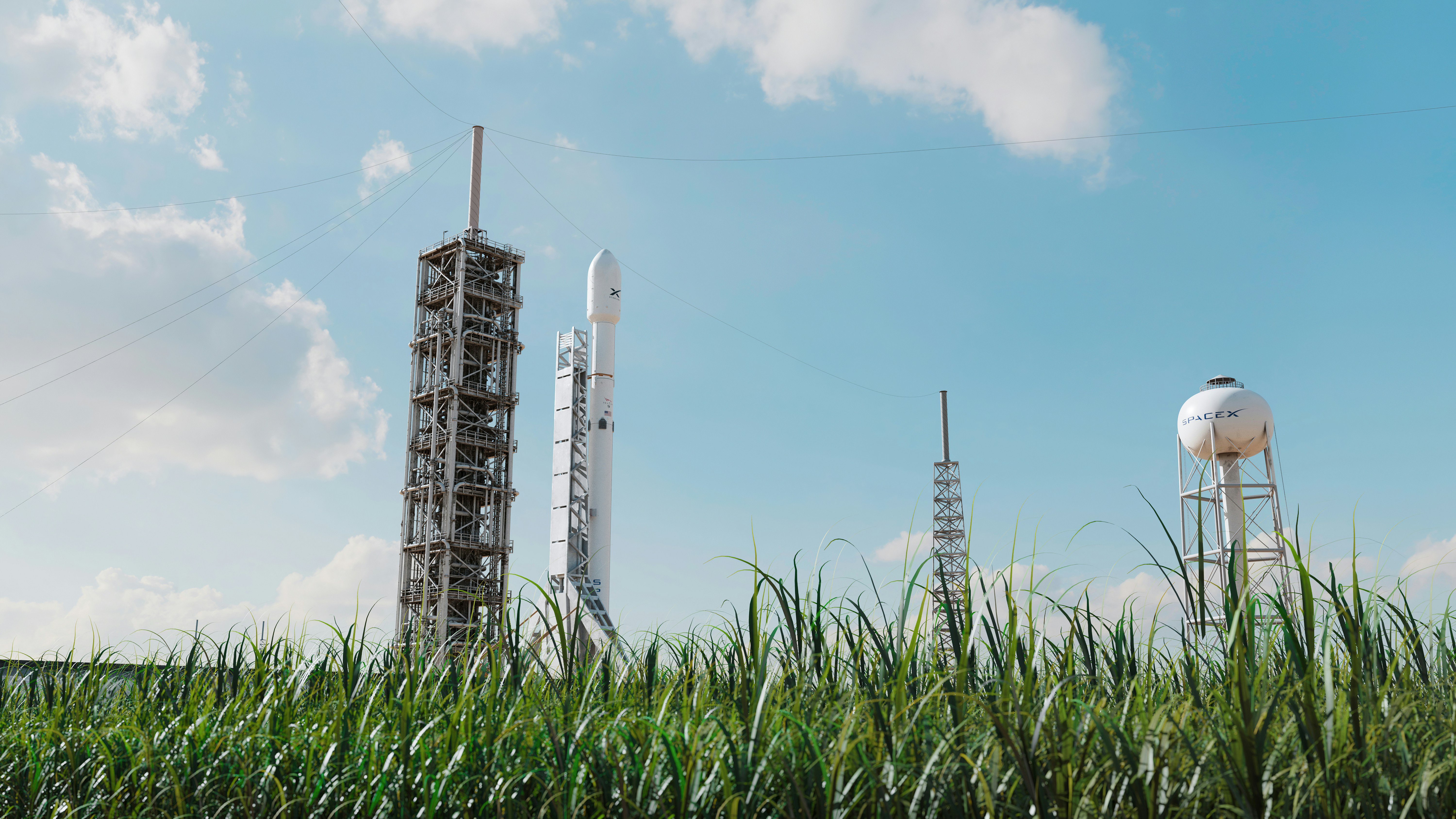
SpaceX successfully launched 27 Starlink satellites while facing new competition for its satellite programs, including potential alternatives for the Space Force.
Today's brief covers potential roles for commercial satellites in missile defense, SpaceX's new launch site plans at Vandenberg, and partnerships for space nuclear propulsion. Discover updates on military space projects and international defense agreements.
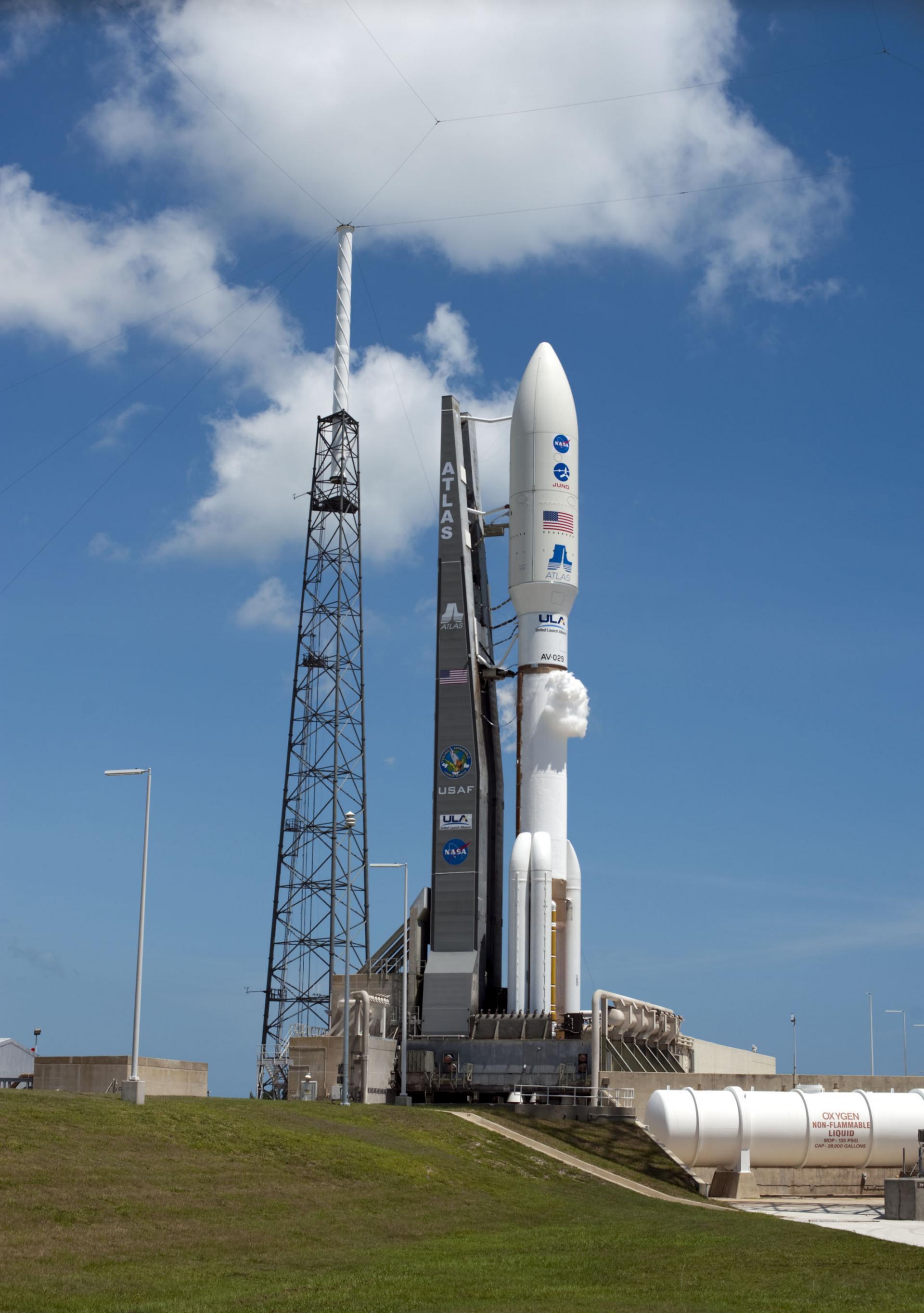
Today's brief covers the redeployment of decommissioned missile technologies to orbital duties, Germany's plans for a sovereign communications network, and fresh developments in hypersonic testing through Rocket Lab.
Today's space brief covers SpaceX's latest Starlink missions, Satellogic's contract with Brazilian Air Force, OCX, and ATLAS project updates, and DARPA's insights on cybersecurity vulnerabilities.