


SpaceX Valued at $1.25T as IPO Signals Intensify | KeepTrack X Report
SpaceX hits a $1.25 trillion valuation as IPO speculation mounts, Starlink 17-17 lifts off from Vandenberg, and a quantum sensor rides to orbit.


Launch Date
December 15, 1983
Launch Site
PLMSC
Launch Pad
LC32/2
Launch Vehicle
Tsiklon-3
NORAD ID
14552
International Designator
1983-122B
Epoch
Sat, 04 Jul 2026 01:04:12 GMT
Apogee
Calculating...
Perigee
Calculating...
Inclination
82.52°
Right Ascension
220.27°
Eccentricity
Calculating...
Argument of Perigee
57.48°
Period
96.91 min
Mean Motion
14.86 rev/day
Latitude
Calculating...
Longitude
Calculating...
Altitude
Calculating...
Velocity
Calculating...
Name
SL-14 R/B
Alternative Name
Tsiklon-3 14-708 Stage 3
Type
Status
Owner
GUKOS
Country
USSR
Constellation
N/A
Related Satellites
Major Events
N/A
1 14552U 83122B 26185.04459062 .00000427 00000-0 45972-4 0 9999
2 14552 82.5217 220.2715 0017800 57.4774 302.8159 14.85951924278118
Source: Celestrak
Length
2.8
Diameter
2.2
Span
2.8
Dry Mass
1600
Launch Mass
1600
Shape
Cyl
Radar Cross Section
4.238
Visual Magnitude
Unknown
Color
Unknown
Material Composition
Unknown
Payload
S5M
Purpose
Unknown
Mission
Unknown
Manufacturer
YUZH
Life Expectancy
Unknown
Bus
S5M
Configuration
Unknown
Motor
Unknown
Equipment
Unknown
Power System
Unknown
ADCS
Unknown
Transmitter Frequency
Unknown
Learn more about satellites and other related topics.
SpaceX hits a $1.25 trillion valuation as IPO speculation mounts, Starlink 17-17 lifts off from Vandenberg, and a quantum sensor rides to orbit.
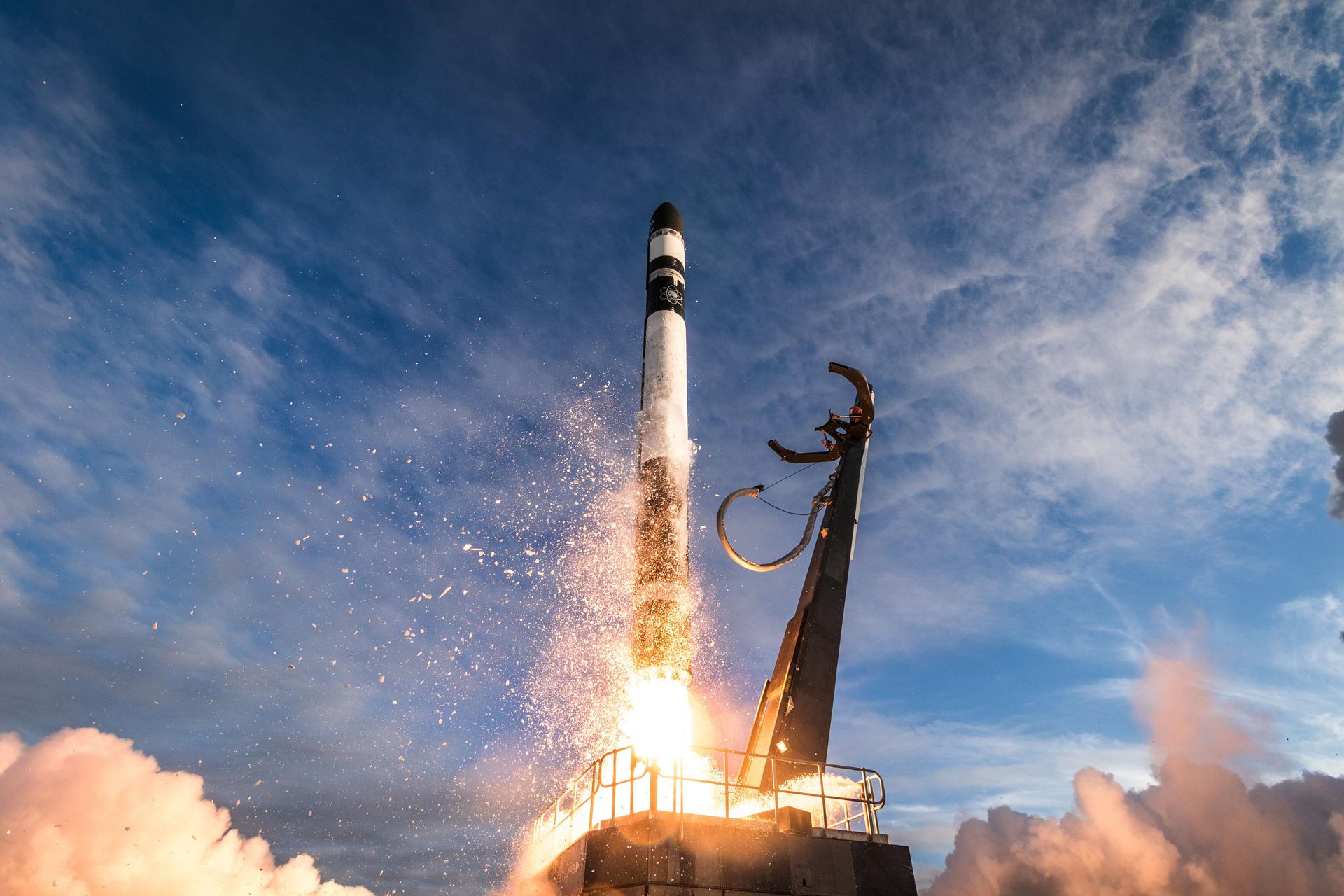
Explore today's key space events including a SpaceX Starlink launch, Neuraspace's new telescope for space traffic monitoring, and Globalstar's defense-focused satellite service debut.
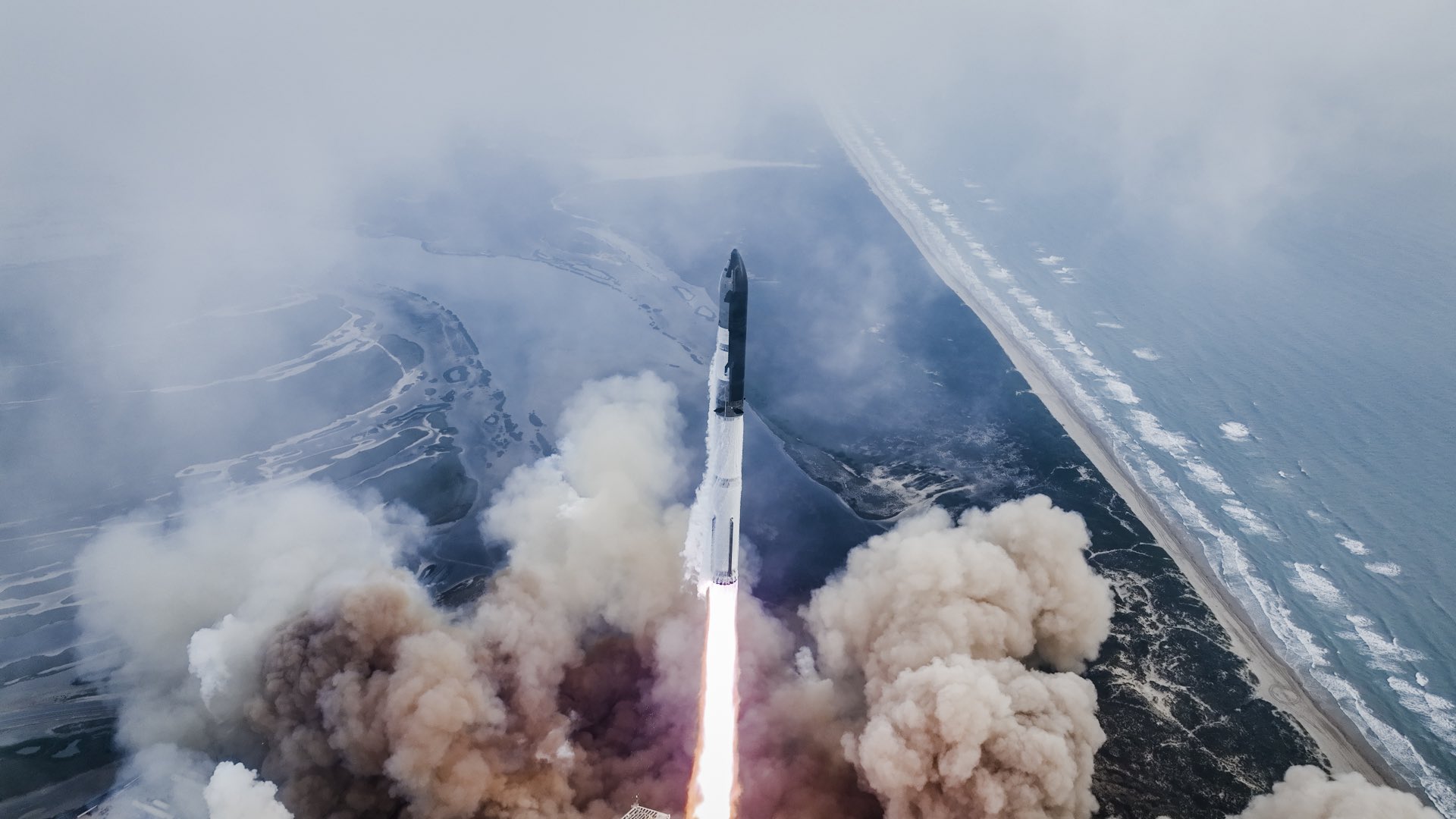
Today's edition covers China's latest launches in their classified satellite programs, ongoing discussions in the U.S. Senate on missile defense, and the ever-escalating space debris crisis threatening national security.
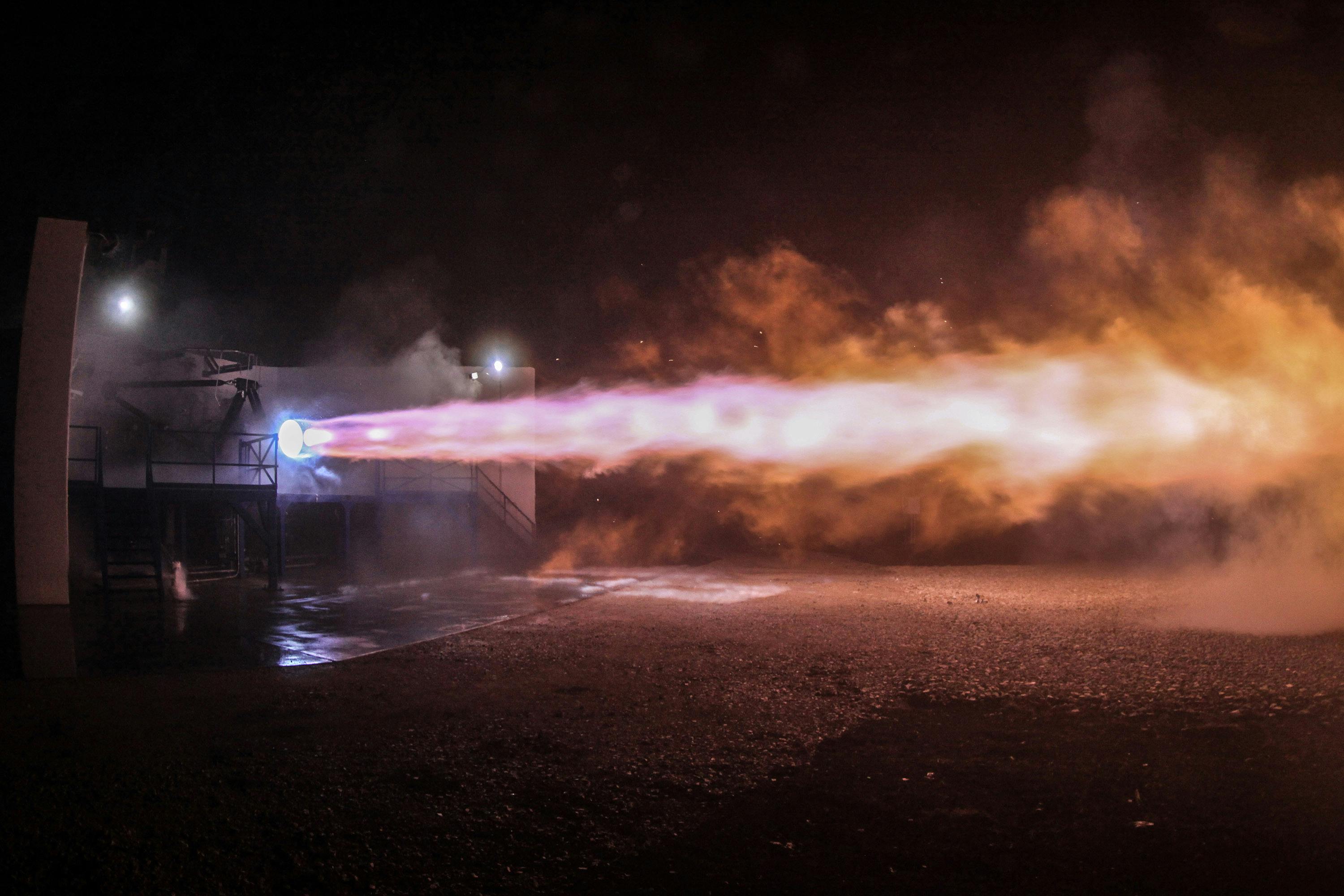
SpaceX's Crew-10 astronauts are set to return to Earth after a five-month mission, while the company prepares for the launch of 24 new Starlink satellites from Vandenberg Space Force Base.

SpaceX explores new horizons with Starship's point-to-point travel announcement and reports significant Starlink deployment progress.
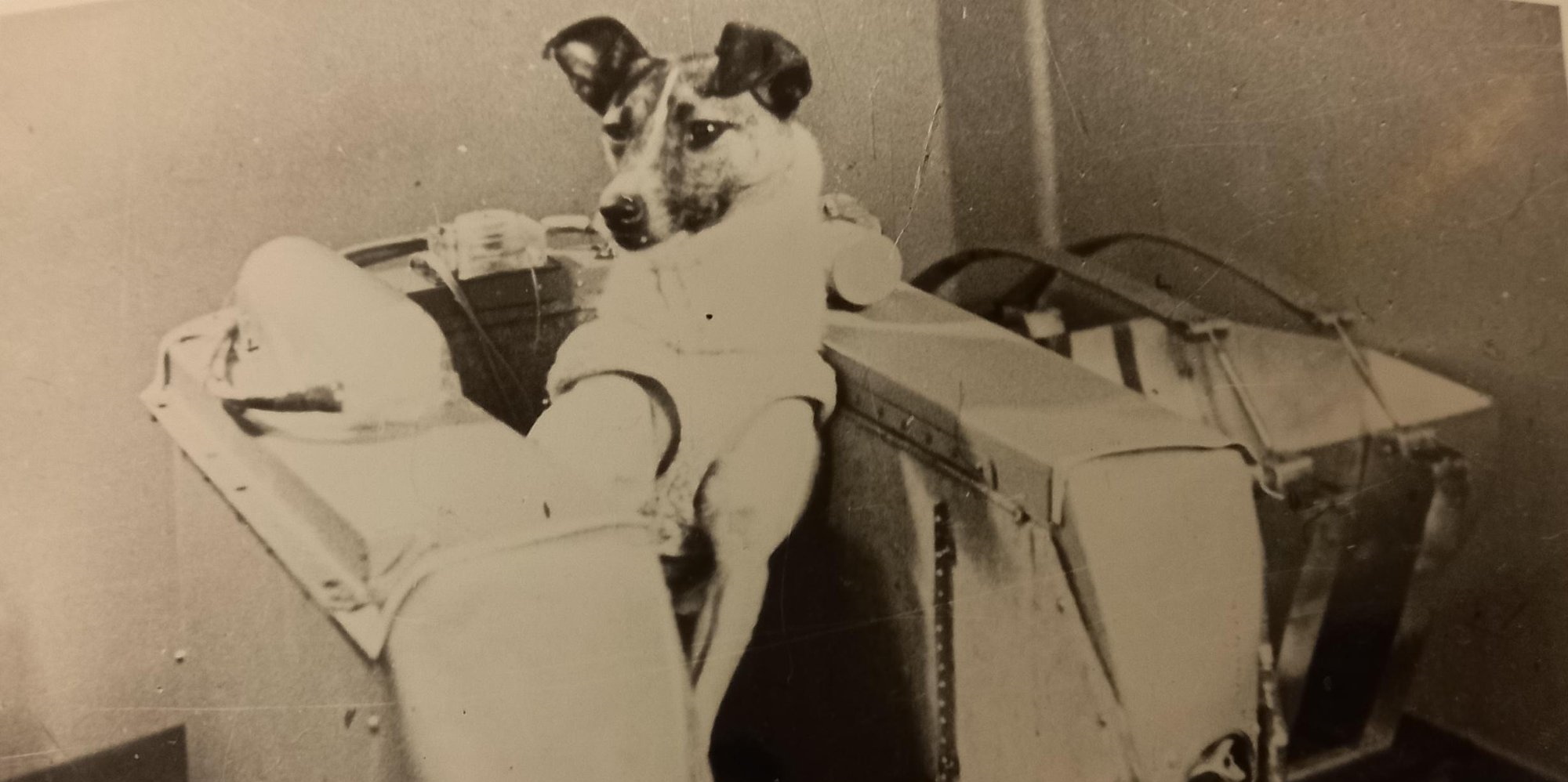
On April 14, 1958, Sputnik 2 burned up over the North Atlantic, carrying the remains of a stray dog from Moscow who had been dead for five months. The Soviet Union told the world she survived for days. It took forty-five years for the truth to come out.
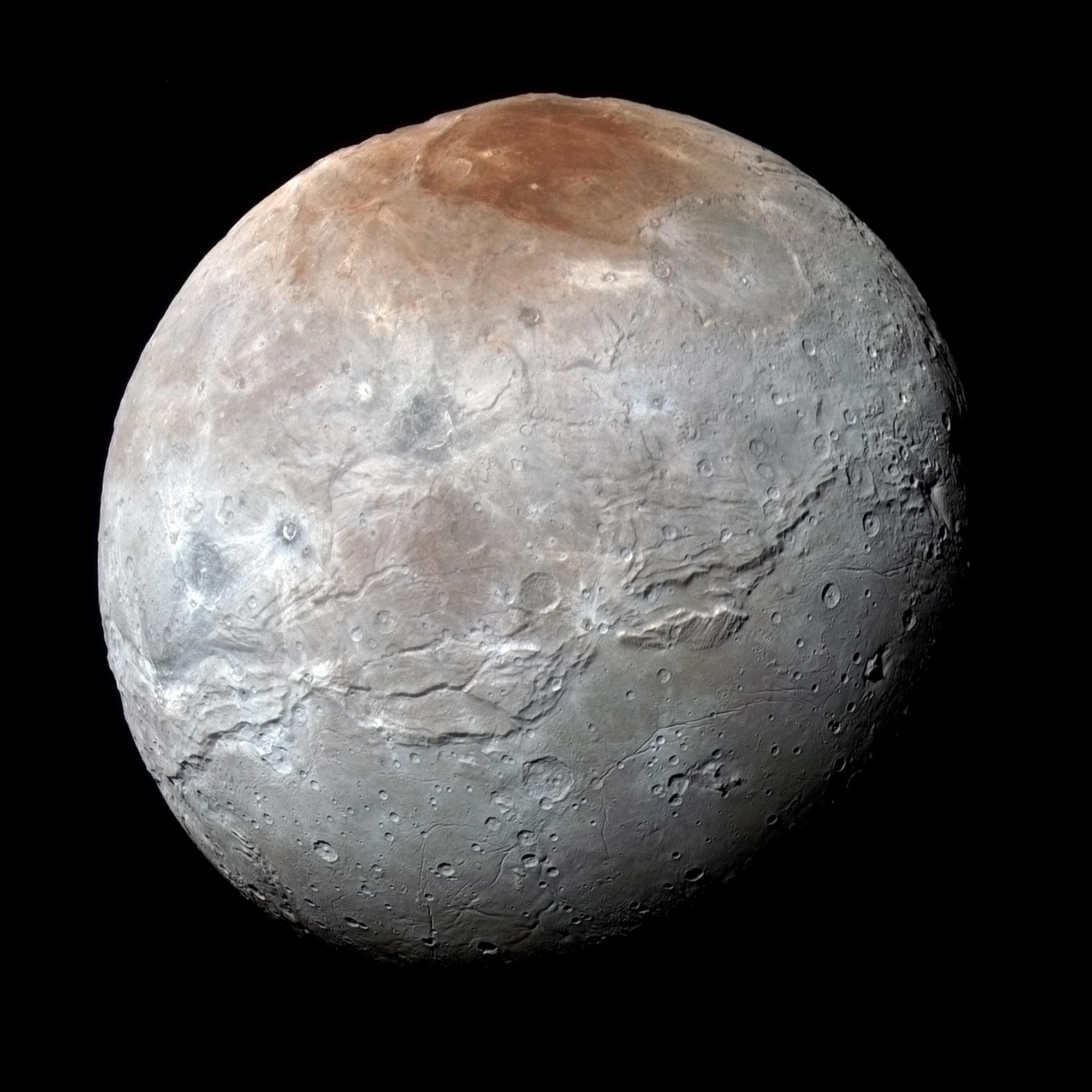
On 22 June 1978, an astronomer at the U.S. Naval Observatory looked at photographic plates that had been stamped 'image defective' and noticed a small bump on the side of Pluto. The bump was a moon, and finding it finally let astronomers weigh a planet that had fooled them for half a century.

SpaceX has adapted Pad 1 for Ship Static Fire tests while addressing the recent downtime at Massey’s, showcasing its commitment to maintaining launch schedules despite setbacks.