


Space Brief 19 Mar 2025
Today's brief explores a simulated 'dogfight' in space by Chinese satellites, insights into a cloud platform by Oracle and Singapore's defense agency, and more space-related developments.


Launch Date
December 7, 1983
Launch Site
PLMSC
Launch Pad
LC41/1
Launch Vehicle
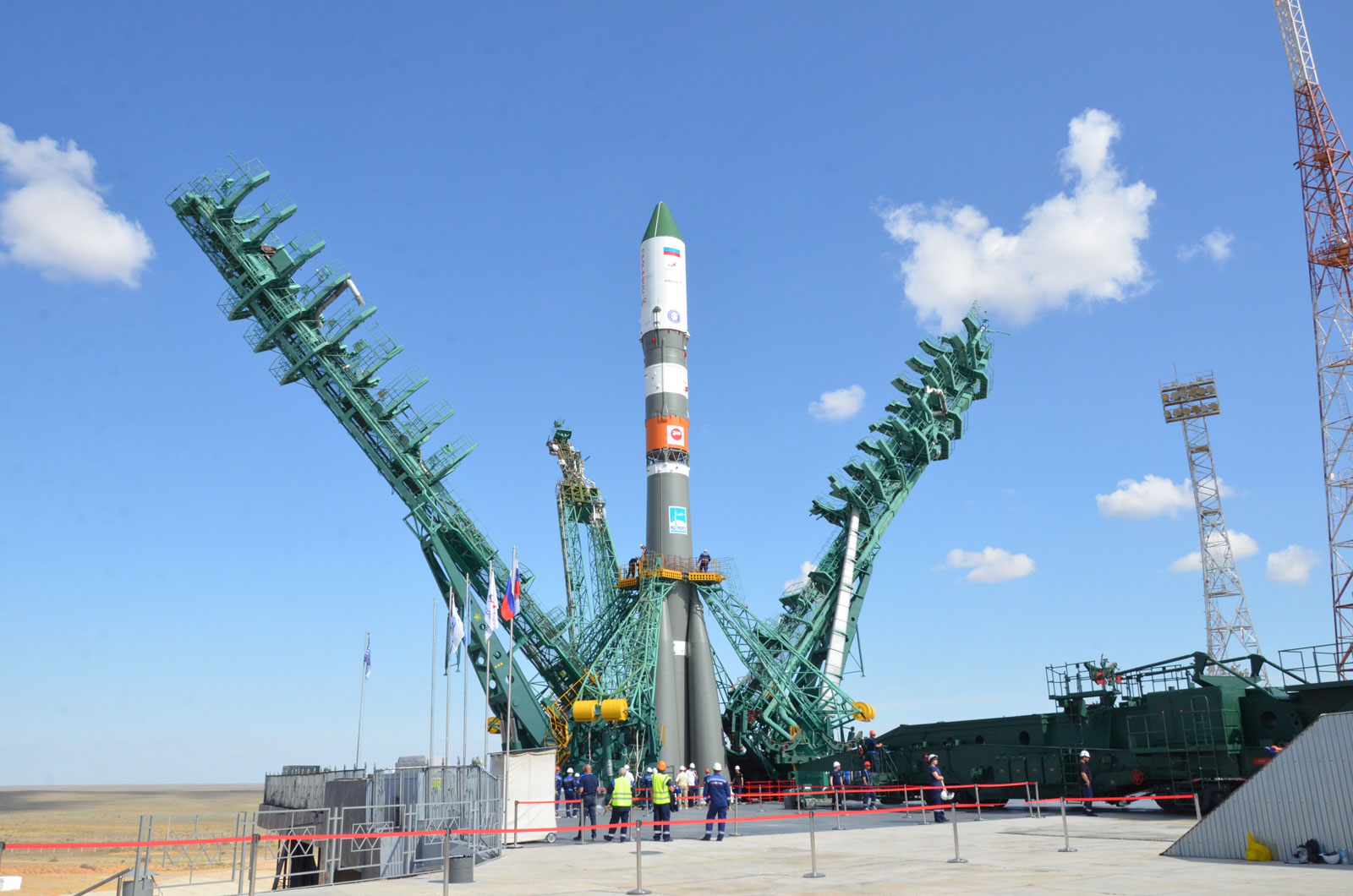
Soyuz-U
NORAD ID
14542
International Designator
1983-119A
Decay Date
12/21/1983
Name
COSMOS 1512
Alternative Name
Kosmos-1512
Type
Status
Owner
GUKOS
Country
USSR
Constellation
N/A
Related Satellites
Major Events
N/A
Length
6
Diameter
2.2
Span
6
Dry Mass
2655
Launch Mass
2655
Shape
Sphere + DCone
Radar Cross Section
Unknown
Visual Magnitude
Unknown
Color
Unknown
Material Composition
Unknown
Payload
Argon No. 91L
Purpose
Reconnaissance, photo (film return type)
Mission
Reconnaissance, photo (film return type)
Manufacturer
TSSKB
Life Expectancy
14 days
Bus
Zenit-6
Configuration
Zenit bus
Motor
11D82M; S5.120 (maneuver module)
Equipment
Unknown
Power System
Batteries
ADCS
Unknown
Transmitter Frequency
Unknown
Learn more about satellites and other related topics.
Today's brief explores a simulated 'dogfight' in space by Chinese satellites, insights into a cloud platform by Oracle and Singapore's defense agency, and more space-related developments.

ULA Vulcan Centaur launches USSF-87 with two GSSAP surveillance satellites to near-GEO orbit. NRO expands commercial imaging. Integrate raises $17M for classified platform.
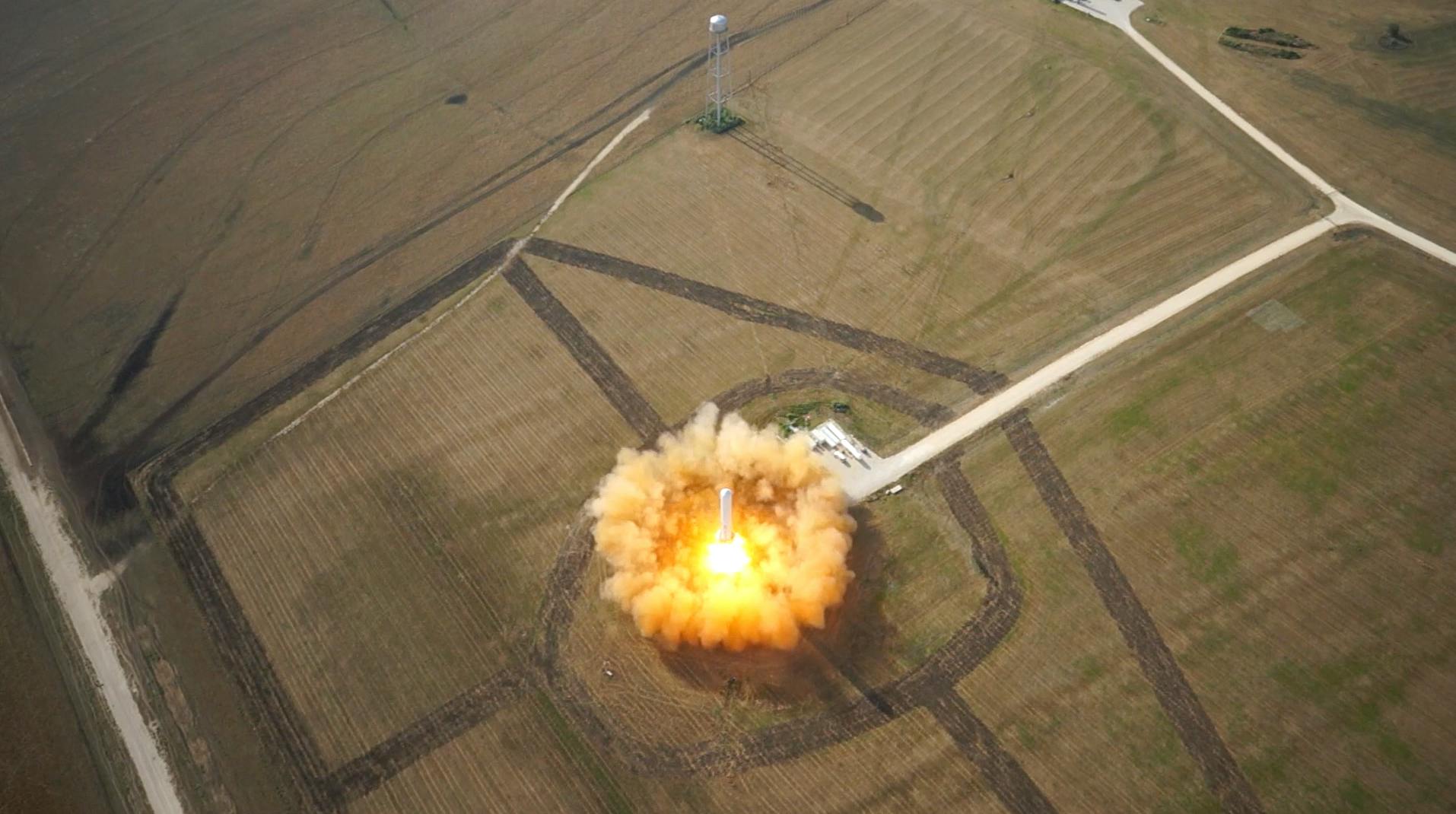
SpaceX swaps Crew Dragon capsules with NASA to accelerate Crew-10 launch, and successfully launches multiple Starlink satellites into orbit.
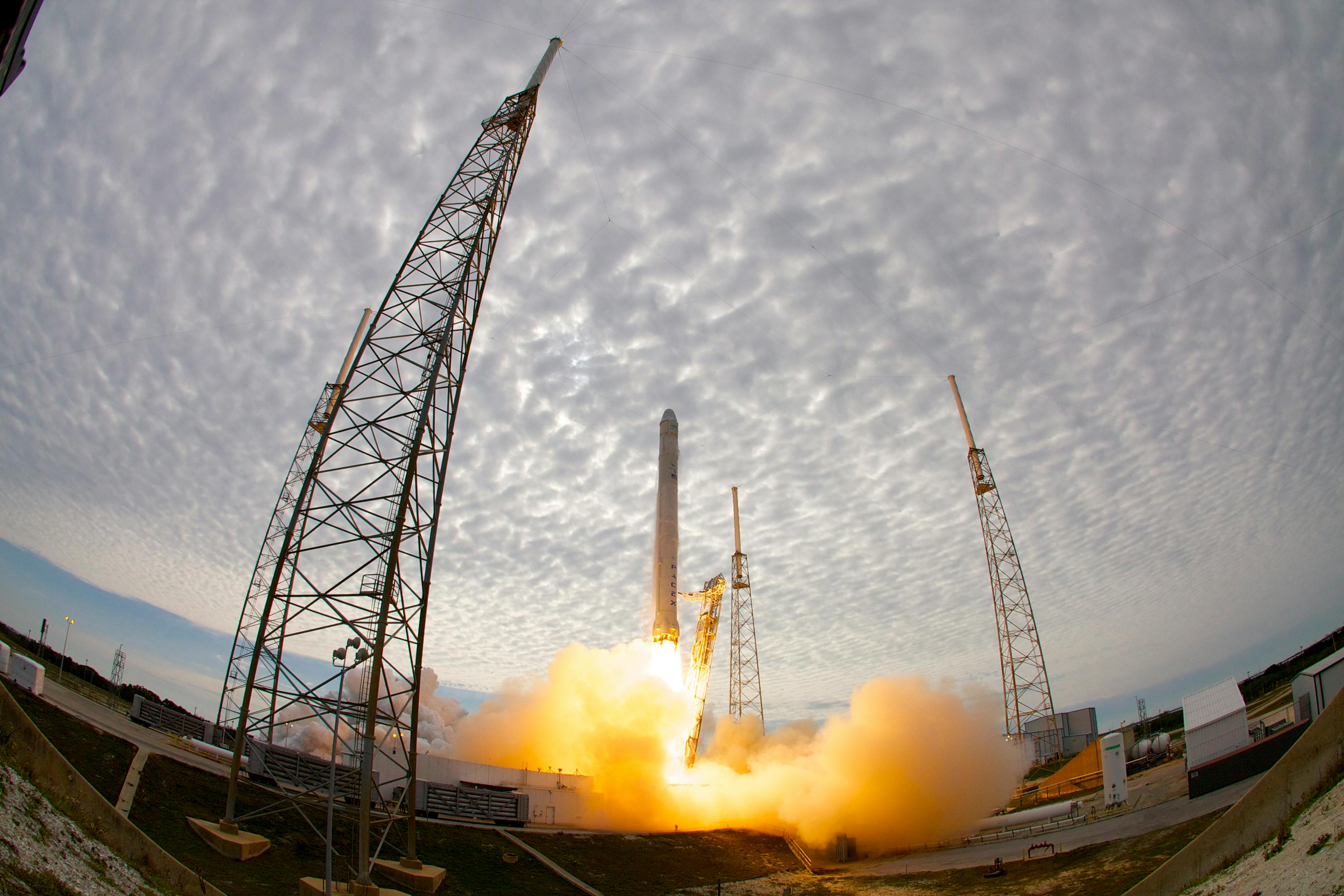
SpaceX successfully launched 24 Starlink satellites, enhancing its constellation while continuing its leadership in satellite deployment for global internet coverage.

Elon Musk confirms Starship V3 tower catch attempt plans with SN1 headed for ground tests. SpaceX wraps February with 83 Starlink satellites across three launches. 9,826 sats on orbit.
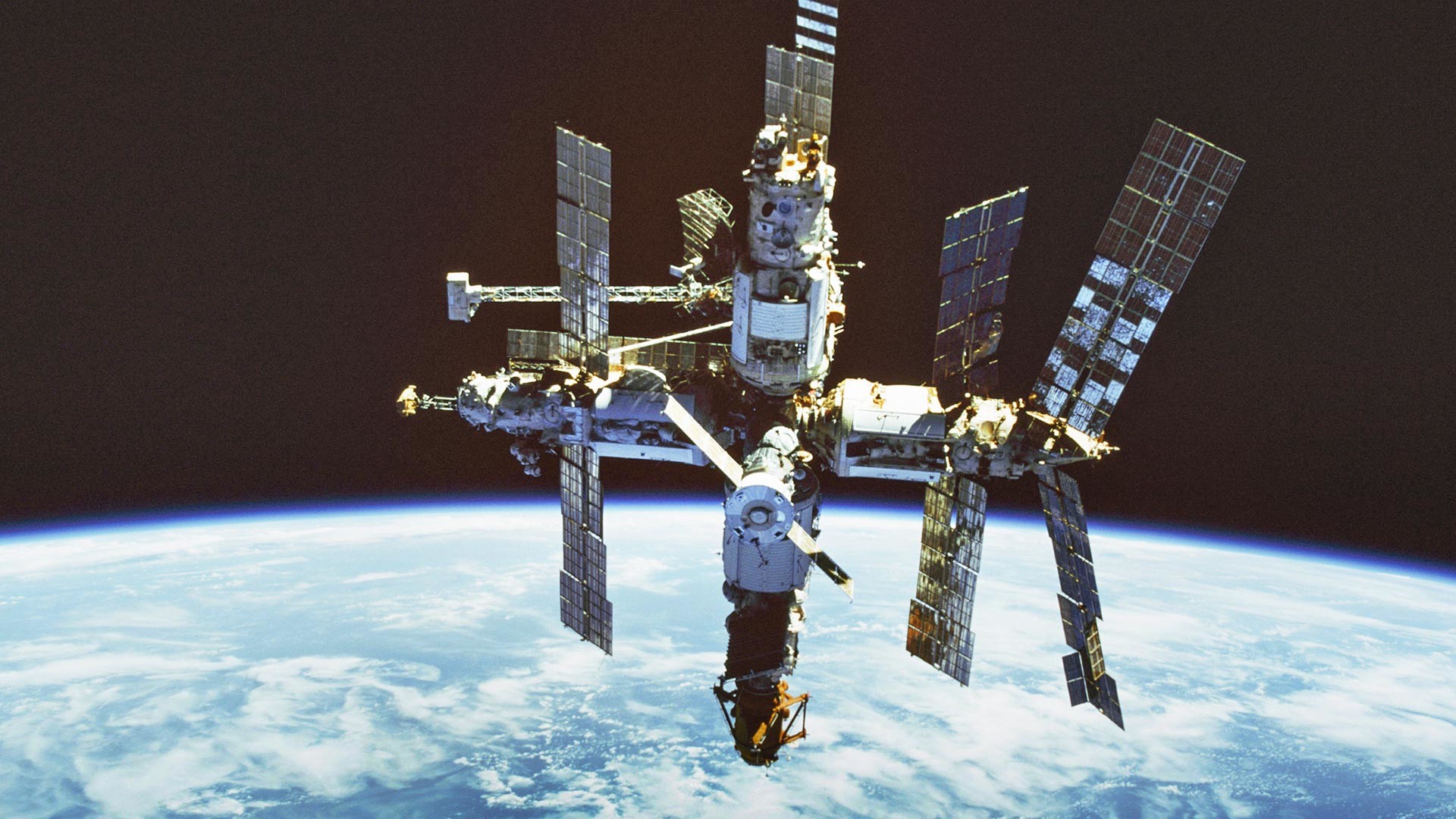
Forty years ago today, the USSR launched a 20-ton aluminum cylinder into low Earth orbit and called it 'Peace.' Over the next 15 years, Mir would host 104 people from 12 countries, survive a fire and a collision, and quietly teach humanity how to live in space.
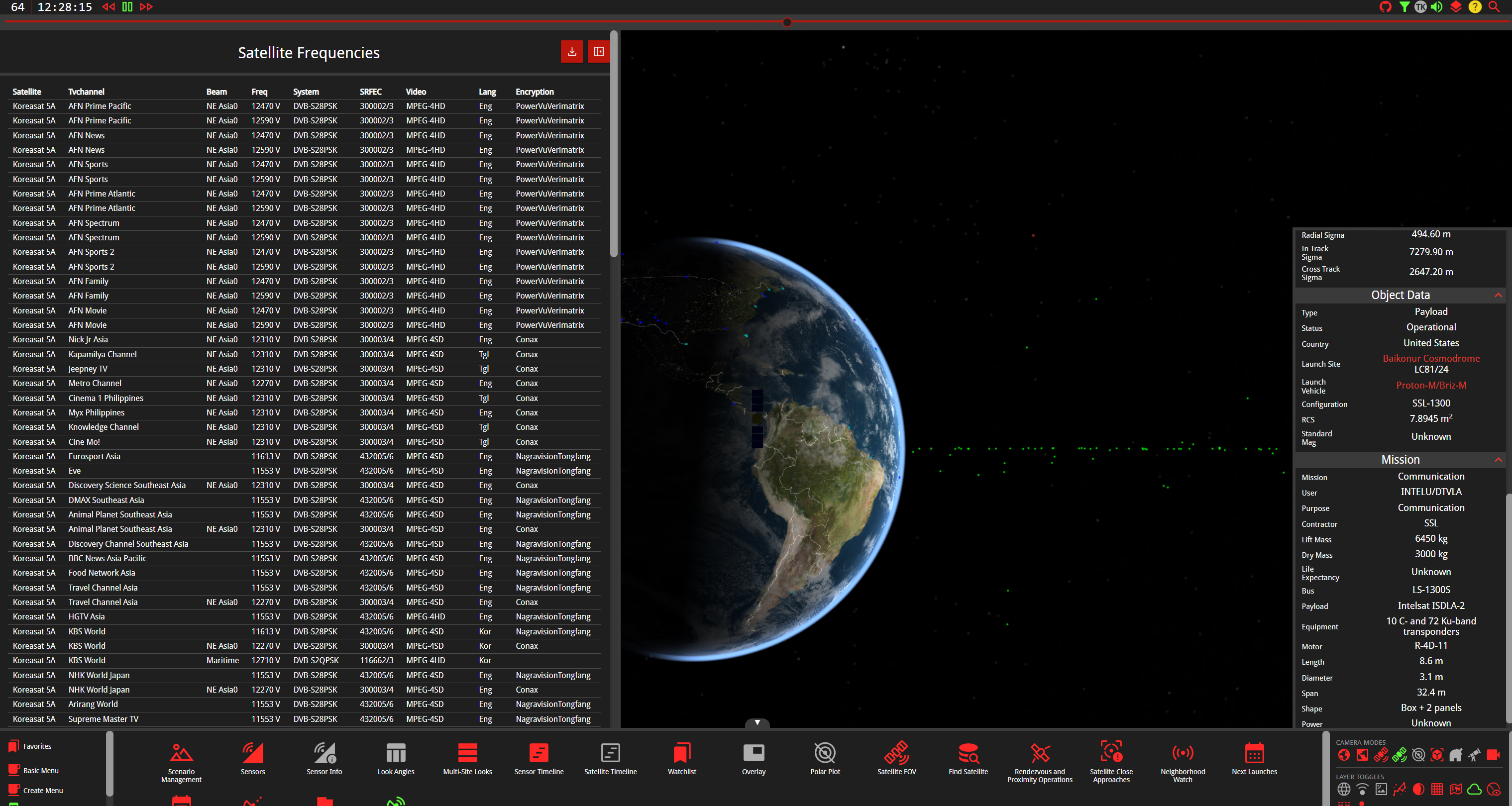
The workhorse frequency band that quietly powers satellite communications, weather radar, and Wi-Fi around the world
Today's brief covers potential shifts in Space Force's strategy, new milestones in military satellite programs, and advancements in ground systems for missile defense. We'll also highlight Rocket Lab's latest contract win and critical design reviews in drone technology.