


SpaceX Hits 10,000 Starlink Satellites in Orbit | KeepTrack Space Brief
SpaceX surpassed 10,000 simultaneous Starlink satellites in orbit after Starlink 17-24 deployed 25 satellites from California. Milestone reached in under 7 years.


Launch Date
November 30, 1983
Launch Site
PLMSC
Launch Pad
LC41/1
Launch Vehicle
Soyuz-U
NORAD ID
14530
International Designator
1983-117A
Decay Date
1/13/1984
Name
COSMOS 1511
Alternative Name
Kosmos-1511
Type
Status
Owner
GUKOS
Country
USSR
Constellation
N/A
Related Satellites
Major Events
N/A
Length
6.3
Diameter
2.7
Span
6.3
Dry Mass
2886
Launch Mass
2886
Shape
Cone + Cyl
Radar Cross Section
61.82
Visual Magnitude
Unknown
Color
Unknown
Material Composition
Unknown
Payload
Oktan No. 9L
Purpose
Reconnaissance, photo (film return type)
Mission
Reconnaissance, photo (film return type)
Manufacturer
TSSKB
Life Expectancy
45 days
Bus
Yantar'-4K1
Configuration
Yantar Bus, main reentry module, 2 small reentry capsules
Motor
Unknown
Equipment
Zhemchug-18 camera
Power System
2 deployable solar arrays, batteries
ADCS
Unknown
Transmitter Frequency
Unknown
Learn more about satellites and other related topics.
SpaceX surpassed 10,000 simultaneous Starlink satellites in orbit after Starlink 17-24 deployed 25 satellites from California. Milestone reached in under 7 years.

SpaceX's historic Falcon 9 flight launches 21 Starlink satellites, opening new milestones in space travel. Meanwhile, K2 Space achieves a funding breakthrough, and the first astronaut with a disability is set for a mission to the ISS.
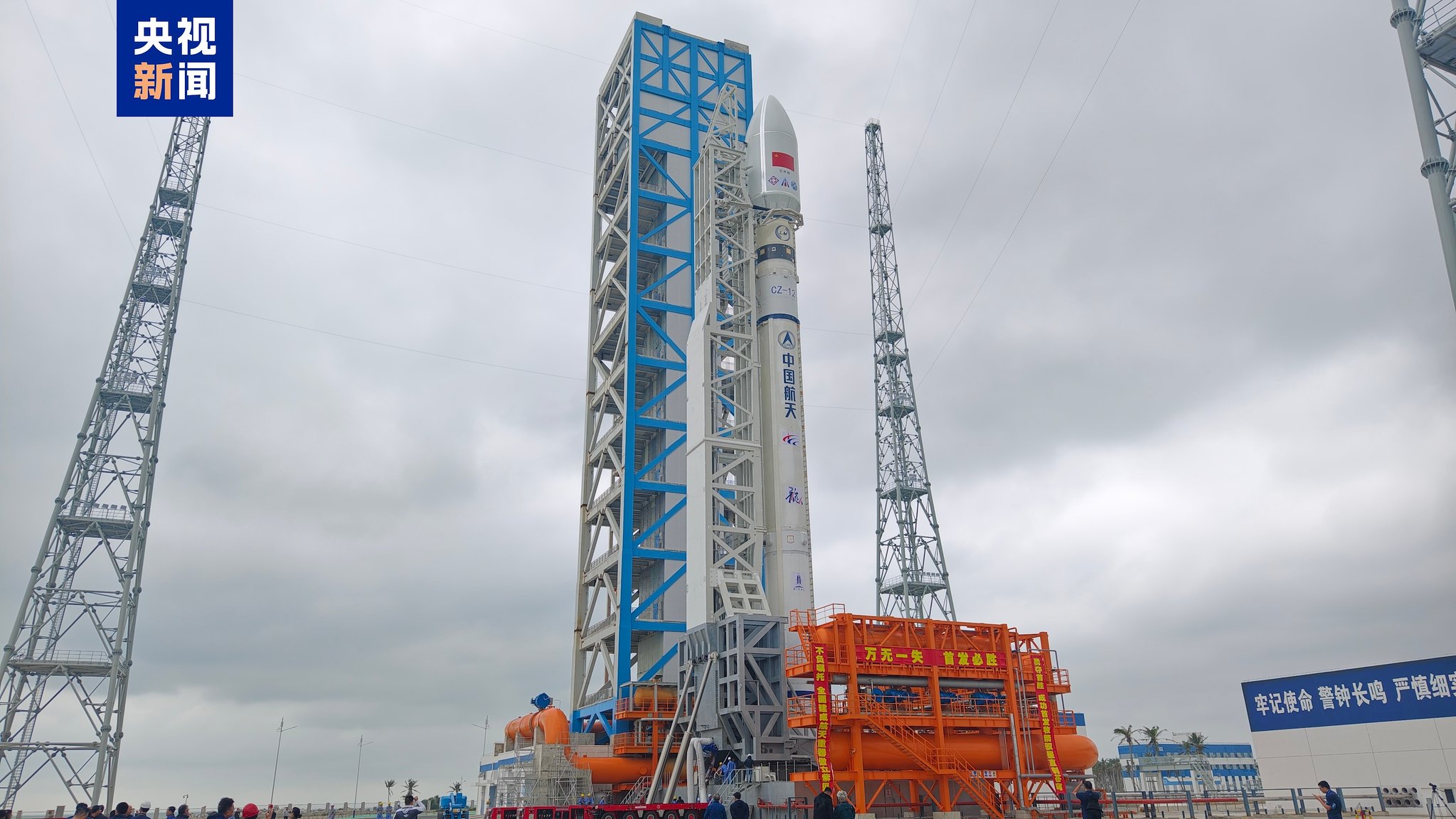
Today's brief covers SpaceX's Starship launch approval, Antares' nuclear funding, and shifts in global space defense strategies.

SpaceX faces setbacks with Starship Flight 7 as FAA launches an investigation, while future transportation policies might impact SpaceX operations. Meanwhile, the Starlink constellation continues strong.

Today's brief highlights key developments in space technology, military space activities, and satellite refueling initiatives. Discover the latest on GEO satellite refueling, Blue Origin's New Glenn, and more.
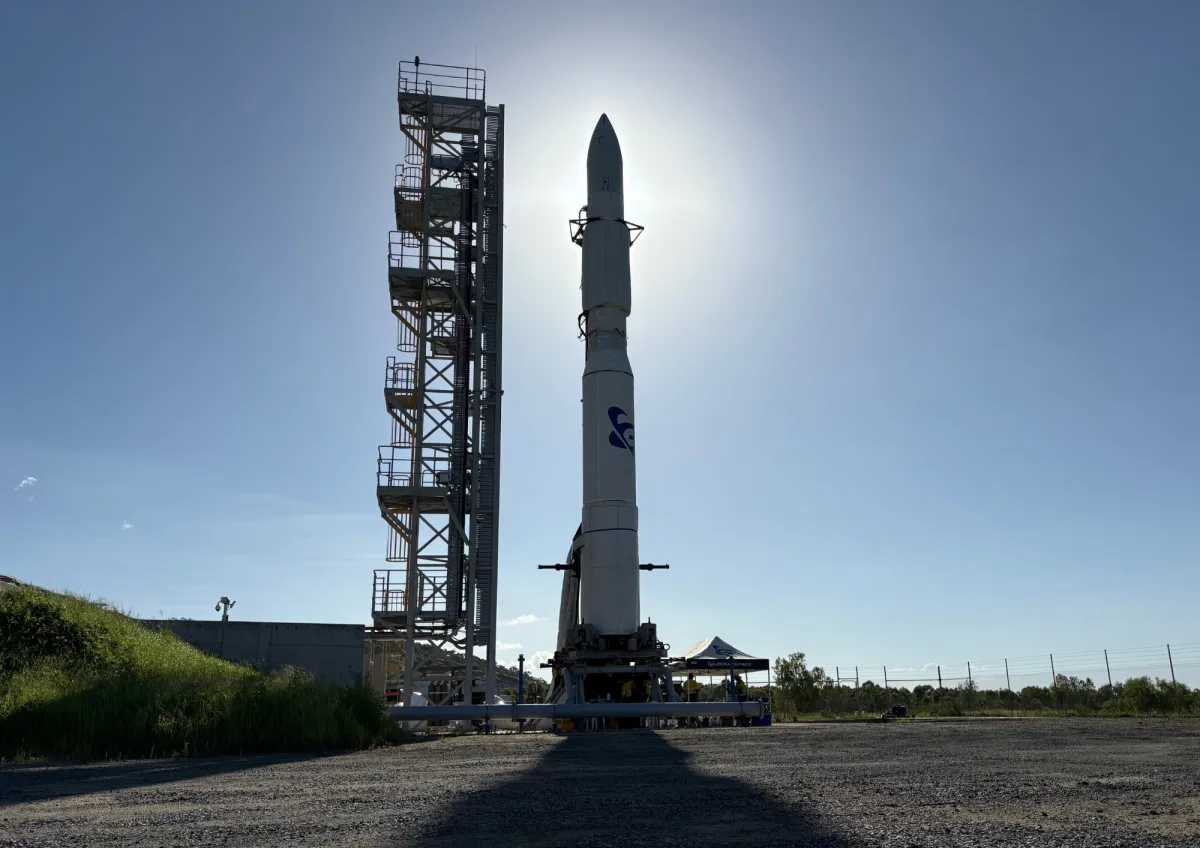
Today's brief covers secret Space Force payloads monitoring China's satellites, collaborations reducing satellite tracking delays, and new AI projects for military operations.
U.S. Space Force executes first tactical orbital intercept under Victus Haze mission using commercial spacecraft. Rendezvous and proximity operations now operationally demonstrated.

Explore today's key space events including a SpaceX Starlink launch, Neuraspace's new telescope for space traffic monitoring, and Globalstar's defense-focused satellite service debut.