

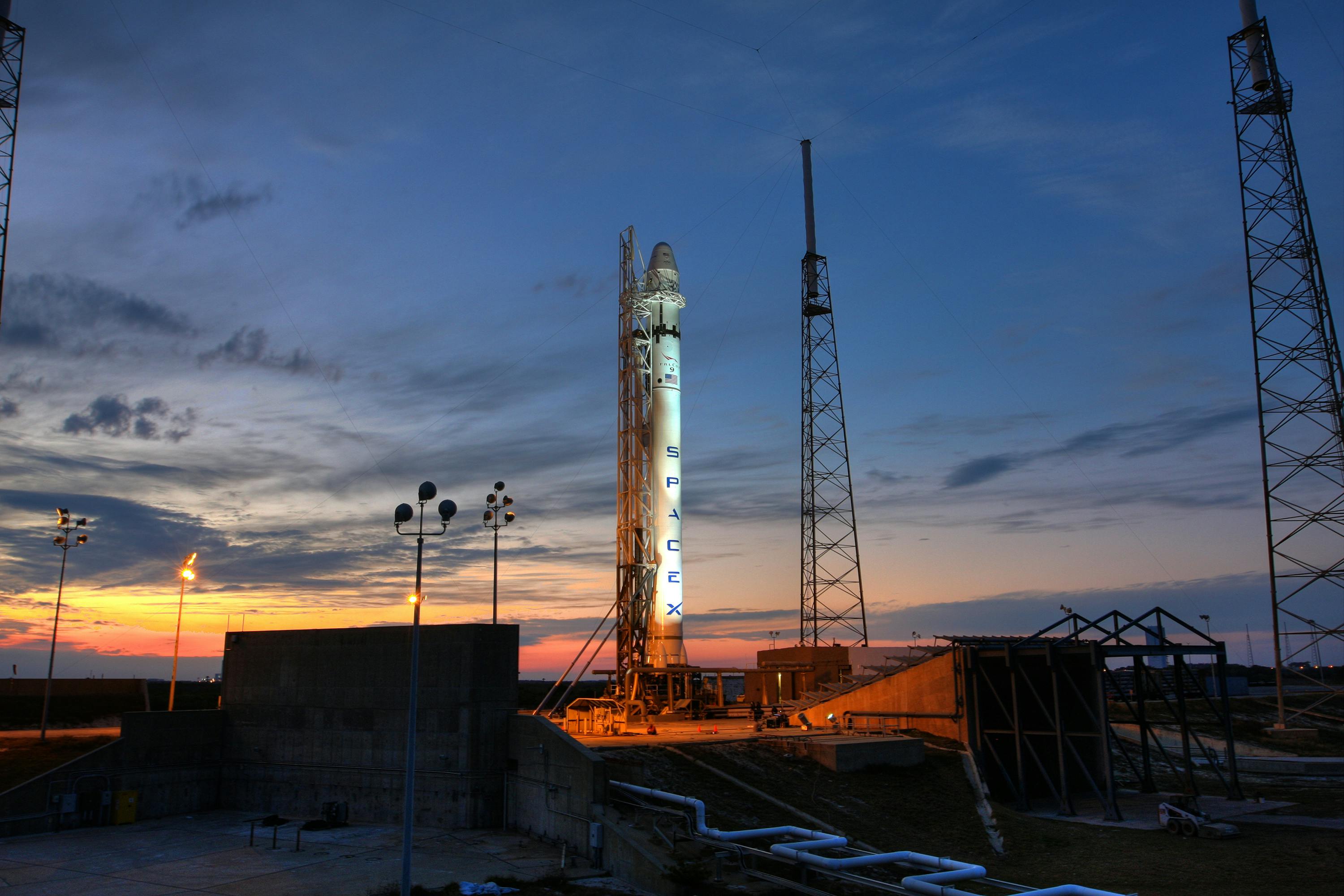
X Report 8 May 2025
SpaceX launches 28 more Starlink satellites while addressing conflicts of interest and expanding home connectivity with a new router.


Launch Date
November 23, 1983
Launch Site
PLMSC
Launch Pad
LC41/1
Launch Vehicle
Molniya 8K78M
NORAD ID
14520
International Designator
1983-114D
Decay Date
1/24/2001
Name
SL-6 R/B(2)
Alternative Name
Blok-ML 37-454
Type
Status
Owner
RVSN
Country
USSR
Constellation
N/A
Related Satellites
Major Events
N/A
Length
3.3
Diameter
2.3
Span
3.3
Dry Mass
900
Launch Mass
4500
Shape
Cyl
Radar Cross Section
7.1445
Visual Magnitude
Unknown
Color
Unknown
Material Composition
Unknown
Payload
Blok-ML No. 71637-454
Purpose
Unknown
Mission
Unknown
Manufacturer
NPOE
Life Expectancy
Unknown
Bus
Blok-L
Configuration
Unknown
Motor
Unknown
Equipment
Unknown
Power System
Unknown
ADCS
Unknown
Transmitter Frequency
Unknown
Learn more about satellites and other related topics.
SpaceX launches 28 more Starlink satellites while addressing conflicts of interest and expanding home connectivity with a new router.

As Ukraine explores alternatives to SpaceX's Starlink, the potential adoption of Eutelsat OneWeb's satellite network raises critical questions about connectivity, resilience, and strategic autonomy.

Exciting SpaceX updates include the arrival of Athena moon lander, SPHEREx telescope's upcoming launch, and SpaceX's GigaBay development.

SpaceX's Starlink 17-40 mission launches 24 satellites from Vandenberg SFB at 7:36 a.m. PDT, expanding the 10,705-satellite constellation.

SpaceX's Falcon Heavy flew for the first time in 18 months on April 29, while Starlink hit 51 Falcon 9 launches in 2026 with 10,280 satellites working.
Elon Musk confirms Starship V3 tower catch attempt plans with SN1 headed for ground tests. SpaceX wraps February with 83 Starlink satellites across three launches. 9,826 sats on orbit.
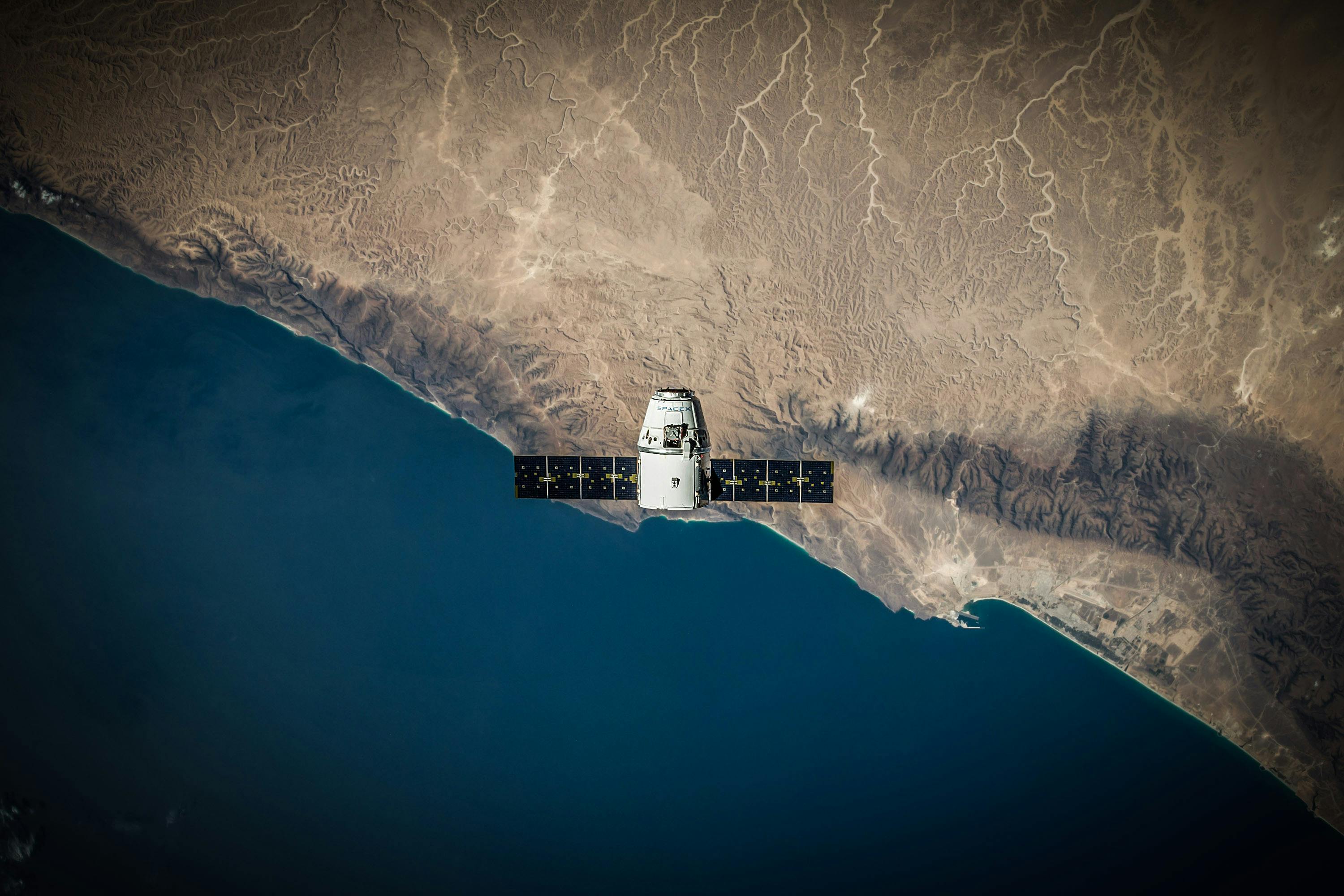
Elon Musk pushed back on orbital crowding concerns as SpaceX eyes data centers in space, with 10,584 Starlink satellites currently operational.
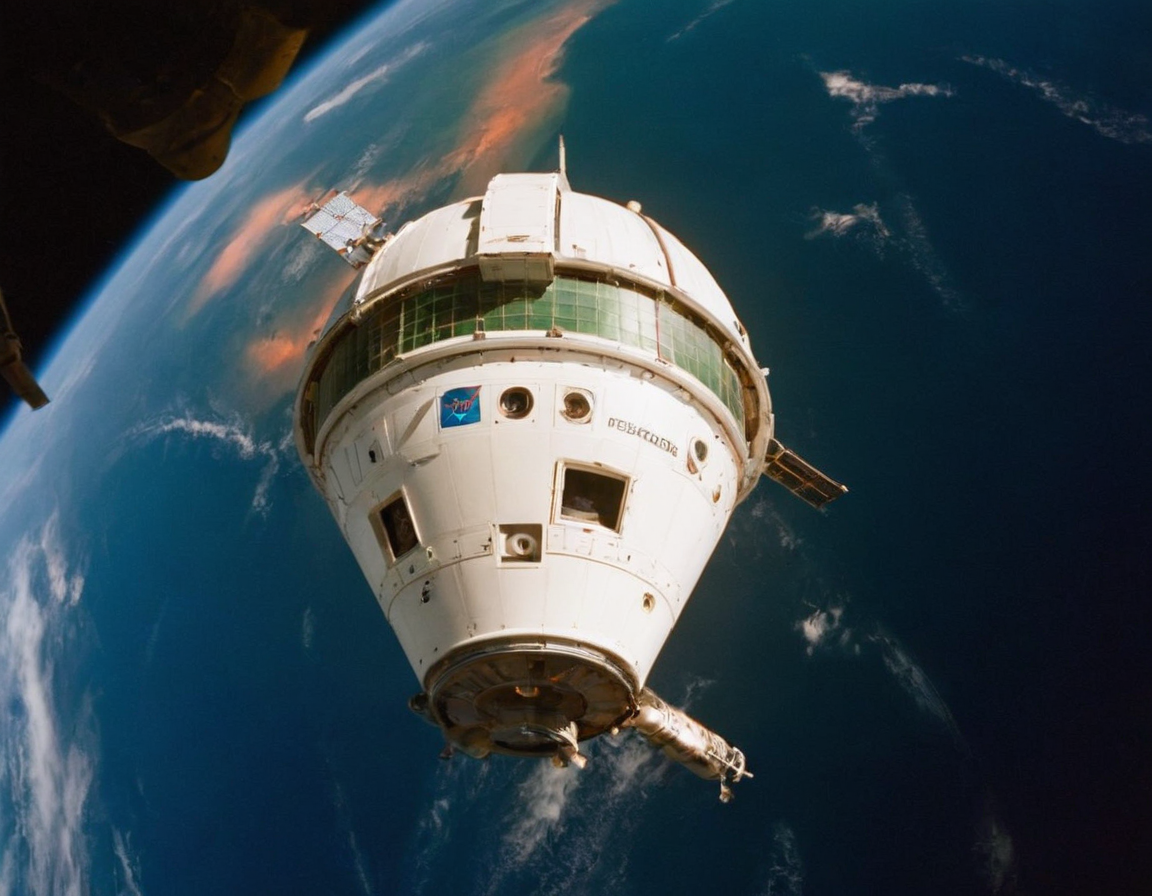
Boeing's Starliner spacecraft encounters thruster problems and helium leaks during its first crewed mission, potentially delaying the return of NASA astronauts from the International Space Station.