

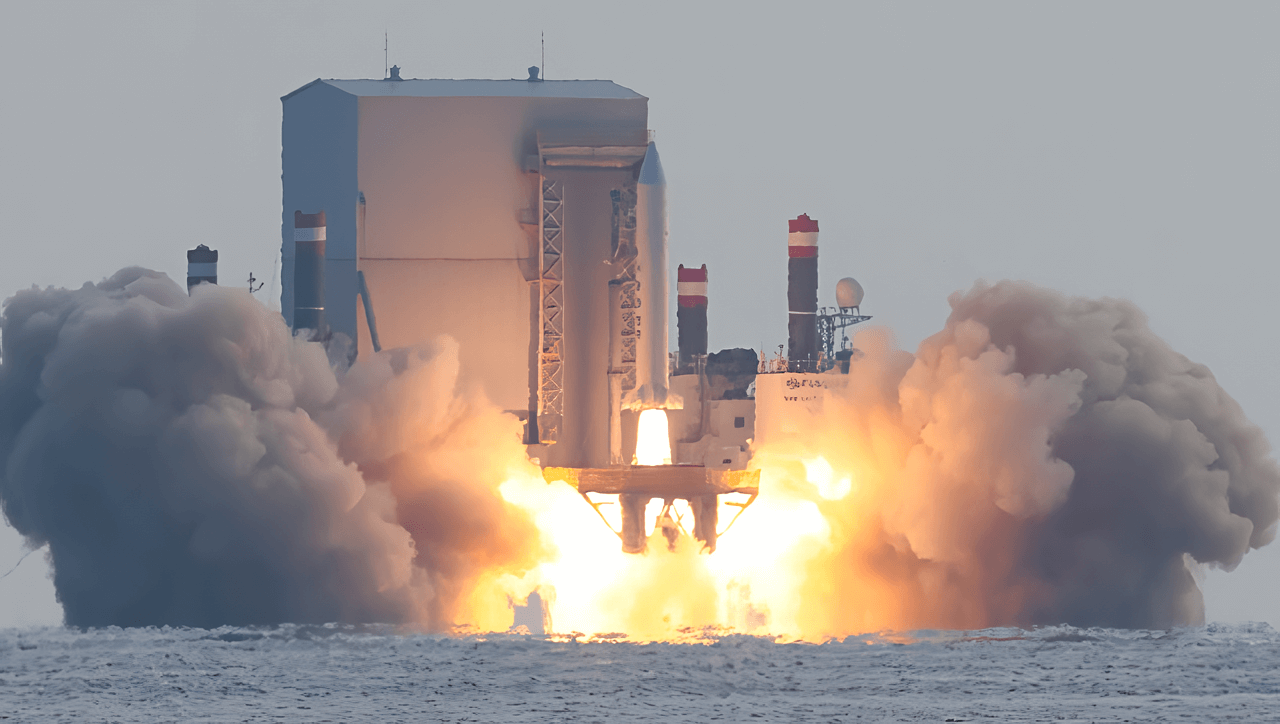
China Launches VLEO Alliance With Sats Below 300km | KeepTrack Space Brief
China formalized a national VLEO industry alliance with multiple satellites sustaining operations below 300 kilometers altitude. Propulsion startups attracting investment.



Launch Date
December 27, 1976
Launch Site
Launch Pad
LC90
Launch Vehicle
Tsiklon-2
NORAD ID
14501
International Designator
1976-126BN
Decay Date
3/6/2026
Name
COSMOS 886 DEB
Alternative Name
deb Kosmos-886
Type
Status
Owner
PKO
Country
USSR
Constellation
N/A
Related Satellites
Major Events
N/A
Length
0
Diameter
0
Span
0
Dry Mass
0
Launch Mass
0
Shape
N/A
Radar Cross Section
0.039
Visual Magnitude
Unknown
Color
Unknown
Material Composition
Unknown
Payload
Unknown
Purpose
Unknown
Mission
Unknown
Manufacturer
Unknown
Life Expectancy
Unknown
Bus
Unknown
Configuration
Unknown
Motor
Unknown
Equipment
Unknown
Power System
Unknown
ADCS
Unknown
Transmitter Frequency
Unknown
Learn more about satellites and other related topics.
China formalized a national VLEO industry alliance with multiple satellites sustaining operations below 300 kilometers altitude. Propulsion startups attracting investment.

Today's brief highlights the launch of United Airlines' Starlink Wi-Fi on passenger flights, updates on Starship development, and SpaceX's push to position Starlink as a GPS alternative in recent FCC discussions.

SpaceX makes headlines with dual Starlink launches, Rocket Lab inaugurates new launch complex, while AI's impact on space missions and satellite technology continues to stir discussions.
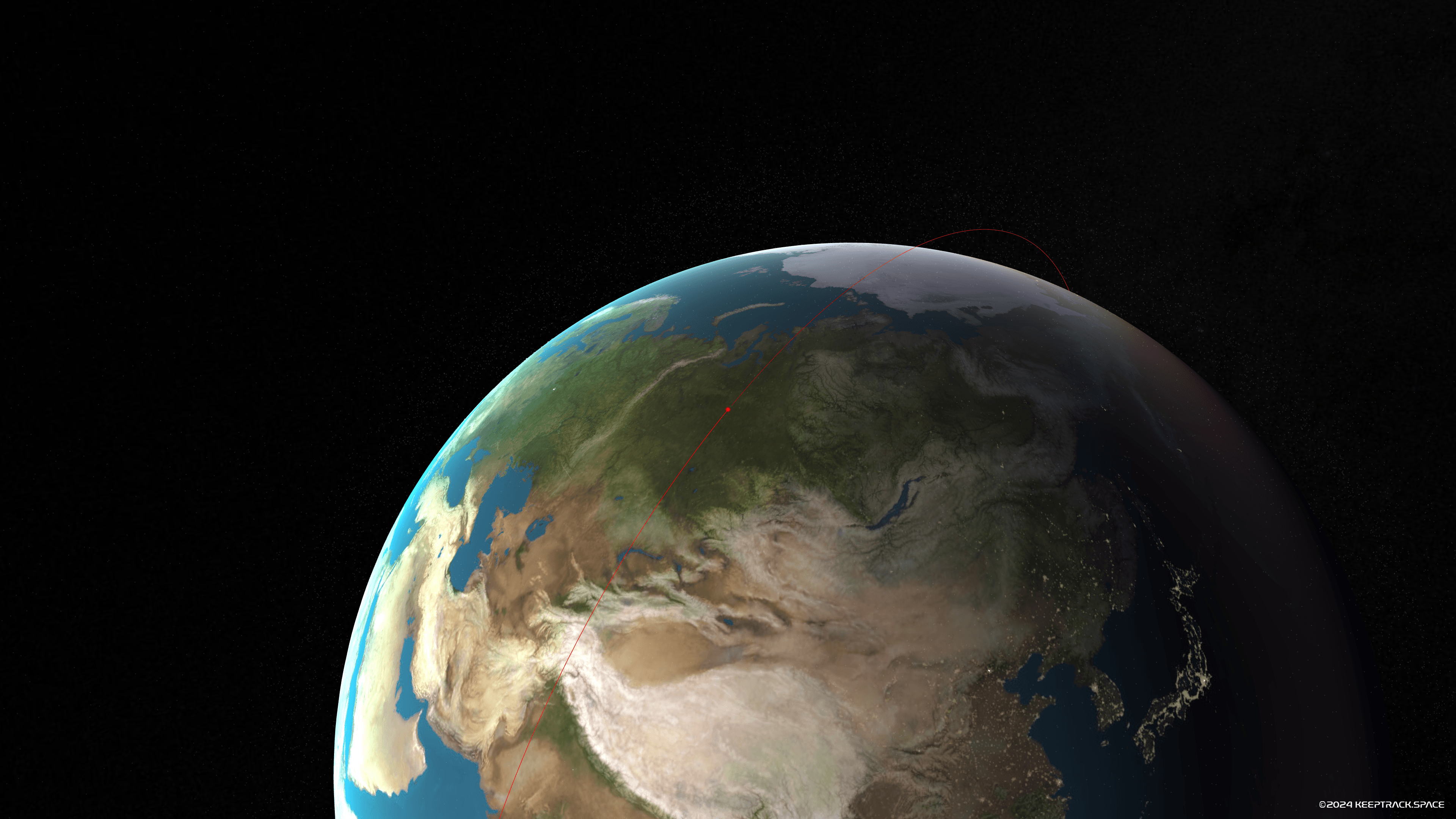
ESA's Cluster mission coming to an end, Europe's contributions to Artemis III, JUICE's groundbreaking maneuvers, Yaogan EO satellites, and amateur astronomers discovering exoplanets.
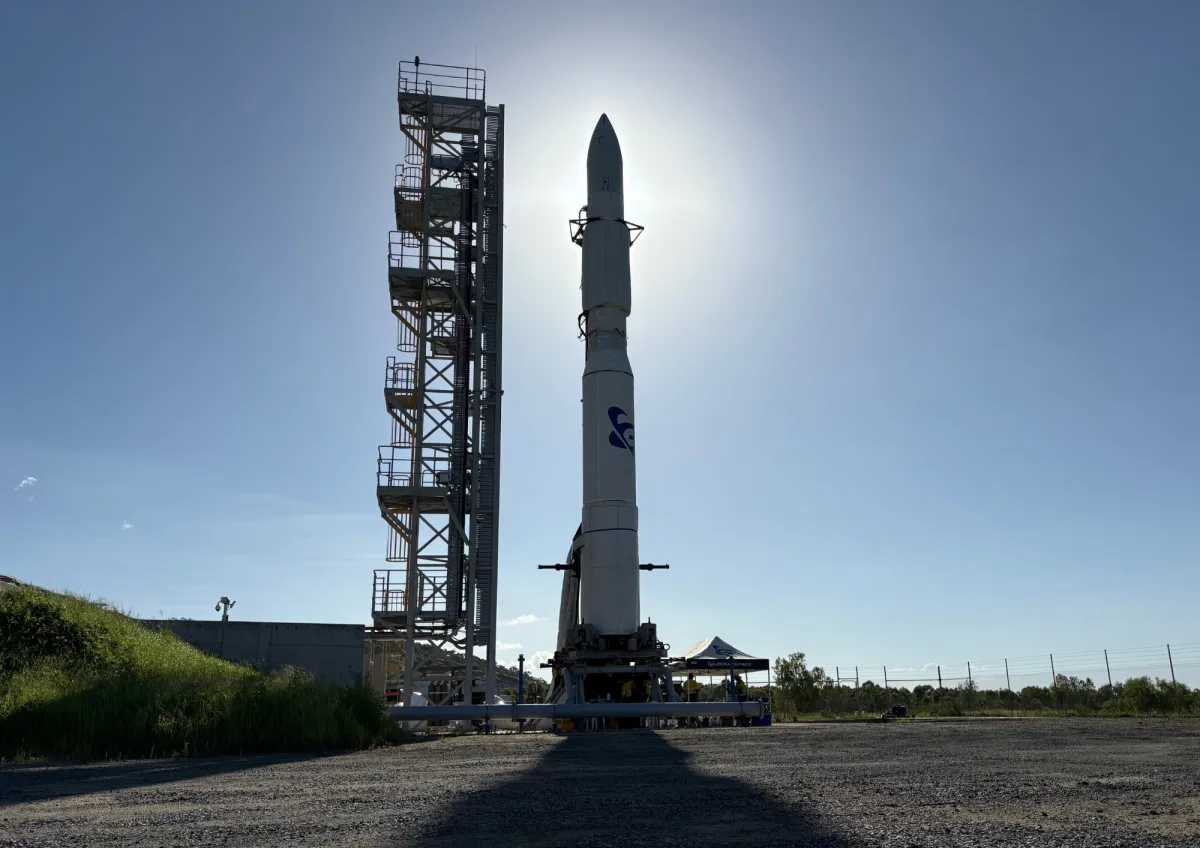
Today's space highlights include significant military contracts for aerospace innovations, advancements in small-satellite procurement, and discussions on the role of nuclear energy in space exploration.
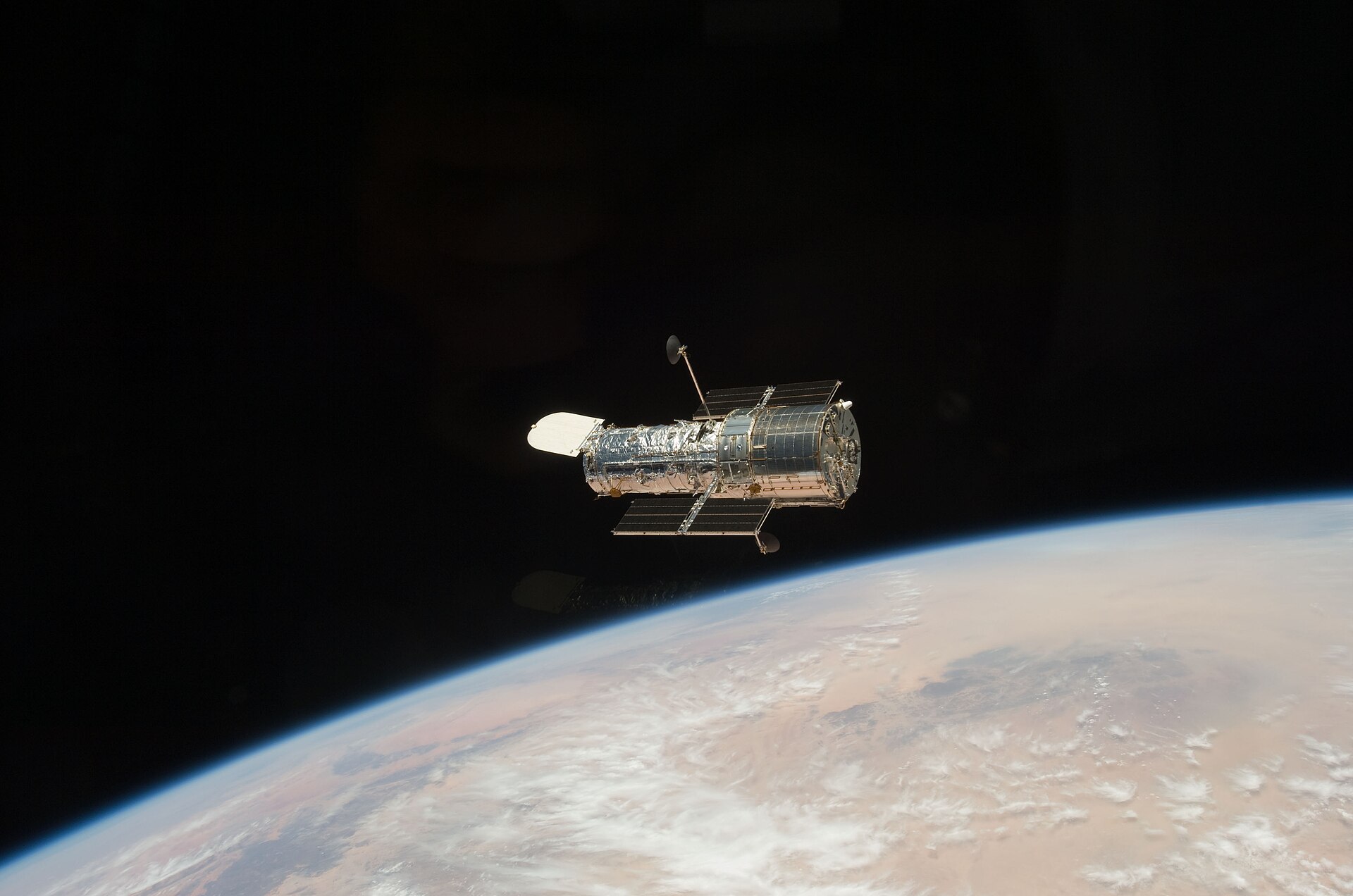
On April 25, 1990, the Space Shuttle Discovery's robotic arm lifted a 11,110-kilogram barrel of mirrors and instruments out of the payload bay and released it into orbit. Six weeks later, the first images came back badly out of focus. The Hubble Space Telescope had been ground to the wrong prescription, and America had just spent $2.5 billion on what the press was calling a 'technoturkey.'
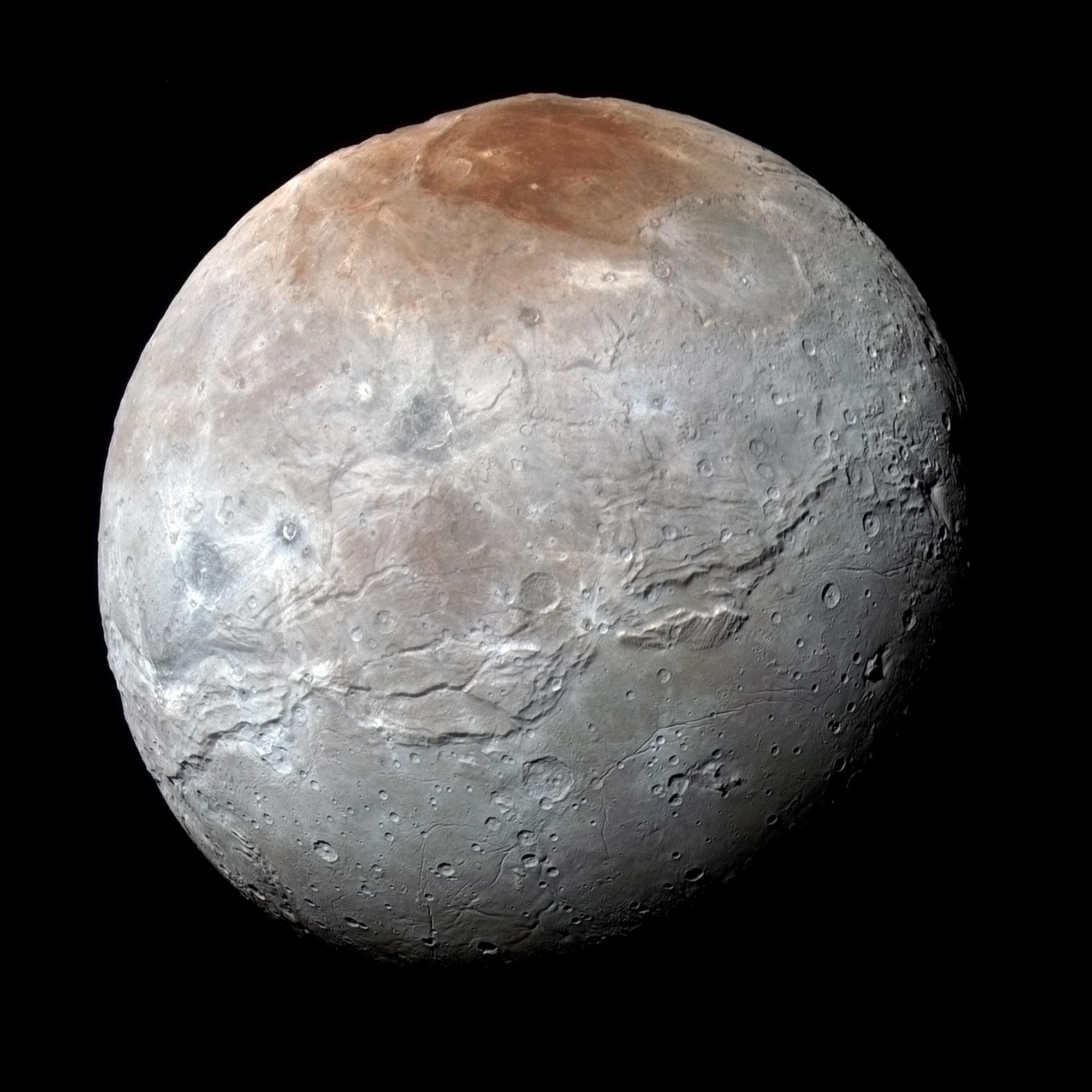
On 22 June 1978, an astronomer at the U.S. Naval Observatory looked at photographic plates that had been stamped 'image defective' and noticed a small bump on the side of Pluto. The bump was a moon, and finding it finally let astronomers weigh a planet that had fooled them for half a century.

SpaceX marks a successful launch of 21 Starlink satellites, follows up after Starship explosion, and influences Qantas flights amid a busy operational schedule.