COSMOS 1505 (14425)

COSPAR: 1983-107A | Alt Name: Kosmos-1505
DECAYED

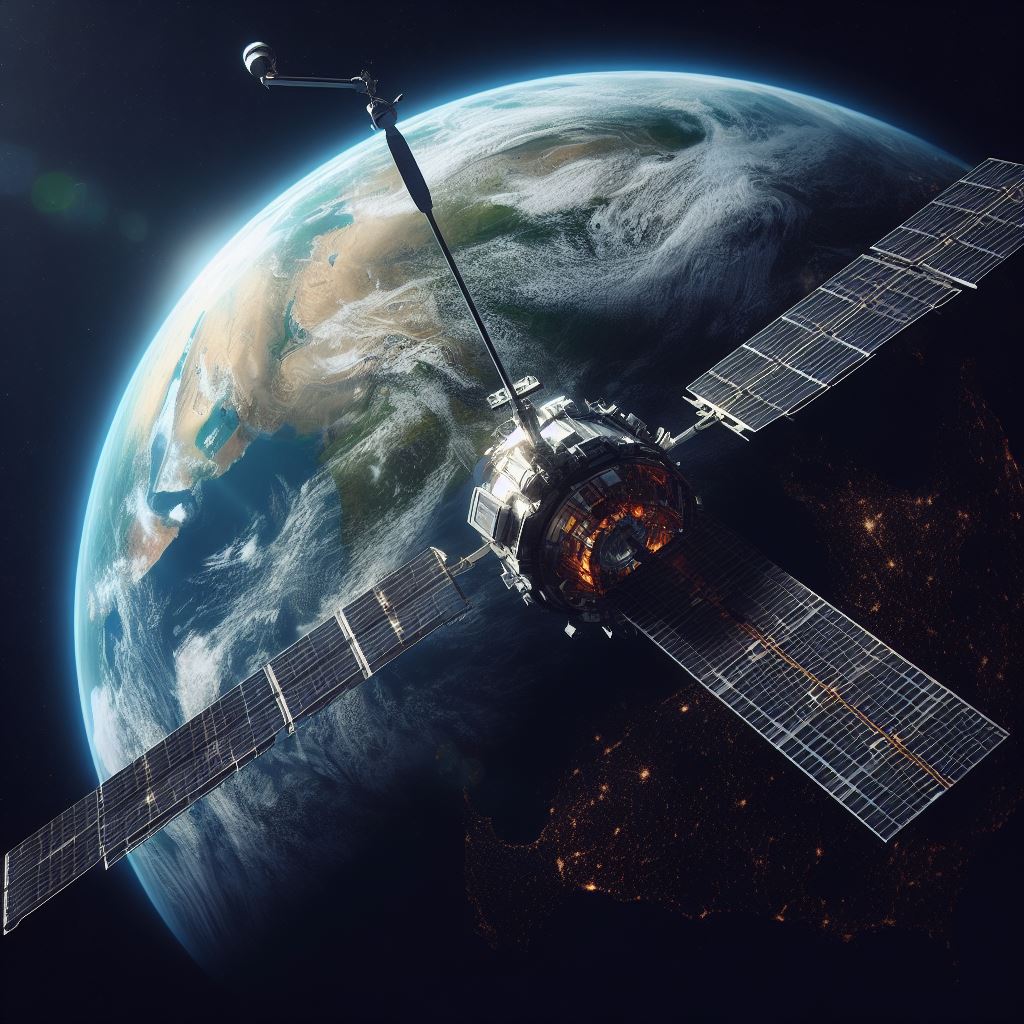
Image
COSMOS 1505 Satellite Image
Additional Sources
Launch Details

Launch Date

October 21, 1983

Launch Site

PLMSC

Launch Pad

LC16/2

Launch Vehicle

Soyuz-U

Orbital Elements

NORAD ID

14425

International Designator

1983-107A

Decay Date

11/4/1983

Basic Satellite Info

Name

COSMOS 1505

Alternative Name

Kosmos-1505

Type

Payload

Status

Decayed

Owner

GUKOS

Country

USSR

Constellation

N/A

Related Satellites

Major Events

N/A

Summary
COSMOS 1505 (also known as Kosmos-1505) is a reconnaissance satellite launched by the Soviet Union on October 21, 1983, from the PLMSC launch site using Soyuz-U as the launch vehicle. With a bus configuration of Zenit-6 and a Zenit bus design, it has dimensions including a length of 6 meters, diameter of 2.2 meters, and span of 6 meters. The satellite's dry mass is 2655 kilograms, which is identical to its launch mass. It was manufactured by TSSKB for GUKOS (Main Directorate of Space Systems) and equipped with an Argon No. 89L payload for photo reconnaissance purposes using a film return type system. COSMOS 1505's power supply came from batteries, and it had a motor configuration including 11D82M and S5.120 (maneuver module). Its shape is described as a sphere plus a DCone, and its surface area was approximately 31.5769 square meters. The satellite's mission lasted for 14 days.
Physical Characteristics

Length

6

Diameter

2.2

Span

6

Dry Mass

2655

Launch Mass

2655

Shape

Sphere + DCone

Radar Cross Section

31.5769

Visual Magnitude

Unknown

Color

Unknown

Material Composition

Unknown

Technical Details

Payload

Argon No. 89L

Purpose

Reconnaissance, photo (film return type)

Mission

Reconnaissance, photo (film return type)

Manufacturer

TSSKB

Life Expectancy

14 days

Bus

Zenit-6

Configuration

Zenit bus

Motor

11D82M; S5.120 (maneuver module)

Equipment

Unknown

Power System

Batteries

ADCS

Unknown

Transmitter Frequency

Unknown

Satellite Articles

View All Posts »

Learn more about satellites and other related topics.

Space Brief 25 Dec 2025

Space Brief 25 Dec 2025

Today's highlights include the Pentagon's report on China's military buildup, Innospace's upcoming launch plans, Starlink's rapid growth, China's significant space strides in 2025, and India's successful deployment of BlueBird 6.

GOES-19, the Last Weather Sentinel

GOES-19, the Last Weather Sentinel

The final satellite in a multi-billion-dollar program that learned its hardest lesson from a clogged pipe. GOES-19 is now NOAA's eyes on every Atlantic hurricane - and it's already found dozens of comets no one was looking for.

Space Brief 18 Dec 2025

Space Brief 18 Dec 2025

Today's updates cover Rocket Lab's launch for the U.S. Space Force, Digantara's major funding round, and discussions on national security in space.

X Report 10 May 2025

X Report 10 May 2025

SpaceX continues its rapid launch cadence by deploying 28 Starlink satellites while expanding its service with collaborations such as United Airlines and Entel in Chile.

Satellites by Country

Satellites by Country

Explore a comprehensive breakdown of satellite counts by country, detailing the USA, Russia, China, and others.

Space Brief 3 Aug 2025

Space Brief 3 Aug 2025

Today's brief covers NASA's collaboration with India for a new Earth-tracking satellite, China's expansion of its satellite internet network, and a groundbreaking cosmic shield for solar cells. Also highlighted are EchoStar's ambitious satellite order and Roscosmos' recent diplomatic moves.

SpaceX Starfall Reentry Capsule Debuts, X Report 23 Jun 2026

SpaceX Starfall Reentry Capsule Debuts, X Report 23 Jun 2026

SpaceX Starfall reentry capsule debuted June 23: the 2,100 kg disk launched on a Falcon 9 from Cape Canaveral to demo cargo return from orbit.

The Evolution of Space Stations

The Evolution of Space Stations

A brief journey through the evolution of space stations, delving into Russia's Mir, the International Space Station, China's Tiangong, and envisioning the future of orbital habitats.