


X Report 25 Jun 2025
SpaceX successfully launched the historic Axiom-4 mission to the ISS, marking a significant milestone in private space travel, while also expanding Starlink's reach into Vietnam's healthcare sector.



Launch Date
June 4, 1981
Launch Site
PLMSC
Launch Pad
LC132/2
Launch Vehicle
Kosmos 11K65M
NORAD ID
14360
International Designator
1981-053HW
Decay Date
5/13/2003
Name
COSMOS 1275 DEB
Alternative Name
deb Kosmos-1275
Type
Status
Owner
GUKOS
Country
USSR
Constellation
N/A
Related Satellites
Major Events
N/A
Length
0
Diameter
0
Span
0
Dry Mass
0
Launch Mass
0
Shape
N/A
Radar Cross Section
0.0191
Visual Magnitude
Unknown
Color
Unknown
Material Composition
Unknown
Payload
Unknown
Purpose
Unknown
Mission
Unknown
Manufacturer
Unknown
Life Expectancy
Unknown
Bus
Unknown
Configuration
Unknown
Motor
Unknown
Equipment
Unknown
Power System
Unknown
ADCS
Unknown
Transmitter Frequency
Unknown
Learn more about satellites and other related topics.
SpaceX successfully launched the historic Axiom-4 mission to the ISS, marking a significant milestone in private space travel, while also expanding Starlink's reach into Vietnam's healthcare sector.

Experts warn falling space debris risk to aircraft is increasing. North Korea tests advanced hypersonic missiles. Space Force seeks launch providers for Cape Canaveral and Vandenberg pads.

Iran successfully struck U.S. aircraft in Saudi Arabia despite maxed-out defensive posture. Space Force ISR and missile warning gaps exposed. Tracking impacts.
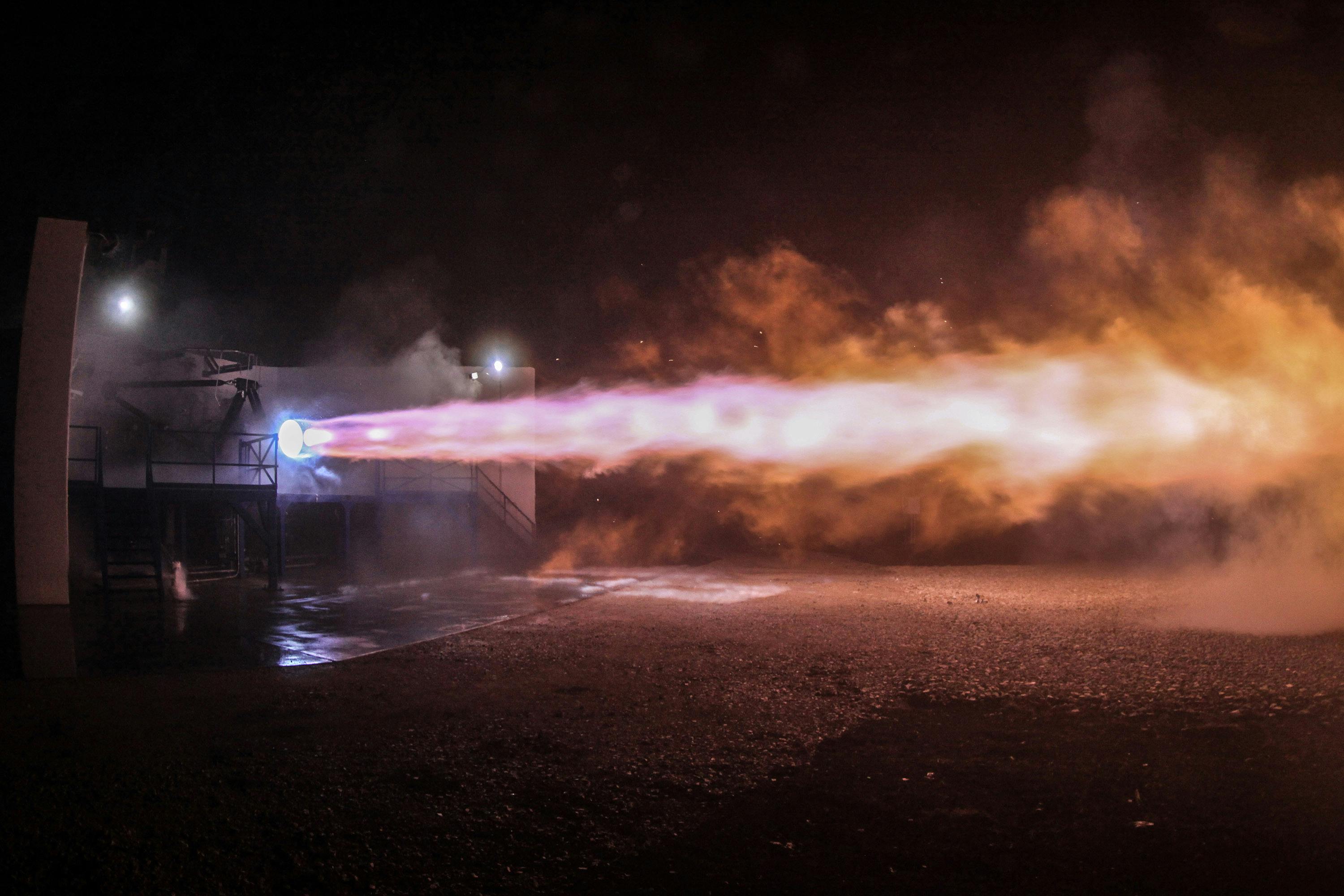
Canada reconsiders Starlink contract amidst US tariff delays, and new concerns arise over falling space debris.

Starbase expansion progresses and Germany eyes its own satellite constellation.
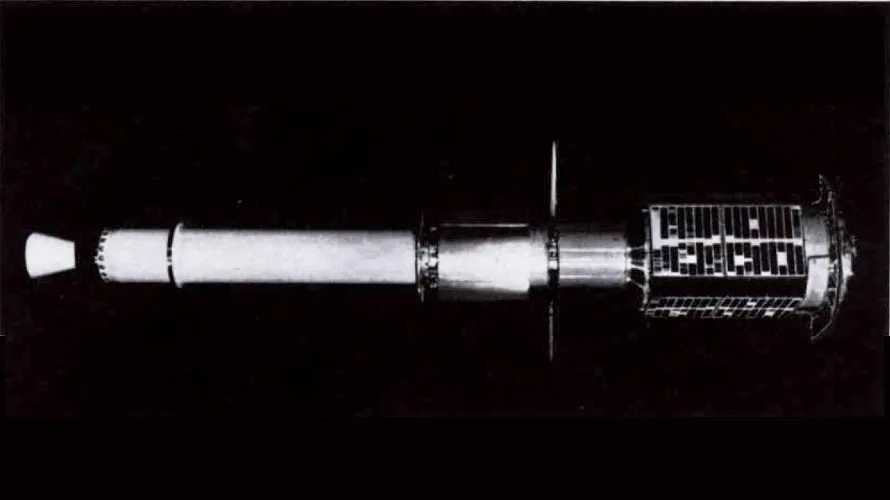
On April 27, 1961, a Scout rocket lifted a 37-kilogram NASA satellite into orbit from Wallops Island carrying the first serious instrument for detecting cosmic gamma rays. Explorer 11 operated for seven months before its tape recorder failed. In that time it registered 22 gamma-ray photons - a pitiful number by modern standards, but enough to launch an entire branch of astronomy.

Over 27,000 high-speed pieces of space junk now threaten vital satellites, requiring sophisticated tracking and urgent innovation of orbital debris removal methods like harpoons and nets.
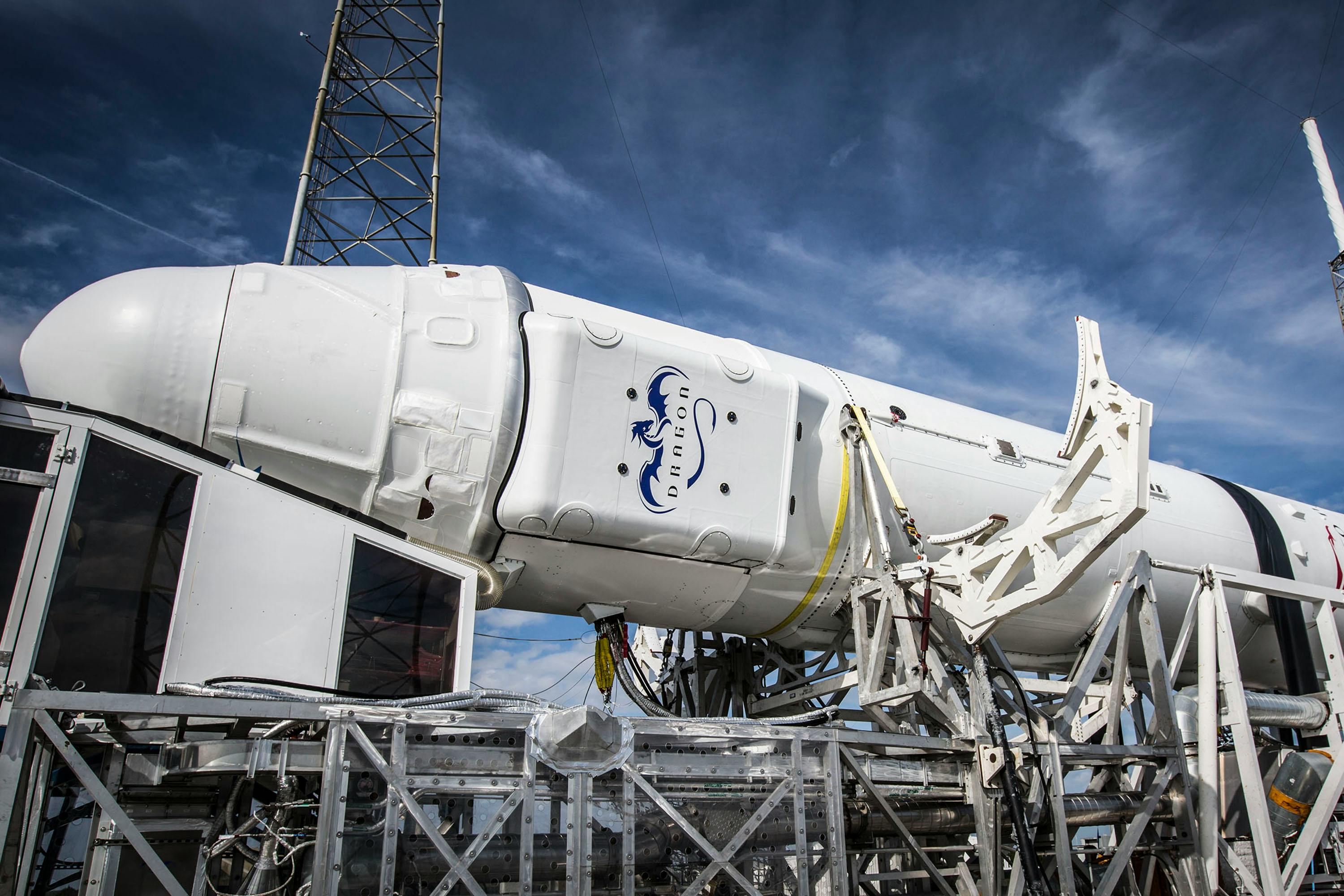
Starship developments continue to capture attention alongside Starlink's latest deployment milestones.