

X Report 7 Dec 2025
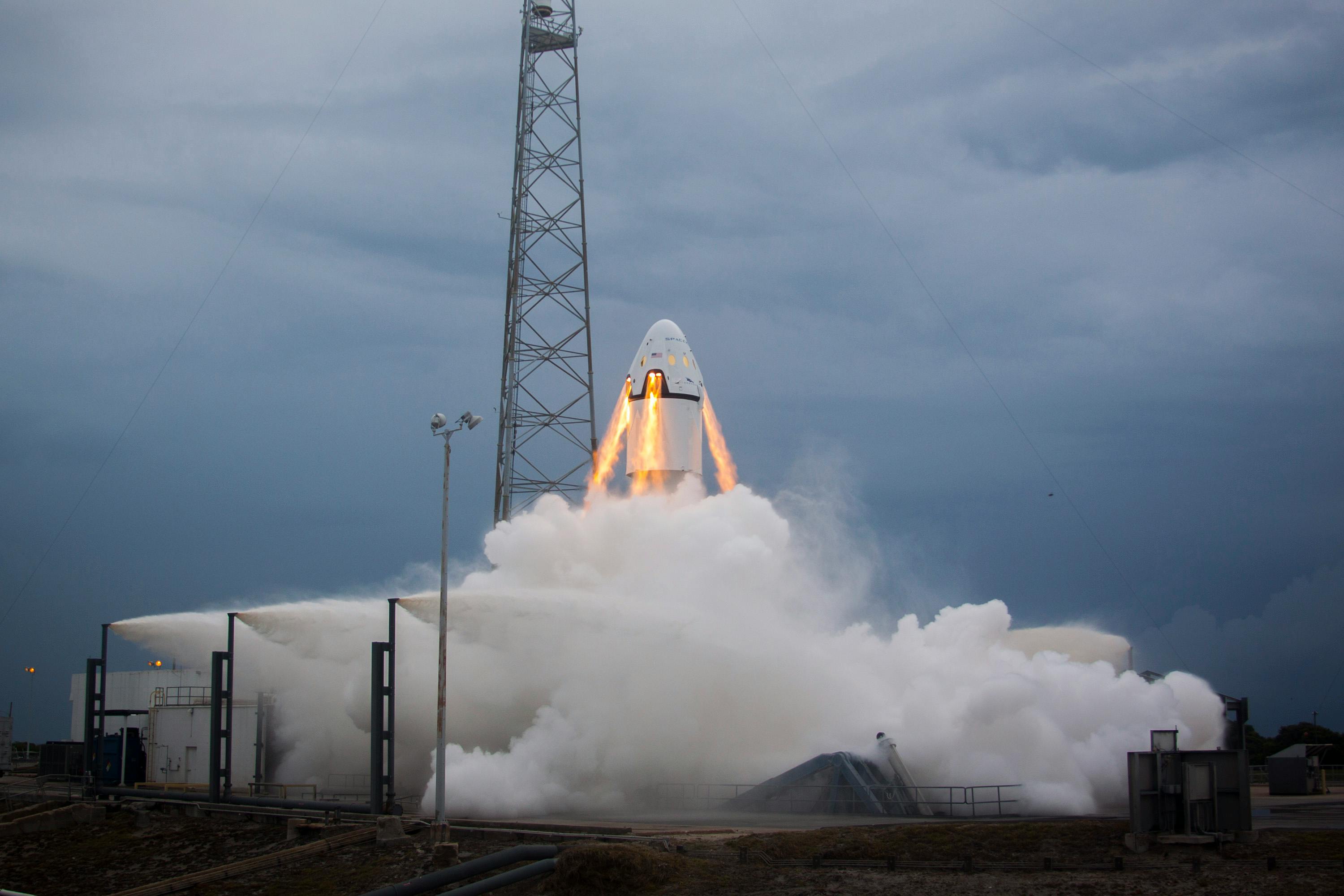
SpaceX receives approval for a new Starship launch complex, while Blue Origin capitalizes on potential challenges faced by SpaceX in lunar missions.


Launch Date
September 3, 1983
Launch Site
PLMSC
Launch Pad
LC43/4
Launch Vehicle
Soyuz-U
NORAD ID
14321
International Designator
1983-092B
Decay Date
9/6/1983
Name
SL-4 R/B
Alternative Name
Soyuz-U 12-084 Blok-I
Type
Status
Owner
RVSN
Country
USSR
Constellation
N/A
Related Satellites
Major Events
N/A
Length
6.7
Diameter
2.7
Span
6.7
Dry Mass
2350
Launch Mass
2350
Shape
Cyl
Radar Cross Section
Unknown
Visual Magnitude
Unknown
Color
Unknown
Material Composition
Unknown
Payload
11S510
Purpose
Unknown
Mission
Unknown
Manufacturer
PROG
Life Expectancy
Unknown
Bus
Blok-I
Configuration
Unknown
Motor
Unknown
Equipment
Unknown
Power System
Unknown
ADCS
Unknown
Transmitter Frequency
Unknown
Learn more about satellites and other related topics.
SpaceX receives approval for a new Starship launch complex, while Blue Origin capitalizes on potential challenges faced by SpaceX in lunar missions.

U.S. Space Force executes first tactical orbital intercept under Victus Haze mission using commercial spacecraft. Rendezvous and proximity operations now operationally demonstrated.

Today's brief covers SpaceX's latest Starlink launch, updates on Crew-8's return, and preparations for the SLS Artemis II mission.

SpaceX advances with new Starship engine tests and celebrates a festive launch at Vandenberg. Jared Isaacman's NASA nomination brings excitement and scrutiny.
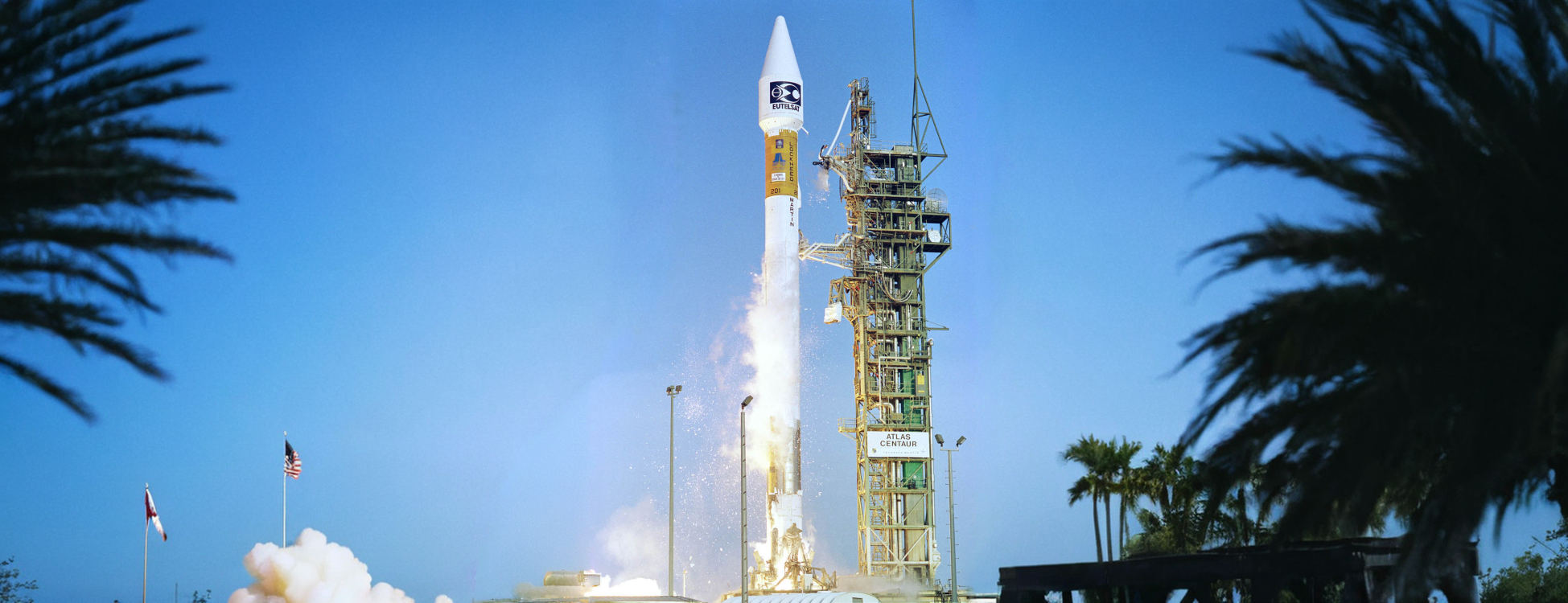
Twenty years ago, an Atlas rocket carrying a classified payload lifted off from Cape Canaveral, marking the end of a revolutionary spacecraft design that helped launch America into the Space Age
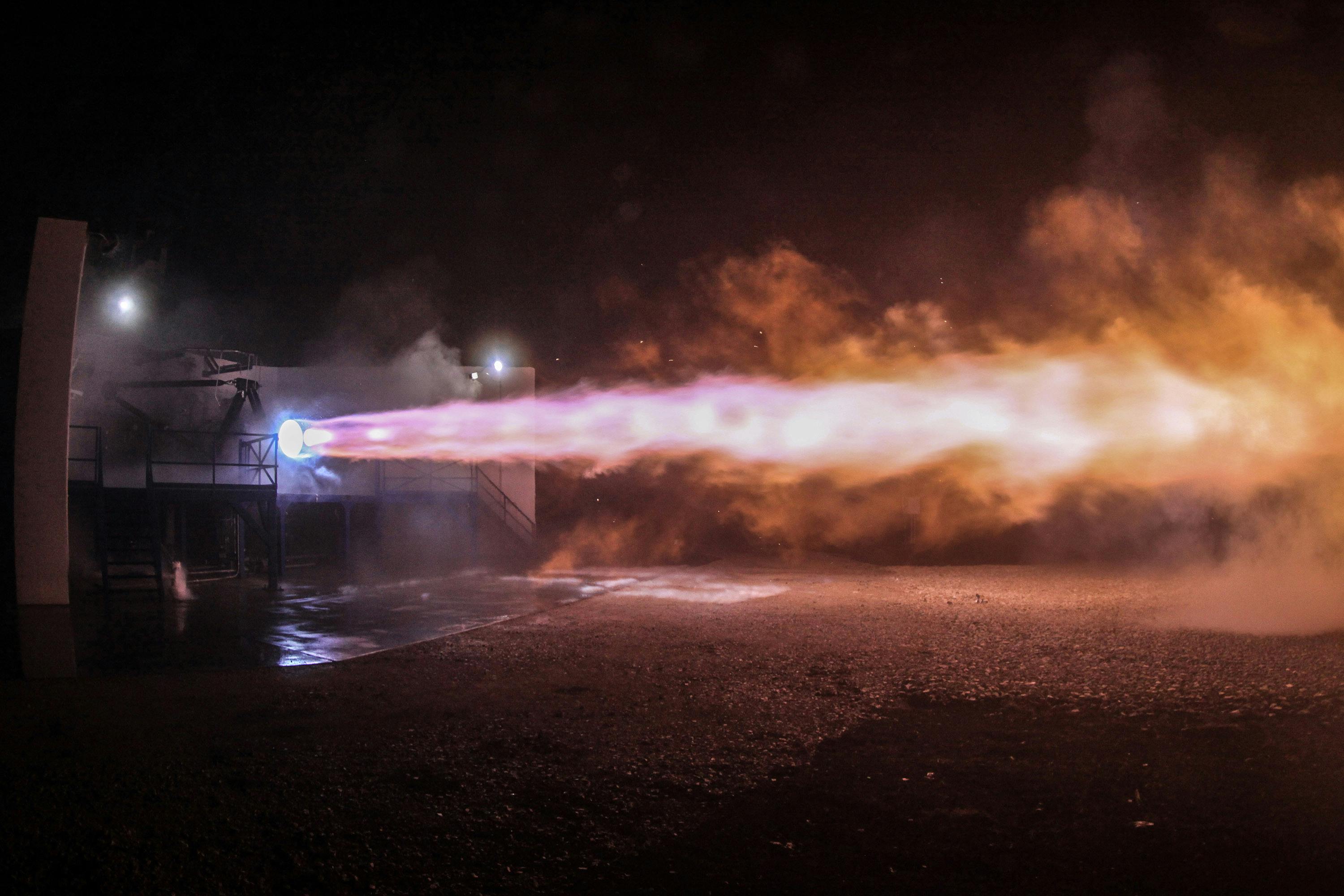
SpaceX has confirmed plans for an IPO and successfully launched multiple batches of Starlink satellites, advancing its mission for global internet coverage.
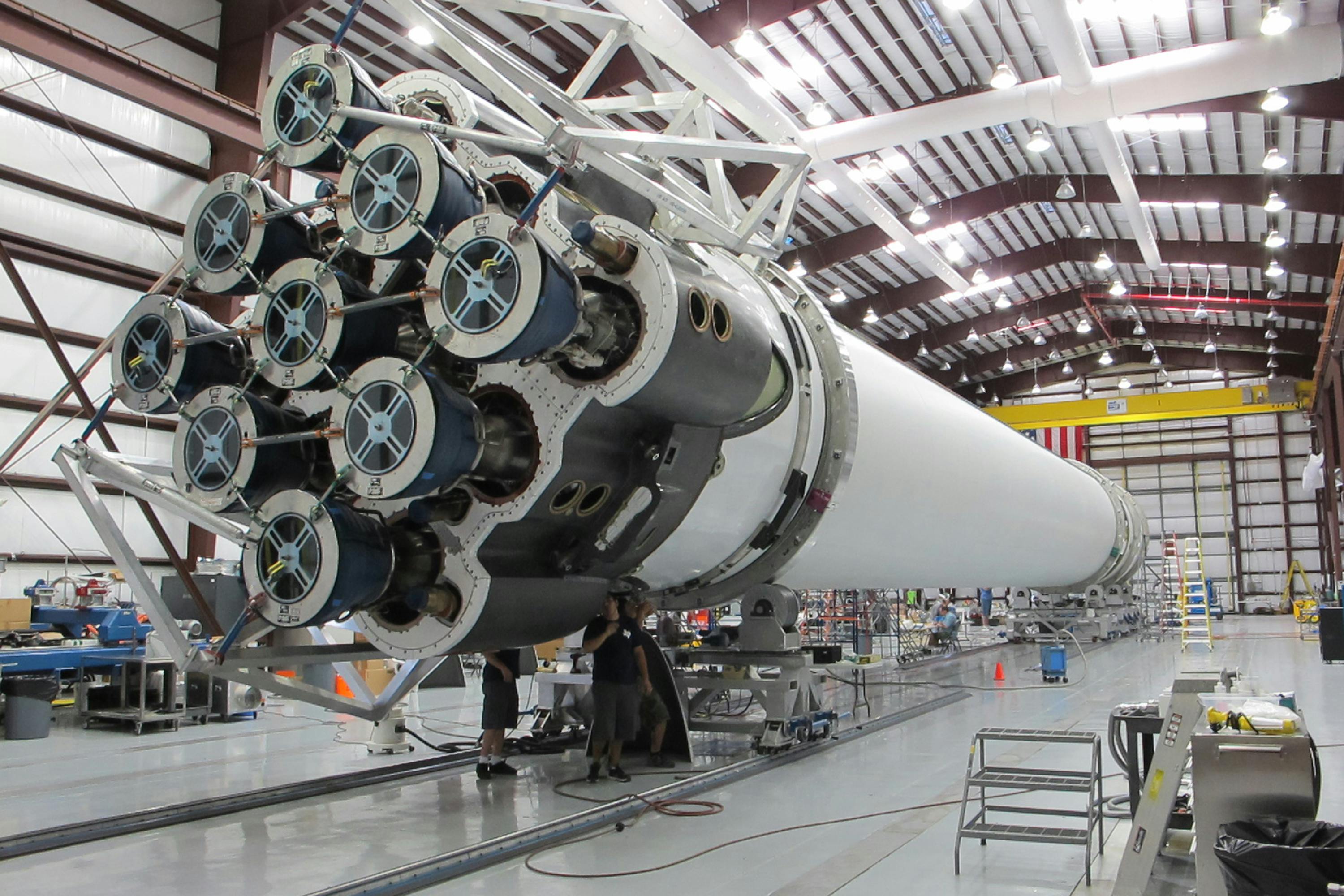
SpaceX prepares for the next Starship test flight with significant vehicle upgrades, launches UAE's Thuraya-4 satellite, and reflects on a record-breaking 2024 while planning for a promising 2025.

On May 4, 1989, Space Shuttle Atlantis lifted off from LC-39B carrying Magellan, NASA's first interplanetary mission since 1978. The eleven-year drought ended in a payload bay, and the radar that emerged would map ninety-eight percent of Venus through clouds that no camera could ever see through.