

X Report 9 Jan 2025
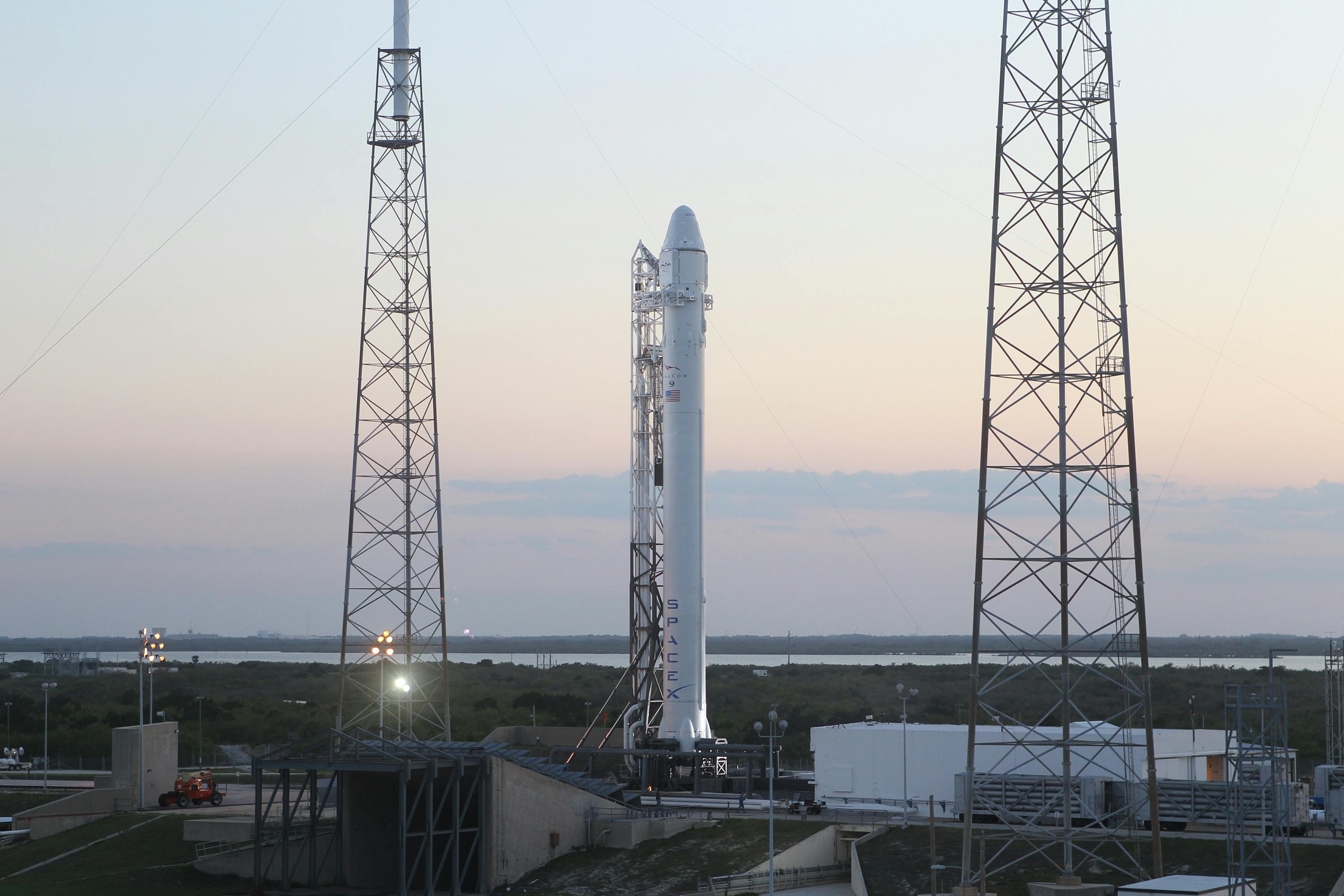
Exciting advancements from SpaceX as Starshield satellites prepare for launch, Starship Flight 7 faces a short delay, and new Starlink satellites enter orbit.


Launch Date
August 5, 1983
Launch Site
PLMSC
Launch Pad
LC43/4
Launch Vehicle
Soyuz-U
NORAD ID
14245
International Designator
1983-080A
Decay Date
8/19/1983
Name
COSMOS 1487
Alternative Name
Kosmos-1487
Type
Status
Owner
PRIR
Country
USSR
Constellation
N/A
Related Satellites
Major Events
N/A
Length
6.5
Diameter
2.4
Span
6.5
Dry Mass
2555
Launch Mass
2555
Shape
Sphere + DCone
Radar Cross Section
Unknown
Visual Magnitude
Unknown
Color
Unknown
Material Composition
Unknown
Payload
Resurs-F1-17F41 No. 15L
Purpose
Earth Observation (film return)
Mission
Earth Observation (film return)
Manufacturer
TSSKB
Life Expectancy
Unknown
Bus
Resurs-F1
Configuration
Vostok / Zenit Capsule
Motor
11D82M; S5.120 (maneuver module)
Equipment
Priroda-4 imaging system (2 x KFA-1000, 3 x KATE-200)
Power System
Batteries
ADCS
Unknown
Transmitter Frequency
Unknown
Learn more about satellites and other related topics.
Exciting advancements from SpaceX as Starshield satellites prepare for launch, Starship Flight 7 faces a short delay, and new Starlink satellites enter orbit.
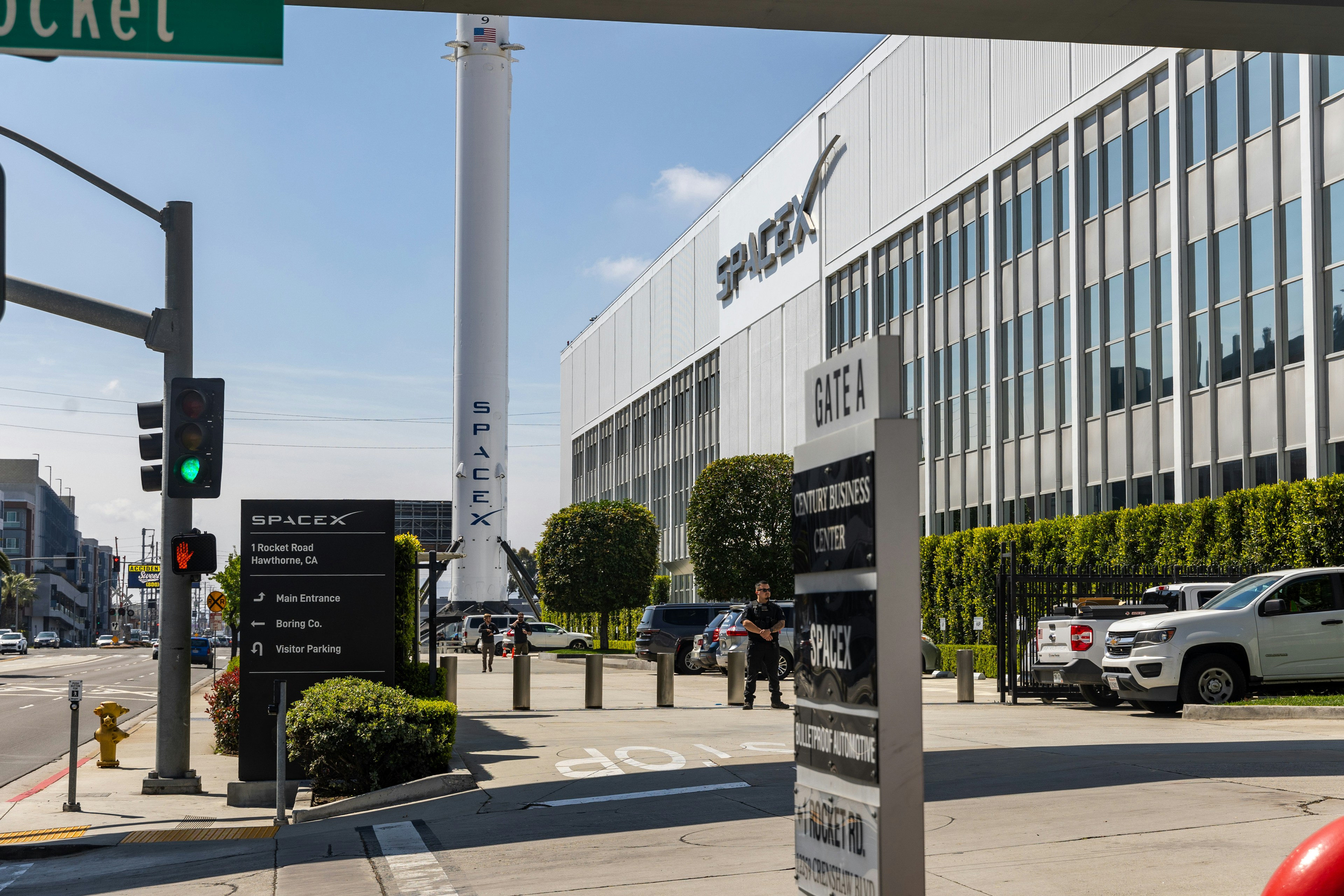
SpaceX sets a new reusability record and continues its busy launch schedule with multiple Starlink missions.
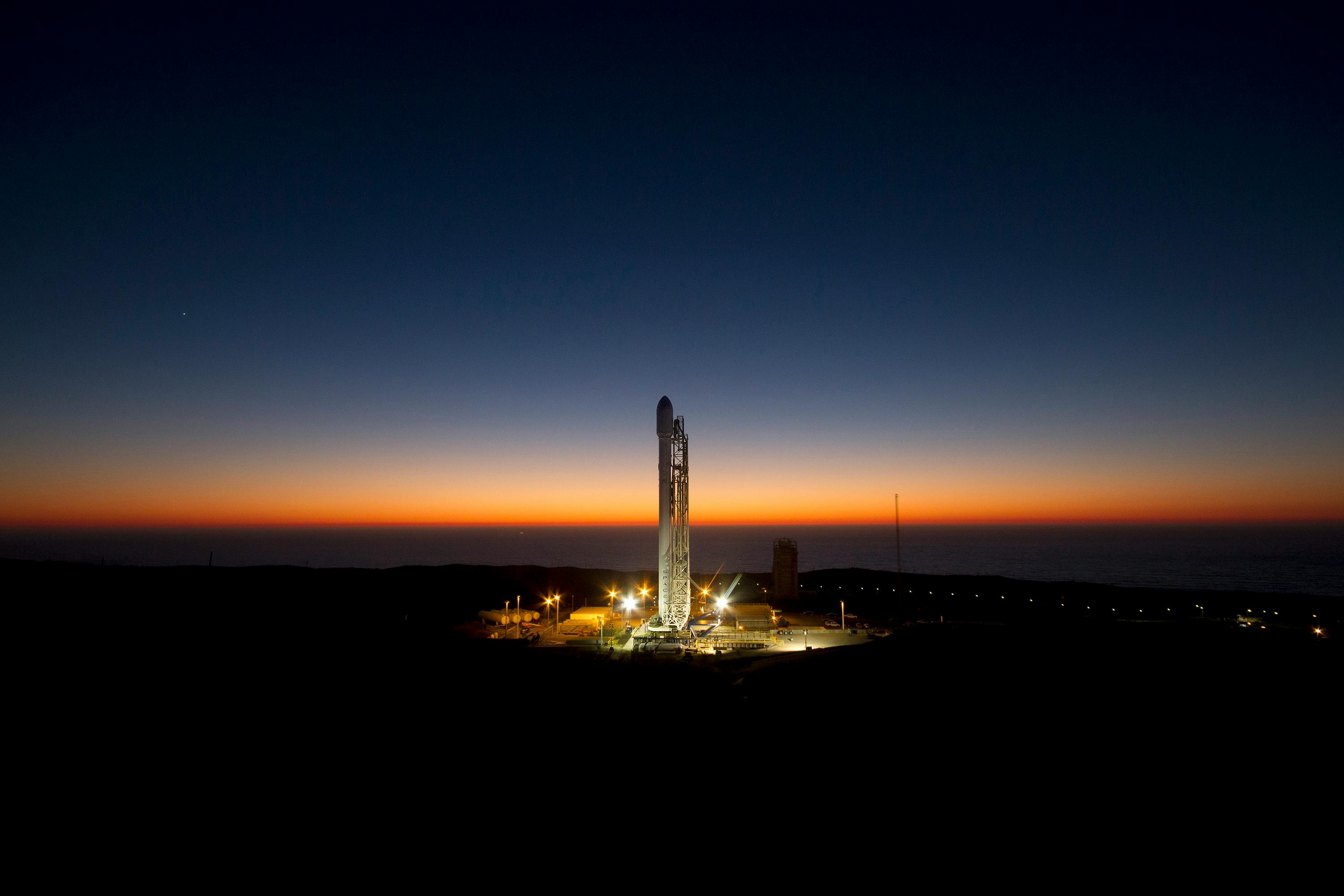
SpaceX's plans for the Transporter-15 mission are temporarily delayed as the Falcon 9 launch was scrubbed. The next launch attempt is now targeted for Friday, Nov. 28, with hopes of delivering 140 payloads into sun-synchronous orbit.
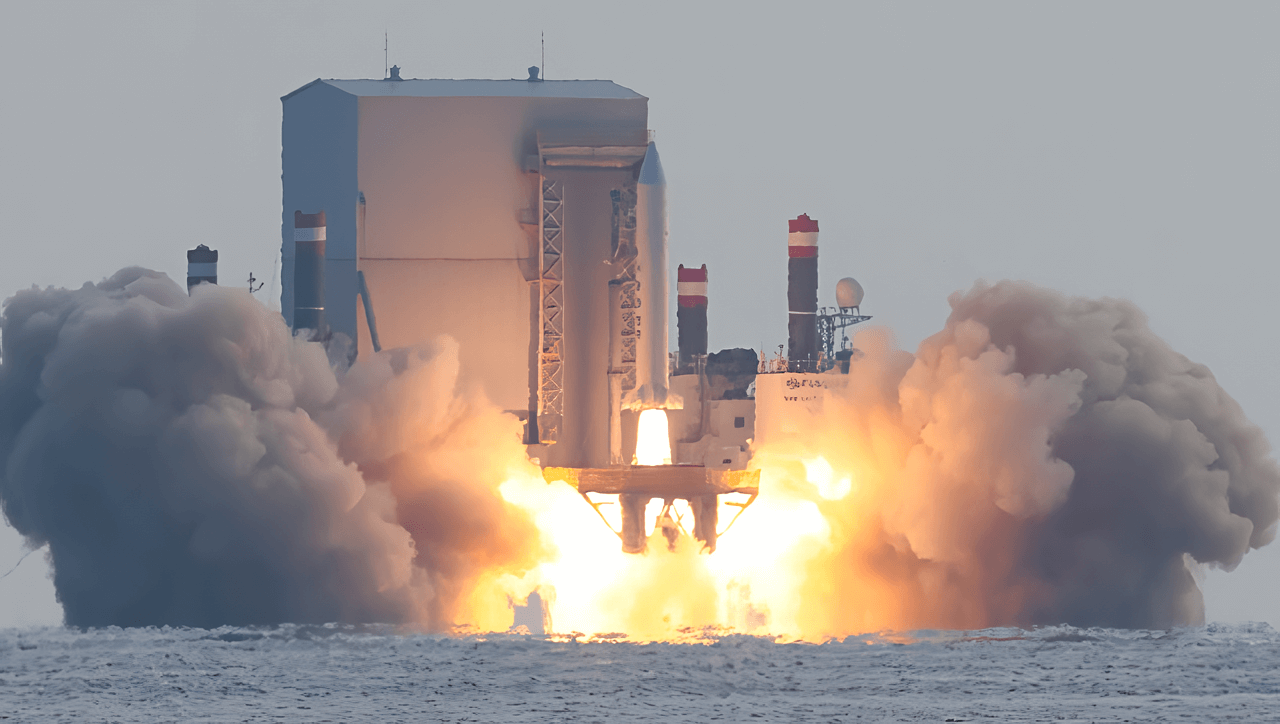
China formalized a national VLEO industry alliance with multiple satellites sustaining operations below 300 kilometers altitude. Propulsion startups attracting investment.

SpaceX launches Starlink while debuting on Nasdaq at $1.77 trillion valuation. Meanwhile, Senate FY2027 NDAA would dissolve SDA into Space Force, affecting Tranche constellation tracking.

SpaceX lands Falcon 9 in The Bahamas for the second time ever during Starlink 10-34 mission. Scientists measure rocket reentry air pollution in real-time for the first time.
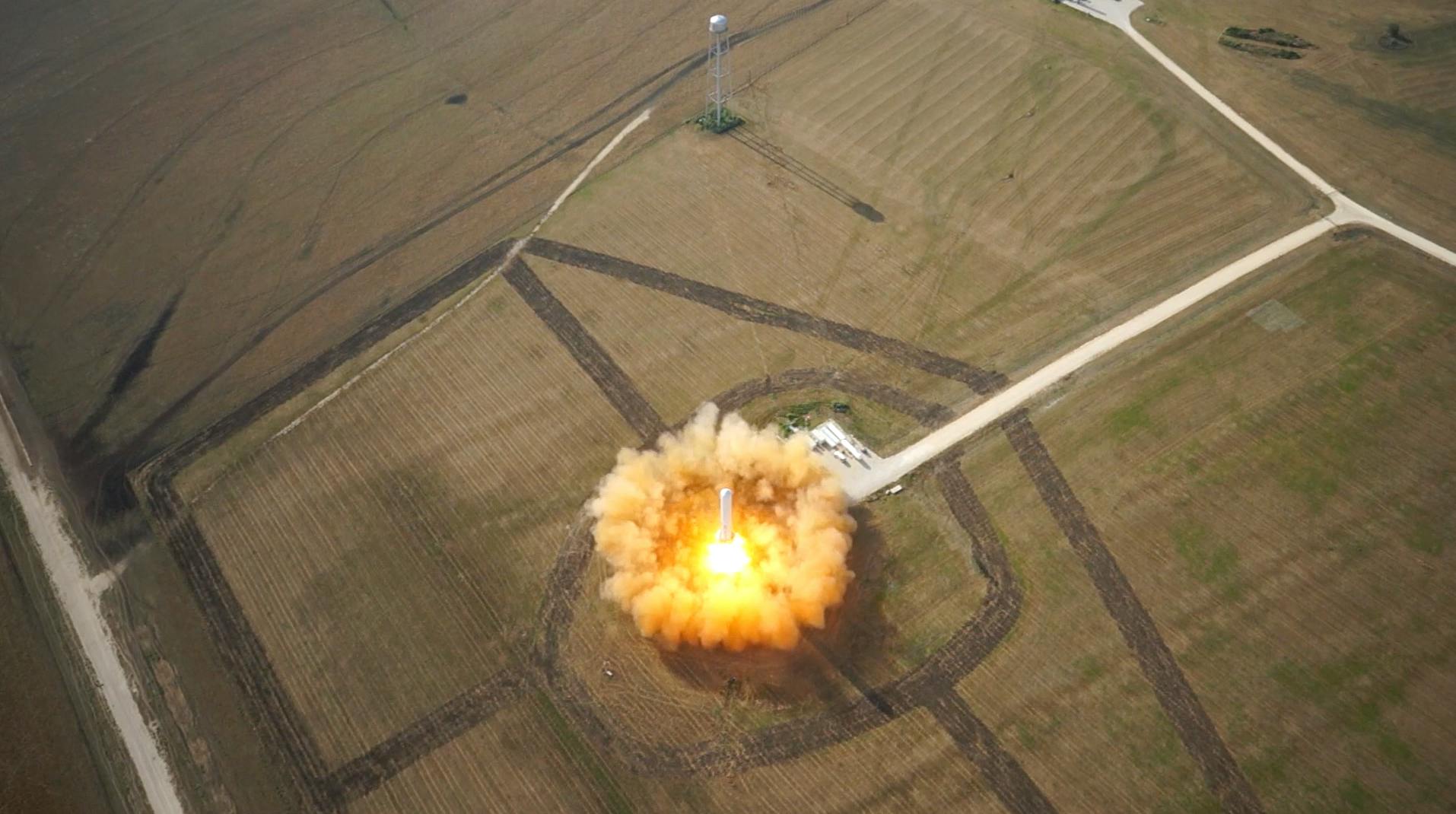
SpaceX achieves significant milestones with Starship and multiple launch missions, while Starlink connectivity expands through T-Mobile's beta program.

Blue Origin prepares for New Shepard flight, SpaceX completes second launch tower, Supreme Court ruling impacts space debris regulations, and updates on lunar habitats and NASA personnel. Plus, featuring CAPELLA-13 (ACADIA) as our Satellite of the Day.