


ESA's Proba-3 Formation-Flyer Goes Silent | KeepTrack Space Brief
ESA's Proba-3 spacecraft lost contact last month, grounding the dual-satellite solar eclipse mission. Formation flying between both craft is critical for coronagraph science.



Launch Date
July 24, 1983
Launch Site
Launch Pad
LC31
Launch Vehicle
Vostok 8A92M
NORAD ID
14229
International Designator
1983-075D
Epoch
Fri, 03 Jul 2026 22:52:37 GMT
Apogee
Calculating...
Perigee
Calculating...
Inclination
97.89°
Right Ascension
181.94°
Eccentricity
Calculating...
Argument of Perigee
272.52°
Period
95.35 min
Mean Motion
15.10 rev/day
Latitude
Calculating...
Longitude
Calculating...
Altitude
Calculating...
Velocity
Calculating...
Name
SL-3 DEB
Alternative Name
Kosmos-1484 part
Type
Status
Owner
GUKOS
Country
USSR
Constellation
N/A
Related Satellites
Major Events
N/A
1 14229U 83075D 26184.95320767 .00002927 00000-0 18231-3 0 9999
2 14229 97.8898 181.9387 0026019 272.5231 117.1235 15.10152019333965
Source: Celestrak
Length
0
Diameter
0
Span
0
Dry Mass
0
Launch Mass
0
Shape
N/A
Radar Cross Section
0.0425
Visual Magnitude
Unknown
Color
Unknown
Material Composition
Unknown
Payload
Kosmos-1484 high debris
Purpose
Unknown
Mission
Unknown
Manufacturer
Unknown
Life Expectancy
Unknown
Bus
Unknown
Configuration
Unknown
Motor
Unknown
Equipment
Unknown
Power System
Unknown
ADCS
Unknown
Transmitter Frequency
Unknown
Learn more about satellites and other related topics.
ESA's Proba-3 spacecraft lost contact last month, grounding the dual-satellite solar eclipse mission. Formation flying between both craft is critical for coronagraph science.
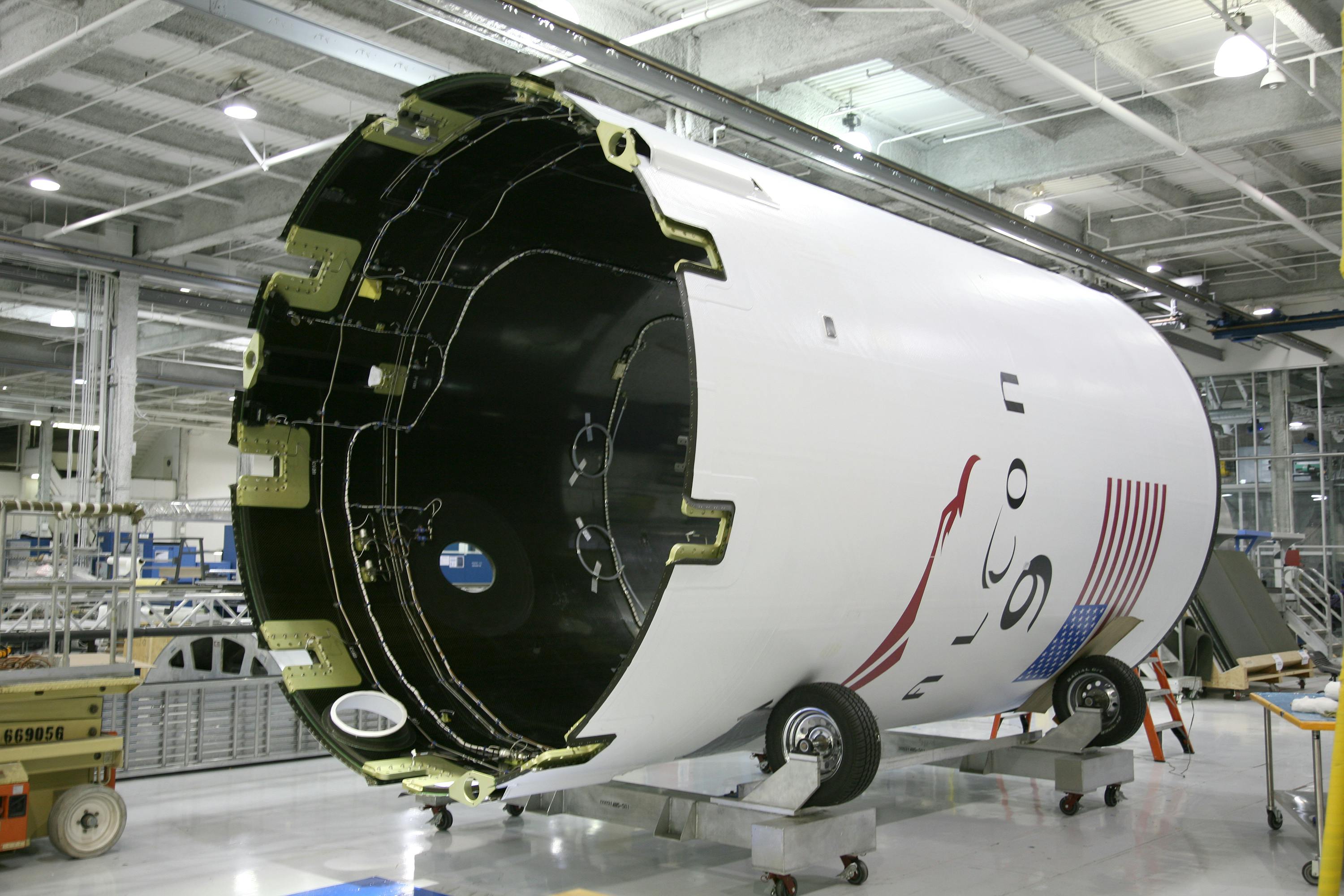
SpaceX flew a Falcon 9 booster for a record 35th time on July 10, deploying 29 Starlink satellites as direct-to-cell tech expands to pet collars.

Trump approaches Elon Musk about restoring Iran internet via Starlink during government blackout. SpaceX completes fifth launch of 2026 with 29 Starlink satellites from Cape Canaveral.
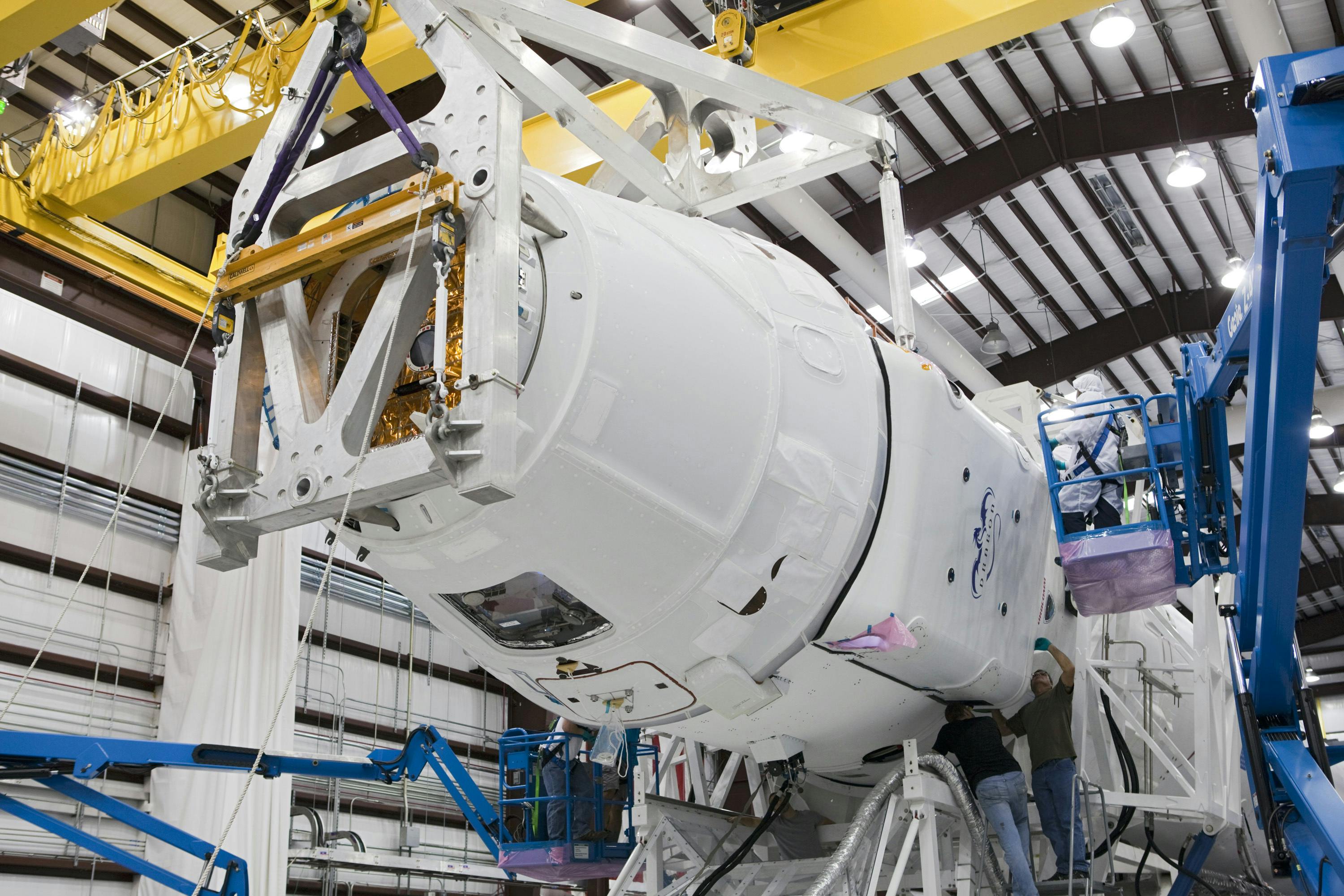
SpaceX impresses with the successful launch of 24 Starlink satellites and shares stunning visuals from the recent Starship Flight 10, which demonstrated remarkable landing precision.
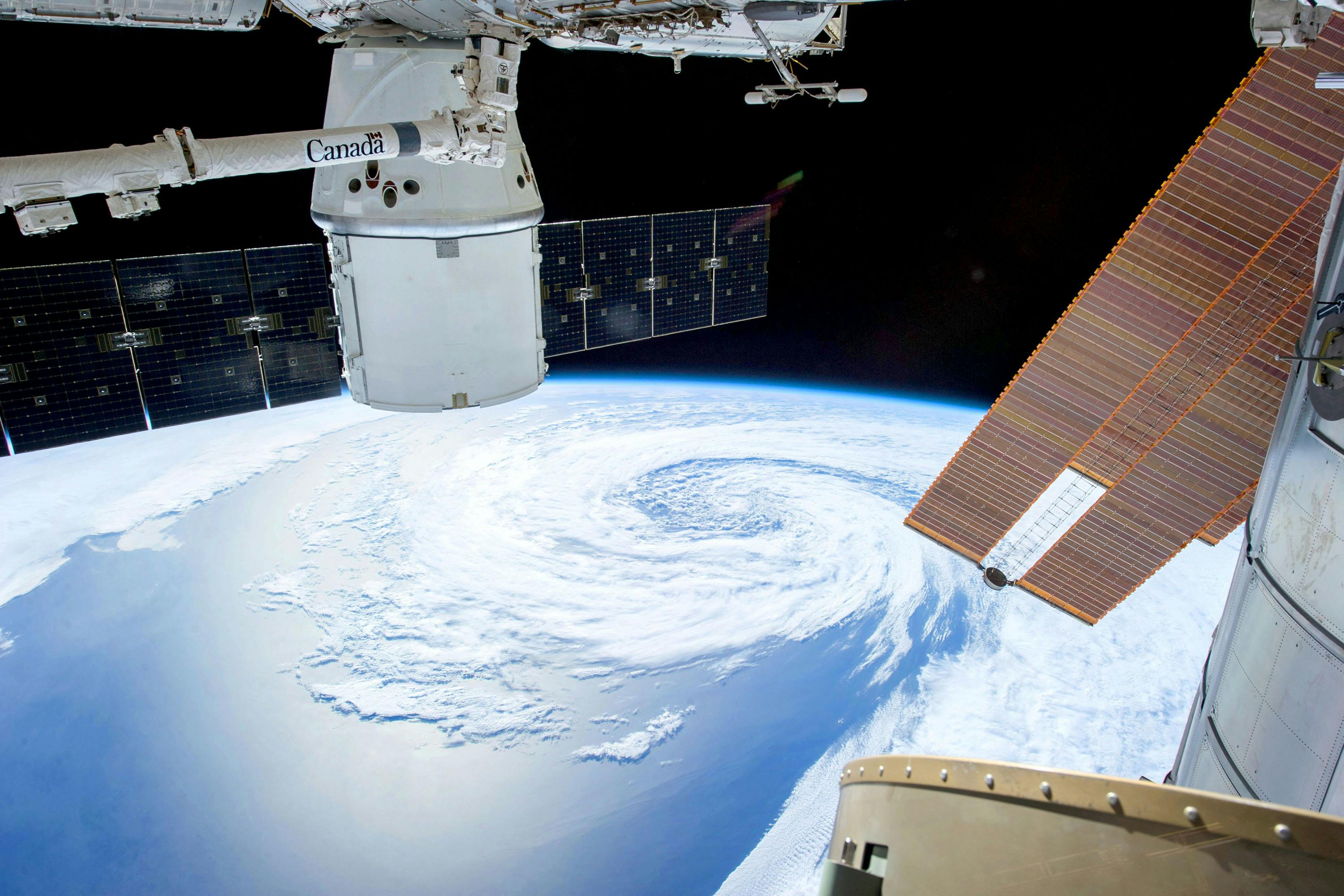
SpaceX marks another milestone and setback with Starship Flight 7, achieving a successful booster catch but losing the upper stage during ascent.
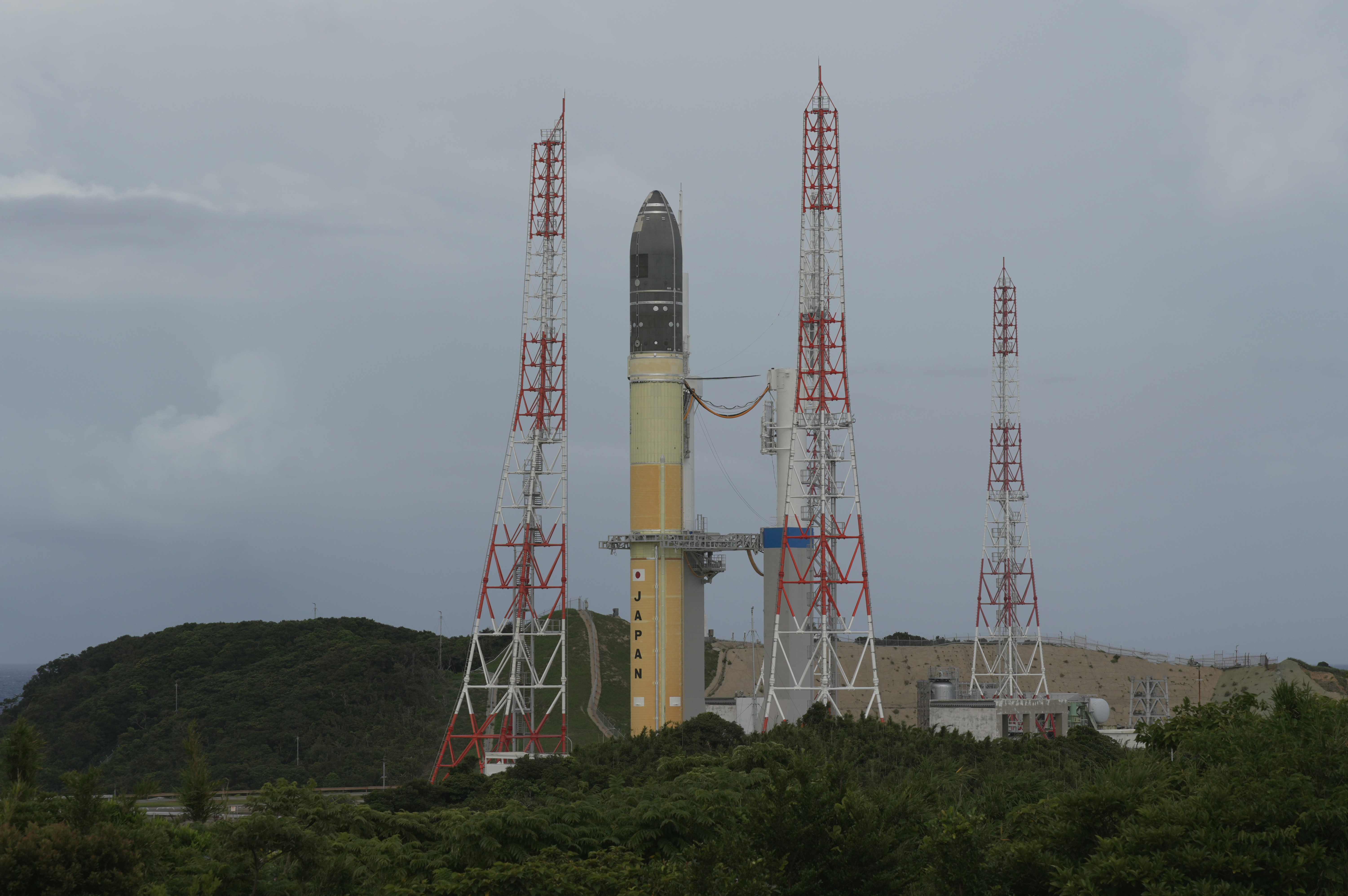
NASA demands Blue Origin find alternate launcher for Artemis moon landers after New Glenn test explosion damaged Cape Canaveral LC-36. Schedule risk to lunar missions.
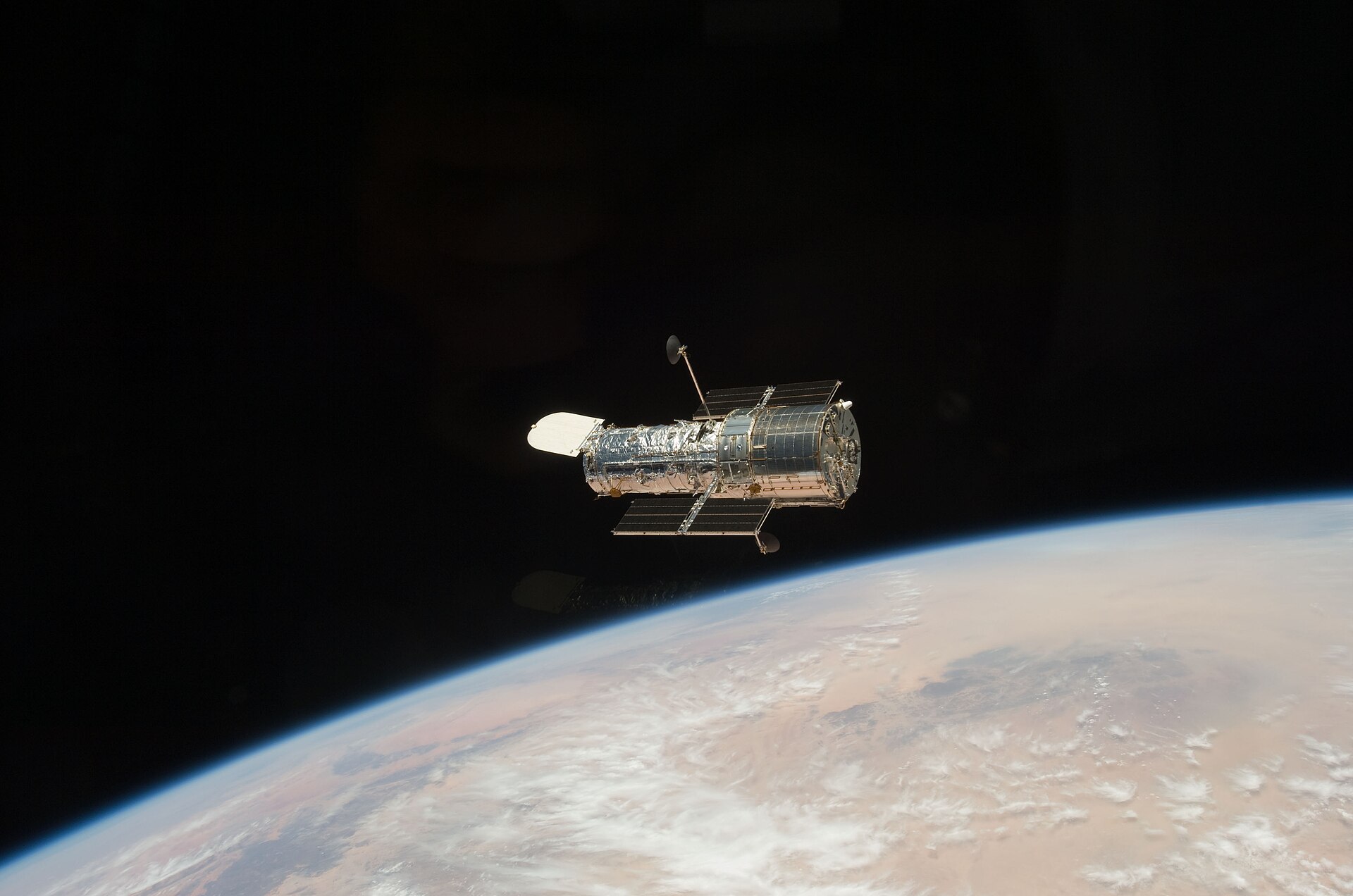
On April 25, 1990, the Space Shuttle Discovery's robotic arm lifted a 11,110-kilogram barrel of mirrors and instruments out of the payload bay and released it into orbit. Six weeks later, the first images came back badly out of focus. The Hubble Space Telescope had been ground to the wrong prescription, and America had just spent $2.5 billion on what the press was calling a 'technoturkey.'

Today's brief covers SpaceX's NROL-153 launch, US Space Force activities in Greenland, Starlink's record-breaking flight, and a OneWeb satellite glitch. Plus, our Satellite Spotlight shines on Duchifat-1.