


X Report 20 Jan 2025
SpaceX continues to push forward with its ambitious plans as the FAA investigates Starship debris reports, while Starlink maintains robust satellite operations.


Launch Date
July 24, 1983
Launch Site
Launch Pad
LC31
Launch Vehicle
Vostok 8A92M
NORAD ID
14207
International Designator
1983-075A
Decay Date
1/28/2013
Name
COSMOS 1484
Alternative Name
Kosmos-1484
Type
Status
Owner
PRIR
Country
USSR
Constellation
N/A
Related Satellites
Major Events
N/A
Length
4.5
Diameter
1.4
Span
11.6
Dry Mass
1500
Launch Mass
1500
Shape
Cyl + 2 Pan
Radar Cross Section
5.9653
Visual Magnitude
Unknown
Color
Unknown
Material Composition
Unknown
Payload
Resurs-OE No. 3-2
Purpose
Earth Observation
Mission
Earth Observation
Manufacturer
VNIEM
Life Expectancy
Unknown
Bus
Resurs-O
Configuration
SP-1 bus
Motor
Unknown
Equipment
Unknown
Power System
2 deployable solar arrays, batteries
ADCS
Unknown
Transmitter Frequency
Unknown
Learn more about satellites and other related topics.
SpaceX continues to push forward with its ambitious plans as the FAA investigates Starship debris reports, while Starlink maintains robust satellite operations.
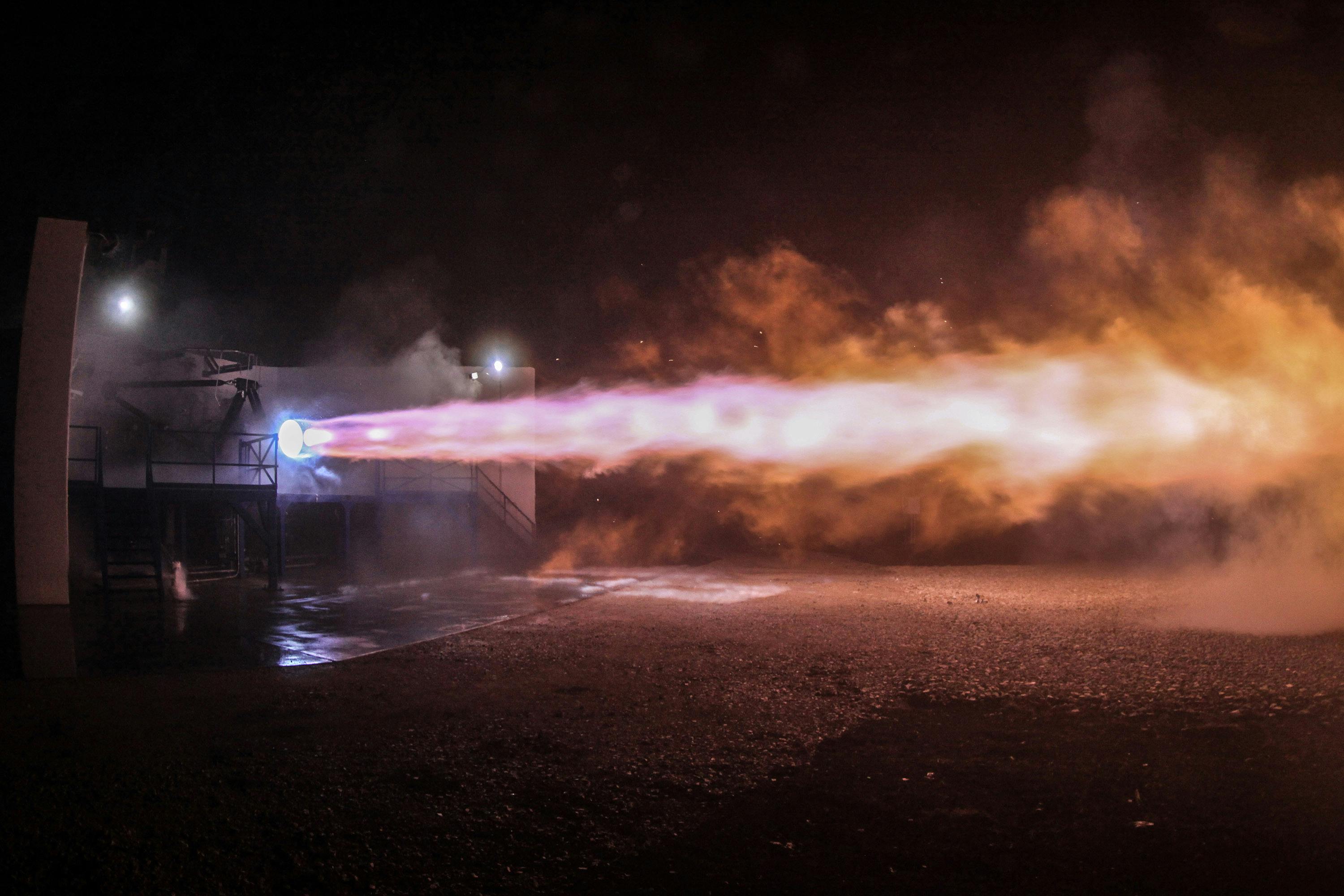
U.S. Space Force's Europe operations amidst Ukraine conflict, Maxar's new partnership, integration of military and commercial tech, and the Pentagon's new AI initiatives shape today's space discourse.

Today's Space Brief covers potential changes in the procurement strategies for the Space Force, developments in missile detection technology, and budgetary impacts on space programs.
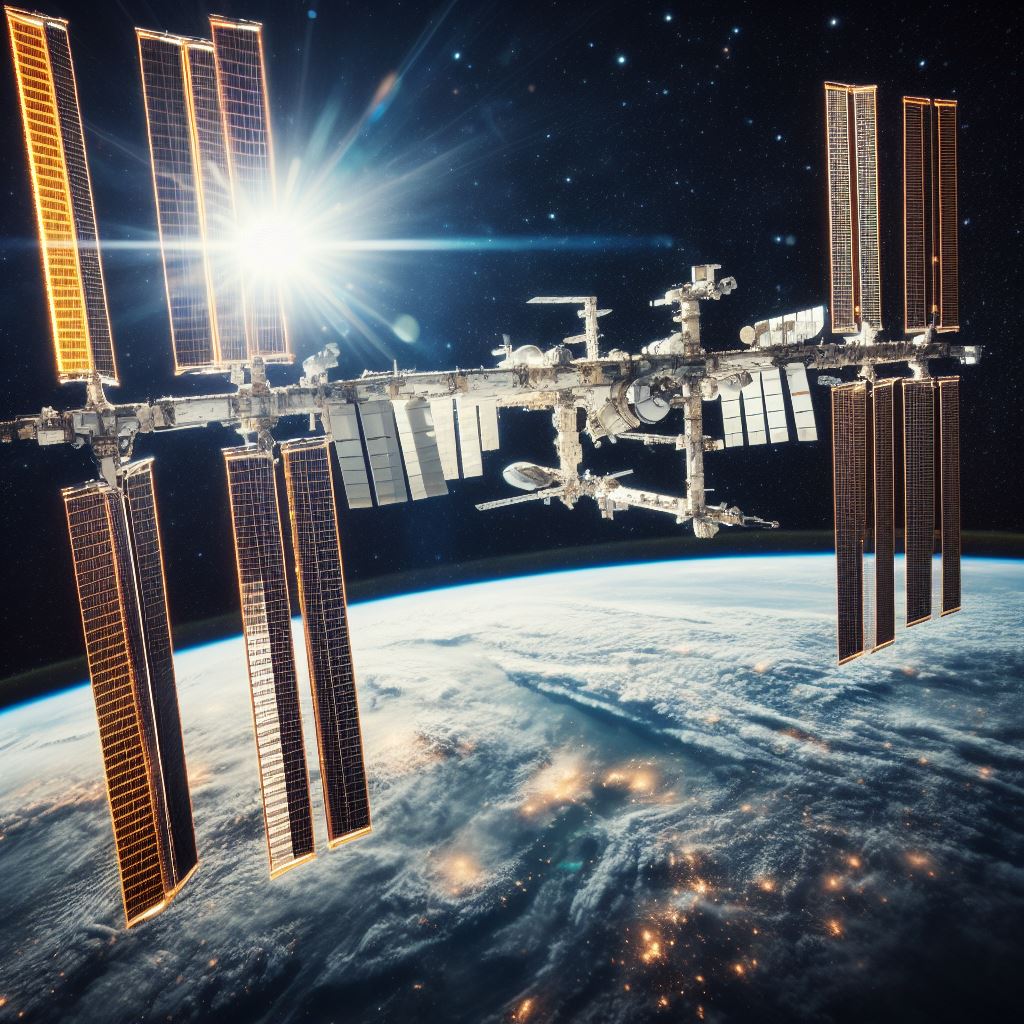
Let's look at the legacy of space exploration with the 10 most iconic satellites still orbiting Earth.

Today's brief covers the latest in satellite launches, military implications in space funding, and notable reentry delays.
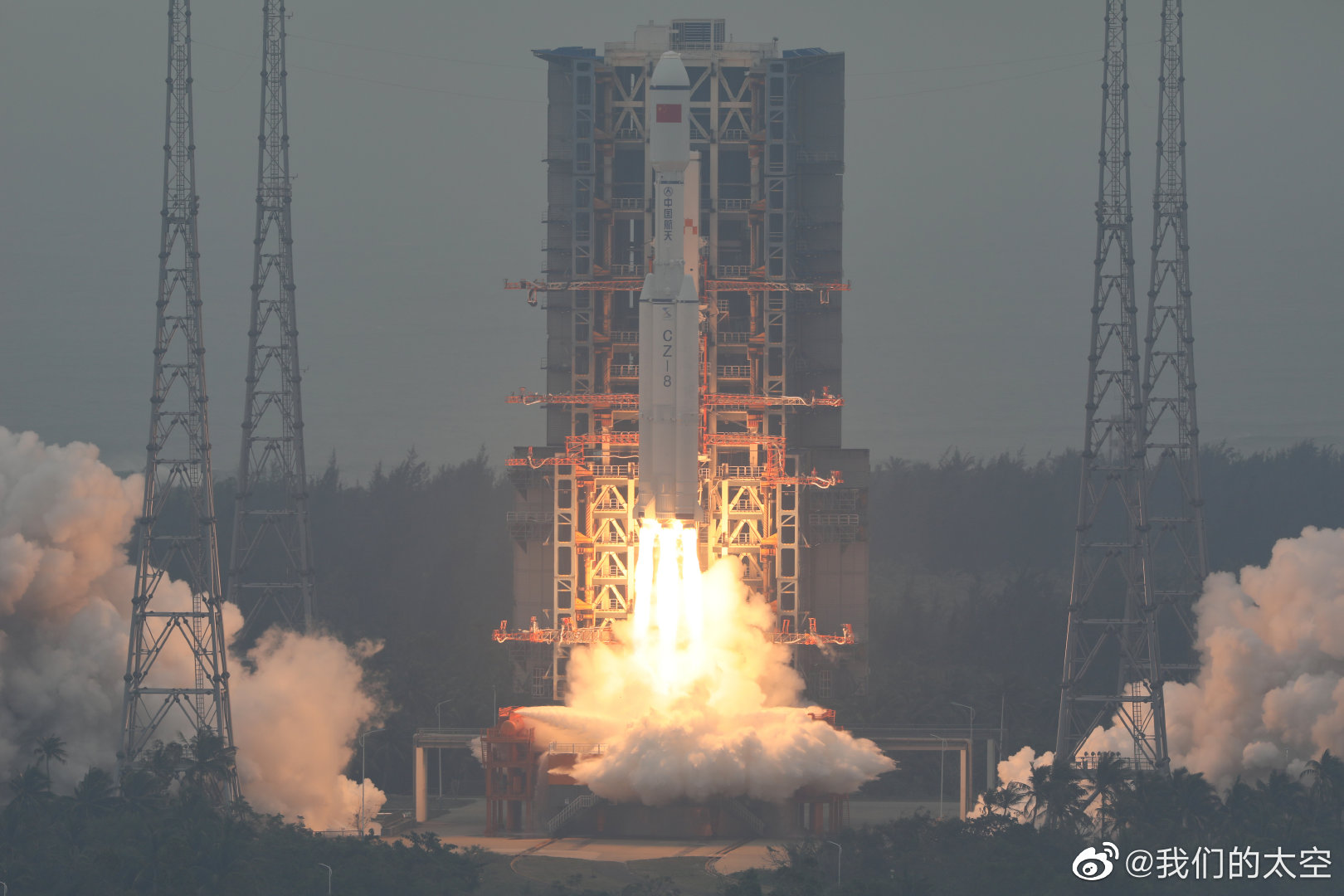
In today's brief: high-profile personnel changes in the Space Force, the inclusion of Space Force in historical political events, and strategic shifts in defense highlighted with a focus on satellite applications.
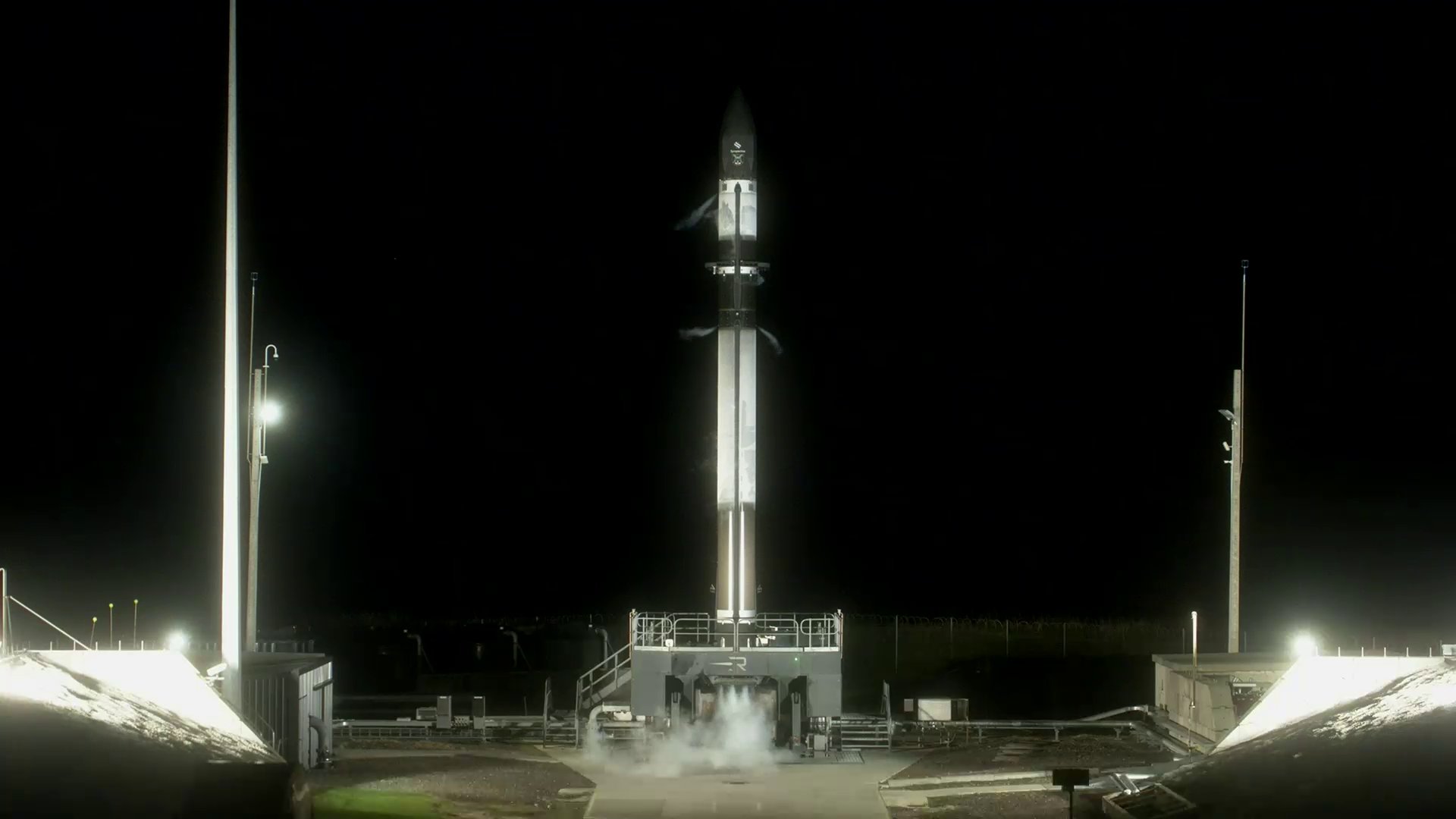
Space Force confirms plan to double active-duty Guardians by 2030, targeting faster response to satellite anomalies and adversary maneuvers in space domain awareness operations.

Falcon Heavy flew for the first time in eighteen months on April 29, 2026, expending its center core to push Viasat's final ViaSat-3 satellite toward geostationary orbit. The mission is a flagship rocket doing what only it can still do, for an operator betting six tons of high-throughput hardware on a market Starlink is rapidly redefining.