


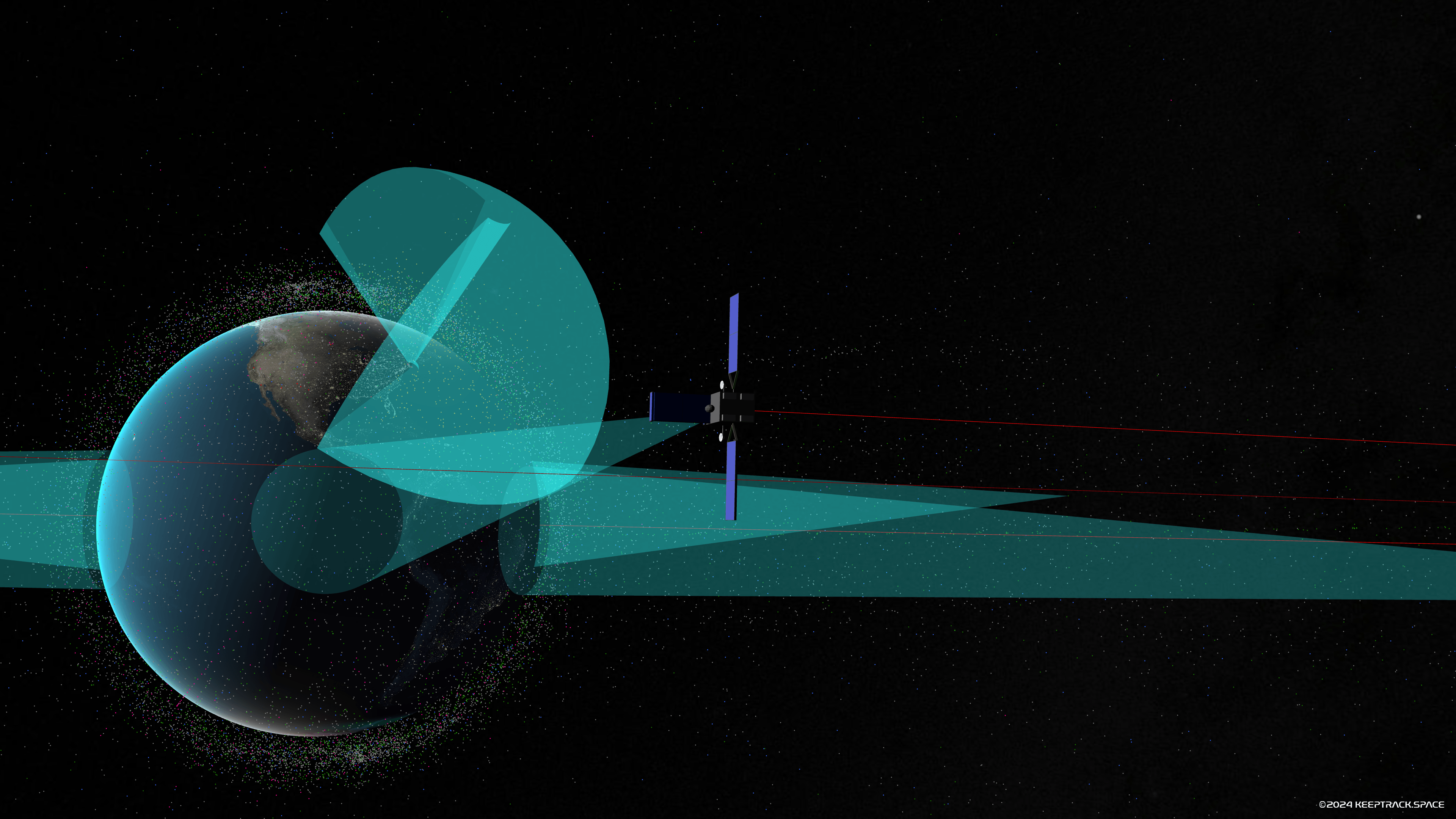
Version 10.0.0 Release Notes
The latest update introduces 3D satellite FOV cones, advanced sensor capabilities, and enhanced timelines, improving the way users interact with satellite data.


Launch Date
July 6, 1983
Launch Site
PLMSC
Launch Pad
LC132/2
Launch Vehicle
Kosmos 11K65M
NORAD ID
14171
International Designator
1983-069A
Epoch
Fri, 03 Jul 2026 19:45:47 GMT
Apogee
Calculating...
Perigee
Calculating...
Inclination
74.03°
Right Ascension
326.76°
Eccentricity
Calculating...
Argument of Perigee
227.92°
Period
114.40 min
Mean Motion
12.59 rev/day
Latitude
Calculating...
Longitude
Calculating...
Altitude
Calculating...
Velocity
Calculating...
Name
COSMOS 1473
Alternative Name
Kosmos-1473
Type
Status
Owner
GUKOS
Country
USSR
Constellation
N/A
Related Satellites
Major Events
N/A
1 14171U 83069A 26184.82347002 -.00000011 00000-0 34704-4 0 9992
2 14171 74.0274 326.7581 0044030 227.9247 286.3189 12.58767474975623
Source: Celestrak
Length
0.8
Diameter
0.8
Span
0.8
Dry Mass
60
Launch Mass
60
Shape
Poly
Radar Cross Section
0.684
Visual Magnitude
Unknown
Color
Unknown
Material Composition
Unknown
Payload
Strela-1M Blok 34 No. 1
Purpose
Military Communication
Mission
Military Communication
Manufacturer
NPOPM
Life Expectancy
6 months
Bus
Strela-1 11F625
Configuration
Unknown
Motor
Unknown
Equipment
Unknown
Power System
Solar cells, batteries
ADCS
Unknown
Transmitter Frequency
Unknown
Learn more about satellites and other related topics.
The latest update introduces 3D satellite FOV cones, advanced sensor capabilities, and enhanced timelines, improving the way users interact with satellite data.
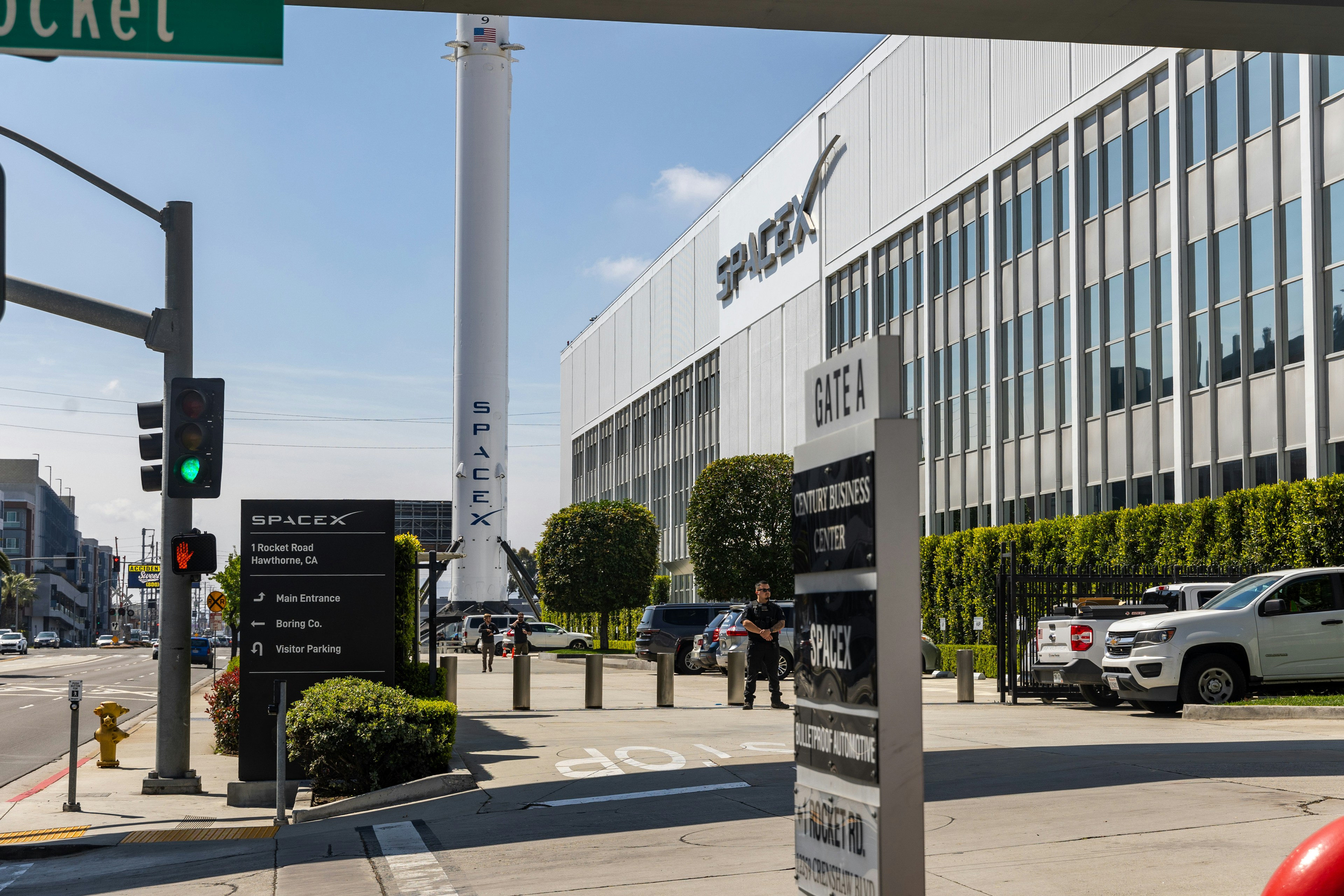
Starlink direct-to-device competition unites AT&T, Verizon, and T-Mobile for the first time as SpaceX's 10,354 working satellites reshape mobile coverage.
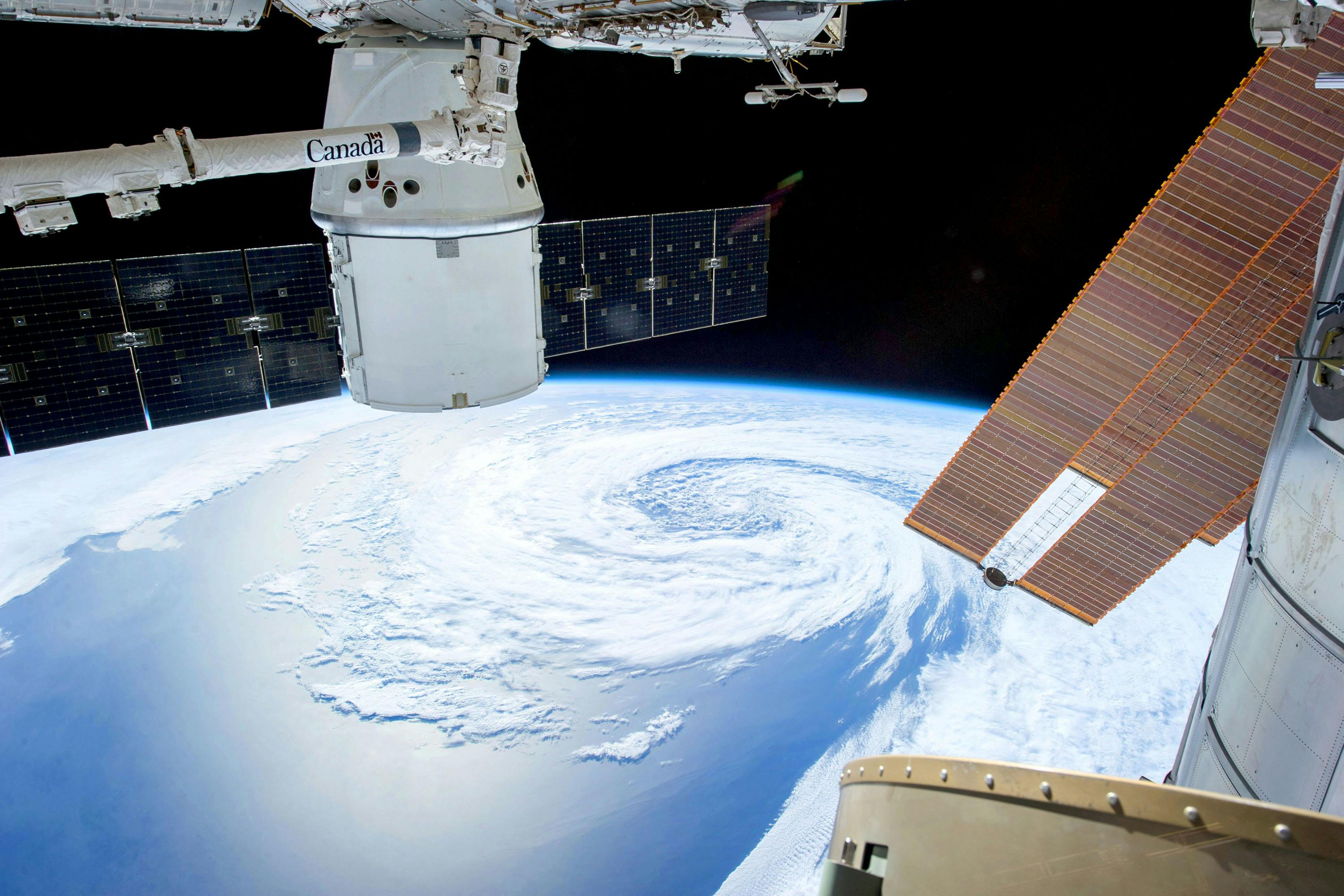
SpaceX successfully launched 28 Starlink satellites from Florida, marking another milestone for their ongoing deployment efforts.

Space Force scraps SDA transport layer, requests $1.6 billion for proliferated LEO SATCOM constellation. Roger Mason nominated to lead NRO.
Pentagon chief Pete Hegseth tours Rocket Lab for Arsenal of Freedom strategy. Space Force accelerates 2026 acquisitions including GPS and tactical comms. Rhea Space wins $1.9M optical nav contract.

For nearly two decades, the U.S. Air Force and Space Force have been the world's unofficial civilian space traffic control system. The Department of Commerce's Traffic Coordination System for Space (TraCSS) is now taking over that job for commercial satellite operators - in stages, against persistent congressional pressure to kill the program, and with Department of Defense advocates pushing to make it happen before it is too late.
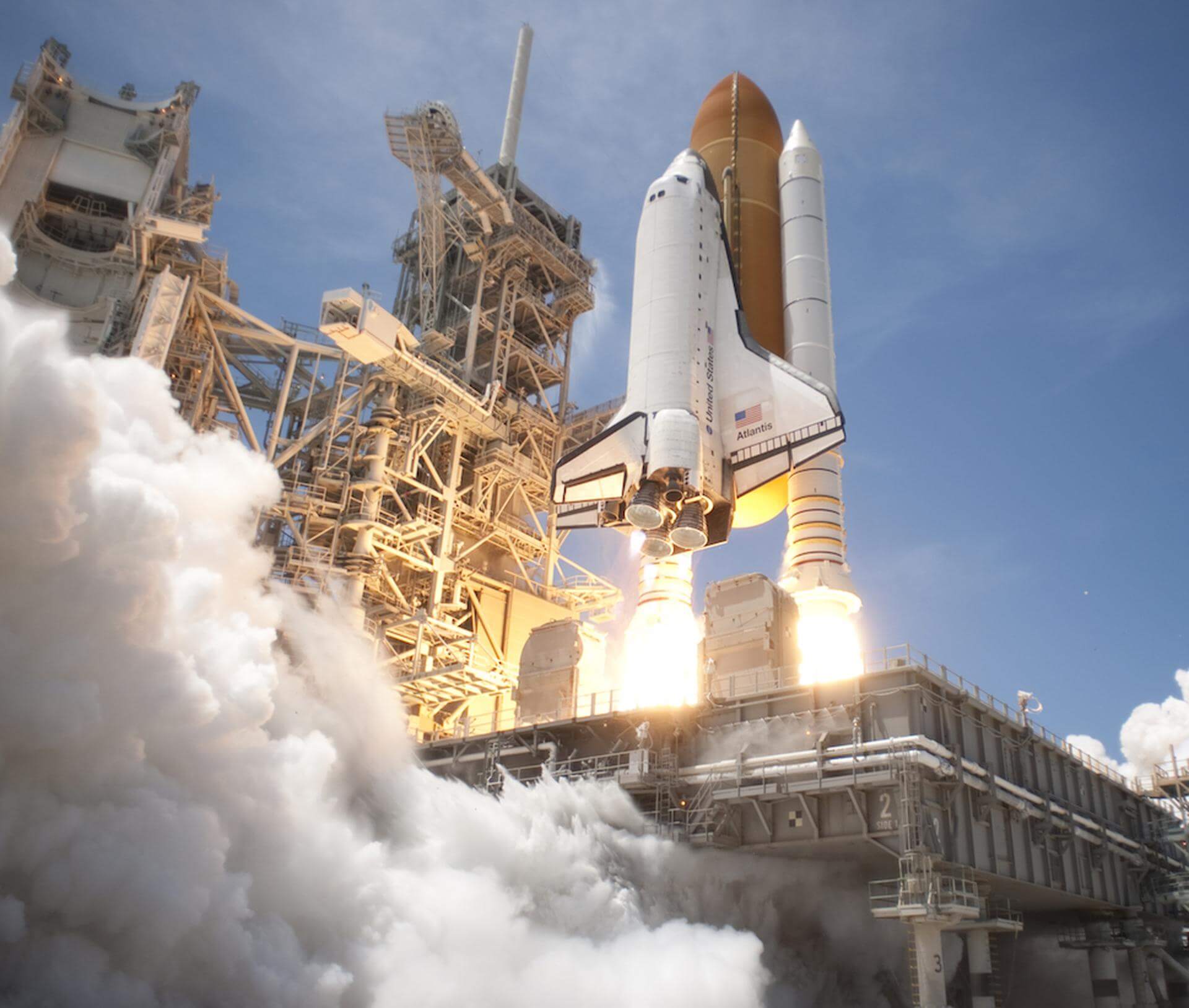
Artemis II crew surpassed Apollo 13's distance record during April 6 lunar flyby. Orion carried 4 astronauts—including Canadian Jeremy Hansen—farther from Earth than any humans.

SpaceX gears up for multiple significant missions while managing a Crew Dragon delay. Vast Space partners with SpaceX for ISS missions, and Lunar landers prepare for lift-offs.