

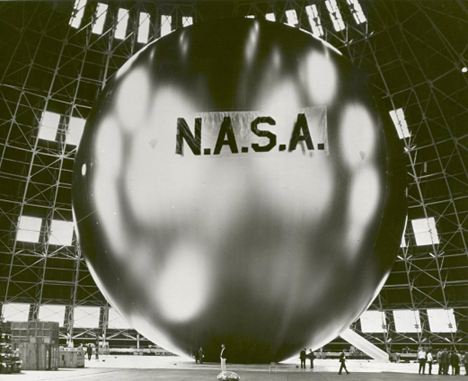
The Day a Giant Space Balloon United the Cold War
When a 135-foot inflatable mirror bounced a radio signal from England to Russia, it became the first joint US-Soviet space venture - and changed how we think about satellite communication.


Launch Date
July 1, 1983
Launch Site
Launch Pad
LC31
Launch Vehicle
Molniya 8K78M
NORAD ID
14163
International Designator
1983-067A
Decay Date
Unknown
Name
PROGNOZ 9
Alternative Name
Prognoz-9
Type
Status
Owner
IKI/BABTS
Country
USSR
Constellation
N/A
Related Satellites
Major Events
N/A
Length
0.9
Diameter
2
Span
6
Dry Mass
1060
Launch Mass
1060
Shape
Cyl + 4 Pan
Radar Cross Section
Unknown
Visual Magnitude
Unknown
Color
Unknown
Material Composition
Unknown
Payload
SO-M No. 509
Purpose
Science, magnetosphere
Mission
Science, magnetosphere
Manufacturer
NPOL
Life Expectancy
Unknown
Bus
SO-M
Configuration
Unknown
Motor
Unknown
Equipment
Unknown
Power System
4 deployable fixed solar arrays, batteries
ADCS
Unknown
Transmitter Frequency
Unknown
Learn more about satellites and other related topics.
When a 135-foot inflatable mirror bounced a radio signal from England to Russia, it became the first joint US-Soviet space venture - and changed how we think about satellite communication.
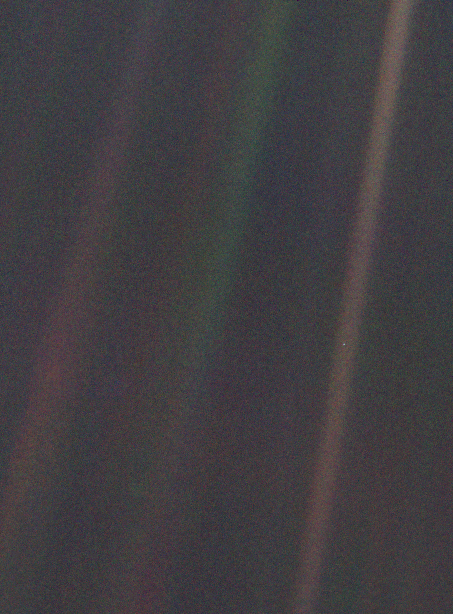
Thirty-five years ago, Voyager 1 captured a revolutionary series of images from the edge of our solar system, forever changing how humanity sees its place in the cosmos
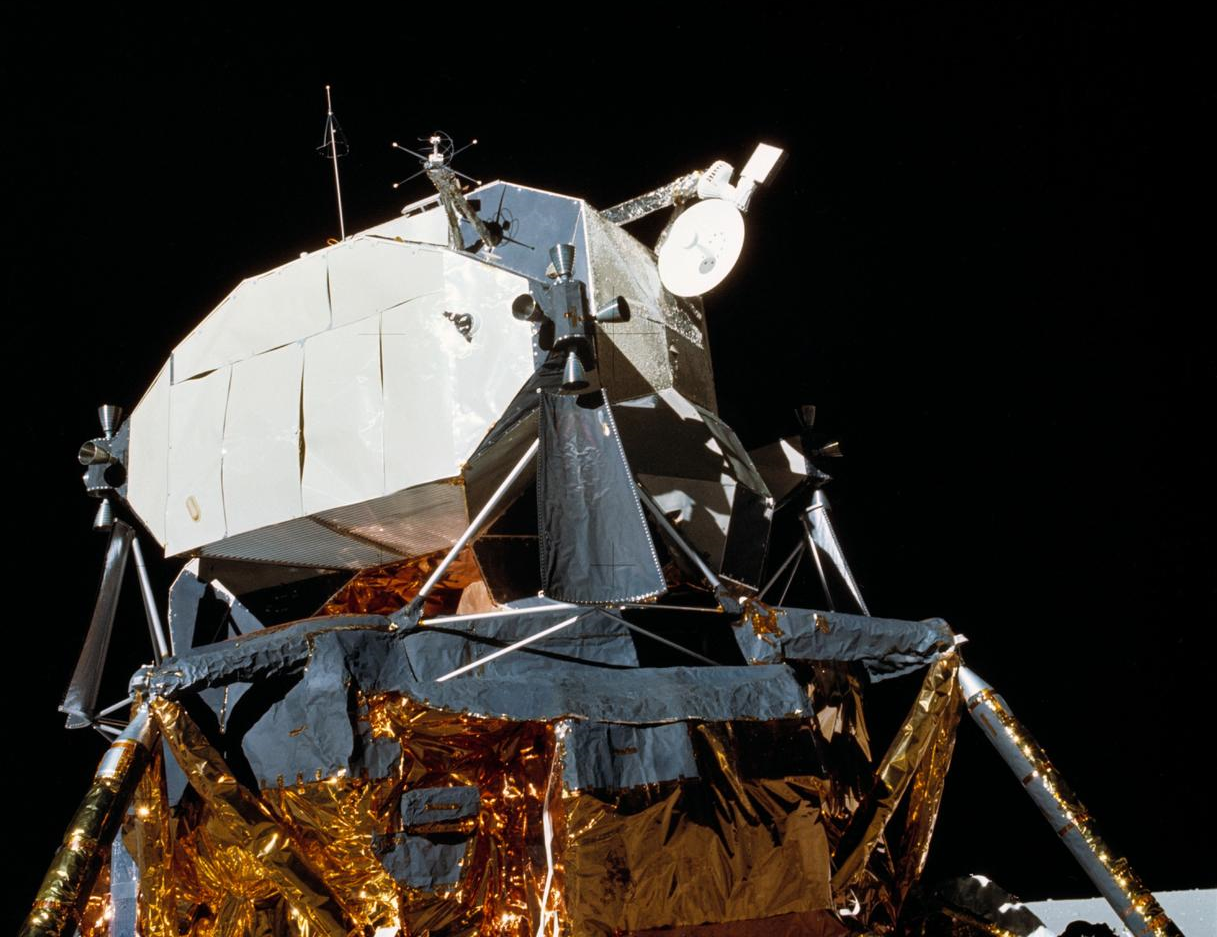
Six hours behind schedule, with a backup engine system shuddering in lunar orbit and mission controllers in Houston running out of options, Apollo 16 came within one meeting of being sent home without landing. The problem was a wobble in a gimbal. The solution was math done under pressure.

SpaceX successfully launched 28 Starlink satellites on October 7, further expanding its broadband constellation while hosting an active launch schedule this week.
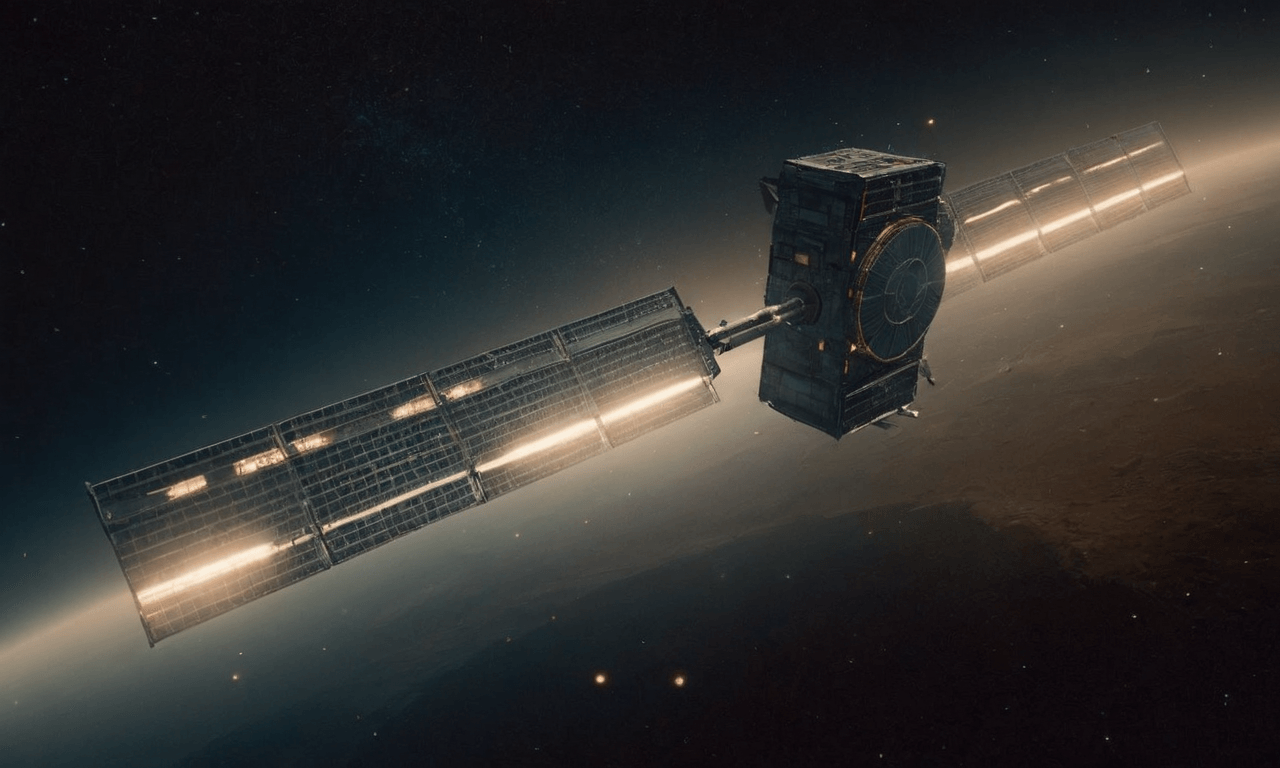
Today's Space Brief covers Rocket Lab's IoT satellite launch, SpaceX's European Galileo satellites, FAA's fine on SpaceX, Polaris Dawn mission achievements, and more.
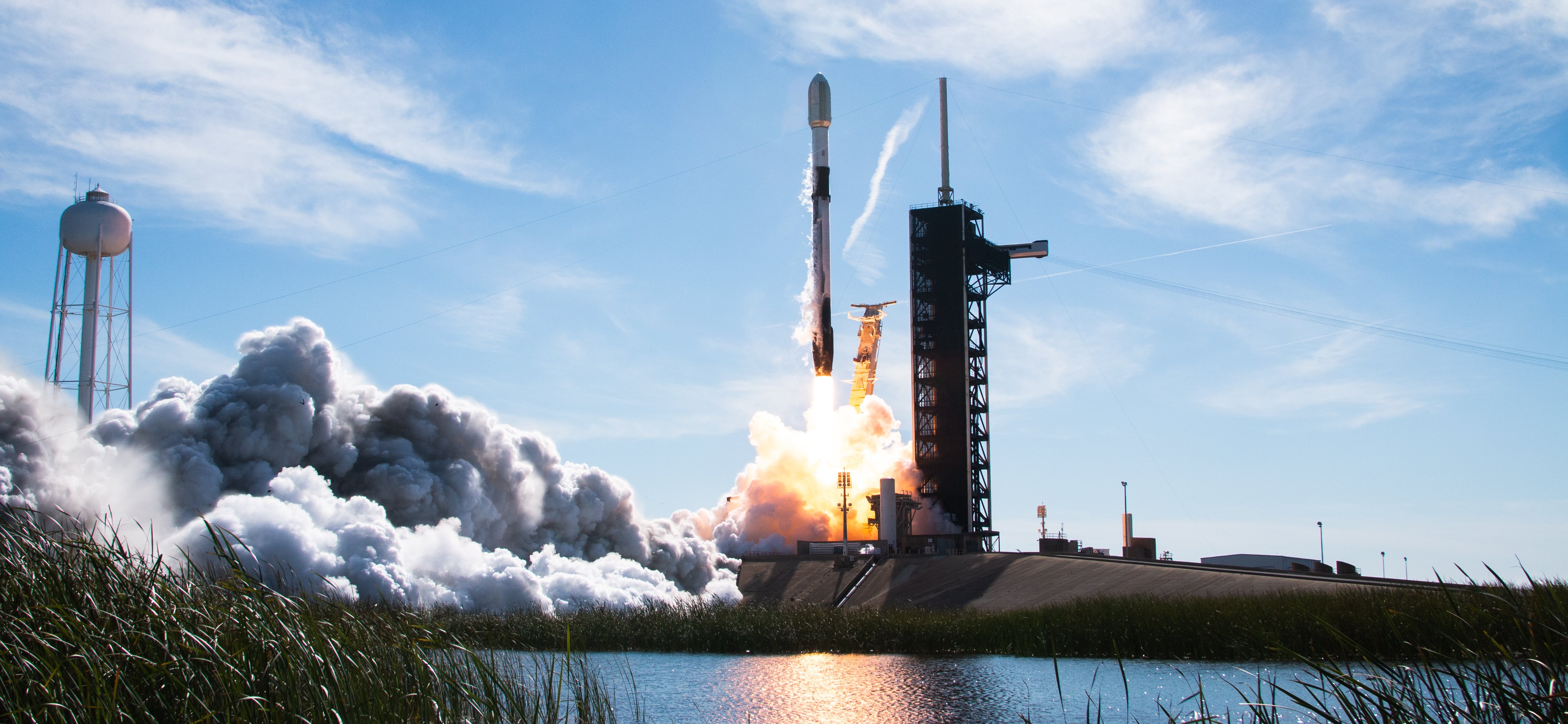
Today's highlights include China's lunar collaboration with Russia, new insights from Magellan's Venus mission, and stunning 8K images of the sun.
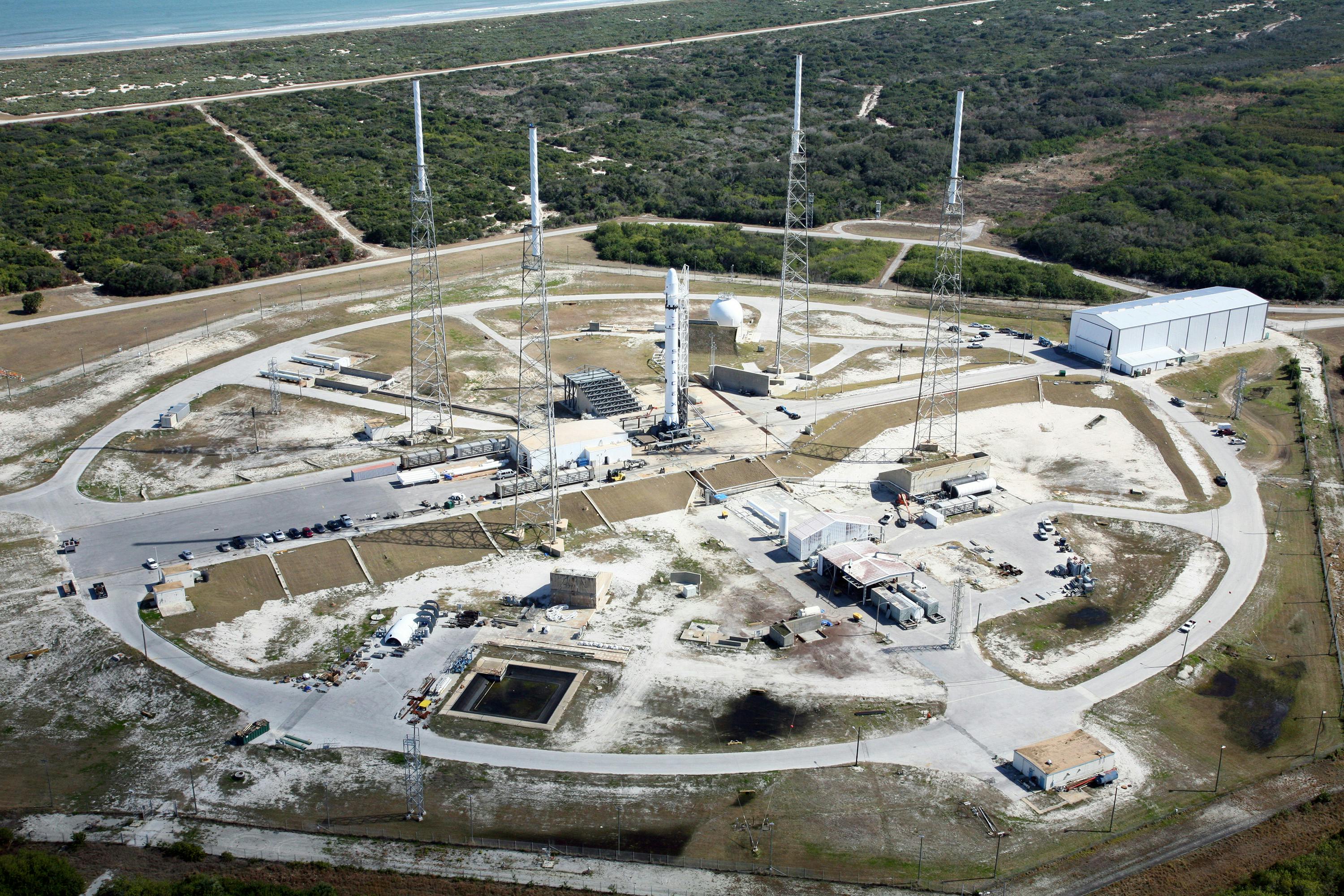
SpaceX successfully launched 29 new Starlink satellites today, further expanding its satellite internet constellation amidst growing competition in the space broadband market.
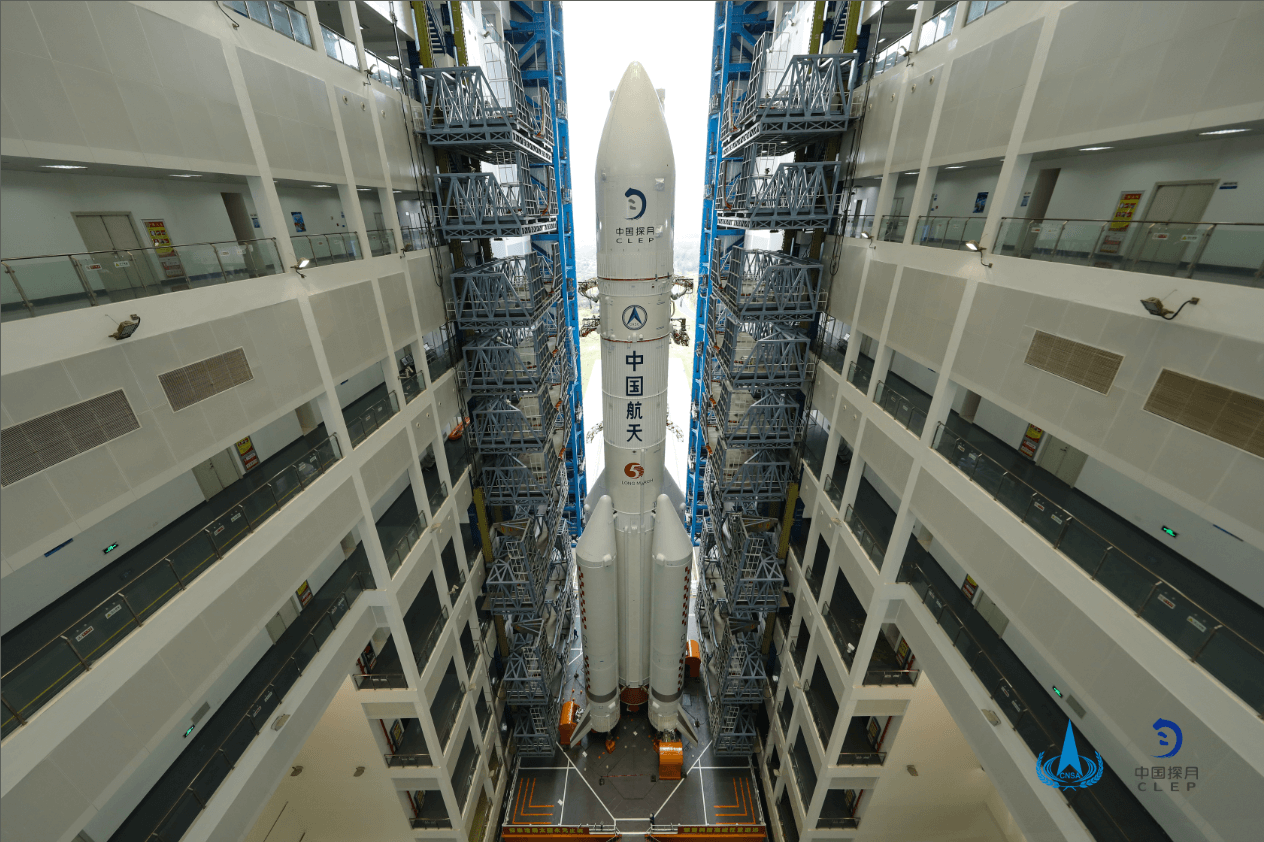
NASA concludes MAVEN mission after six months attempting to restore contact with Mars probe. Meanwhile, Falcon 9 booster flies record 35th flight on Starlink 10-35 mission.