


Falcon 9 Booster B1067 Flies Record 35th Time | KeepTrack X Report
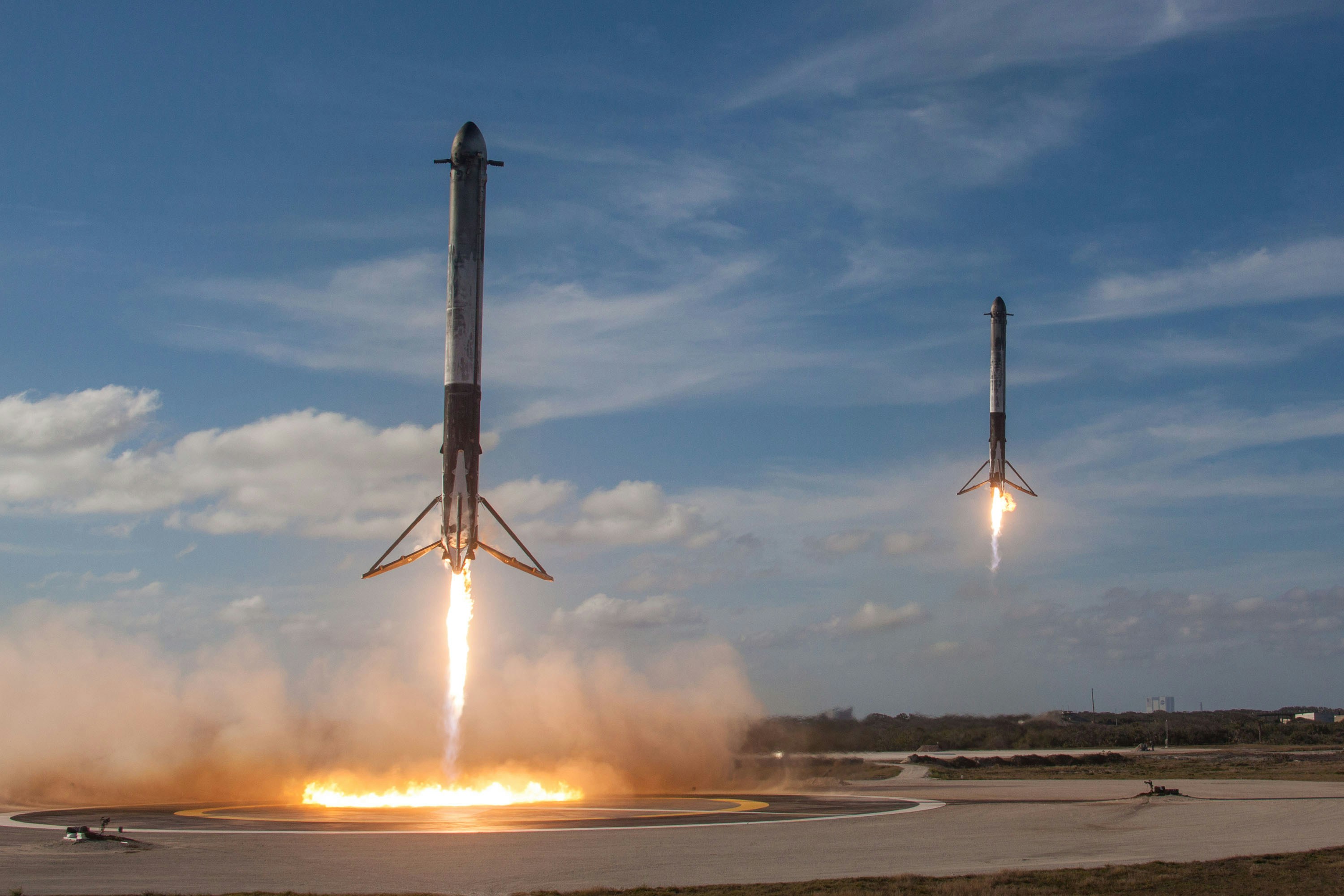
Booster B1067 set a Falcon 9 reuse record on its 35th flight, lofting 29 Starlink satellites as SpaceX eyes three more launches this week.


Launch Date
June 9, 1983
Launch Site
AFWTR
Launch Pad
SLC3E
Launch Vehicle
Atlas H
NORAD ID
14143
International Designator
1983-056C
Epoch
Fri, 03 Jul 2026 18:31:04 GMT
Apogee
Calculating...
Perigee
Calculating...
Inclination
63.31°
Right Ascension
208.59°
Eccentricity
Calculating...
Argument of Perigee
131.94°
Period
104.42 min
Mean Motion
13.79 rev/day
Latitude
Calculating...
Longitude
Calculating...
Altitude
Calculating...
Velocity
Calculating...
Name
GB 1
Alternative Name
GB1
Type
Status
Owner
NRO/NRL
Country
United States
Constellation
N/A
Related Satellites
Major Events
N/A
1 14143U 83056C 26184.77158314 .00002444 00000-0 31970-3 0 9999
2 14143 63.3093 208.5882 0722207 131.9393 234.5571 13.79099266348926
Source: Celestrak
Length
0.9
Diameter
0.4
Span
10
Dry Mass
200
Launch Mass
200
Shape
Box + Ant
Radar Cross Section
Unknown
Visual Magnitude
Unknown
Color
Unknown
Material Composition
Unknown
Payload
PARCAE 6 SSU-1
Purpose
Ocean Surveillance, ELINT
Mission
Ocean Surveillance, ELINT
Manufacturer
MM
Life Expectancy
Unknown
Bus
NOSS SSU
Configuration
Gravity gradient stabilized
Motor
?
Equipment
?
Power System
4 deployable solar arrays, batteries
ADCS
Unknown
Transmitter Frequency
Unknown
Learn more about satellites and other related topics.
Booster B1067 set a Falcon 9 reuse record on its 35th flight, lofting 29 Starlink satellites as SpaceX eyes three more launches this week.
China successfully recovered a Long March 10C first stage booster, positioning the methalox rocket as its primary commercial launcher. Reusable boosters reshape Beijing's LEO constellation strategy.
U.S. Space Force increased Andromeda contract ceiling to $6.2 billion for next-generation space situational awareness satellites replacing GSSAP and SILENTBARKER programs.

SpaceX wraps up the year with significant launches, including a record-setting Astranis deployment and Starlink missions signaling the year's end.
Rocket Lab will acquire Iridium for $8B to challenge SpaceX, whose Starlink constellation holds 10,706 working satellites of 12,390 launched.
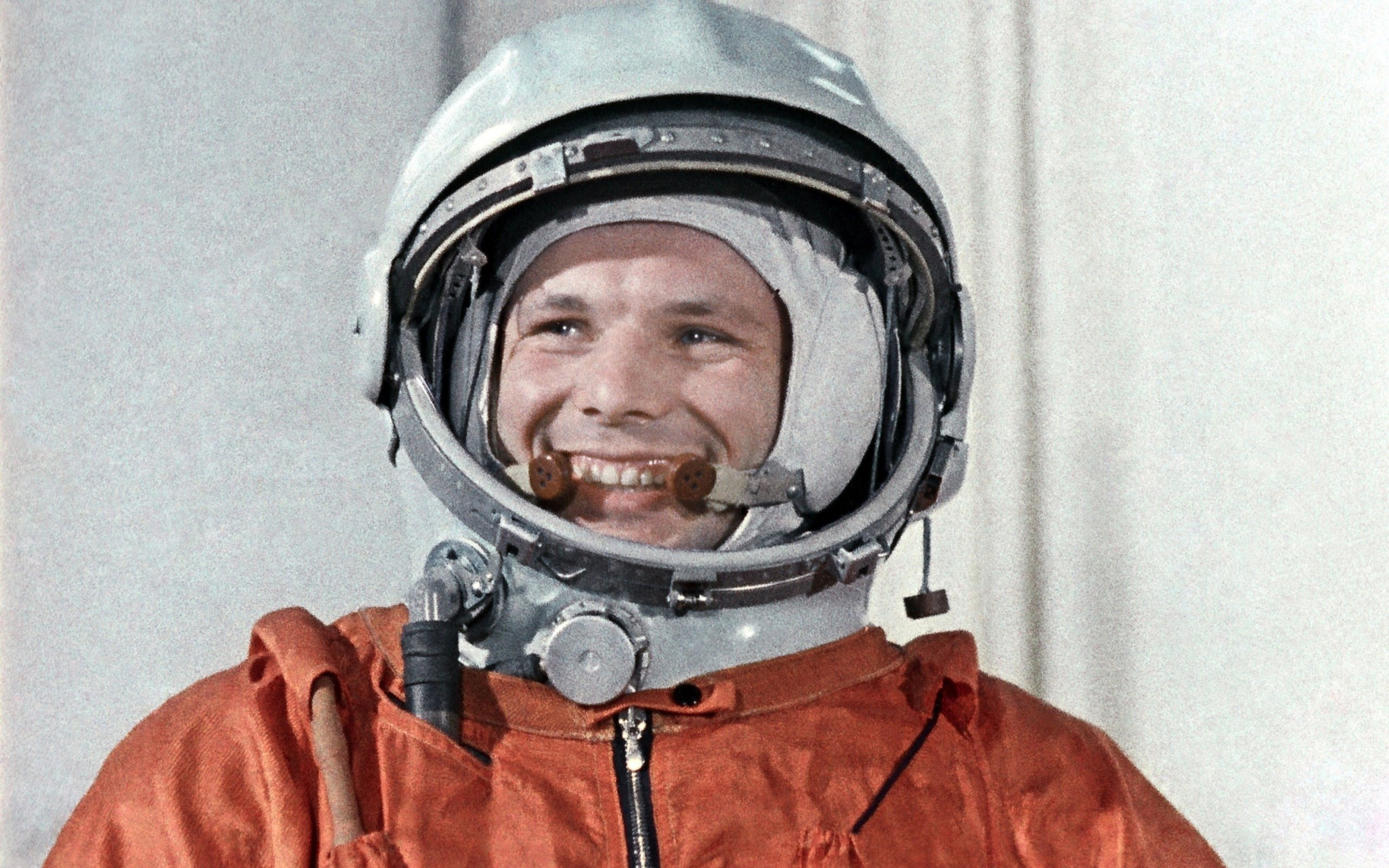
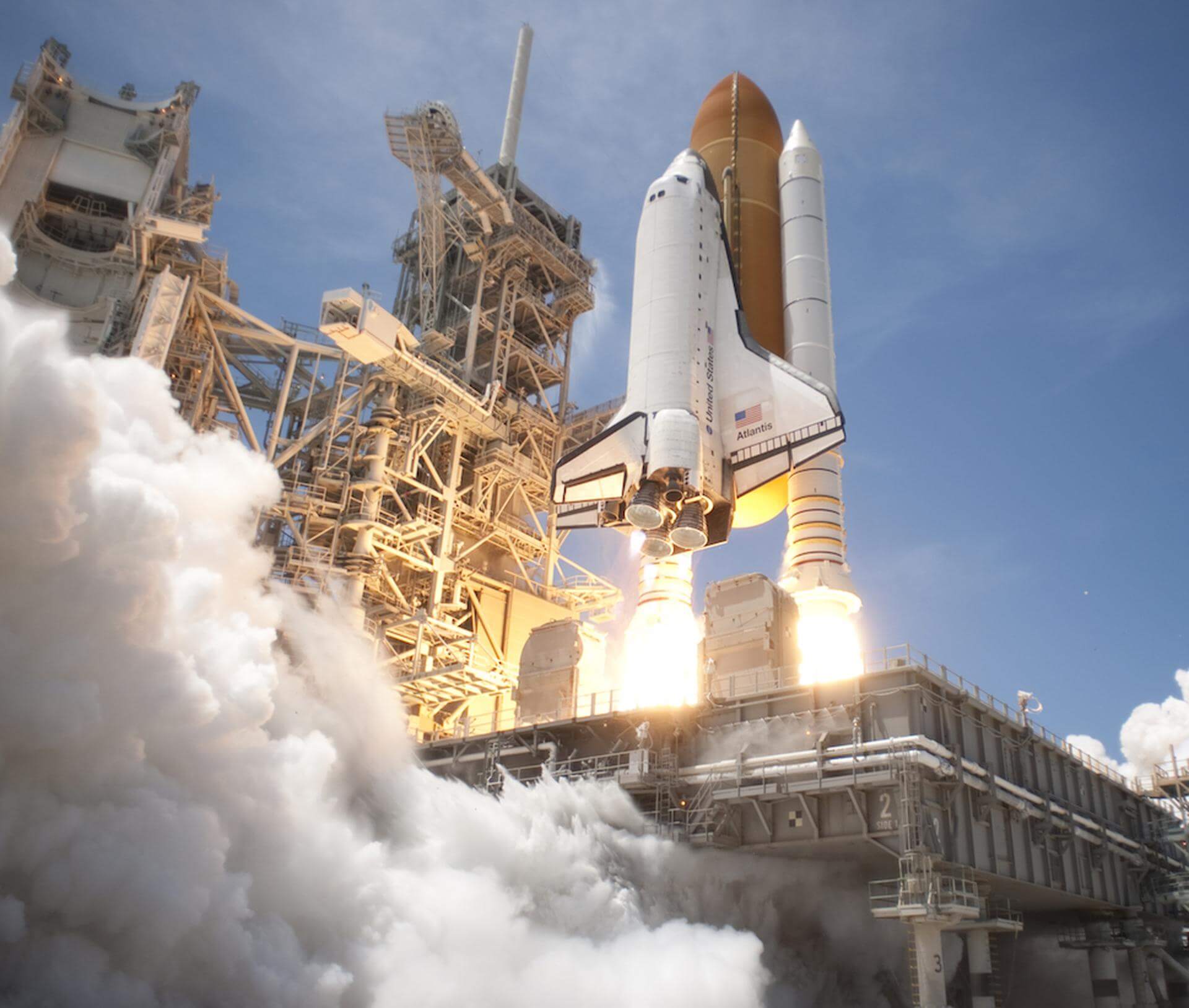
On April 12, 1961, a 27-year-old Soviet pilot rode a modified ICBM into orbit and came back alive after 108 minutes. Exactly twenty years later, two Americans climbed aboard an untested spacecraft covered in 31,000 ceramic tiles and bet their lives that the math was right.

SpaceX successfully launched the U.S. Space Force's eighth X-37B spaceplane mission while preparing for an upcoming Starship launch. Meanwhile, the company continues to expand its Starlink satellite constellation.

Forty years ago today, Challenger lifted off LC-39A on a science mission that nobody outside Morton-Thiokol would call dangerous. Years later, after the orbiter and seven other astronauts were gone, investigators looked at the recovered boosters from STS-51B and realized the crew had come within a fraction of a second of dying first. This is the story of the launch that should have been a warning.