


Space Force Eyes Space Tugs, On-Orbit Refueling by 2030 | KeepTrack Space Brief
Space Force commits to operational space tugs and on-orbit refueling by 2030. New capabilities will complicate conjunction analysis for GEO and MEO satellite tracking.


Launch Date
June 18, 1983
Launch Site
Launch Pad
LC39A
Launch Vehicle
Space Shuttle
NORAD ID
14142
International Designator
1983-059F
Decay Date
6/24/1983
Name
SPAS 1
Alternative Name
SPAS 1
Type
Status
Owner
MBB
Country
Germany
Constellation
N/A
Related Satellites
Major Events
N/A
Length
4.8
Diameter
1.5
Span
4.8
Dry Mass
1448
Launch Mass
1448
Shape
Box
Radar Cross Section
Unknown
Visual Magnitude
Unknown
Color
Unknown
Material Composition
Unknown
Payload
SPAS 1
Purpose
retrievable satellite
Mission
retrievable satellite
Manufacturer
MBB
Life Expectancy
Unknown
Bus
SPAS
Configuration
SPAS-Platform
Motor
Unknown
Equipment
Unknown
Power System
Batteries
ADCS
Unknown
Transmitter Frequency
Unknown
Learn more about satellites and other related topics.
Space Force commits to operational space tugs and on-orbit refueling by 2030. New capabilities will complicate conjunction analysis for GEO and MEO satellite tracking.
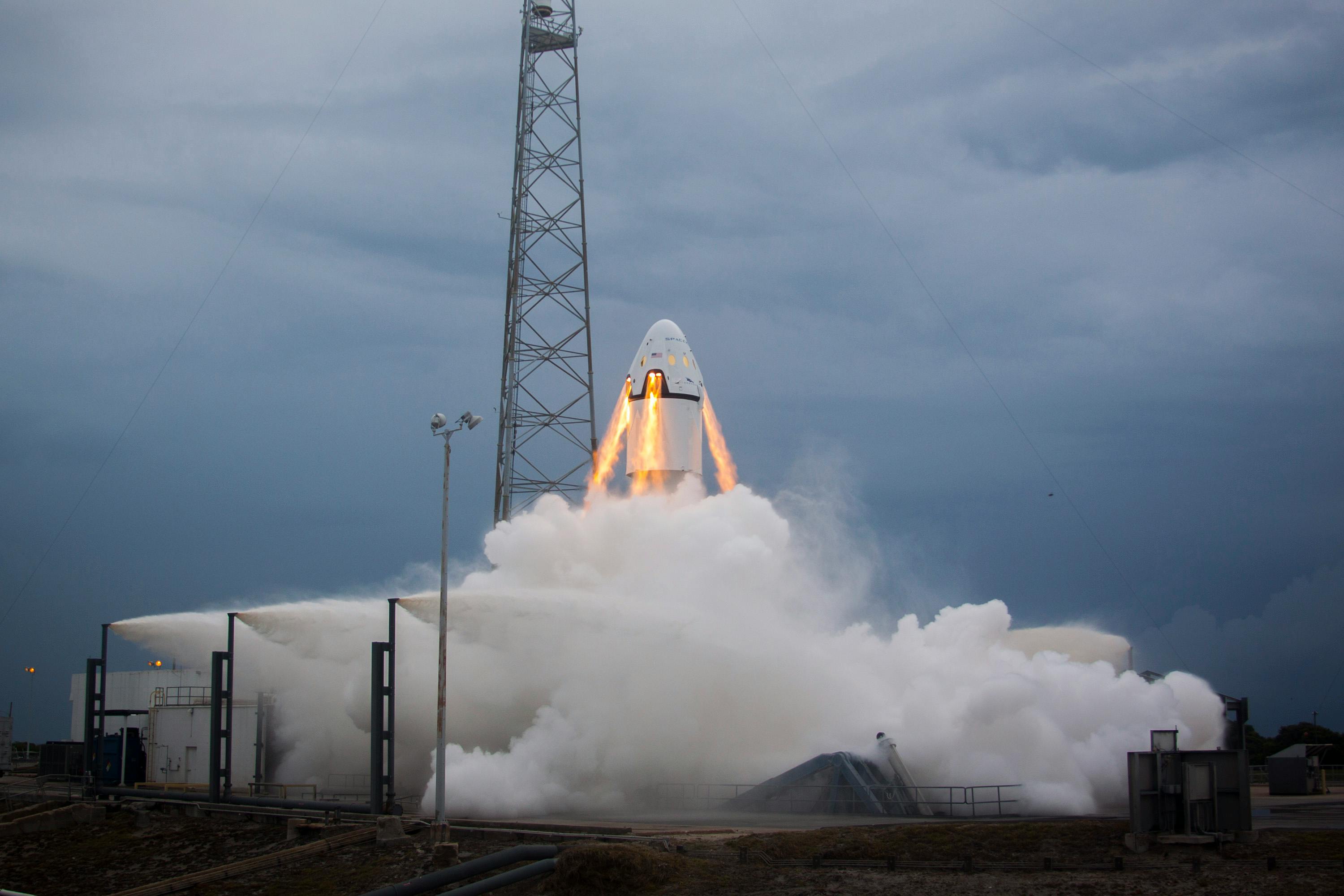
SpaceX receives approval for a new Starship launch complex, while Blue Origin capitalizes on potential challenges faced by SpaceX in lunar missions.

SpaceX's orbital data center constellation and TERAFAB's $25B AI chip factory spark backlash as Starlink surpasses 10,116 working satellites.
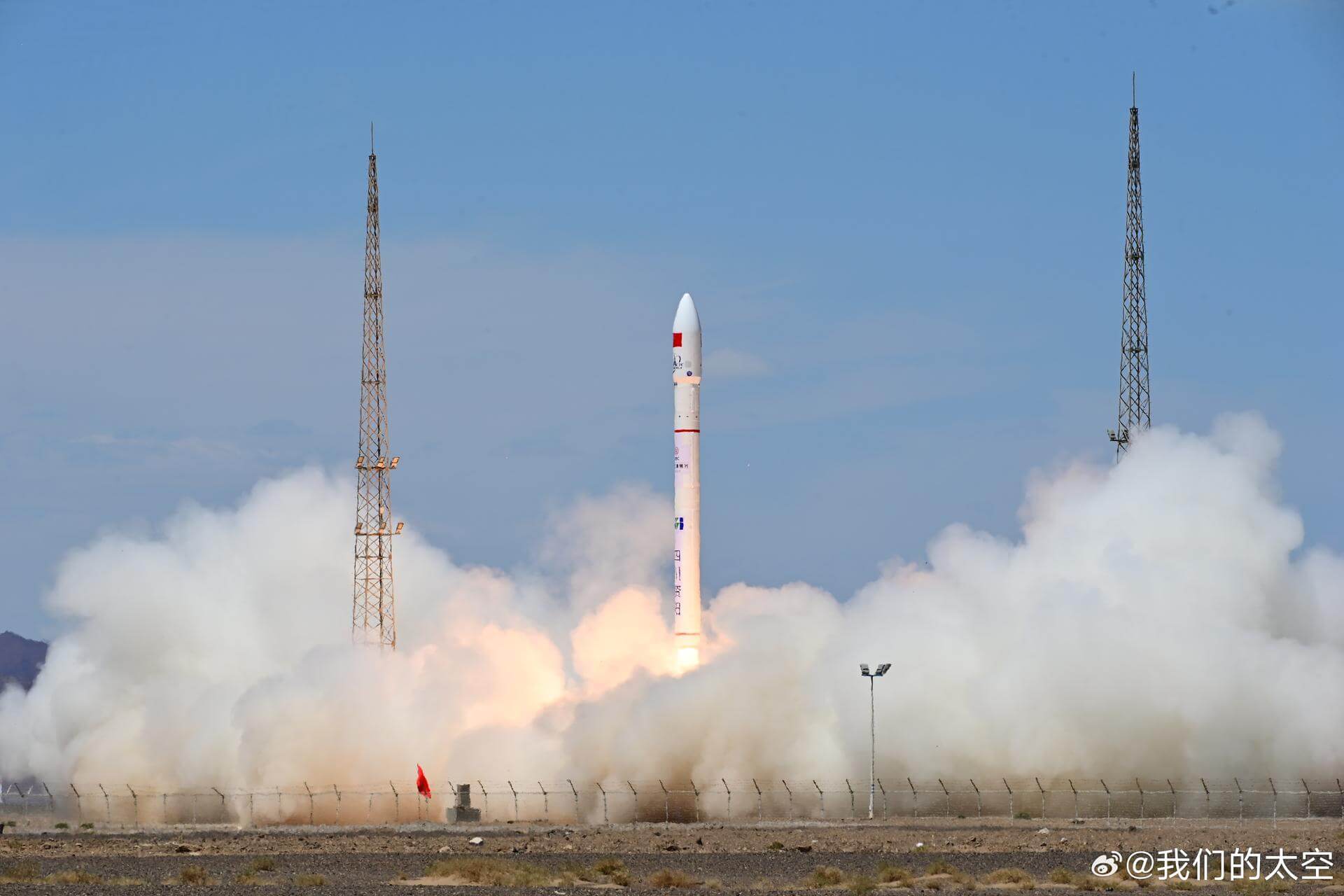
Today's brief covers the crash of a SpaceX Falcon 9 rocket over Europe, the Space Force's mapping efforts with Iron Dome, and key military appointments and funding decisions.
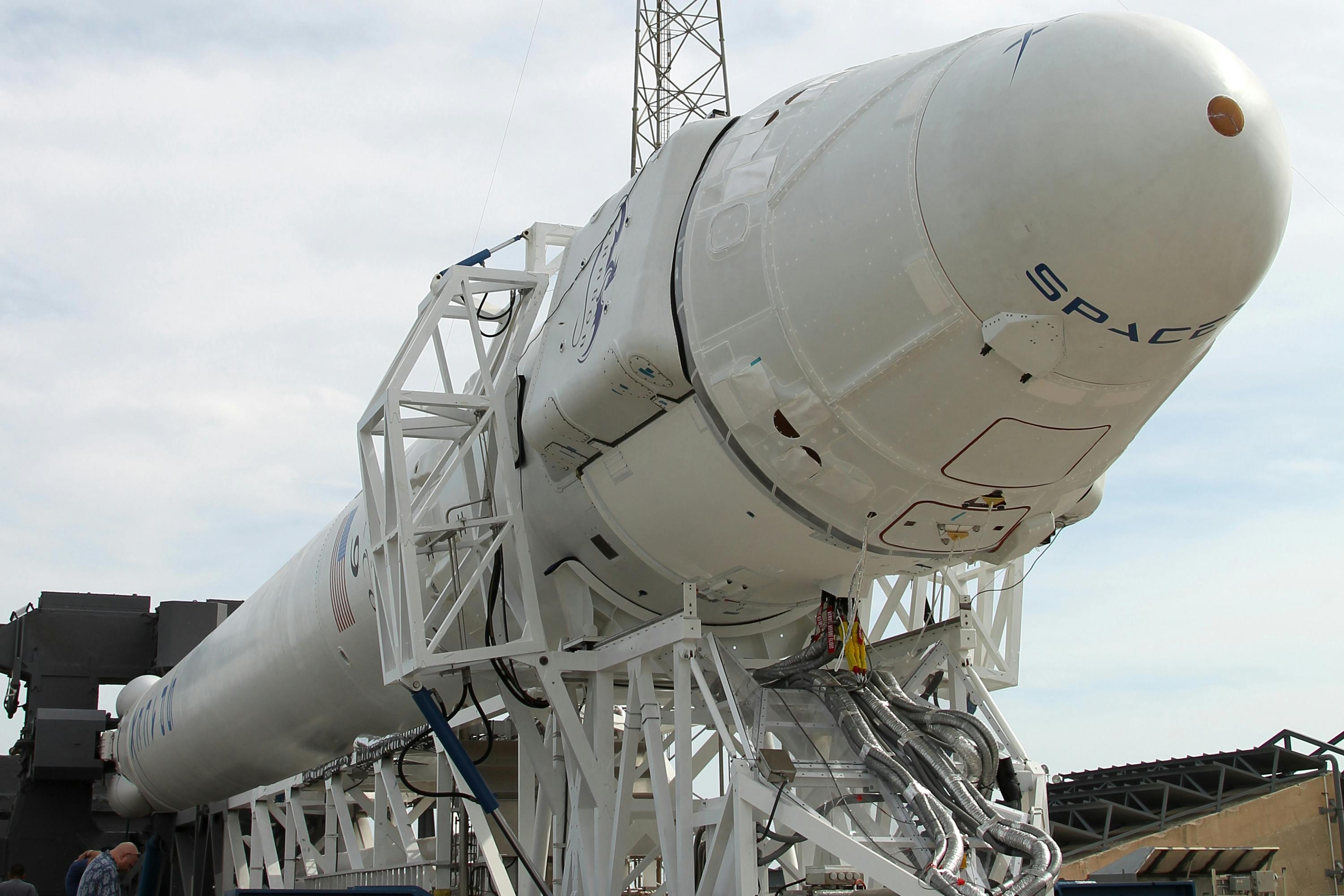
SpaceX sets sights on new frontiers with the imminent Starlink launch and upcoming Blue Ghost moon lander mission.
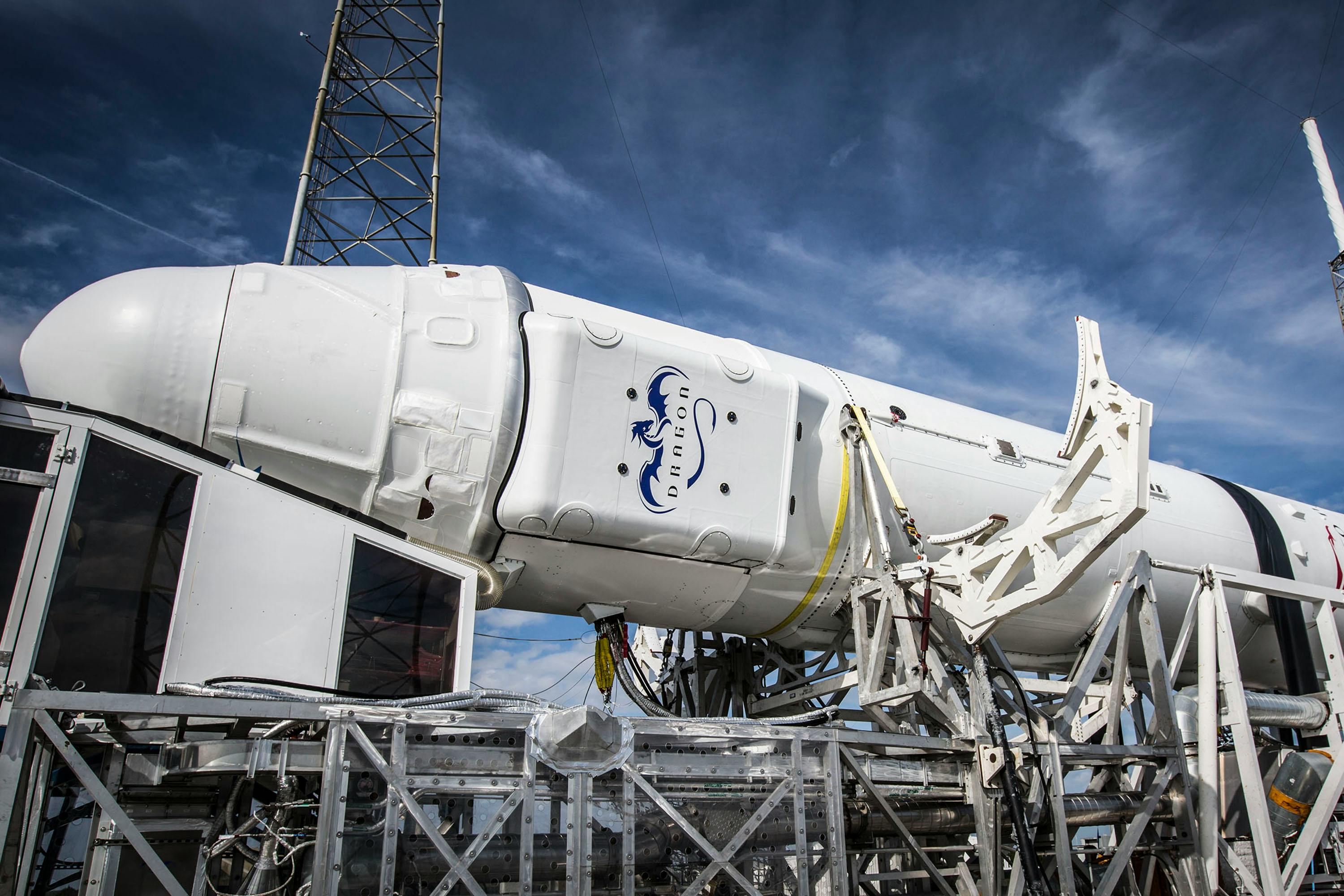
New experiments in space agriculture begin with Fram2 mission, a historic polar orbit flight, and a Starlink launch postponement.
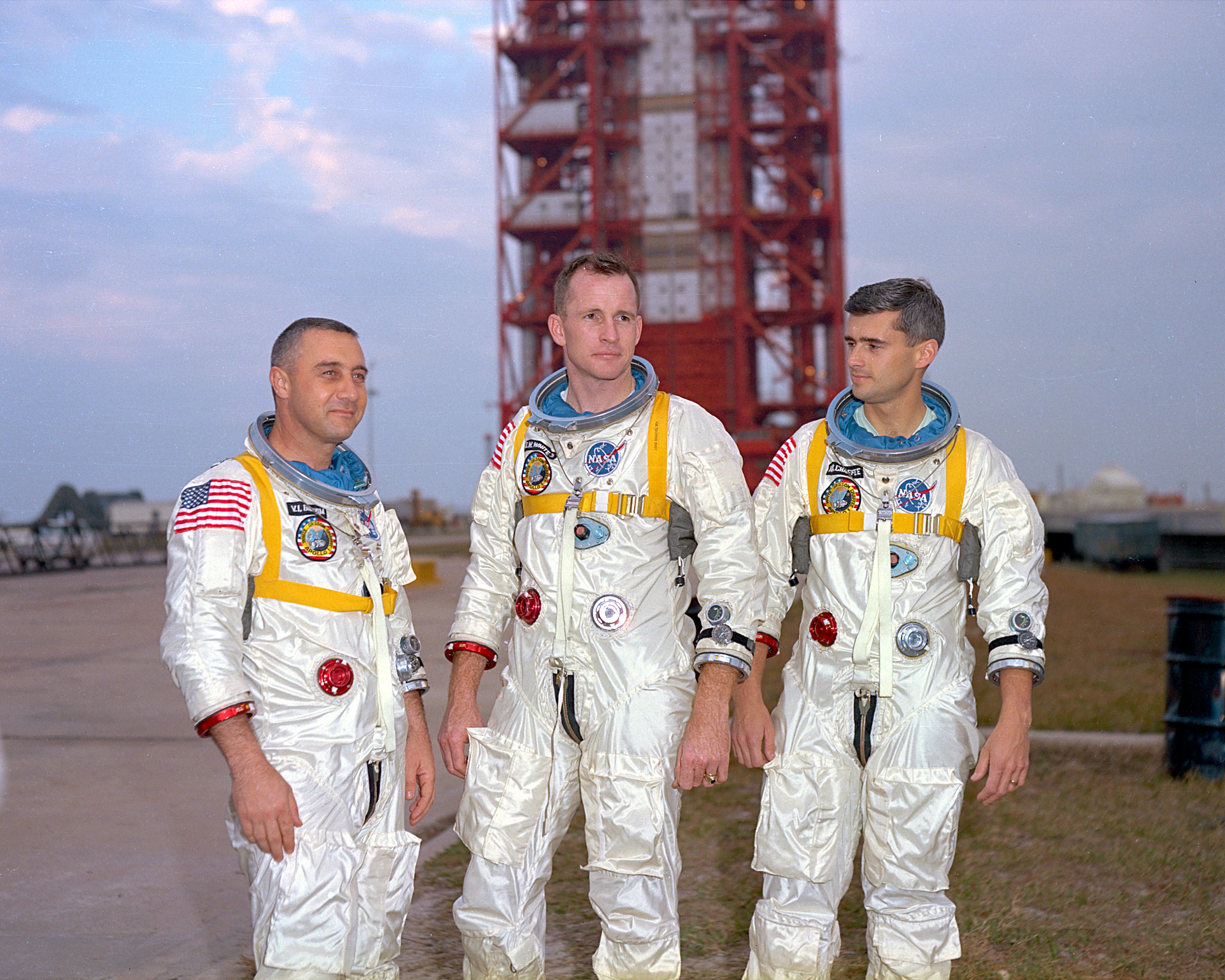
Fifty-eight years ago, a tragic fire during a routine test transformed spacecraft design and created the foundation of modern spaceflight safety culture
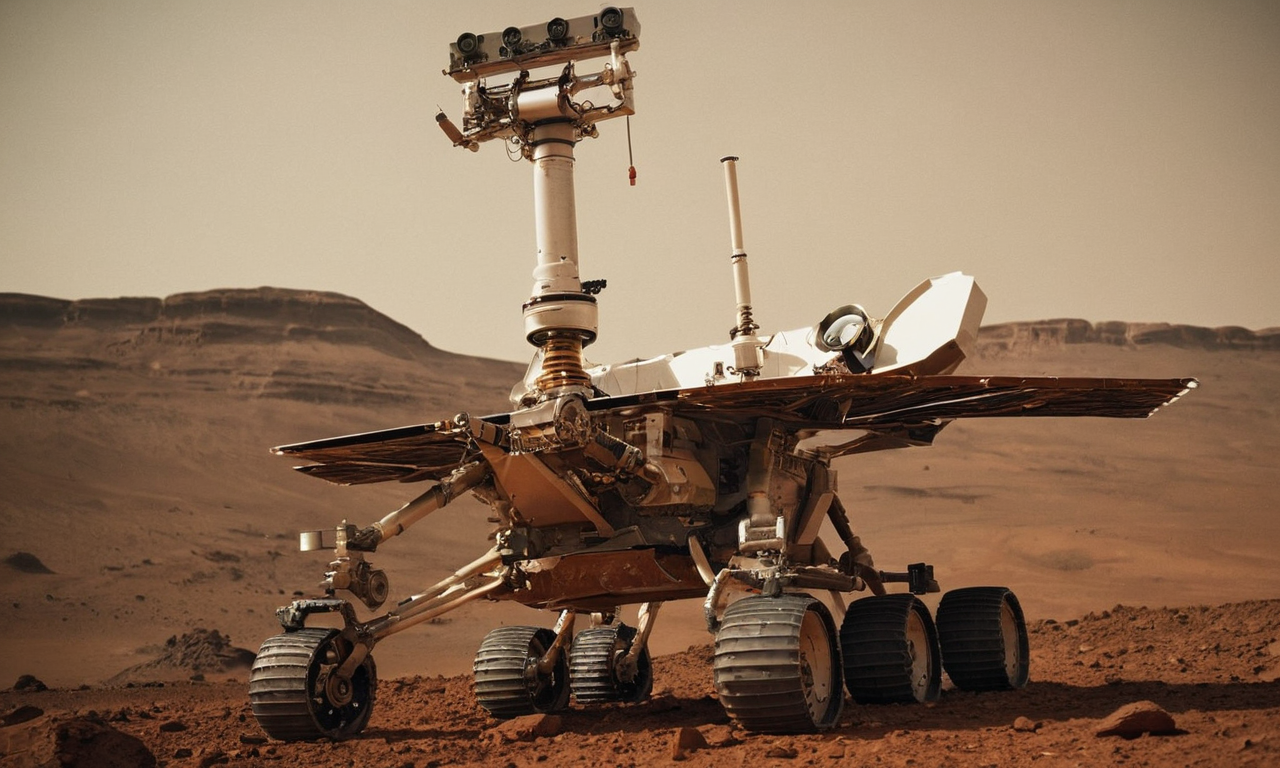
Twenty-one years ago, a golf cart-sized rover bounced to a stop inside a small crater on Mars, beginning one of the most remarkable chapters in space exploration history