


The Day Discovery Took Her Final Flight
Fourteen years ago, Space Shuttle Discovery thundered into orbit one last time, carrying a robot astronaut and capping a remarkable 27-year career that revolutionized space exploration


Launch Date
June 14, 1983
Launch Site
PLMSC
Launch Pad
LC43/4
Launch Vehicle
Soyuz-U
NORAD ID
14123
International Designator
1983-057A
Decay Date
6/24/1983
Name
COSMOS 1469
Alternative Name
Kosmos-1469
Type
Status
Owner
GUKOS
Country
USSR
Constellation
N/A
Related Satellites
Major Events
N/A
Length
6
Diameter
2.2
Span
6
Dry Mass
2655
Launch Mass
2655
Shape
Sphere + DCone
Radar Cross Section
Unknown
Visual Magnitude
Unknown
Color
Unknown
Material Composition
Unknown
Payload
Argon No. 75L
Purpose
Reconnaissance, photo (film return type)
Mission
Reconnaissance, photo (film return type)
Manufacturer
TSSKB
Life Expectancy
14 days
Bus
Zenit-6
Configuration
Zenit bus
Motor
11D82M; S5.120 (maneuver module)
Equipment
Unknown
Power System
Batteries
ADCS
Unknown
Transmitter Frequency
Unknown
Learn more about satellites and other related topics.
Fourteen years ago, Space Shuttle Discovery thundered into orbit one last time, carrying a robot astronaut and capping a remarkable 27-year career that revolutionized space exploration
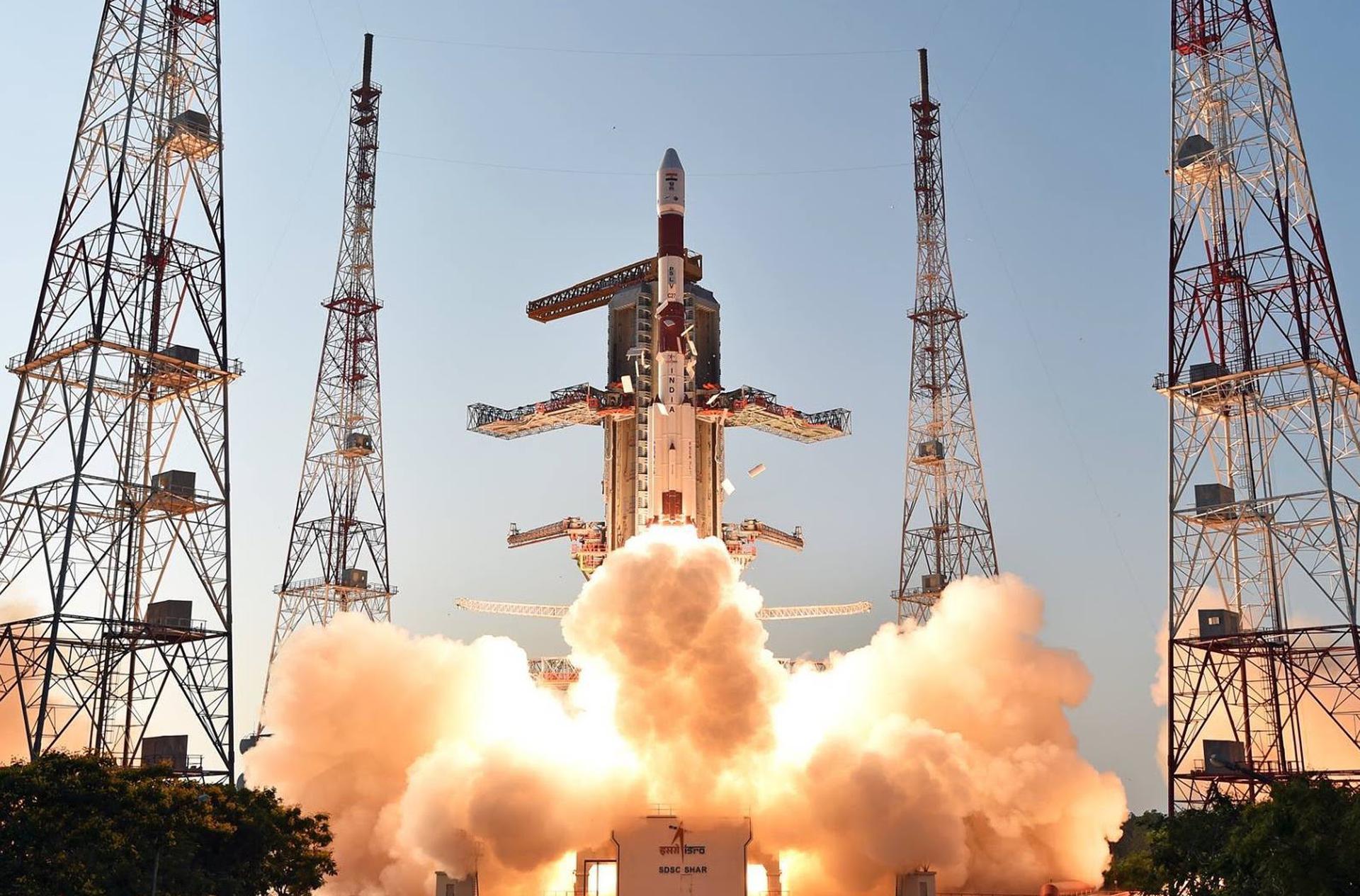
Today's highlights include China's latest satellite launches, Blue Origin's expansion plans, and Purdue University's groundbreaking suborbital mission with Virgin Galactic.
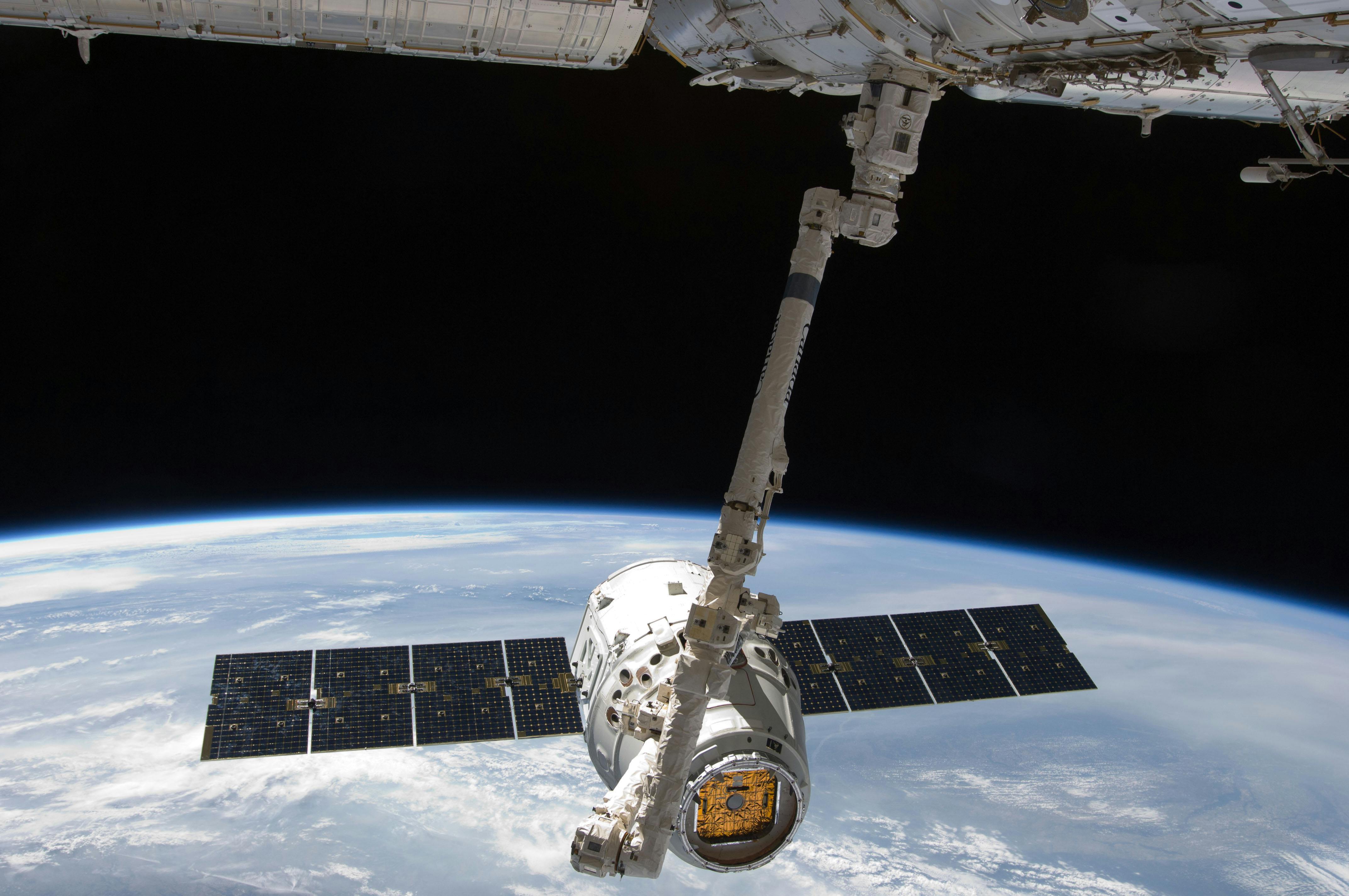
SpaceX prepares for a busy launch schedule with key upgrades at Starbase and notable Starlink missions. Recent close approaches in orbit underscore the complexities of satellite operations.
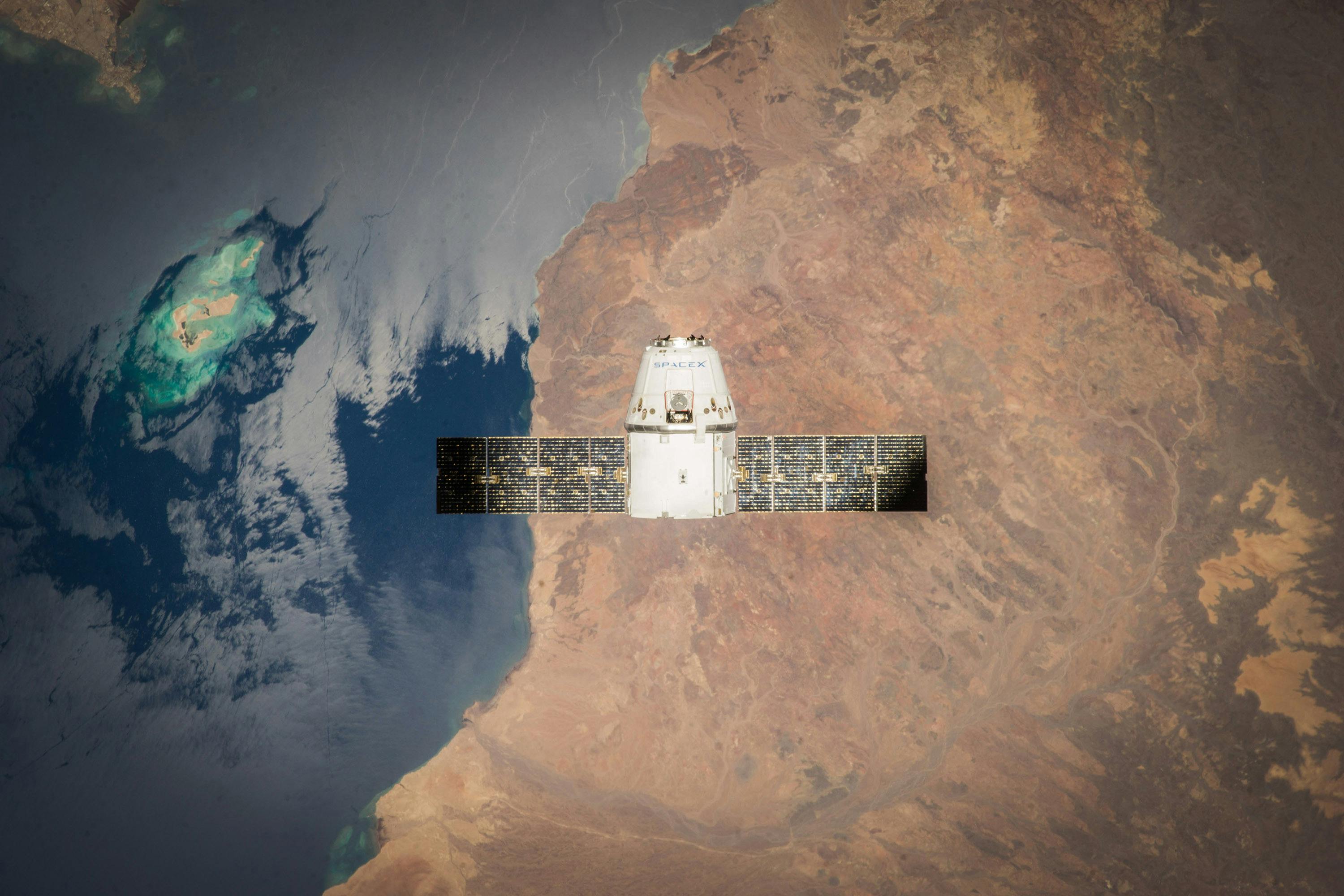
SpaceX readies Starlink 17-20 launch of 25 satellites to polar orbit from Vandenberg pad 4E — seventh Starlink mission of the year. 11,009 total Starlink satellites launched to date.
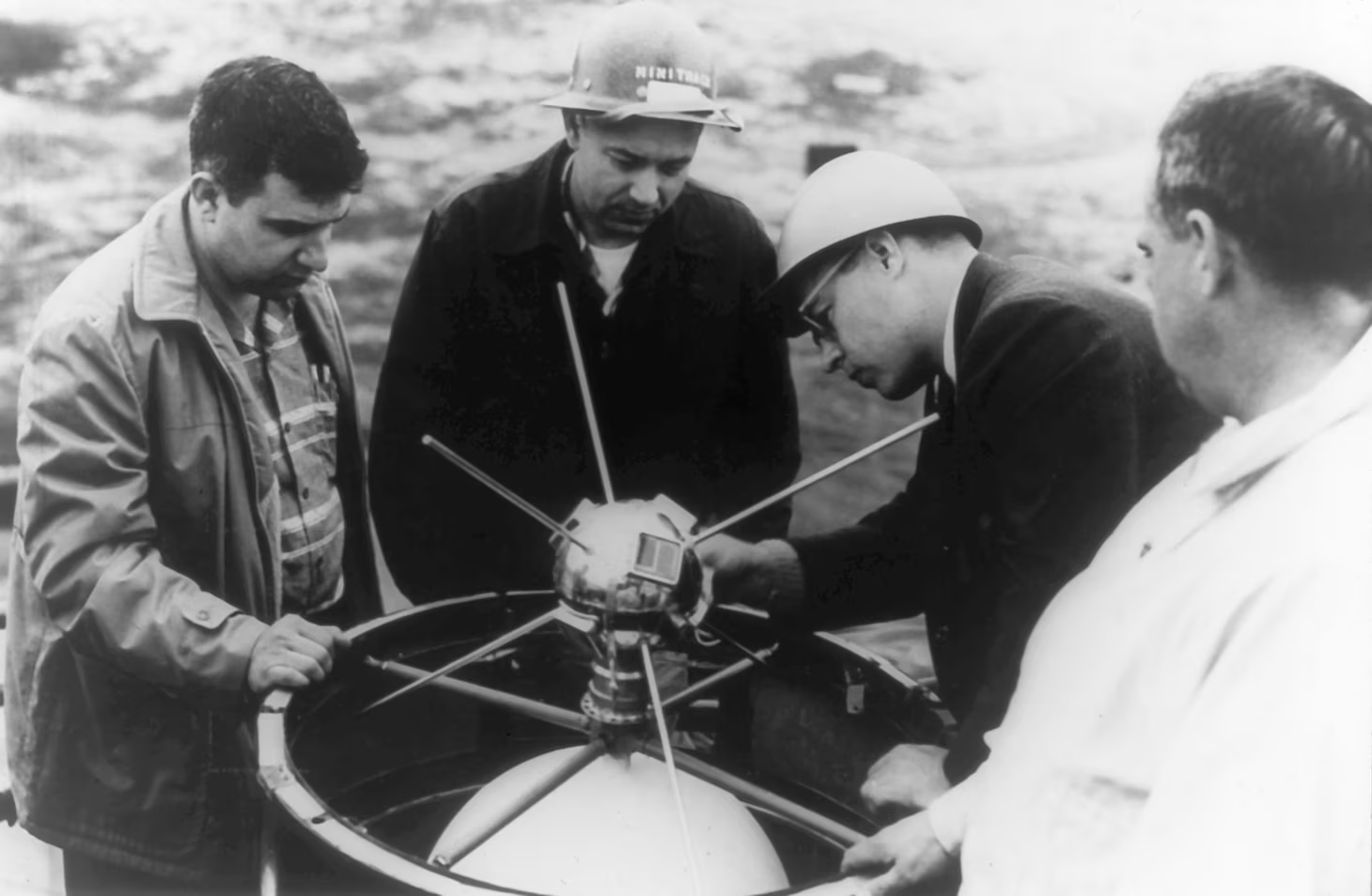
How the U.S. Navy's Vanguard rocket became a Cold War icon, launched the world's oldest satellite still in orbit, and laid the groundwork for NASA's space exploration efforts.

SpaceX surpassed 10,000 simultaneous Starlink satellites in orbit after Starlink 17-24 deployed 25 satellites from California. Milestone reached in under 7 years.
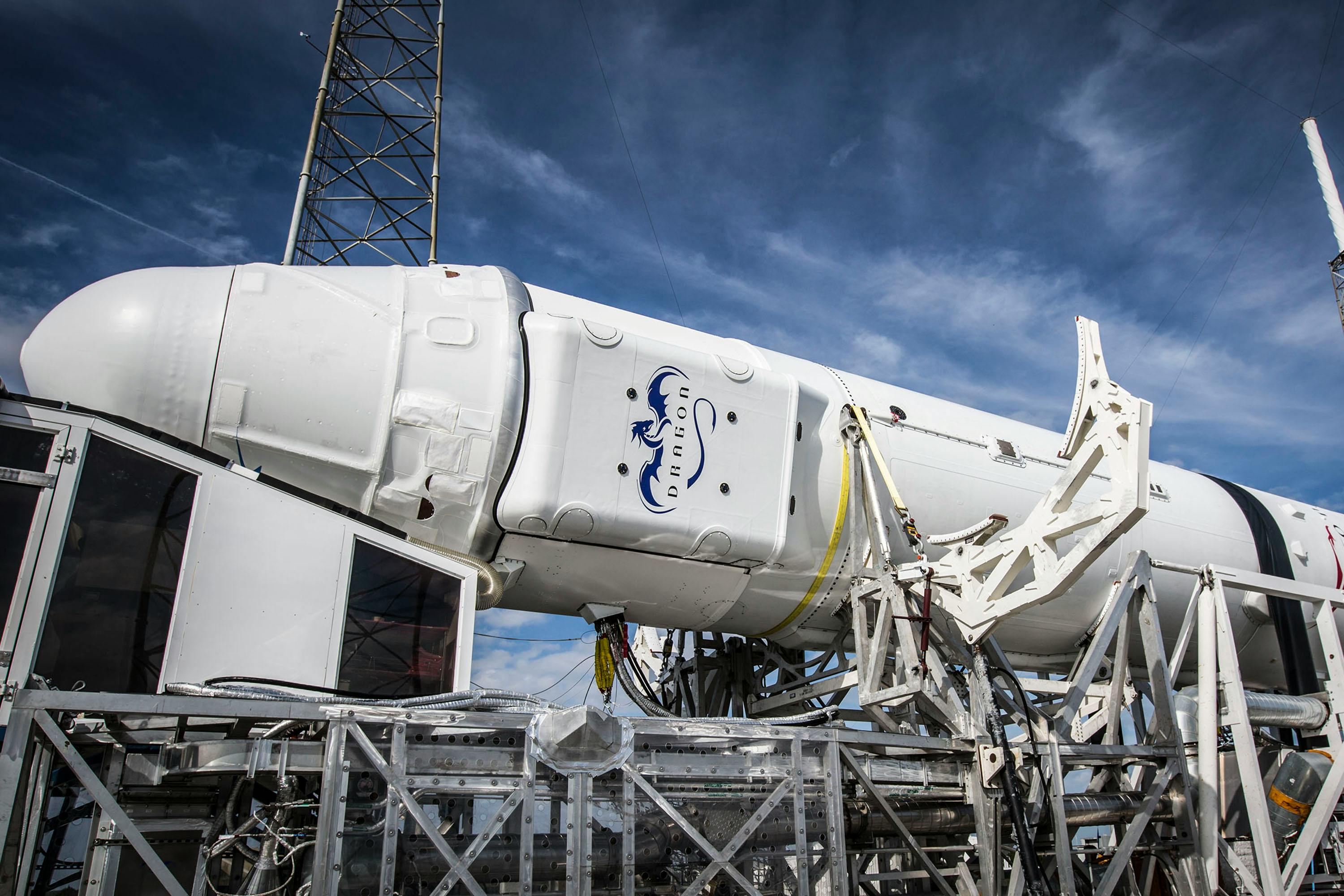
SpaceX successfully launches GPS satellite for Space Force — third consecutive GPS mission switched from ULA. EBAD demonstrates payload release module on Falcon 9 rideshare mission.
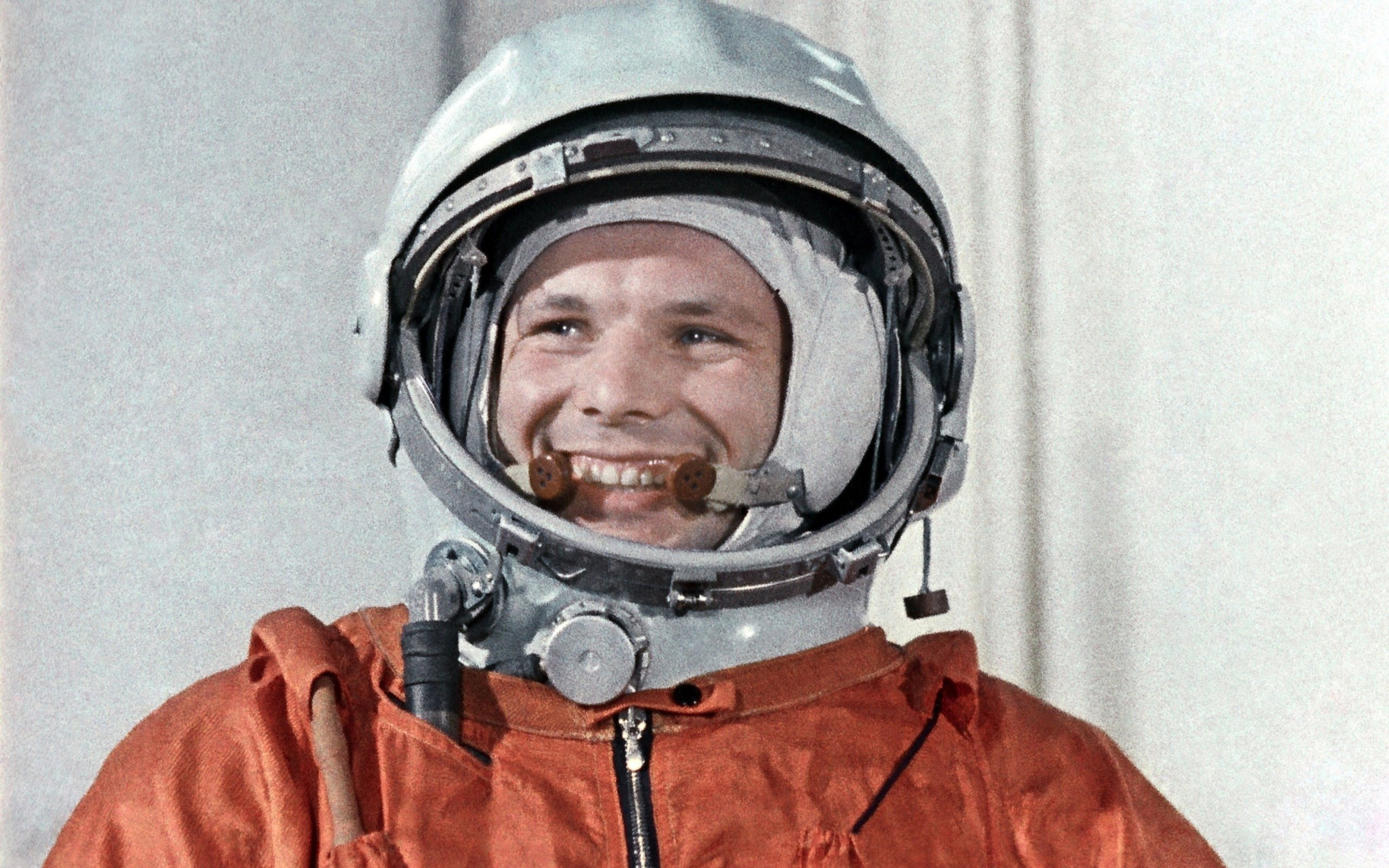
On April 12, 1961, a 27-year-old Soviet pilot rode a modified ICBM into orbit and came back alive after 108 minutes. Exactly twenty years later, two Americans climbed aboard an untested spacecraft covered in 31,000 ceramic tiles and bet their lives that the math was right.