

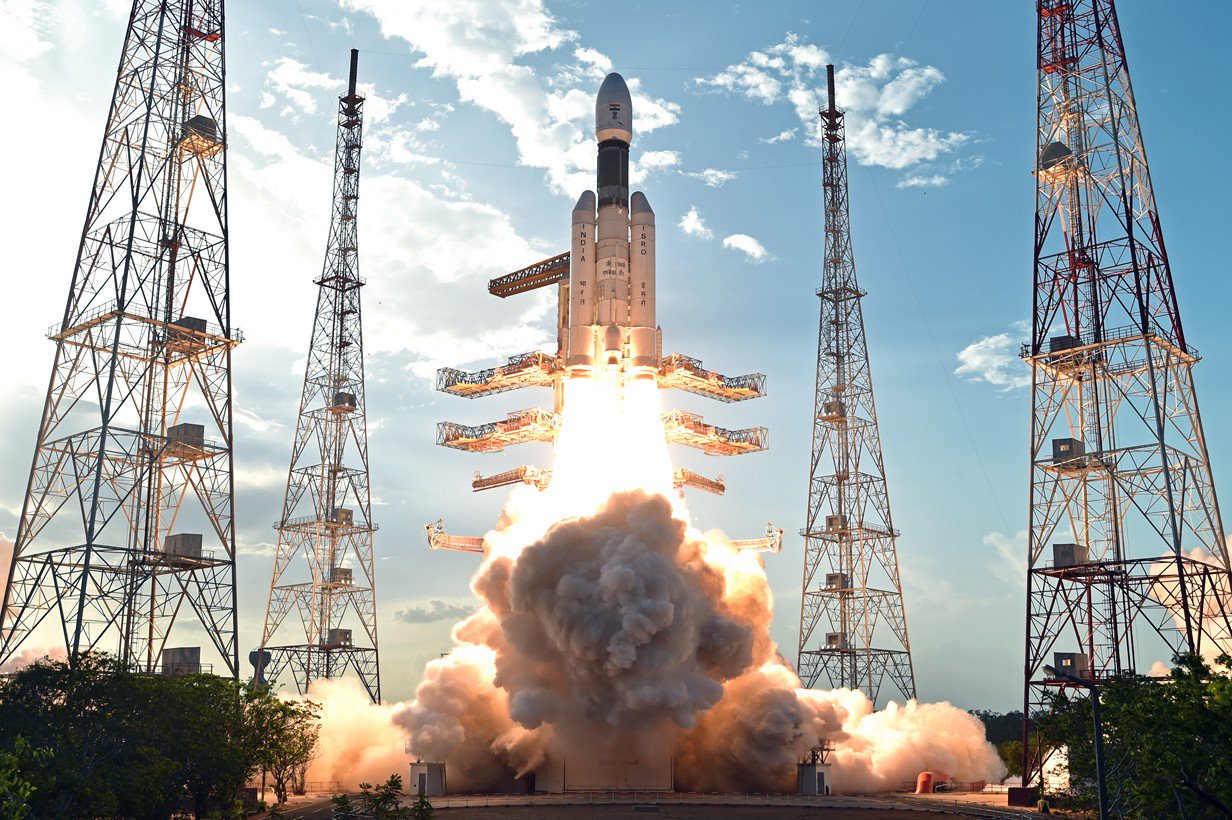
Space Brief 25 Oct 2025
Today's brief covers significant growth forecasts for global defense satellite communications, the integration of hypersonic missiles, cyber authority expansion in the Army, and more pivotal military developments.


Launch Date
April 15, 1983
Launch Site
AFWTR
Launch Pad
SLC4W
Launch Vehicle
Titan 24B
NORAD ID
14001
International Designator
1983-032A
Decay Date
8/21/1983
Name
OPS 2925
Alternative Name
OPS 2925
Type
Status
Owner
NRO/SAFSP
Country
United States
Constellation
N/A
Related Satellites
Major Events
N/A
Length
5.7
Diameter
1.5
Span
5.7
Dry Mass
2400
Launch Mass
2400
Shape
Cyl
Radar Cross Section
16.14
Visual Magnitude
Unknown
Color
Unknown
Material Composition
Unknown
Payload
GAMBIT-3 FM-53
Purpose
Reconnaissance, photo (film return type)
Mission
Reconnaissance, photo (film return type)
Manufacturer
LMSC
Life Expectancy
75 days
Bus
KH-8
Configuration
Agena-D, 2 SRVs
Motor
Bell 8096, SPS
Equipment
?
Power System
2 deployable solar arrays, batteries
ADCS
Unknown
Transmitter Frequency
Unknown
Learn more about satellites and other related topics.
Today's brief covers significant growth forecasts for global defense satellite communications, the integration of hypersonic missiles, cyber authority expansion in the Army, and more pivotal military developments.
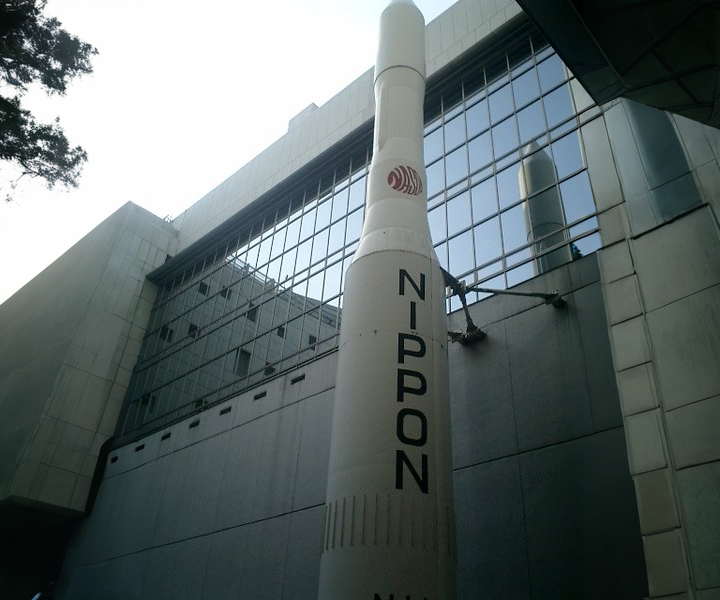
Forty-eight years ago, a pioneering satellite named Kiku 2 propelled Japan into the exclusive group of nations capable of operating satellites in geostationary orbit
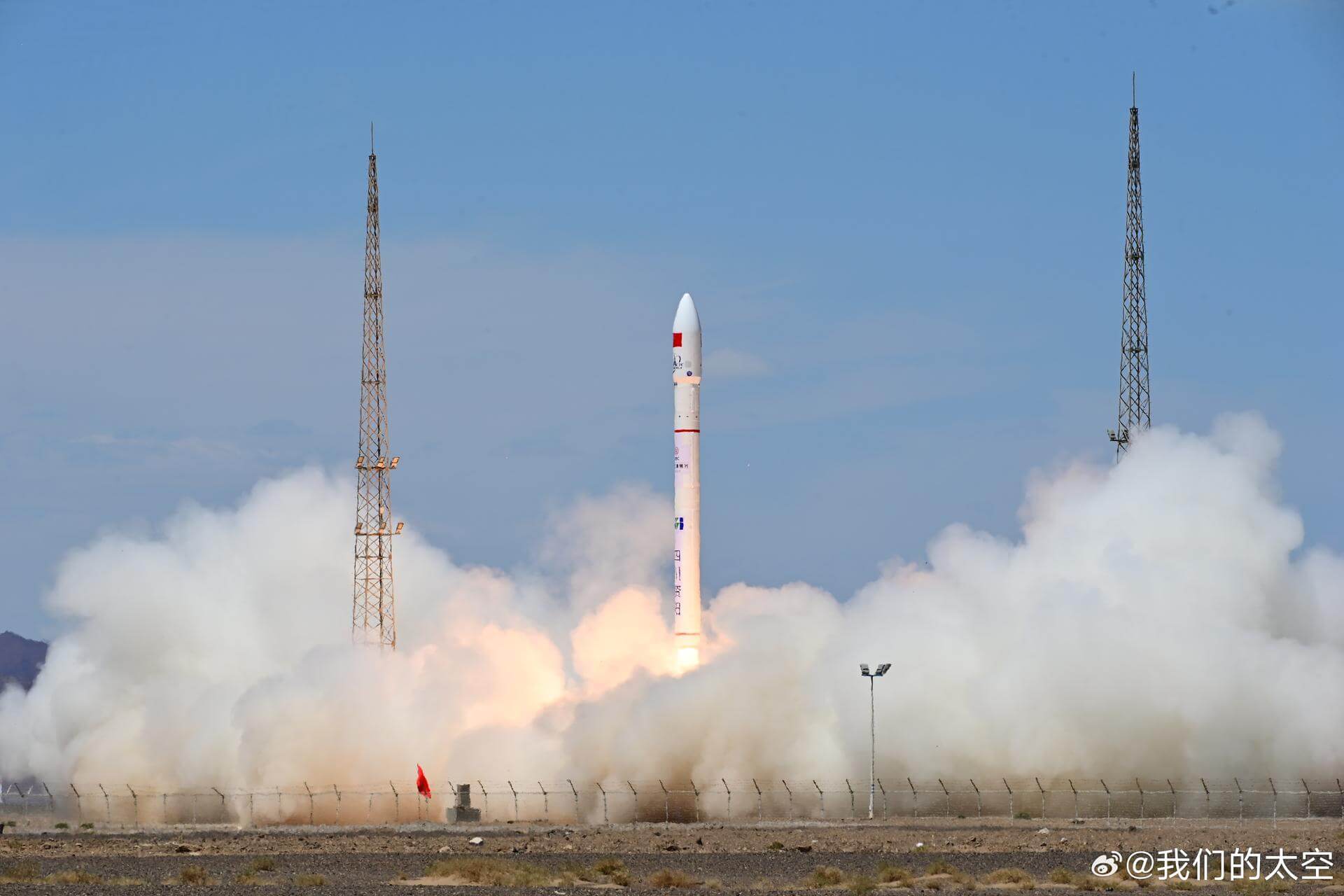
Today's briefing covers significant events, including advancements in US missile warning systems, SpaceX's Florida Starship plans, a European rocket's success, and NASA's upcoming missions.

Pentagon selects SpaceX and xAI for $100M autonomous drone competition. Two Falcon 9 rockets launch Starlink sats from California and Florida. 11,215 total Starlink satellites launched.
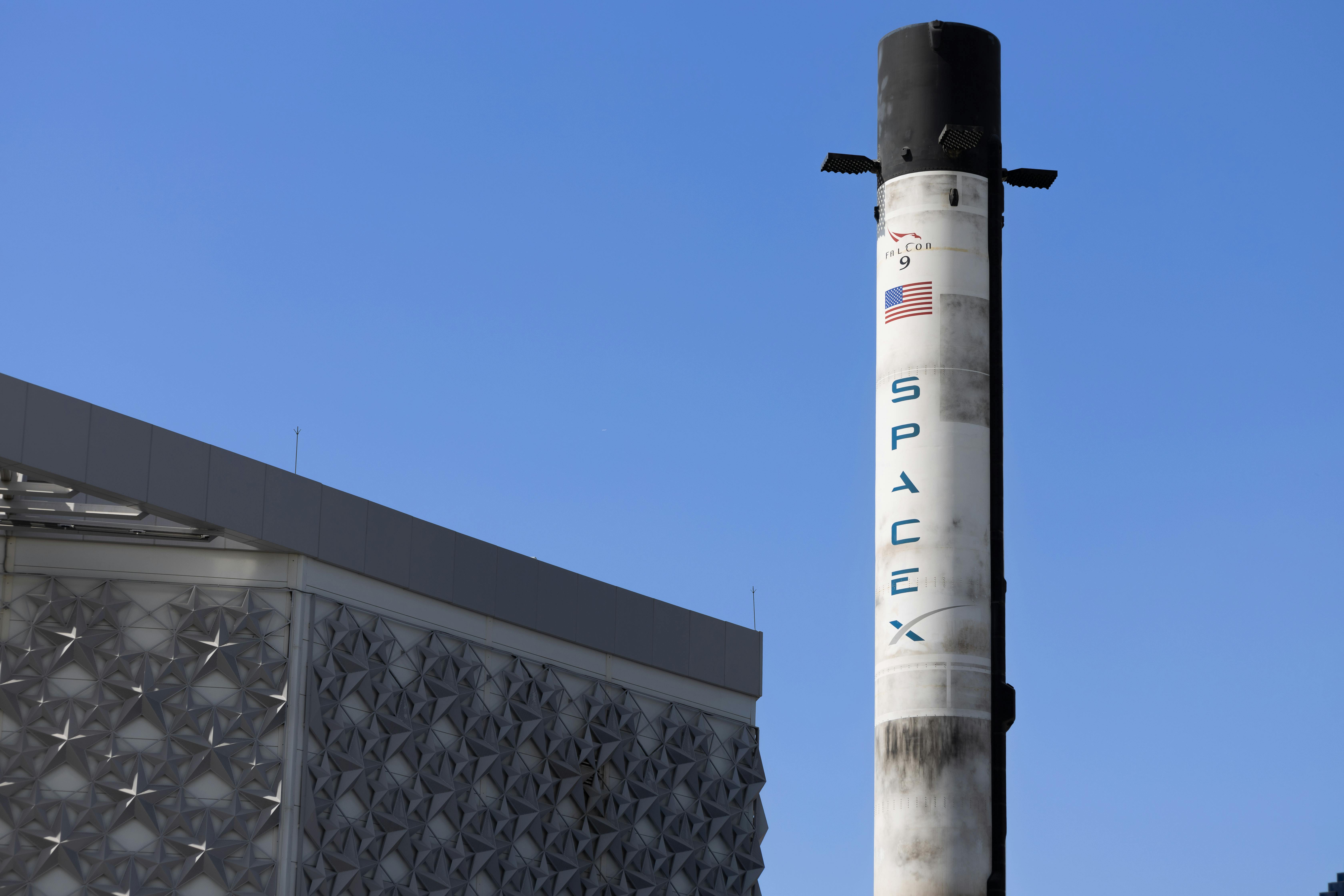
SpaceX targets its 600th Falcon 9 booster landing on Starlink 17-22, lofting 25 satellites from Vandenberg. Plus a 2028 SpaceX ride for ESA's Mars rover.
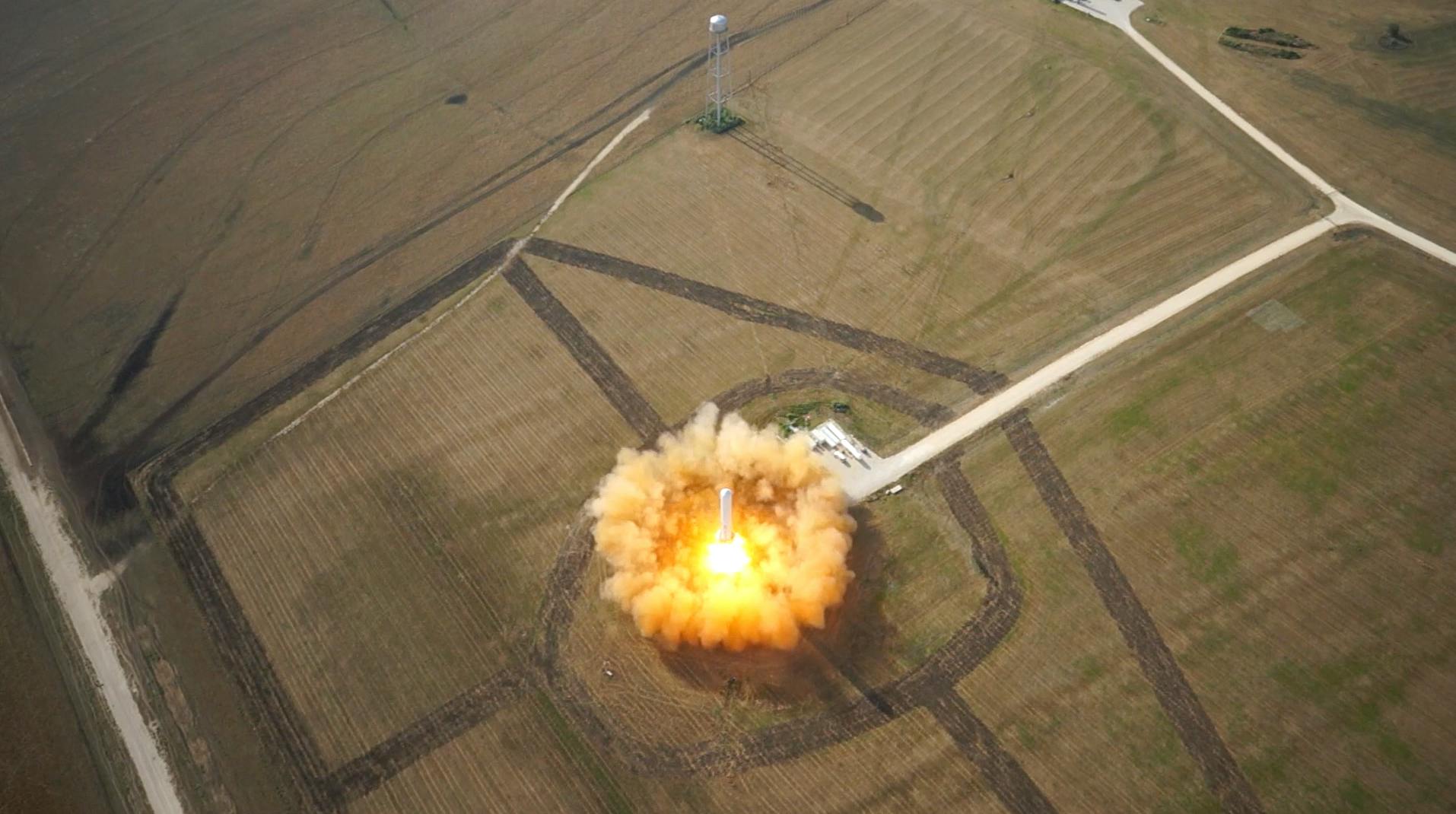
SpaceX fired all 33 Raptor 3 engines in the Starship V3 static fire at Starbase, clearing Flight 12. Plus 1,000 Starlink satellites launched in 2026.
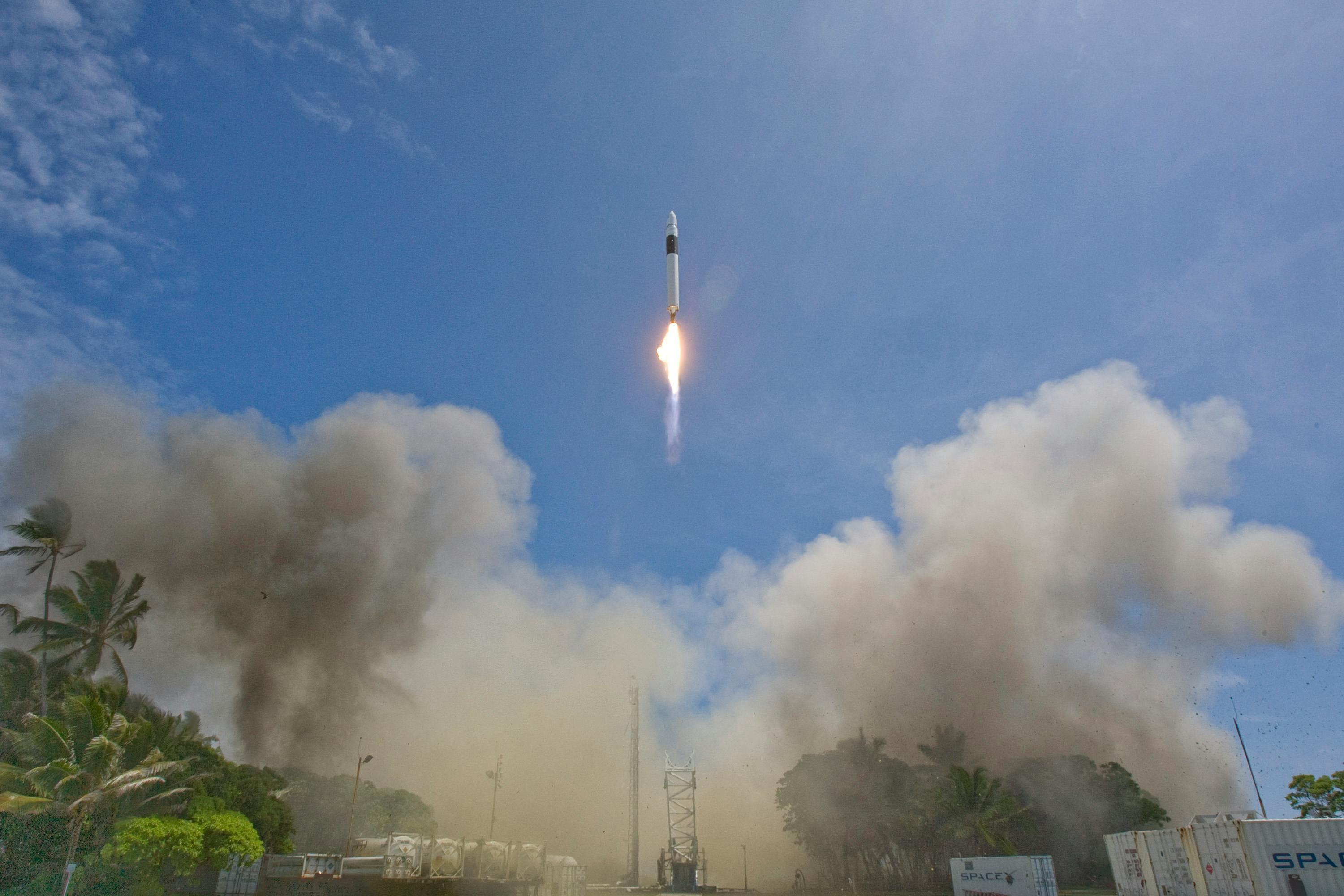
SpaceX gears up for Starship Flight 8, with a launch set for Monday as final preparations are underway.

Forty years ago today, Challenger lifted off LC-39A on a science mission that nobody outside Morton-Thiokol would call dangerous. Years later, after the orbiter and seven other astronauts were gone, investigators looked at the recovered boosters from STS-51B and realized the crew had come within a fraction of a second of dying first. This is the story of the launch that should have been a warning.