


X Report 22 Mar 2025
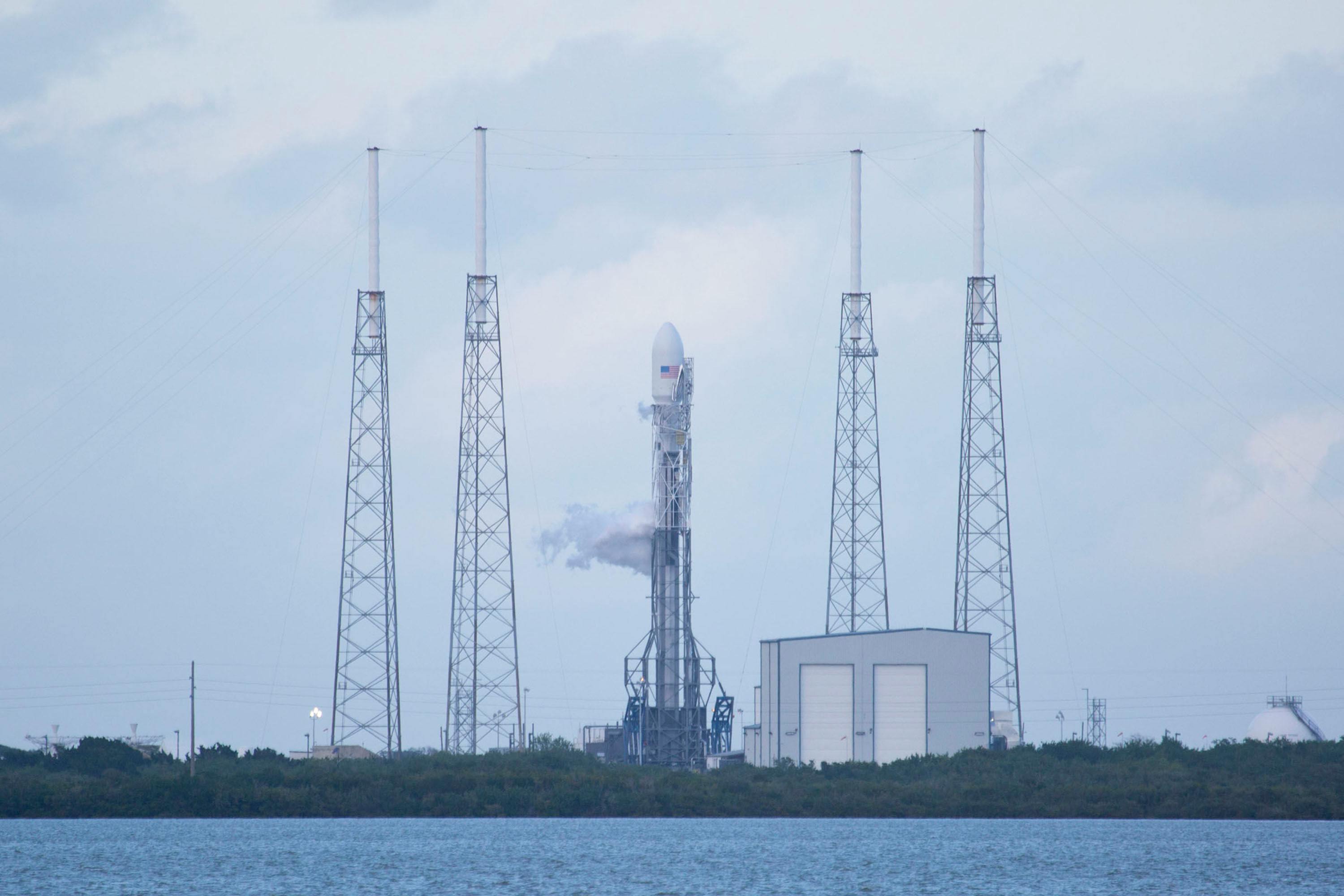
SpaceX achieves its 450th Falcon 9 launch, setting a new turnaround record, while its competitor ULA remains grounded, awaiting clearance from the Space Force.


Launch Date
April 11, 1983
Launch Site
Launch Pad
LC17B
Launch Vehicle
Delta 3924
NORAD ID
13984
International Designator
1983-030A
Epoch
Fri, 03 Jul 2026 20:25:07 GMT
Apogee
Calculating...
Perigee
Calculating...
Inclination
13.19°
Right Ascension
338.40°
Eccentricity
Calculating...
Argument of Perigee
131.14°
Period
1442.18 min
Mean Motion
1.00 rev/day
Latitude
Calculating...
Longitude
Calculating...
Altitude
Calculating...
Velocity
Calculating...
Name
SATCOM 1R
Alternative Name
Satcom 1R
Type
Status
Owner
AMC
Country
United States
Constellation
N/A
Related Satellites
Major Events
N/A
1 13984U 83030A 26184.85078336 -.00000210 00000-0 00000-0 0 9994
2 13984 13.1919 338.4009 0007557 131.1385 42.6338 0.99848997130647
Source: Celestrak
Length
1.6
Diameter
1.4
Span
14
Dry Mass
423
Launch Mass
566
Shape
Box + 2 Pan
Radar Cross Section
3.181
Visual Magnitude
Unknown
Color
Unknown
Material Composition
Unknown
Payload
RCA-F
Purpose
Communication
Mission
Communication
Manufacturer
RCA
Life Expectancy
10 years (#5, 1R, 2R); 12 years (#C1, C3, C4, C5)
Bus
Adv Satcom
Configuration
AS-3000
Motor
TE-M-700-8
Equipment
24 (+4) C-band transponders
Power System
2 deployable solar arrays, batteries
ADCS
Unknown
Transmitter Frequency
Unknown
Learn more about satellites and other related topics.
SpaceX achieves its 450th Falcon 9 launch, setting a new turnaround record, while its competitor ULA remains grounded, awaiting clearance from the Space Force.
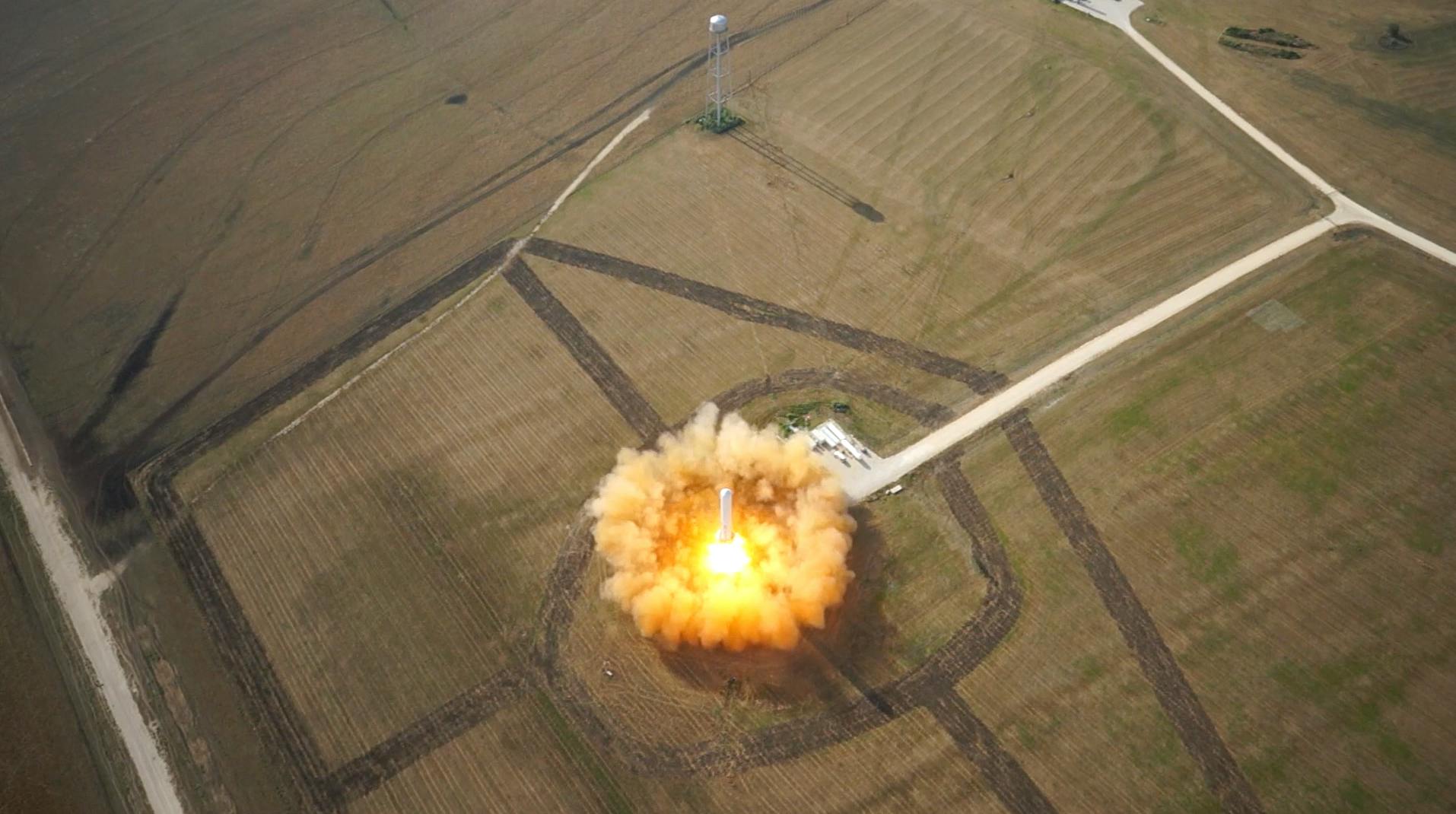
SpaceX prepares for its 10th Starship test flight, set for August 24, as the FAA grants approval following earlier setbacks.
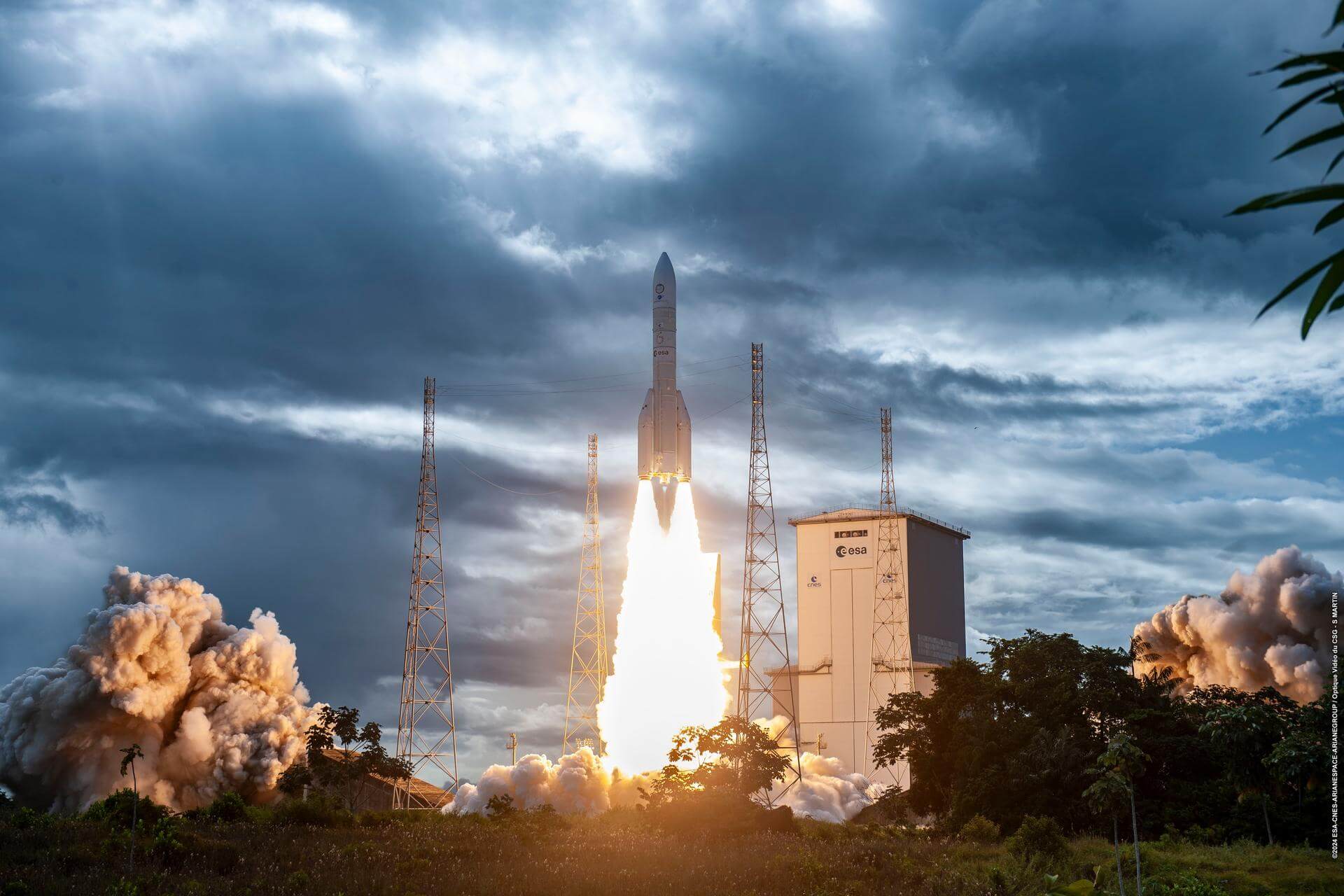
Today's highlights include new satellite launches by SpaceX, technical hiccups for an Indian navigation satellite, and insights into the future of satellite servicing.
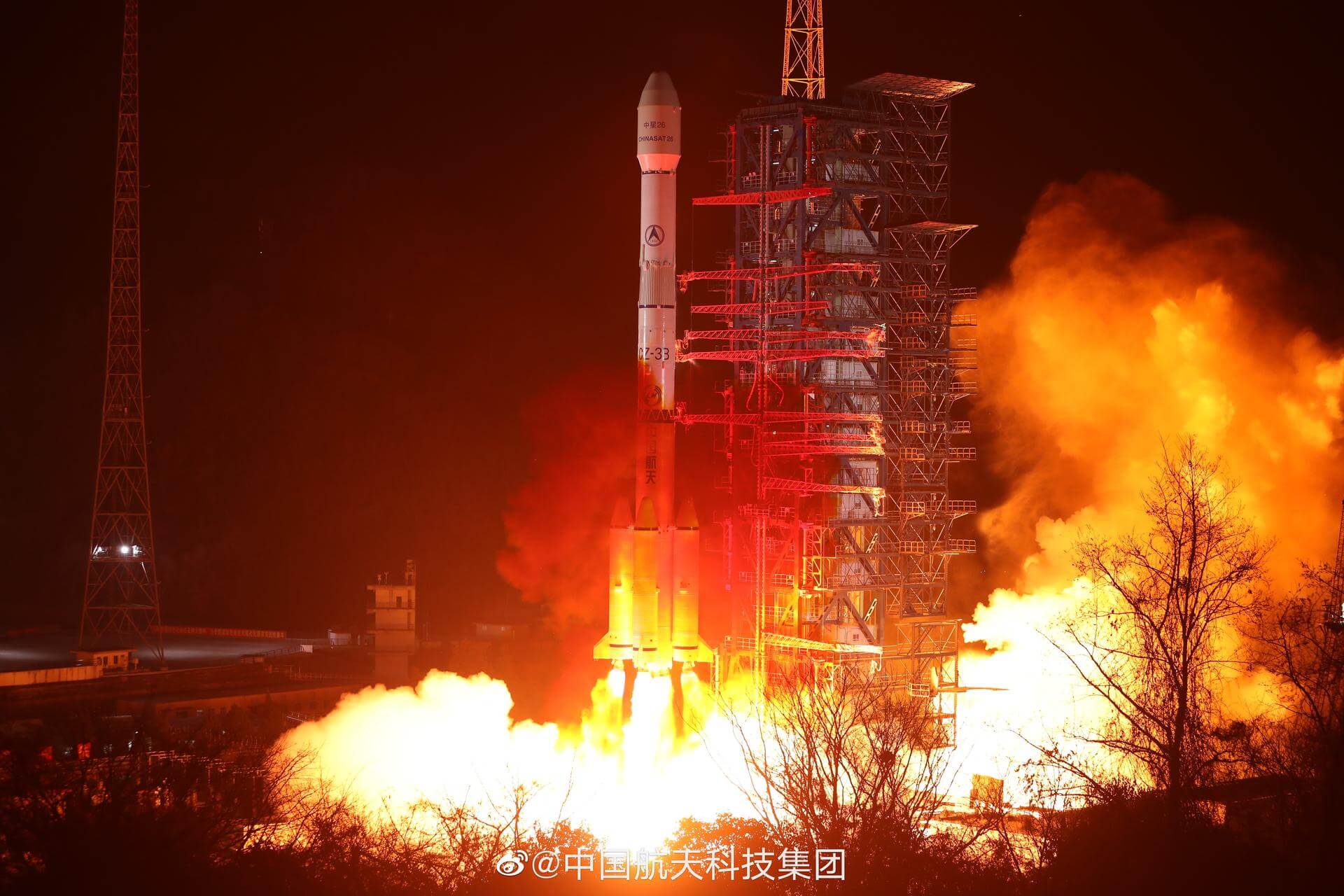
House appropriators approved $55.5 billion for Space Force but omitted $350 billion reconciliation funds, threatening Golden Dome and large-scale space programs' acquisition timelines.
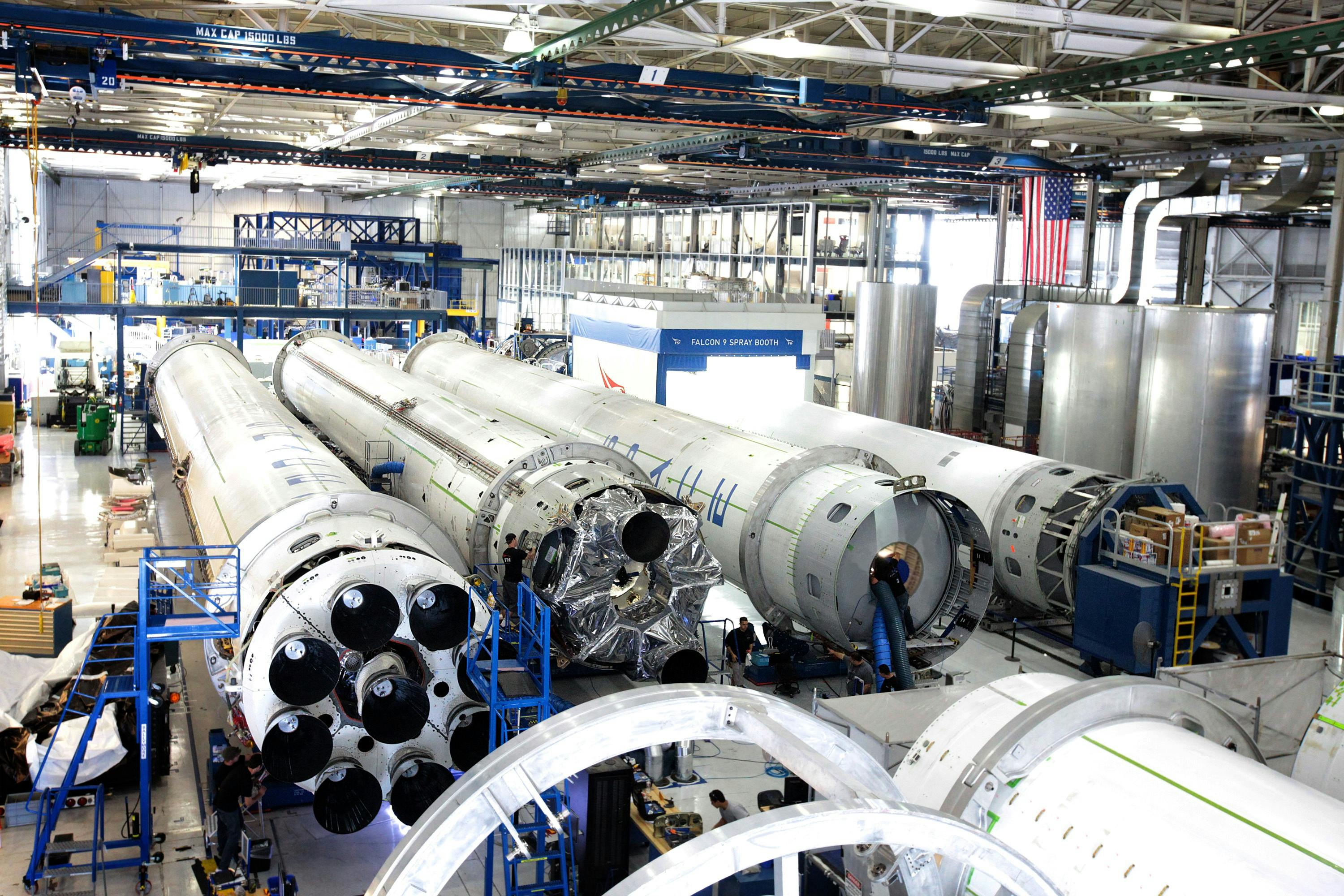
SpaceX achieves a new milestone with a Falcon 9 landing near The Bahamas, closely following Rocket Lab's successful satellite launch.

On April 22, 2026, the FAA published a final rule implementing per-launch user fees for commercial space transportation — the first time the U.S. government has charged payload-based fees for rocket launches. Starting at 25 cents per pound with a $30,000 cap, the fees are modest today. By 2033, they won't be.
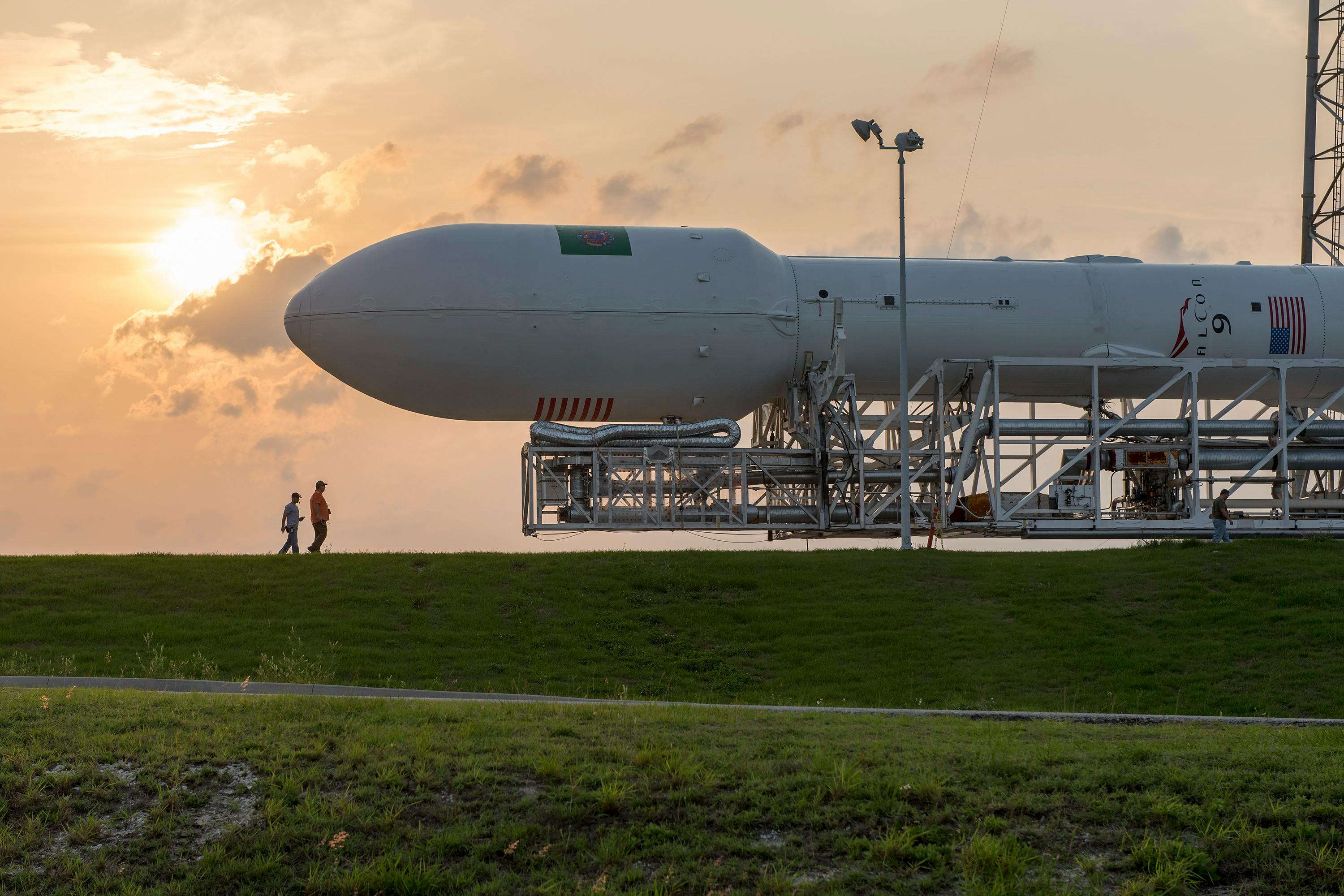
SpaceX faces a launch delay at Cape Canaveral and continues to advance Starship development.
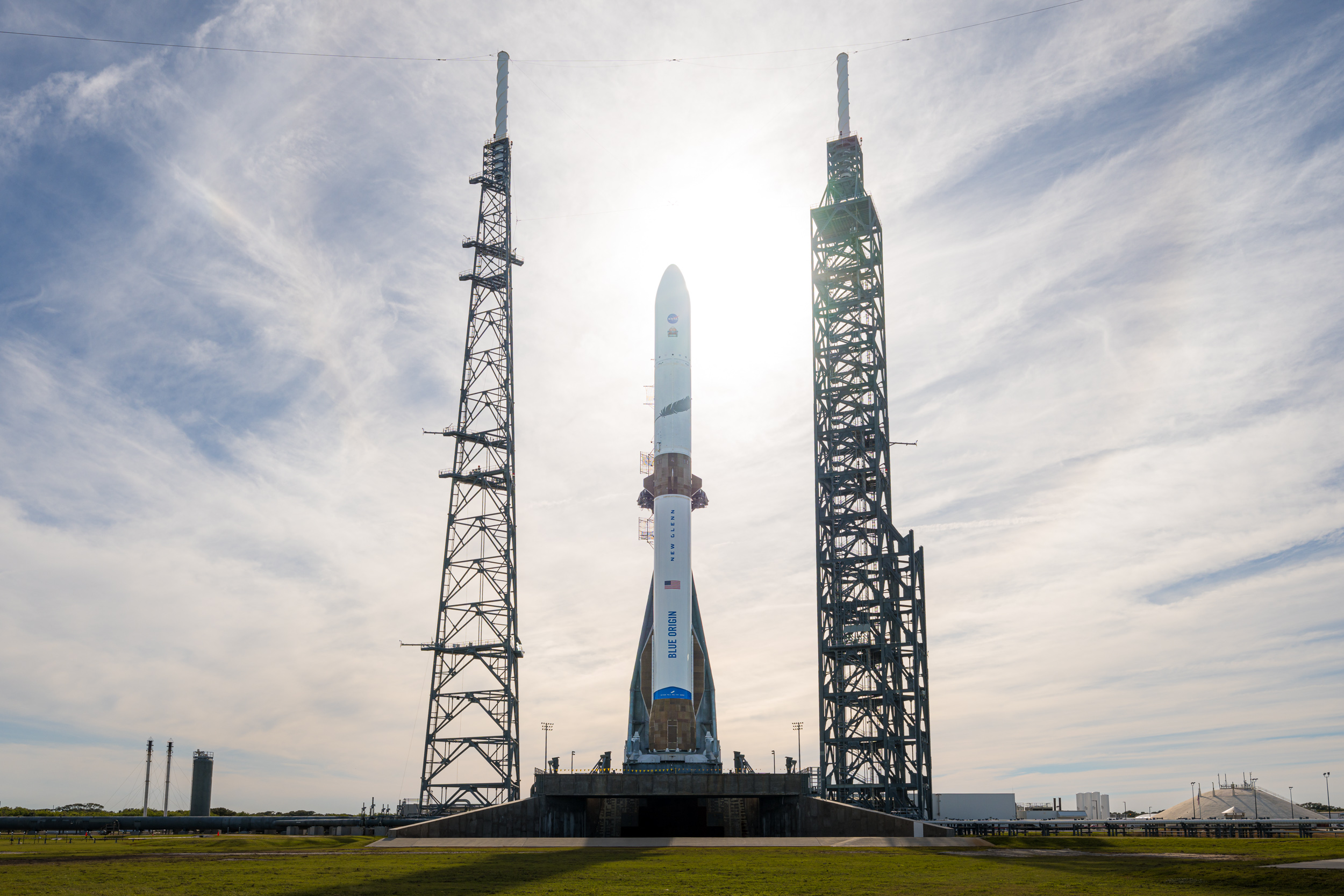
Artemis 2 astronauts completed first crewed lunar flyby since Apollo 17, traveling 690,000 miles aboard Orion. Four crew validated deep-space systems.