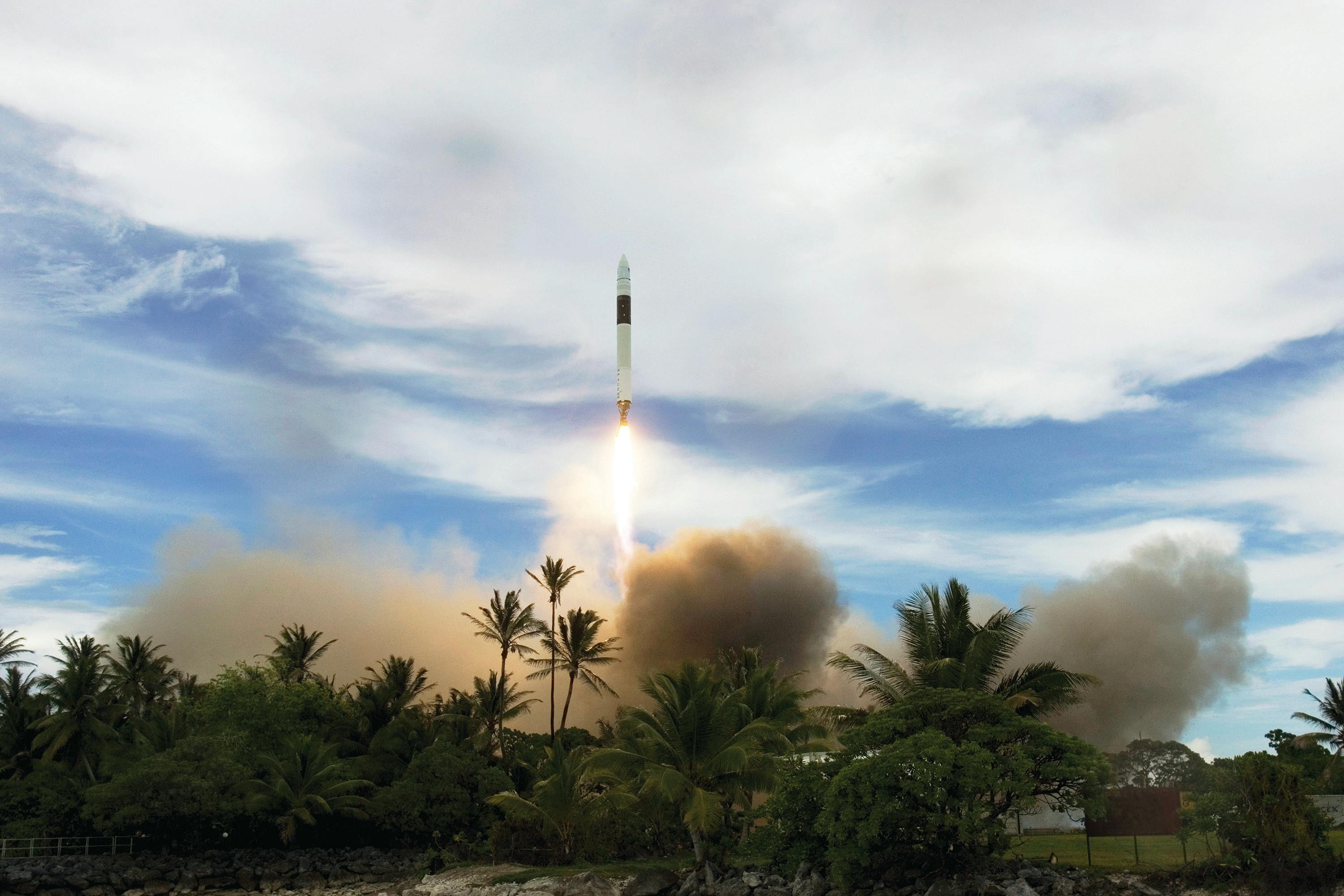
COSMOS 1109 DEB (13960)

COSPAR: 1979-058H | Alt Name: deb Kosmos-1109
DECAYED

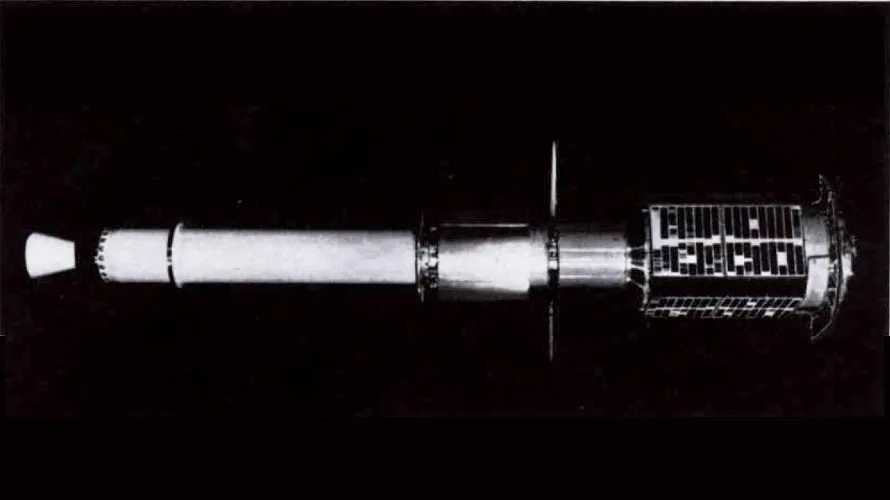
Image
COSMOS 1109 DEB Satellite Image
Additional Sources
Launch Details

Launch Date

June 27, 1979

Launch Site

PLMSC

Launch Pad

LC41/1

Launch Vehicle

Molniya 8K78M

Orbital Elements

NORAD ID

13960

International Designator

1979-058H

Decay Date

5/15/2012

Basic Satellite Info

Name

COSMOS 1109 DEB

Alternative Name

deb Kosmos-1109

Type

Debris

Status

Space Junk

Owner

GUKOSR

Country

USSR

Constellation

N/A

Related Satellites

Major Events

N/A

Summary
Space debris, also known as space junk, encompasses all non-functional objects orbiting Earth such as defunct satellites, spent rocket stages, and fragments from collisions or disintegrations. Over time, this debris can accumulate and create an increasingly hazardous environment in orbit. Even tiny fragments, traveling at extremely high velocities, can inflict significant damage on operational satellites and spacecraft. If left unmanaged, the density of debris raises the risk of catastrophic collisions and further fragmentation, compounding the problem and threatening the safety and sustainability of space activities.
Physical Characteristics

Length

0

Diameter

0

Span

0

Dry Mass

0

Launch Mass

0

Shape

N/A

Radar Cross Section

1.5861

Visual Magnitude

Unknown

Color

Unknown

Material Composition

Unknown

Technical Details

Payload

Unknown

Purpose

Unknown

Mission

Unknown

Manufacturer

Unknown

Life Expectancy

Unknown

Bus

Unknown

Configuration

Unknown

Motor

Unknown

Equipment

Unknown

Power System

Unknown

ADCS

Unknown

Transmitter Frequency

Unknown

Satellite Articles

View All Posts »

Learn more about satellites and other related topics.

SpaceX Preps First February Starlink Launch, Orbital Data Centers Gain Traction | KeepTrack X Report

SpaceX Preps First February Starlink Launch, Orbital Data Centers Gain Traction | KeepTrack X Report

SpaceX readies Starlink 17-32 launch of 25 satellites from Vandenberg. Orbital data center economics draw attention from Musk and Bezos. 9,614 Starlink sats on orbit.

Space Brief 16 Aug 2025

Space Brief 16 Aug 2025

Today's brief covers ULA's new mission for the US Space Force, China's moon rocket test, delays in the DARC radar system, and SpaceX's Starlink launches.

Space Force Races to Rebuild Workforce After Civilian Cuts | KeepTrack Space Brief

Space Force Races to Rebuild Workforce After Civilian Cuts | KeepTrack Space Brief

Space Force urgently rebuilds contracting workforce after civilian reductions. Pentagon defense strategy shifts focus to homeland defense. Tom Ainsworth named top Air Force space acquisition officer.

108 Minutes That Changed Everything - and the 20-Year Echo That Followed

108 Minutes That Changed Everything - and the 20-Year Echo That Followed

On April 12, 1961, a 27-year-old Soviet pilot rode a modified ICBM into orbit and came back alive after 108 minutes. Exactly twenty years later, two Americans climbed aboard an untested spacecraft covered in 31,000 ceramic tiles and bet their lives that the math was right.

X Report 31 Oct 2025

X Report 31 Oct 2025

SpaceX prepares for its 100th Starlink launch while refining its lunar lander design for NASA's Artemis program amidst calls for architectural changes.

The Satellite That Found 22 Photons and Changed Astronomy

The Satellite That Found 22 Photons and Changed Astronomy

On April 27, 1961, a Scout rocket lifted a 37-kilogram NASA satellite into orbit from Wallops Island carrying the first serious instrument for detecting cosmic gamma rays. Explorer 11 operated for seven months before its tape recorder failed. In that time it registered 22 gamma-ray photons - a pitiful number by modern standards, but enough to launch an entire branch of astronomy.

X Report 7 Sep 2025

X Report 7 Sep 2025

SpaceX launches 24 Starlink satellites, pushing its 2025 total beyond 2,000, while facing community pushback in Florida for its Starship operations.

China's Rocket Factory Finds a Second Gear

China's Rocket Factory Finds a Second Gear

In 2024, China launched 68 orbital missions. In 2025, the number jumped to 97. In 2026, state media and Western analysts agree the target is 140 or more. Most of that growth is being driven by two state-backed mega-constellations, a half-dozen private launch companies hitting stride, and a deliberate national pivot toward commercial space. Beijing is no longer trying to catch SpaceX. It is trying to build an industrial base that outlasts one.