


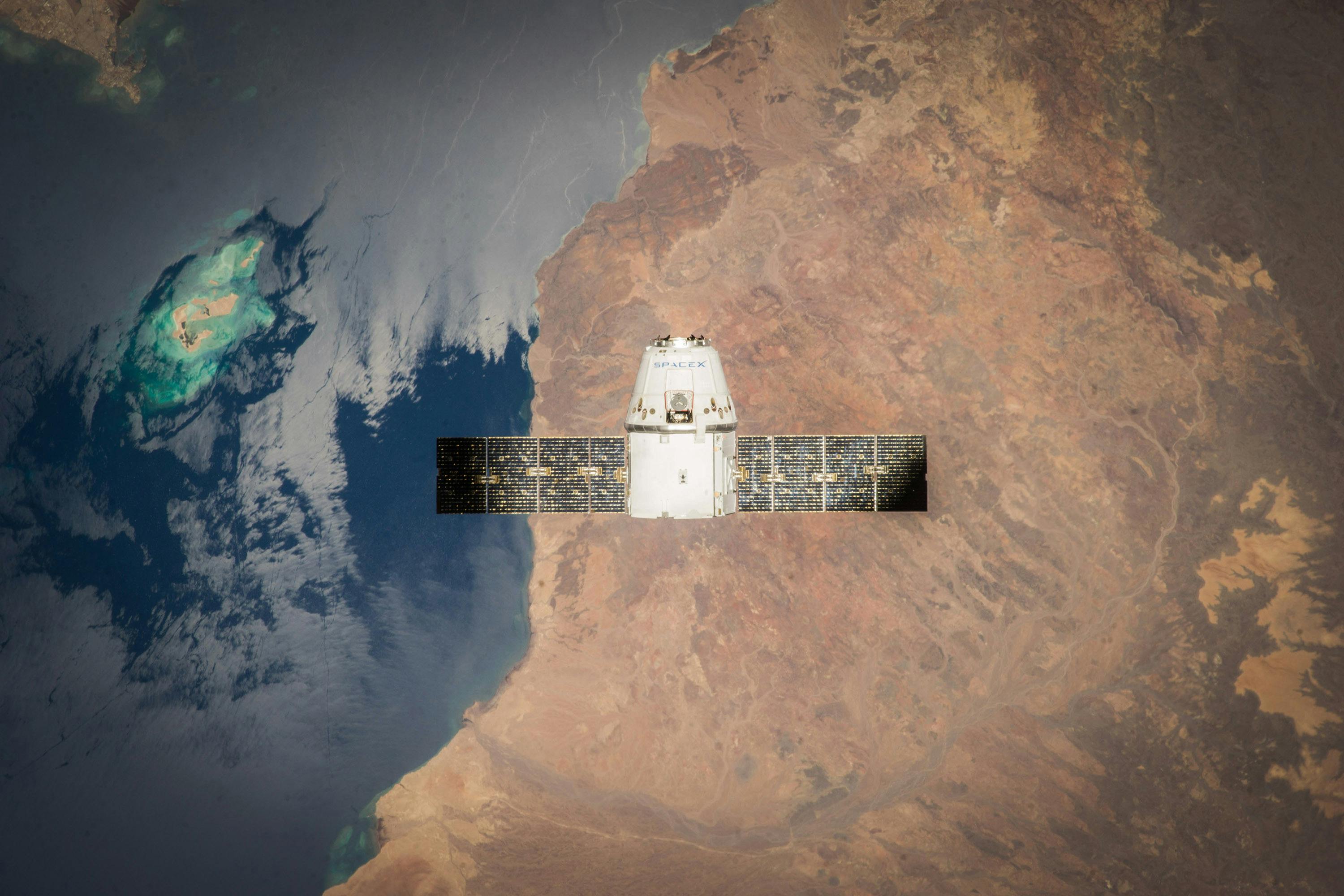
X Report 30 Sep 2025
SpaceX gears up for its next Starship flight while recent Falcon 9 missions make headlines with spectacular launches, bringing fresh Starlink satellites into orbit.


Launch Date
September 6, 1978
Launch Site
PLMSC
Launch Pad
LC43/4
Launch Vehicle
Molniya 8K78M
NORAD ID
13959
International Designator
1978-083G
Epoch
Thu, 15 Oct 2020 04:15:11 GMT
Apogee
Calculating...
Perigee
Calculating...
Inclination
70.61°
Right Ascension
131.08°
Eccentricity
Calculating...
Argument of Perigee
1.85°
Period
721.81 min
Mean Motion
1.99 rev/day
Latitude
Calculating...
Longitude
Calculating...
Altitude
Calculating...
Velocity
Calculating...
Name
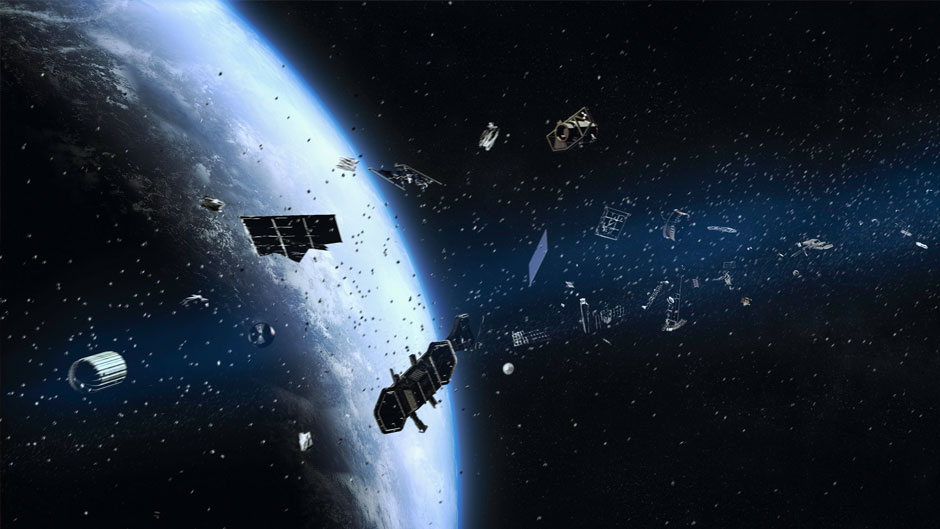
COSMOS 1030 DEB
Alternative Name
deb Kosmos-1030
Type
Status
Owner
GUKOSR
Country
USSR
Constellation
N/A
Related Satellites
Major Events
N/A
1 13959U 78083G 20289.17721591 .00000595 00000-0 00000-0 0 9996
2 13959 70.6123 131.0765 5329926 1.8532 359.6774 1.99498102284093
Source: Celestrak
Length
0
Diameter
0
Span
0
Dry Mass
0
Launch Mass
0
Shape
N/A
Radar Cross Section
0.1122
Visual Magnitude
Unknown
Color
Unknown
Material Composition
Unknown
Payload
Unknown
Purpose
Unknown
Mission
Unknown
Manufacturer
Unknown
Life Expectancy
Unknown
Bus
Unknown
Configuration
Unknown
Motor
Unknown
Equipment
Unknown
Power System
Unknown
ADCS
Unknown
Transmitter Frequency
Unknown
Learn more about satellites and other related topics.
SpaceX gears up for its next Starship flight while recent Falcon 9 missions make headlines with spectacular launches, bringing fresh Starlink satellites into orbit.

Today's brief covers the integration of commercial and military space capabilities, a notable change in Crew 12 mission, advancements in digital training for space operations, and more.
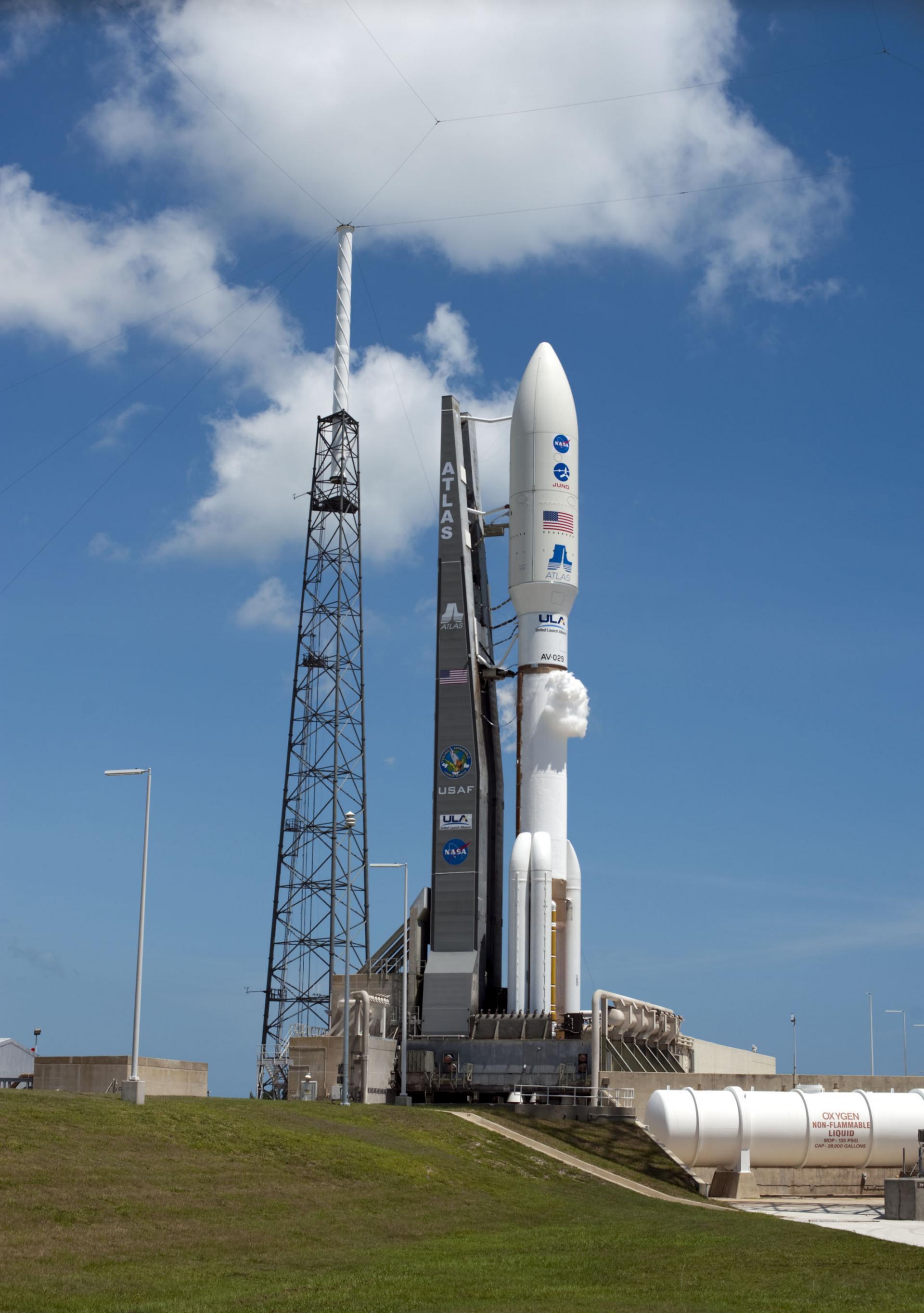
Today's brief covers SpaceX's potential government contract, the future of US Space Command headquarters, an auction record for Neil Armstrong's watch, and the volcanic history of Mars.

Key insights on Starship development challenges and latest Starlink satellite status.
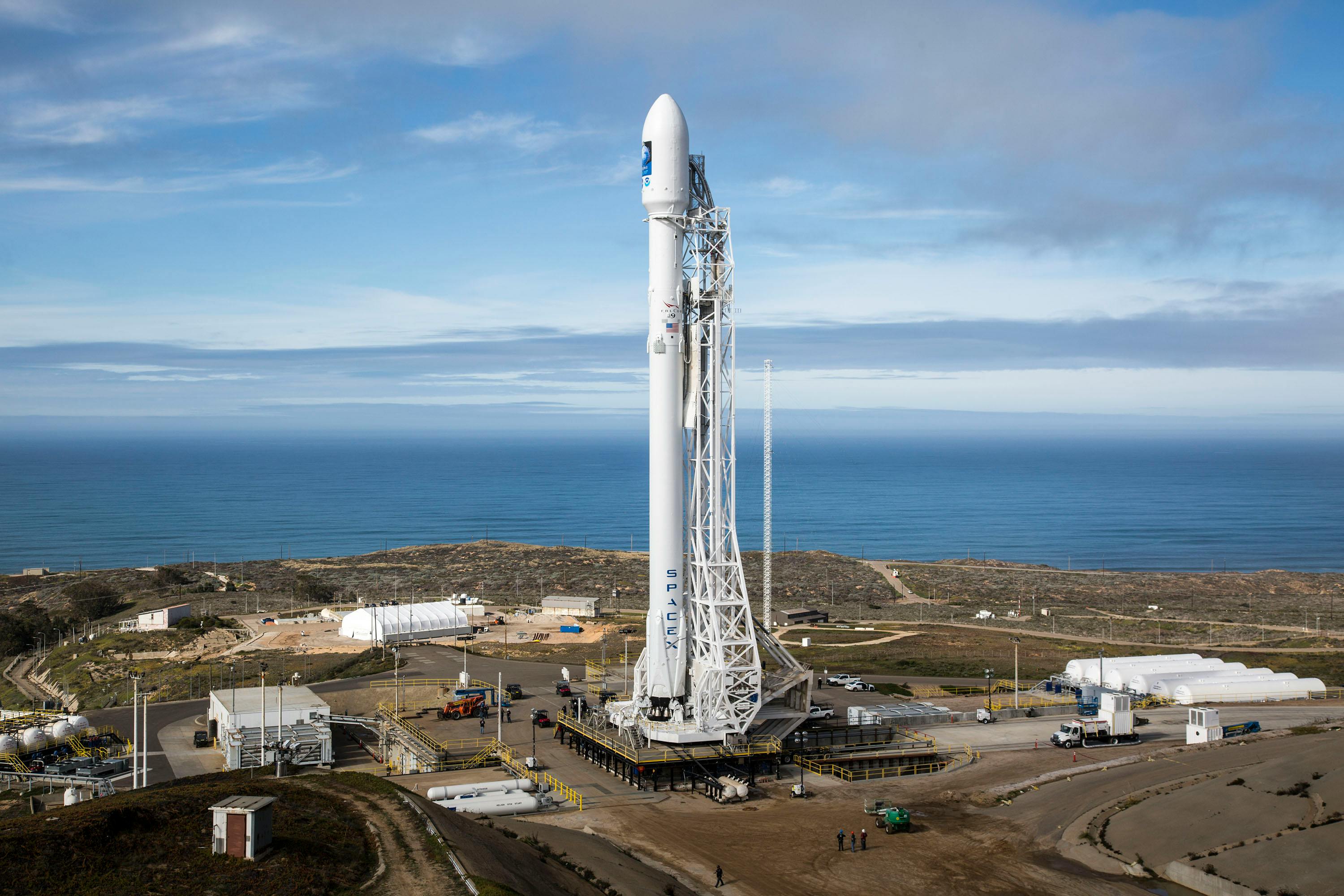
SpaceX successfully launched 43 Starlink satellites across two missions, marking significant achievements at Cape Canaveral and Vandenberg Space Force Bases.
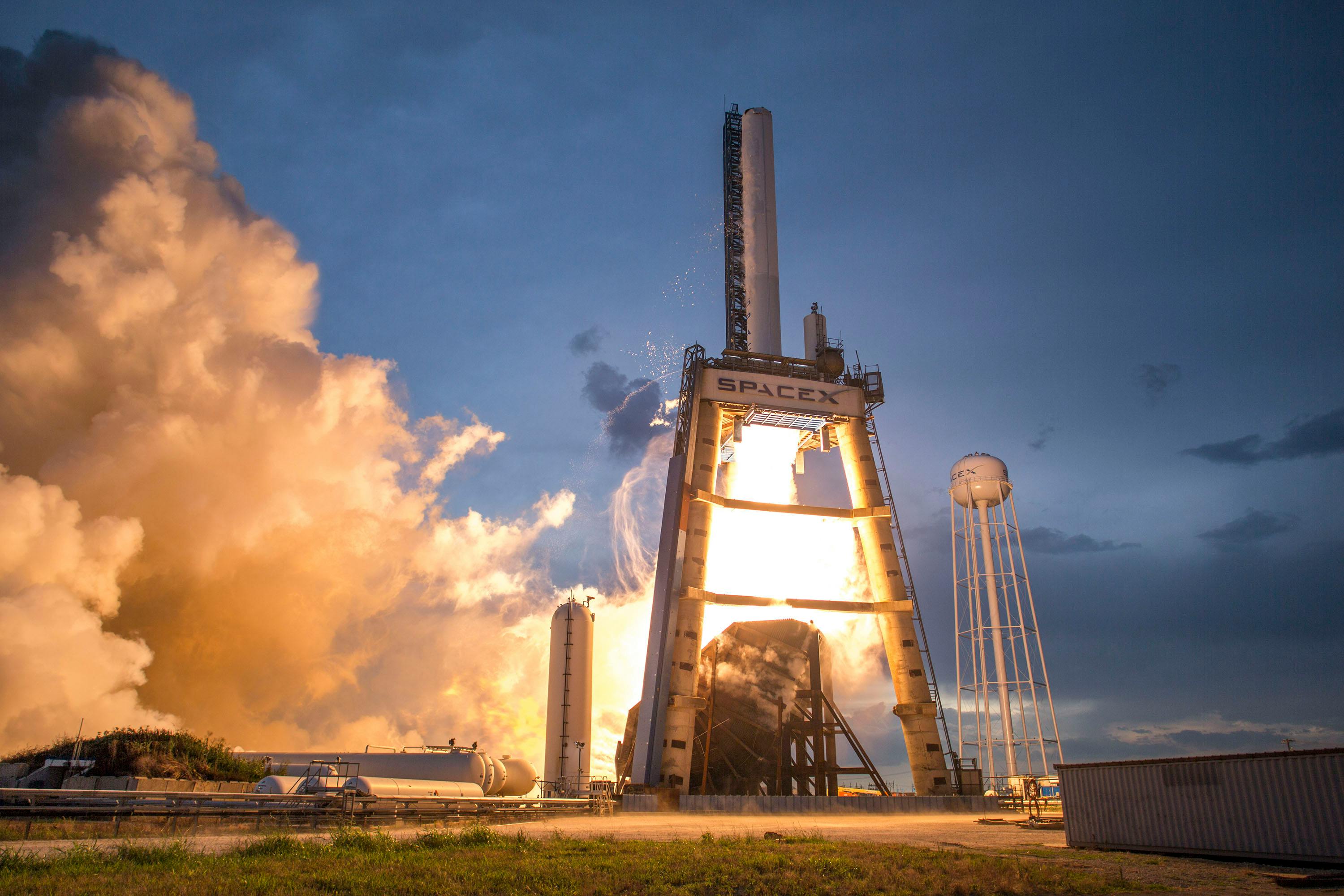
SpaceX completes multiple successful launches, enhancing its Starlink constellation with new satellites while resolving personnel issues related to Crew 12.
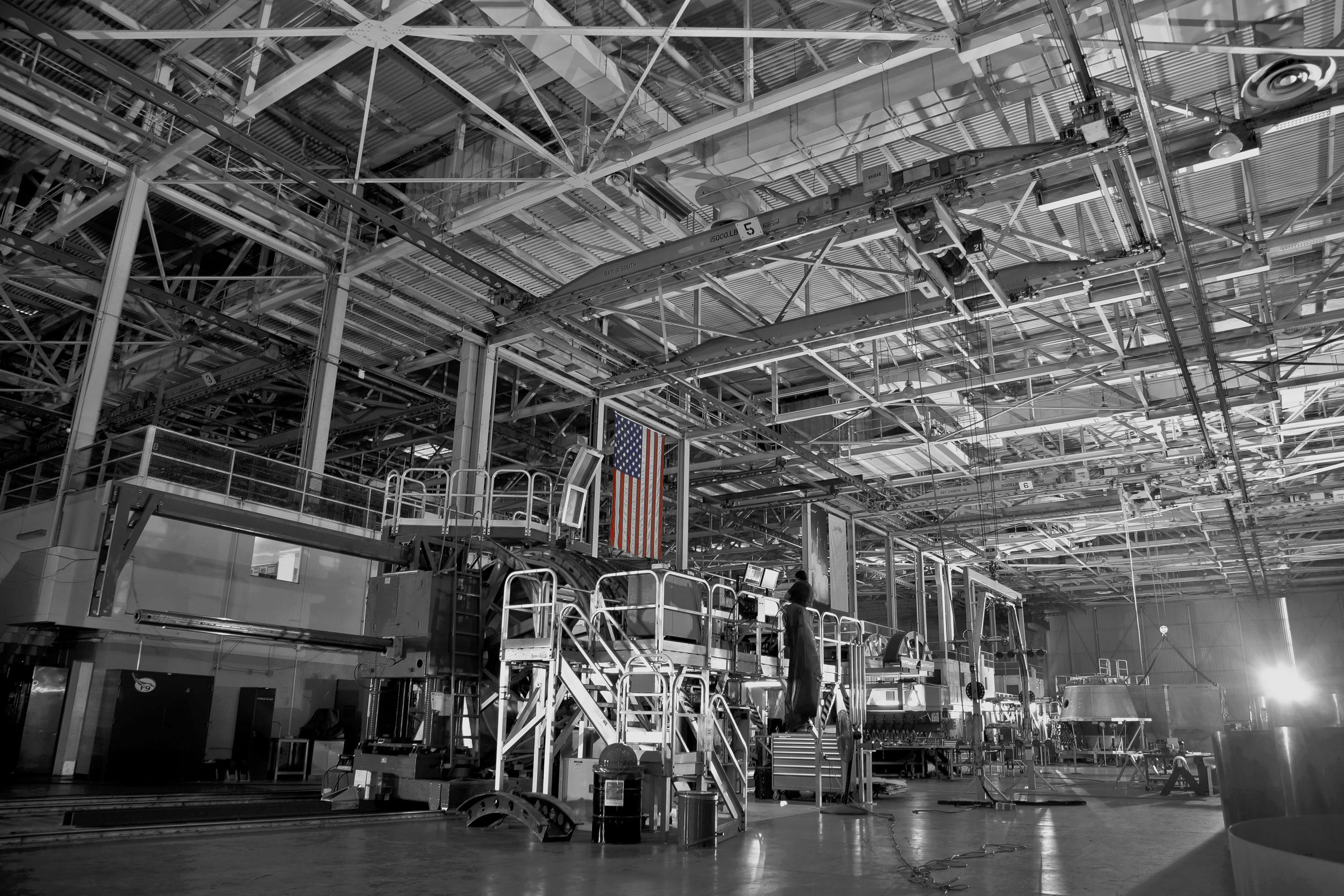
SpaceX successfully launched 21 military satellites, marking a key achievement in national security efforts, while preparations continue for the upcoming NASA mission and insights emerge from the Starship development process.
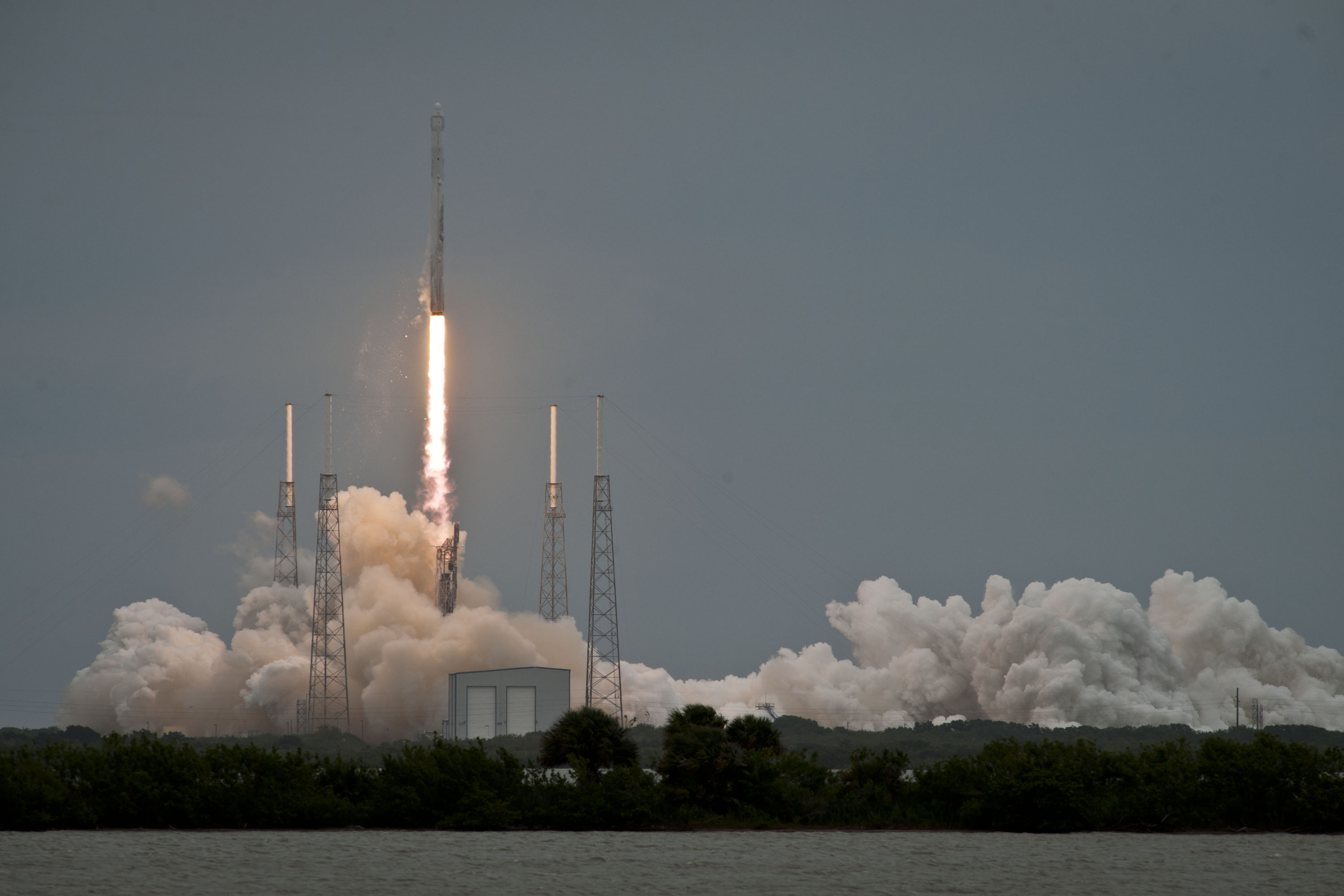
On April 18, 2014, a Falcon 9 first stage did something no orbital rocket had ever done before. It fired its engines on the way down, steered itself through the atmosphere using grid fins that did not yet exist, and touched the Atlantic Ocean softly enough to survive the impact. Nobody recovered it. The data was the whole point.