


X Report 11 Feb 2025
SpaceX successfully launches 23 Starlink satellites, NASA selects SpaceX for astrophysics mission, and Starship Flight 8 advances with Booster 15 static fire.


Launch Date
June 3, 1965
Launch Site
Launch Pad
LC19
Launch Vehicle
Titan II GLV
NORAD ID
01390
International Designator
N/A
Decay Date
6/7/1965
Name
GEMINI 4
Alternative Name
Gemini IV
Type
Status
Owner
MSC
Country
United States
Constellation
N/A
Related Satellites
Major Events
N/A
Apologies, there is no summary for this satellite yet. I am working to generate these for every object in the catalog, but it is going to take time.
Length
3.5
Diameter
1.2
Span
3.5
Dry Mass
2134
Launch Mass
2134
Shape
Cone + Cyl
Radar Cross Section
Unknown
Visual Magnitude
Unknown
Color
Unknown
Material Composition
Unknown
Payload
Gemini SC4
Purpose
Unknown
Mission
Unknown
Manufacturer
MCDA
Life Expectancy
Unknown
Bus
Gemini
Configuration
Unknown
Motor
Unknown
Equipment
Unknown
Power System
Unknown
ADCS
Unknown
Transmitter Frequency
Unknown
Learn more about satellites and other related topics.
SpaceX successfully launches 23 Starlink satellites, NASA selects SpaceX for astrophysics mission, and Starship Flight 8 advances with Booster 15 static fire.
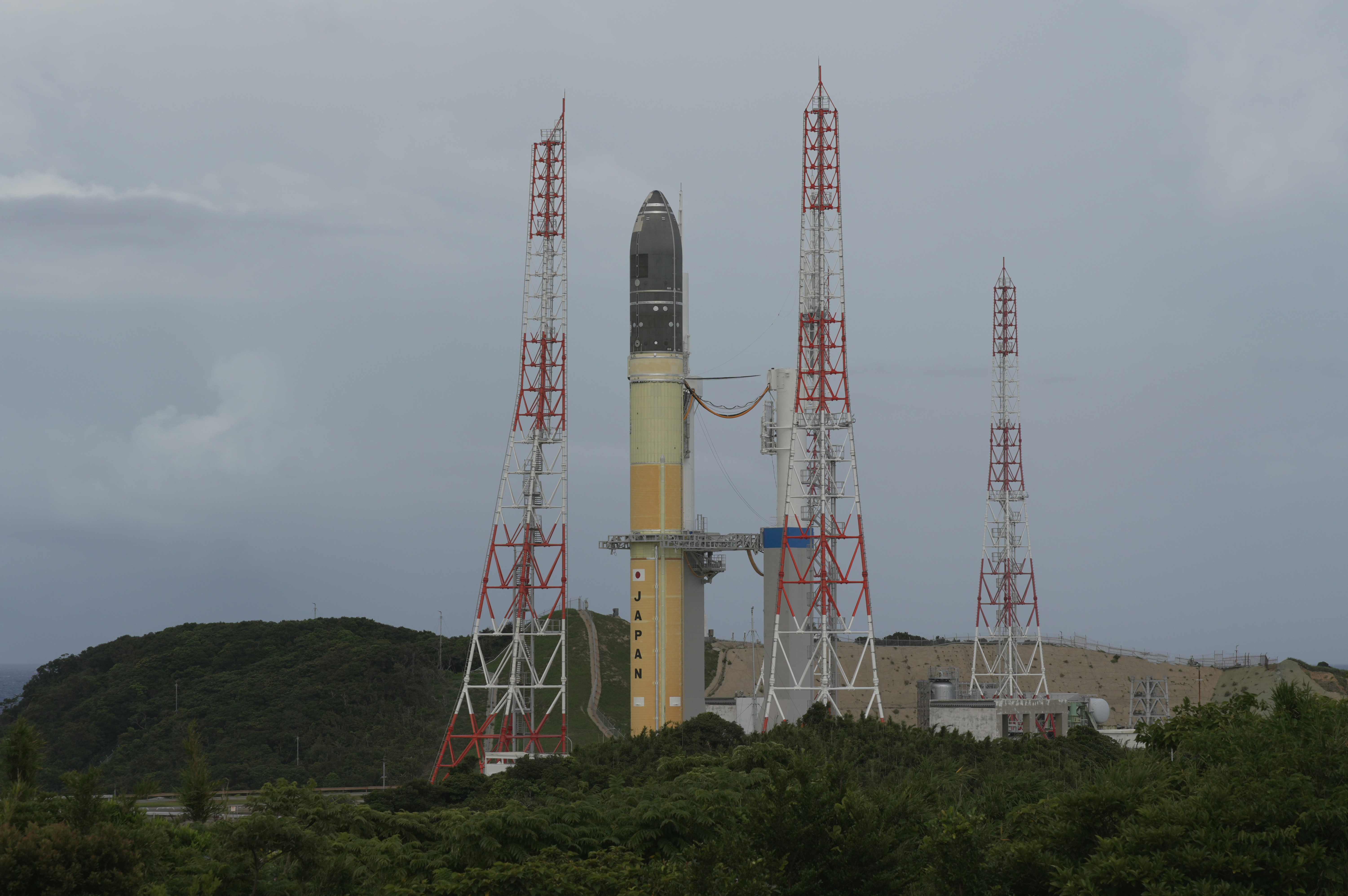
NASA demands Blue Origin find alternate launcher for Artemis moon landers after New Glenn test explosion damaged Cape Canaveral LC-36. Schedule risk to lunar missions.
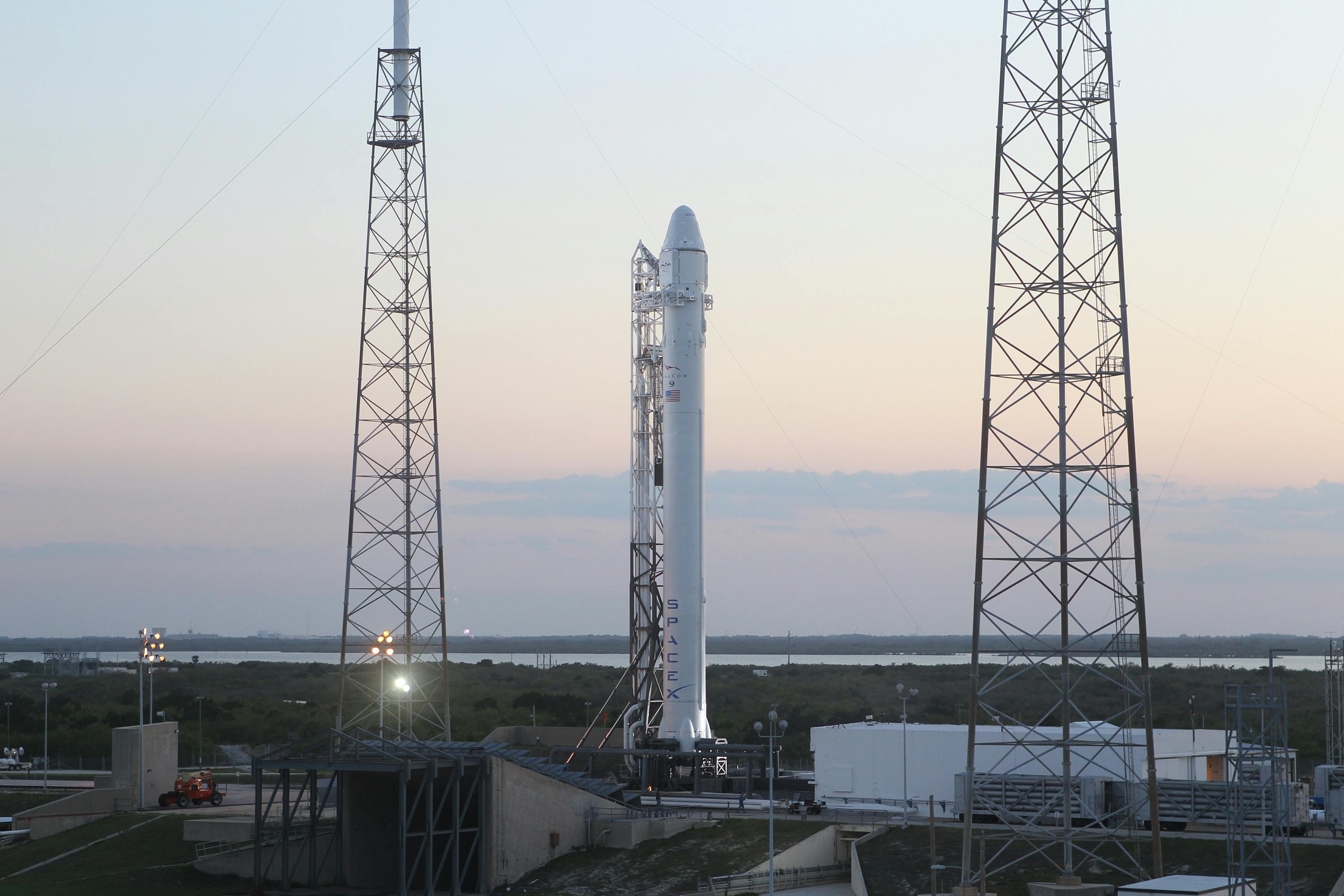
SpaceX successfully launched its 300th Starlink mission, deploying 24 new satellites to further expand its internet service coverage worldwide.

Discover today's key space events: SpaceX's Starlink launch, rocket debris risks, and advancements in nuclear rocket technology.
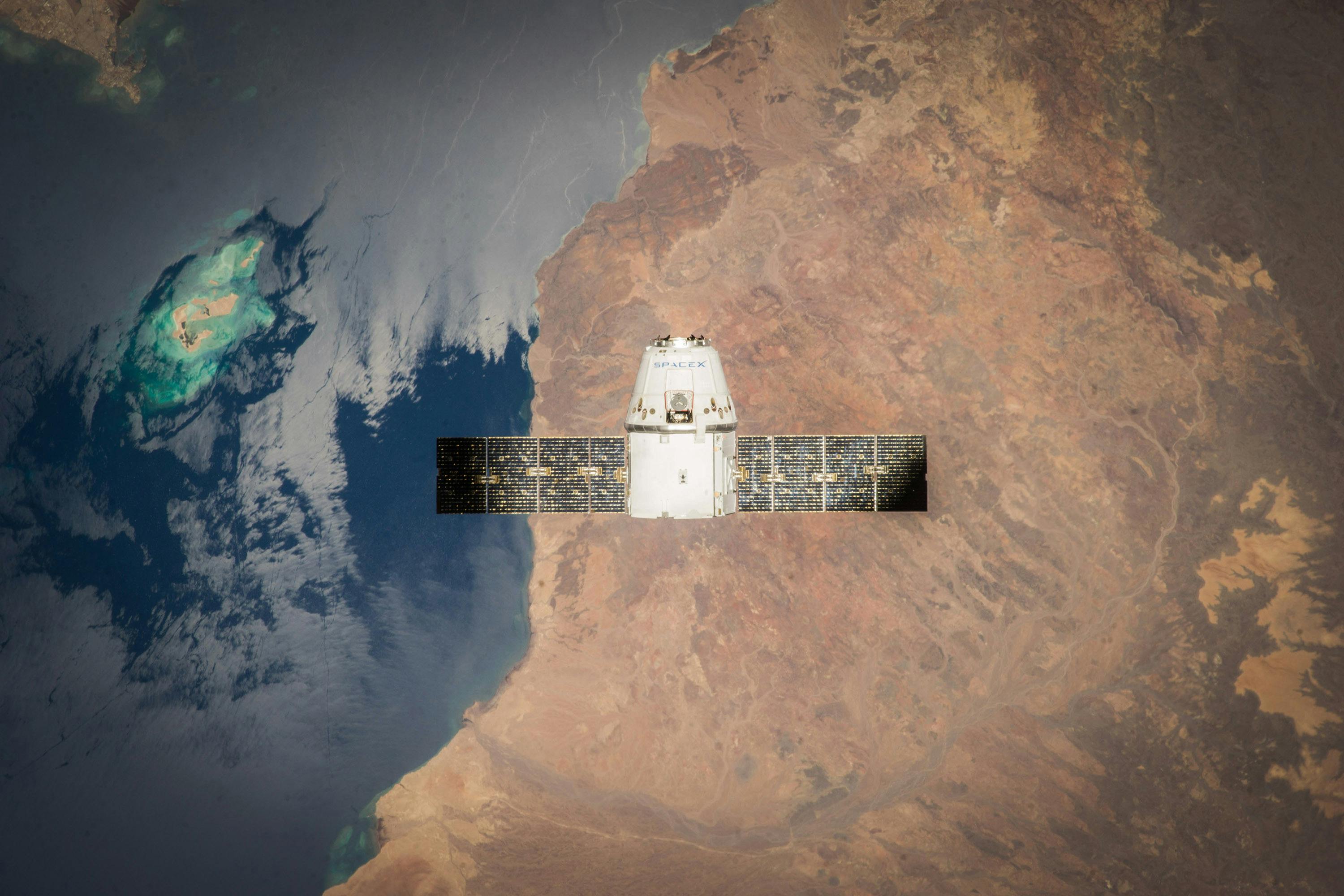
SpaceX executes dual Starlink launches and secures Dragonfly mission contract while managing NRO satellite deployment.
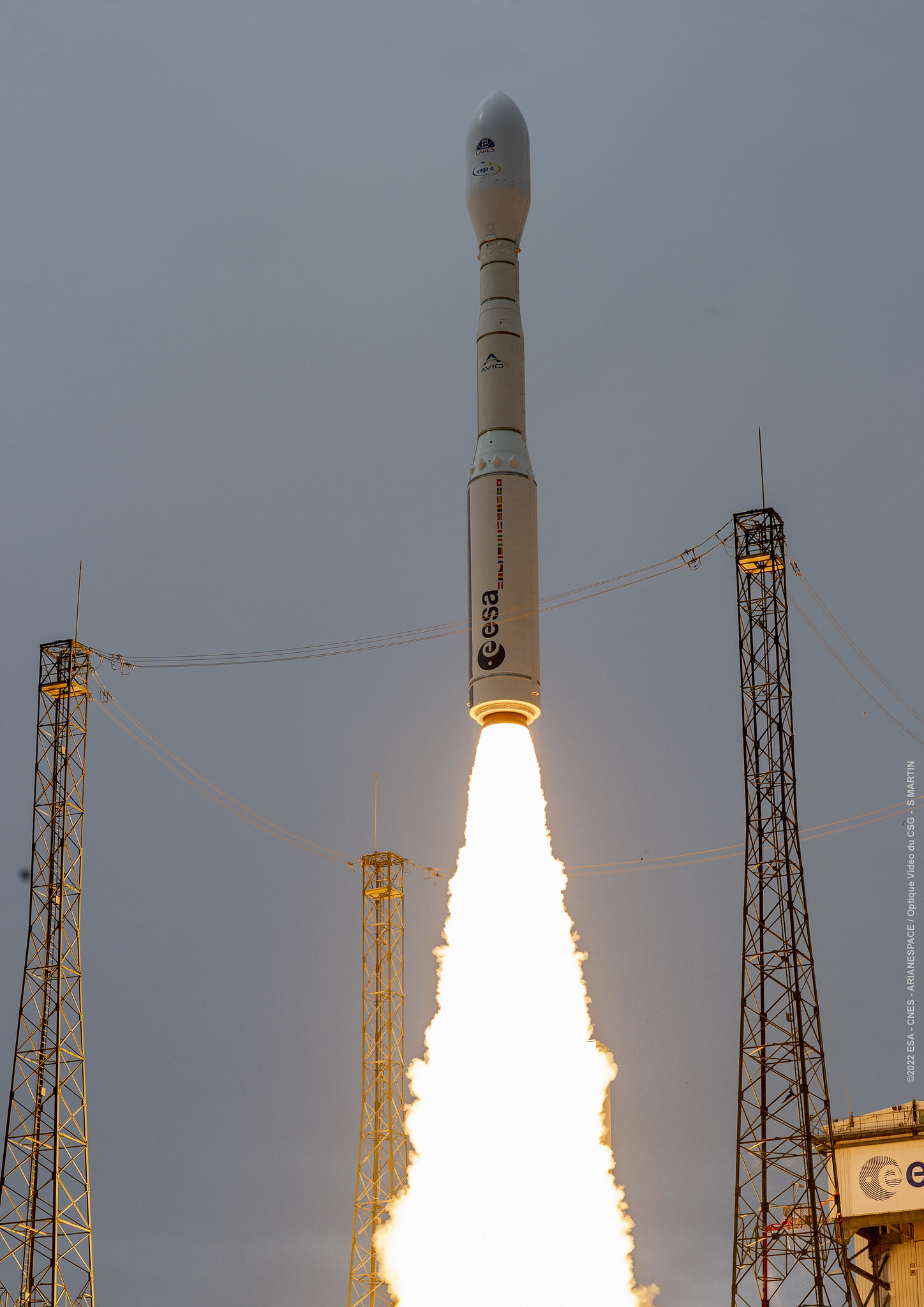
Highlights include significant advances in satellite refueling experiments, a key design milestone for missile defense, and a feature on the satellite Cosmos 2246.

Forty years ago today, a Delta 3914 lifted off Cape Canaveral with a weather satellite the country could not afford to lose. Seventy-one seconds later, its main engine cut off. Ninety-one seconds in, the range safety officer pressed his button. The third domino of a brutal 1986 had fallen.
A brief journey through the evolution of space stations, delving into Russia's Mir, the International Space Station, China's Tiangong, and envisioning the future of orbital habitats.