

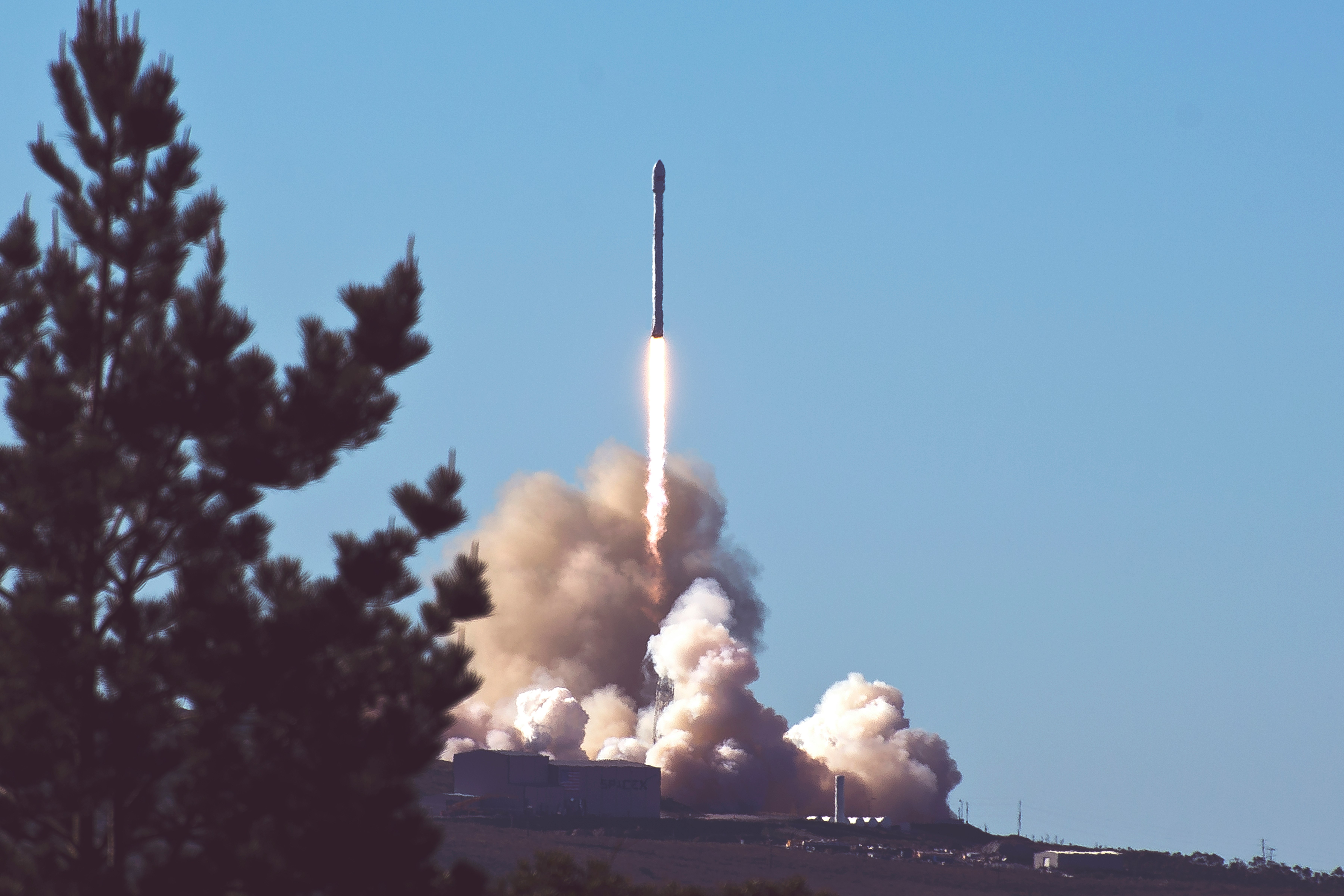
FCC Shuts SpaceX Out of Key D2D Spectrum, X Report 25 Apr 2026
FCC dismisses SpaceX spectrum challenges, blocking key D2D frequencies. A $57M Golden Dome crosslink demo and software group seat soften the blow.


Launch Date
March 12, 1983
Launch Site
Launch Pad
LC200/40
Launch Vehicle
Proton-K/DM
NORAD ID
13879
International Designator
1983-016B
Decay Date
3/14/1983
Name
SL-12 R/B(1)
Alternative Name
Proton-K 304-02 Stage 3
Type
Status
Owner
RVSN
Country
USSR
Constellation
N/A
Related Satellites
Major Events
N/A
Length
6.5
Diameter
4.2
Span
6.5
Dry Mass
4185
Launch Mass
4185
Shape
Cyl
Radar Cross Section
Unknown
Visual Magnitude
Unknown
Color
Unknown
Material Composition
Unknown
Payload
8S812
Purpose
Unknown
Mission
Unknown
Manufacturer
ZIKH
Life Expectancy
Unknown
Bus
8S812
Configuration
Unknown
Motor
Unknown
Equipment
Unknown
Power System
Unknown
ADCS
Unknown
Transmitter Frequency
Unknown
Learn more about satellites and other related topics.
FCC dismisses SpaceX spectrum challenges, blocking key D2D frequencies. A $57M Golden Dome crosslink demo and software group seat soften the blow.

On May 4, 1989, Space Shuttle Atlantis lifted off from LC-39B carrying Magellan, NASA's first interplanetary mission since 1978. The eleven-year drought ended in a payload bay, and the radar that emerged would map ninety-eight percent of Venus through clouds that no camera could ever see through.

SpaceX faces setbacks with Starship Flight 7 as FAA launches an investigation, while future transportation policies might impact SpaceX operations. Meanwhile, the Starlink constellation continues strong.
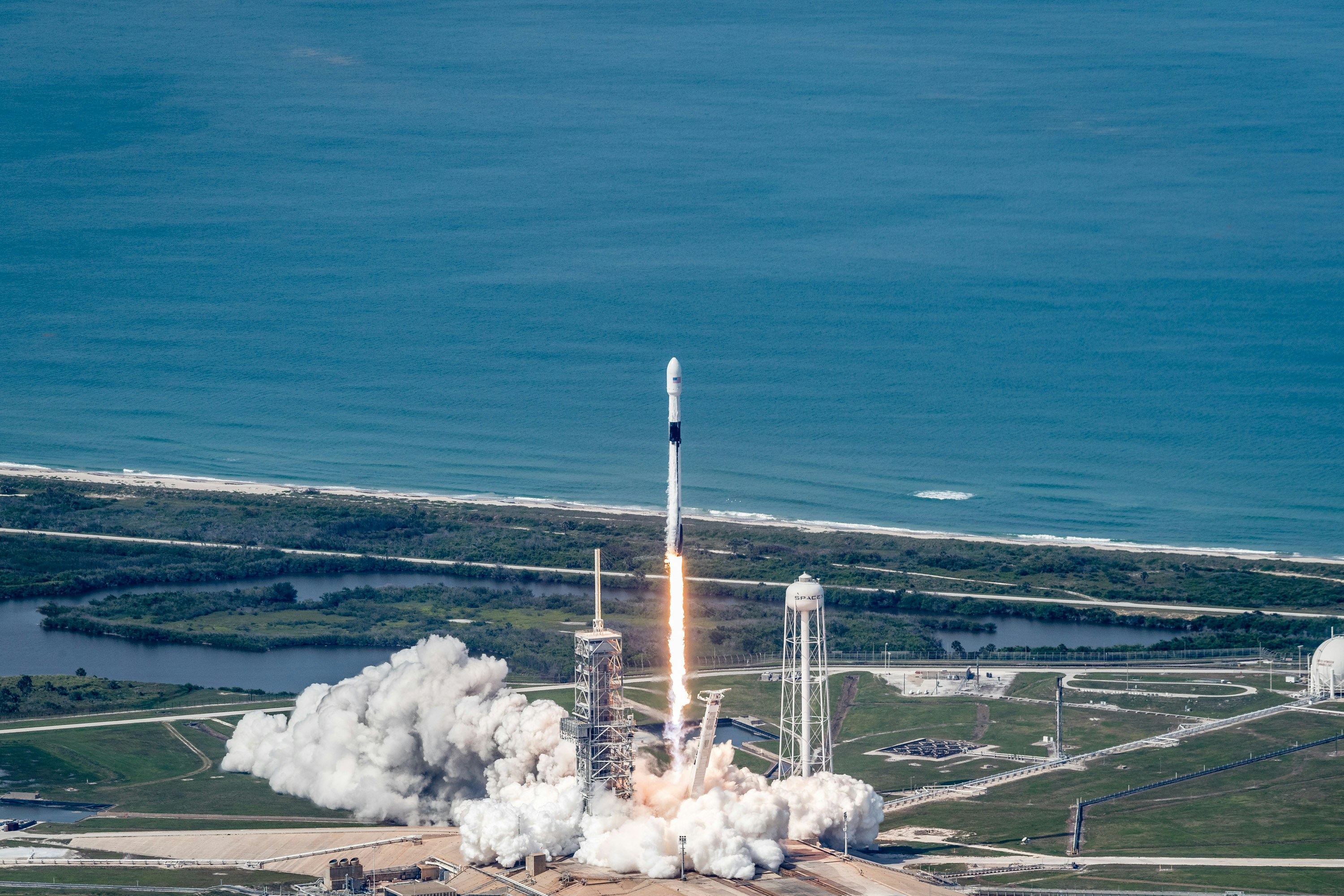
Starship receives FAA approval for its next test flight, while SpaceX prepares to launch more Starlink satellites amidst reaching 5 million subscribers.
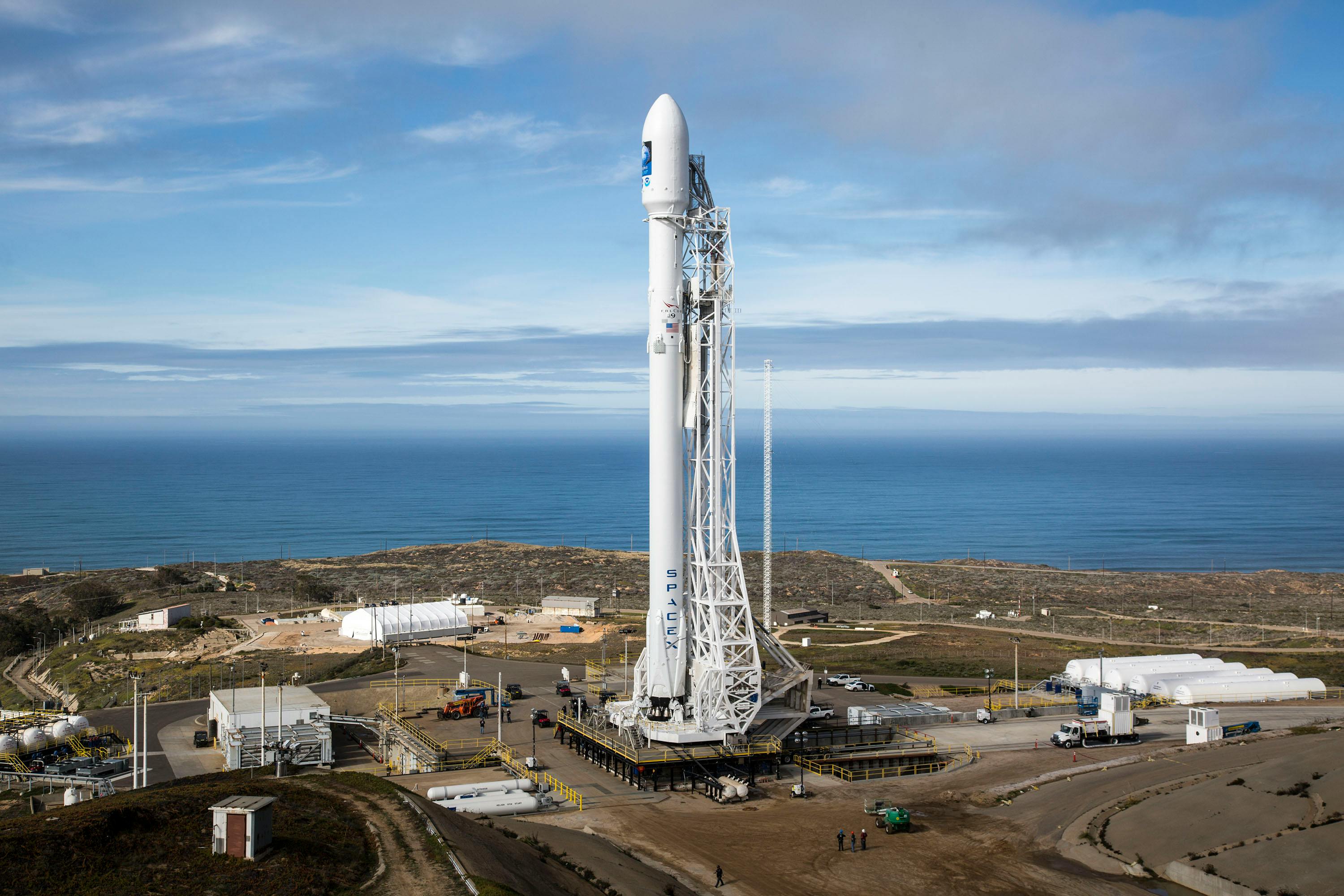
SpaceX successfully launched 28 Starlink satellites aboard a Falcon 9 rocket, marking significant advancements in their deployment and operational capabilities.

Today's Space Brief covers the Space Force's AI integration, NASA's lunar nuclear reactor plans, ESA's Flight Ticket Initiative, Martian mantle revelations, and SpaceX's latest Starlink launch.
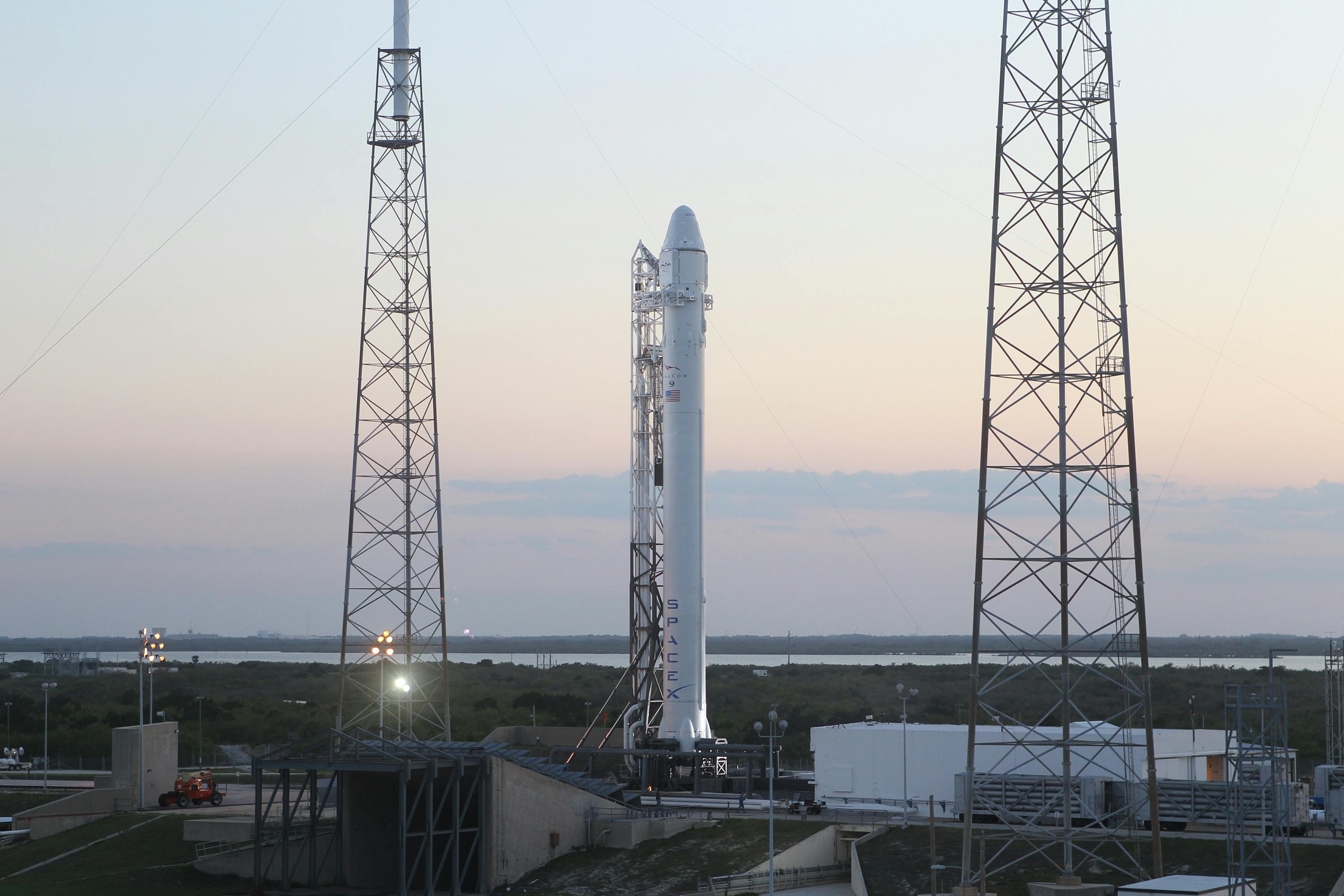
NASA plans first-ever medical evacuation from ISS using SpaceX Crew Dragon for Crew-11 astronaut. Starlink 6-96 mission scrubbed and rescheduled. Starbase Pad 1 tower and launch mount under review.
Today's briefing focuses on key developments in military space activities, technological advancements, and strategic challenges faced by the U.S. in space dominance. Notably, the Space Force is expanding its missile warning capabilities, and significant funding discussions are underway.