COSMOS 1443 DEB (13872)

COSPAR: 1983-013C | Alt Name: TKS adapter
DECAYED

Image
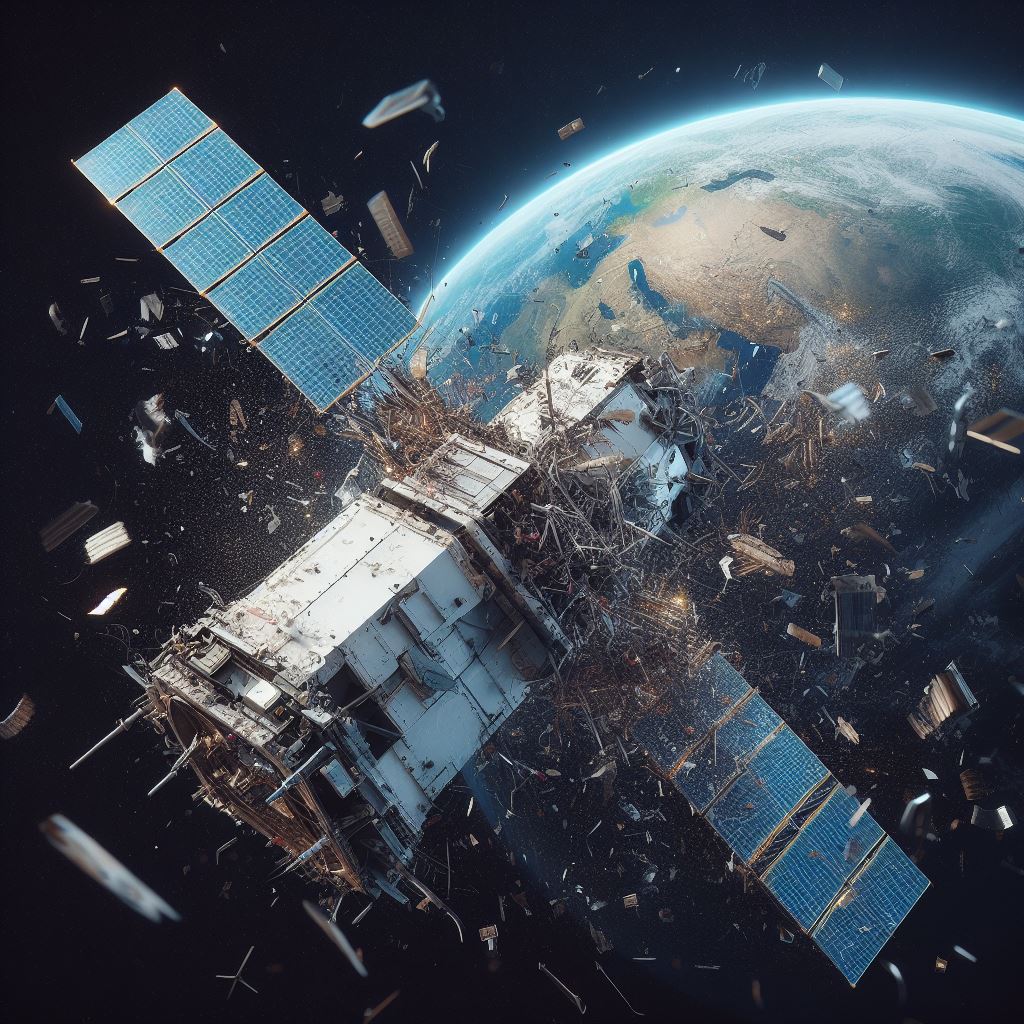
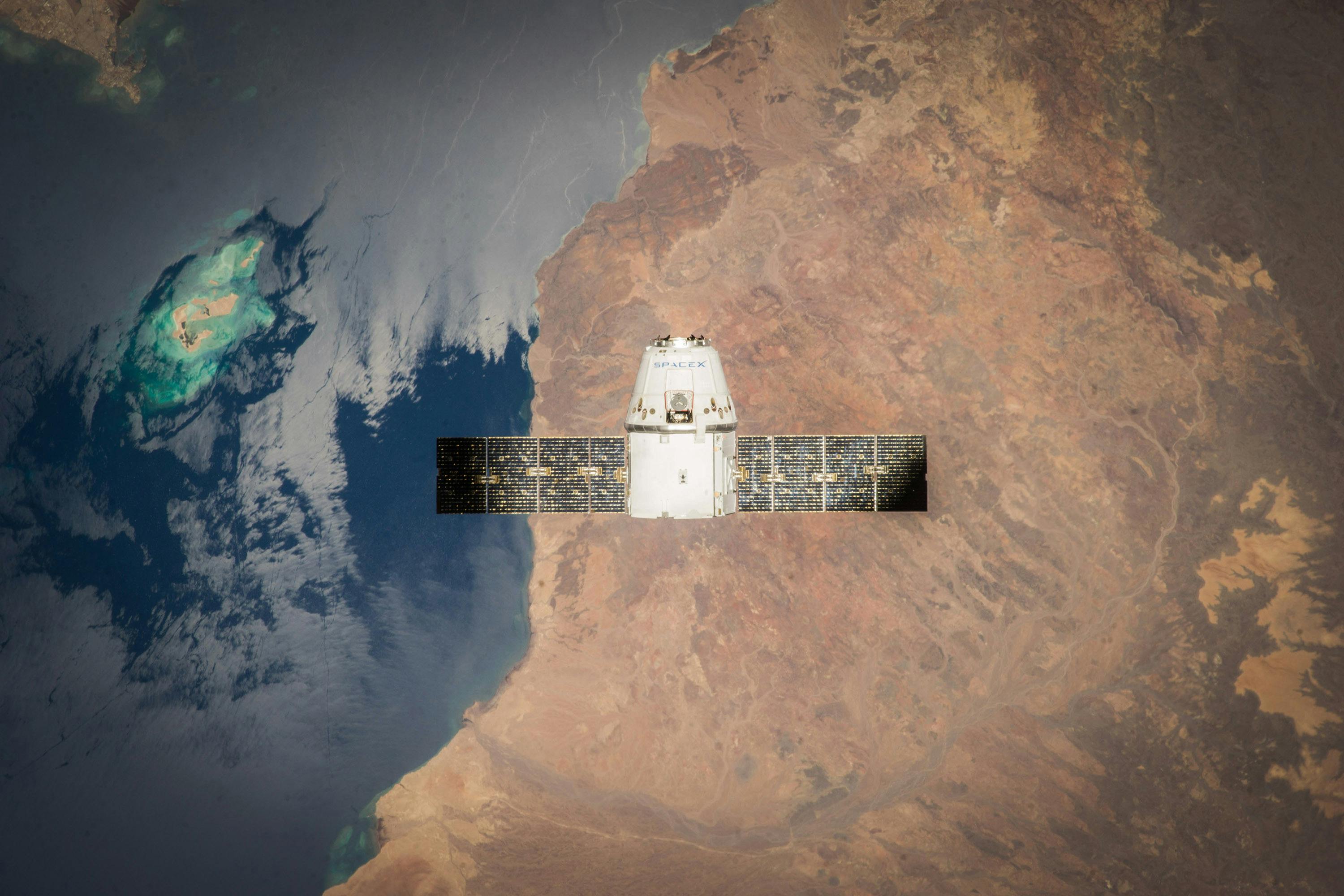
COSMOS 1443 DEB Satellite Image
Additional Sources
Launch Details

Launch Date

March 2, 1983

Launch Pad

LC200/39

Launch Vehicle

Proton-K

Orbital Elements

NORAD ID

13872

International Designator

1983-013C

Decay Date

3/4/1983

Basic Satellite Info

Name

COSMOS 1443 DEB

Alternative Name

TKS adapter

Type

Debris

Status

Space Junk

Owner

GUKOS

Country

USSR

Constellation

N/A

Related Satellites

Major Events

N/A

Summary
Space debris, also known as space junk, encompasses all non-functional objects orbiting Earth such as defunct satellites, spent rocket stages, and fragments from collisions or disintegrations. Over time, this debris can accumulate and create an increasingly hazardous environment in orbit. Even tiny fragments, traveling at extremely high velocities, can inflict significant damage on operational satellites and spacecraft. If left unmanaged, the density of debris raises the risk of catastrophic collisions and further fragmentation, compounding the problem and threatening the safety and sustainability of space activities.
Physical Characteristics

Length

0

Diameter

0

Span

0

Dry Mass

0

Launch Mass

0

Shape

N/A

Radar Cross Section

Unknown

Visual Magnitude

Unknown

Color

Unknown

Material Composition

Unknown

Technical Details

Payload

TKS adapter

Purpose

Unknown

Mission

Unknown

Manufacturer

ZIKH

Life Expectancy

Unknown

Bus

Unknown

Configuration

Unknown

Motor

Unknown

Equipment

Unknown

Power System

Unknown

ADCS

Unknown

Transmitter Frequency

Unknown

Satellite Articles

View All Posts »

Learn more about satellites and other related topics.

Space Brief 20 Jun 2025

Space Brief 20 Jun 2025

Today's brief covers the nomination of a new Space Force leader, partnership efforts by Lockheed, Sweden's defense budget delay, Israeli military actions, Proba-3's imaging breakthrough, and Starlink's license to operate in India.

Starcloud Files 88,000-Satellite Constellation Plan | KeepTrack Space Brief

Starcloud Files 88,000-Satellite Constellation Plan | KeepTrack Space Brief

Starcloud files FCC plans for 88,000-satellite orbital data center constellation, matching scale of Starlink and Amazon Kuiper expansions. Massive LEO conjunction risk implications.

Space Force Reassigns GPS III to Falcon 9 After Vulcan Grounding | KeepTrack Space Brief

Space Force Reassigns GPS III to Falcon 9 After Vulcan Grounding | KeepTrack Space Brief

Space Force shifts GPS III satellite launch from ULA's Vulcan to SpaceX Falcon 9 due to persistent solid rocket booster issues. Critical navigation asset reassignment signals operational consequences.

SpaceX and xAI Tapped for Pentagon's $100M Drone Contest | KeepTrack X Report

SpaceX and xAI Tapped for Pentagon's $100M Drone Contest | KeepTrack X Report

Pentagon selects SpaceX and xAI for $100M autonomous drone competition. Two Falcon 9 rockets launch Starlink sats from California and Florida. 11,215 total Starlink satellites launched.

SpaceX Launches Third GPS Satellite Reassigned From ULA | KeepTrack X Report

SpaceX Launches Third GPS Satellite Reassigned From ULA | KeepTrack X Report

SpaceX successfully launches GPS satellite for Space Force — third consecutive GPS mission switched from ULA. EBAD demonstrates payload release module on Falcon 9 rideshare mission.

X Report 30 Nov 2024

X Report 30 Nov 2024

SpaceX executes dual Starlink launches and secures Dragonfly mission contract while managing NRO satellite deployment.

SpaceX Starfall Reentry Capsule Makes Debut Flight | KeepTrack X Report

SpaceX Starfall Reentry Capsule Makes Debut Flight | KeepTrack X Report

SpaceX's secretive Starfall reentry demo launched June 23 as Starmind AI constellation targets 1M orbital compute nodes.

Space Brief 11 May 2025

Space Brief 11 May 2025

Discover the latest innovations from Rocket Lab, new developments in hypersonic flight, and significant advances in satellite technology with BlackSky. Gain insights into the Space Force's mission and MIT physicists' breakthroughs in observing atoms.