


Space Brief 31 Jul 2025
Today's Space Brief brings updates on the U.S. Space Force's upcoming missions, in-space technology strategies, the challenges faced by new launchers, and advancements in satellite communication.


Launch Date
March 2, 1983
Launch Site
PLMSC
Launch Pad
LC41/1
Launch Vehicle
Soyuz-U
NORAD ID
13871
International Designator
1983-014B
Decay Date
3/11/1983
Name
SL-4 R/B
Alternative Name
Soyuz-U 17-943 Blok-I
Type
Status
Owner
RVSN
Country
USSR
Constellation
N/A
Related Satellites
Major Events
N/A
Length
6.7
Diameter
2.7
Span
6.7
Dry Mass
2350
Launch Mass
2350
Shape
Cyl
Radar Cross Section
0.41
Visual Magnitude
Unknown
Color
Unknown
Material Composition
Unknown
Payload
11S510
Purpose
Unknown
Mission
Unknown
Manufacturer
PROG
Life Expectancy
Unknown
Bus
Blok-I
Configuration
Unknown
Motor
Unknown
Equipment
Unknown
Power System
Unknown
ADCS
Unknown
Transmitter Frequency
Unknown
Learn more about satellites and other related topics.
Today's Space Brief brings updates on the U.S. Space Force's upcoming missions, in-space technology strategies, the challenges faced by new launchers, and advancements in satellite communication.
Today's highlights include significant data release from NASA's Atmospheric Waves Experiment, SpaceX's dual launches of Crew-10 and Starlink satellites, and intriguing findings from the arctic ice studies.

Today's space updates include a new EU space commissioner's priorities, insights from declassified satellite images, and an update on NASA's Europa Clipper mission. A highlight in the Satellite Spotlight features the Russian satellite COSMOS 2070.
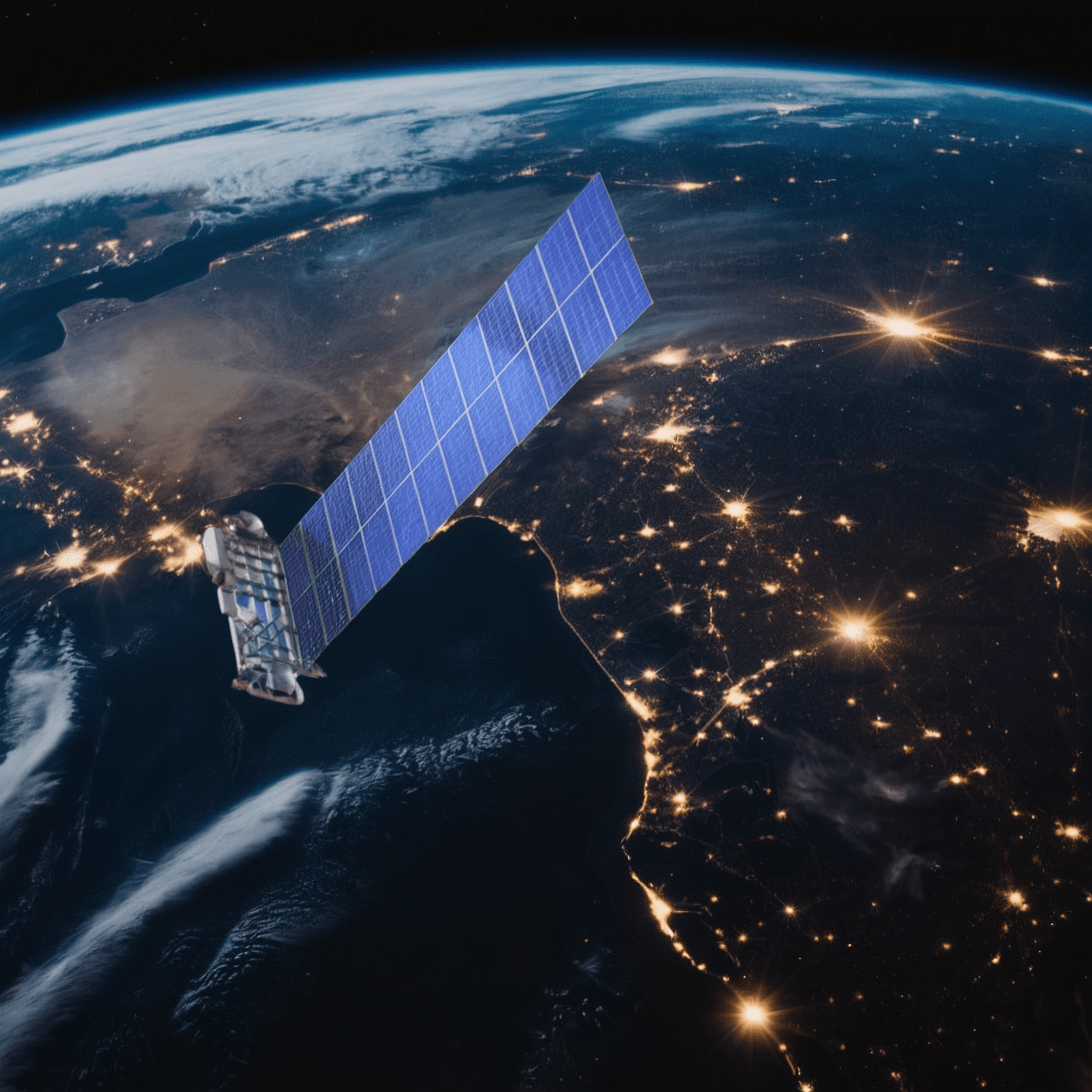
SpaceX and Amazon Are Playing for Keeps to Control Satellite Broadband and Connect the World. But Is There Room for Both in the Orbit?
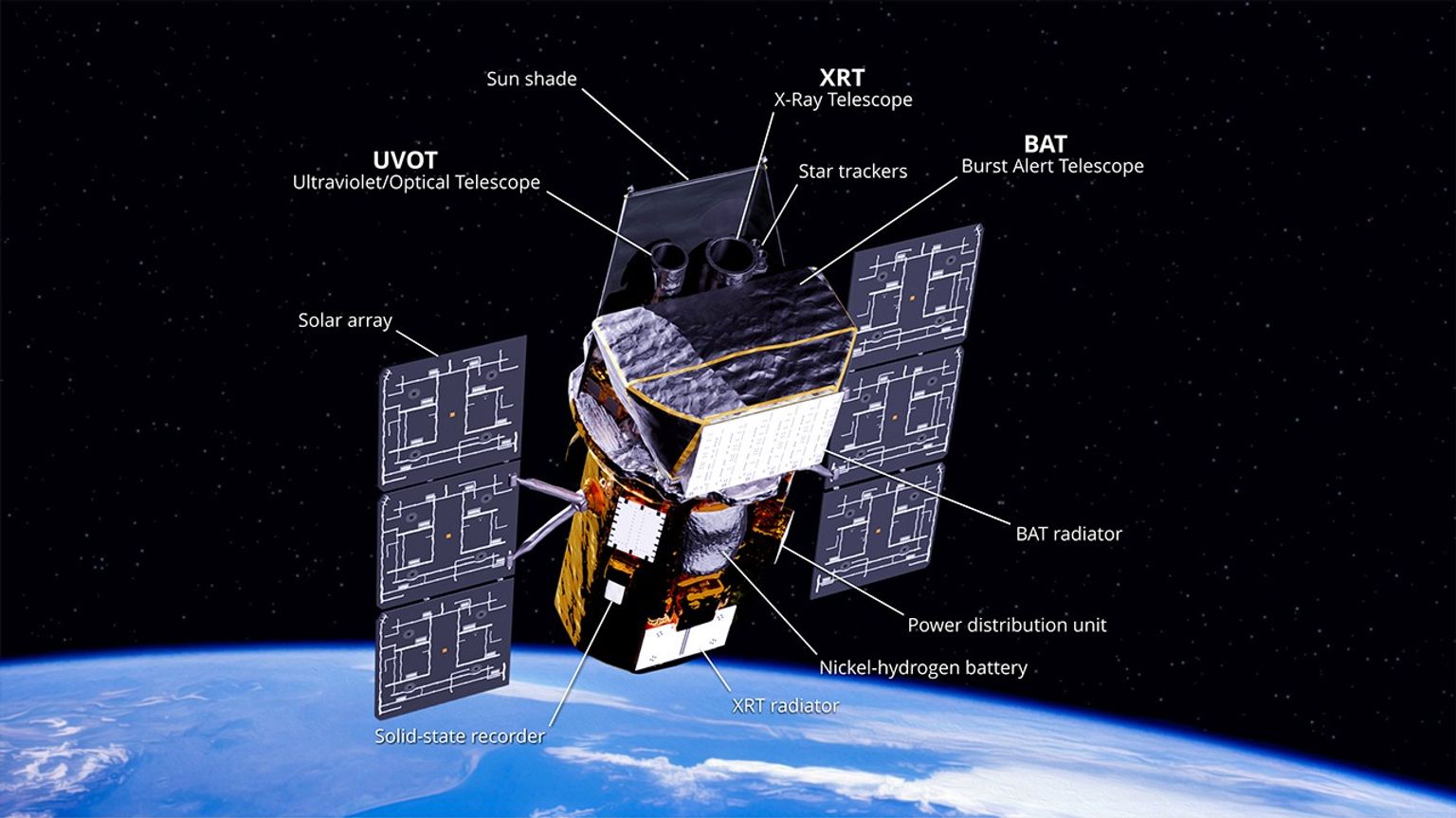
Designed for a two-year mission to catch gamma-ray bursts in the act, Swift is now 21 years old, slowly falling out of the sky, and the subject of an unprecedented private rescue mission. Nobody planned for it to be this hard to let go.
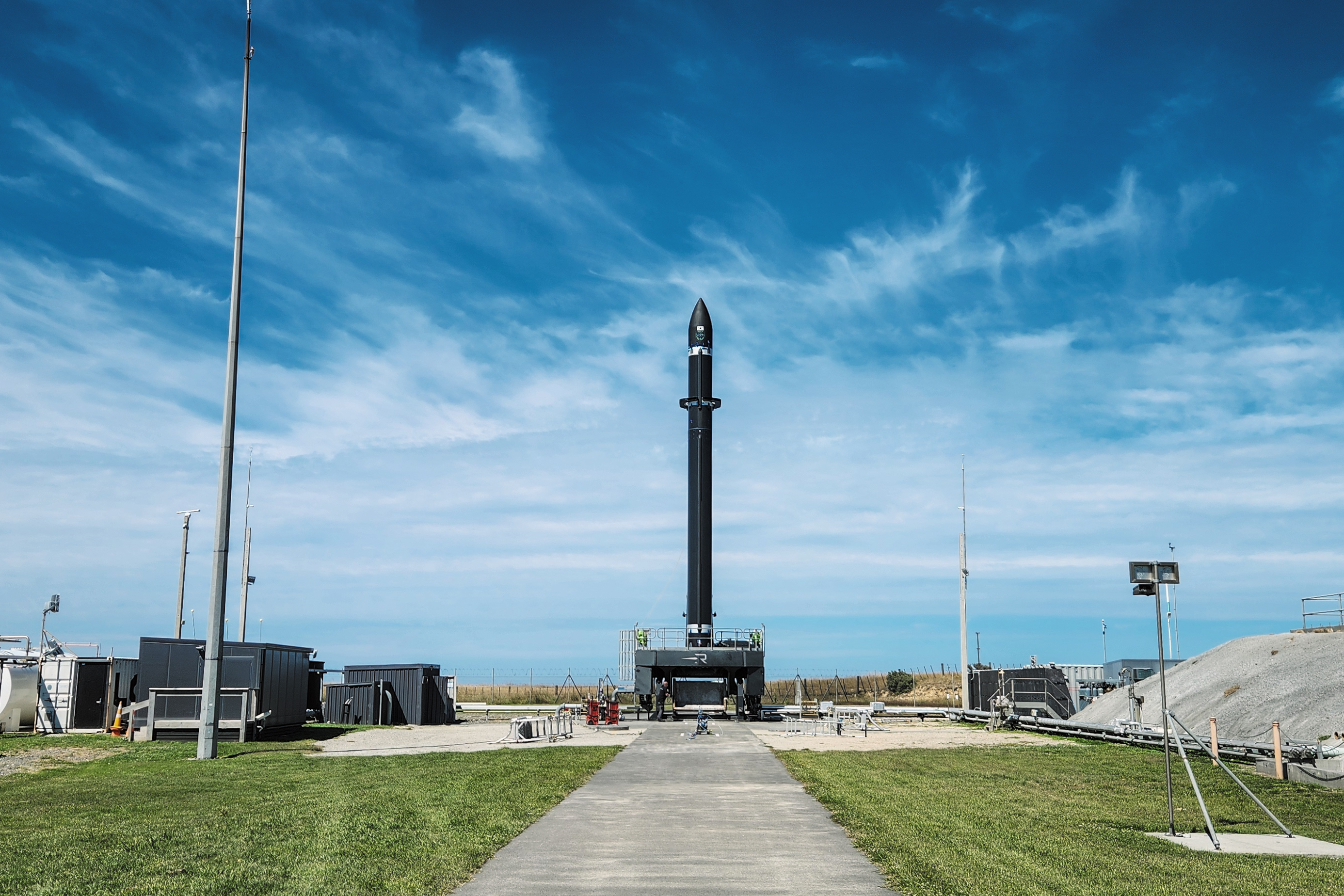
Space Force terminates Resilient GPS satellite program. China successfully tests Long March 12B reusable first stage at Jiuquan. GE and Lockheed validate detonation ramjet for hypersonic missiles.
Discover the latest in space news with the ULA's recent launch for the US Space Force, significant developments in radar tracking at high altitudes, and impactful policy changes involving military space missions.

Three Chinese rocket bodies have exploded over four years, creating debris clouds that will linger for decades to centuries, according to LeoLabs analysis. Fragmentation events threaten commercial and military operators.