

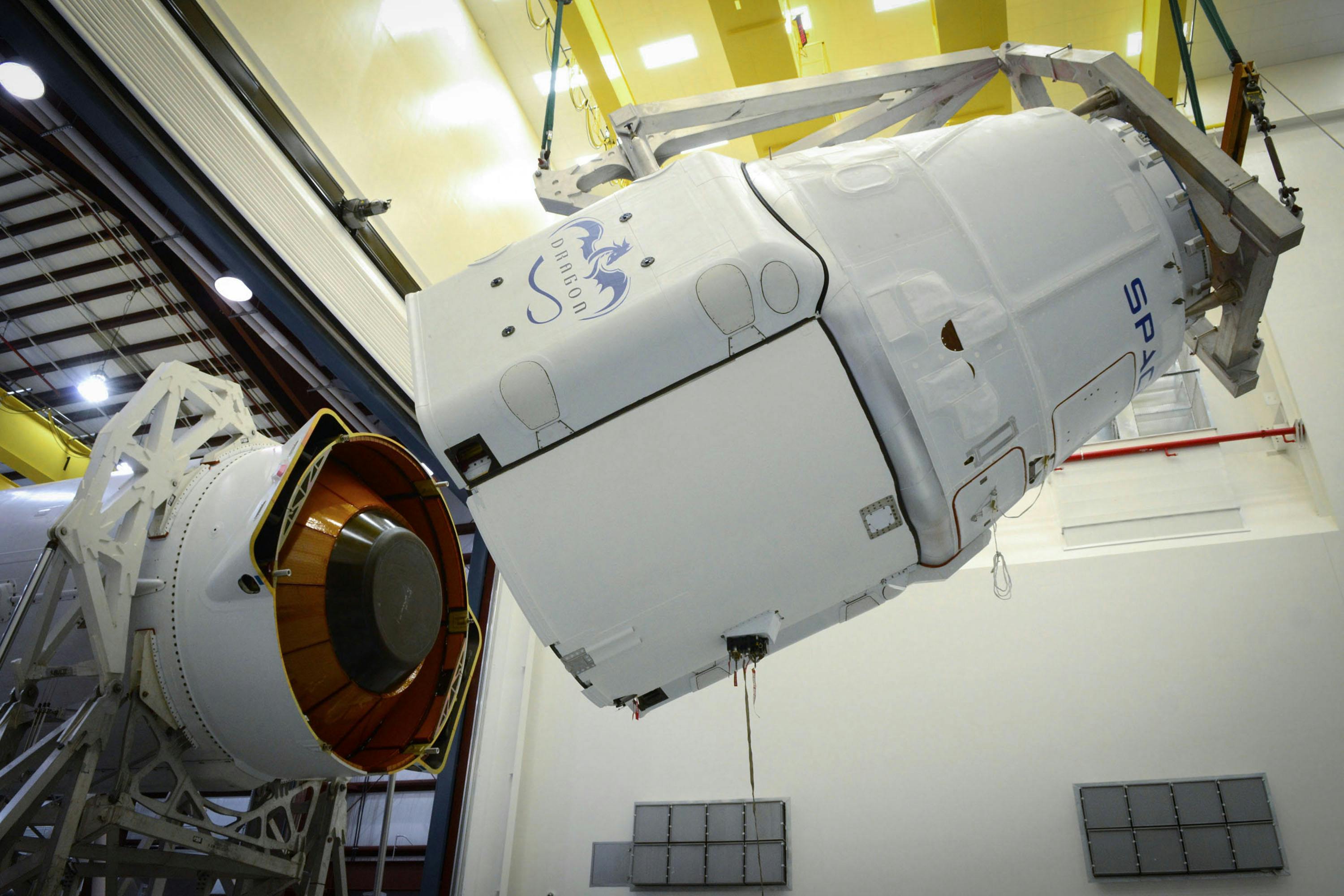
X Report 28 Nov 2024
SpaceX advances with Starship, gains FCC approval for new services, and predicts a future shift in spacecraft dominance.


Launch Date
March 2, 1983
Launch Site
Launch Pad
LC200/39
Launch Vehicle
Proton-K
NORAD ID
13869
International Designator
1983-013B
Decay Date
3/5/1983
Name
SL-13 R/B
Alternative Name
Proton-K 309-02 Stage 3
Type
Status
Owner
RVSN
Country
USSR
Constellation
N/A
Related Satellites
Major Events
N/A
Length
6.5
Diameter
4.2
Span
6.5
Dry Mass
4185
Launch Mass
4185
Shape
Cyl
Radar Cross Section
Unknown
Visual Magnitude
Unknown
Color
Unknown
Material Composition
Unknown
Payload
8S812
Purpose
Unknown
Mission
Unknown
Manufacturer
ZIKH
Life Expectancy
Unknown
Bus
8S812
Configuration
Unknown
Motor
Unknown
Equipment
Unknown
Power System
Unknown
ADCS
Unknown
Transmitter Frequency
Unknown
Learn more about satellites and other related topics.
SpaceX advances with Starship, gains FCC approval for new services, and predicts a future shift in spacecraft dominance.

SpaceX celebrates significant milestones in satellite launches and contemplates a historic IPO while actively participating in the competitive landscape of space technology and services.
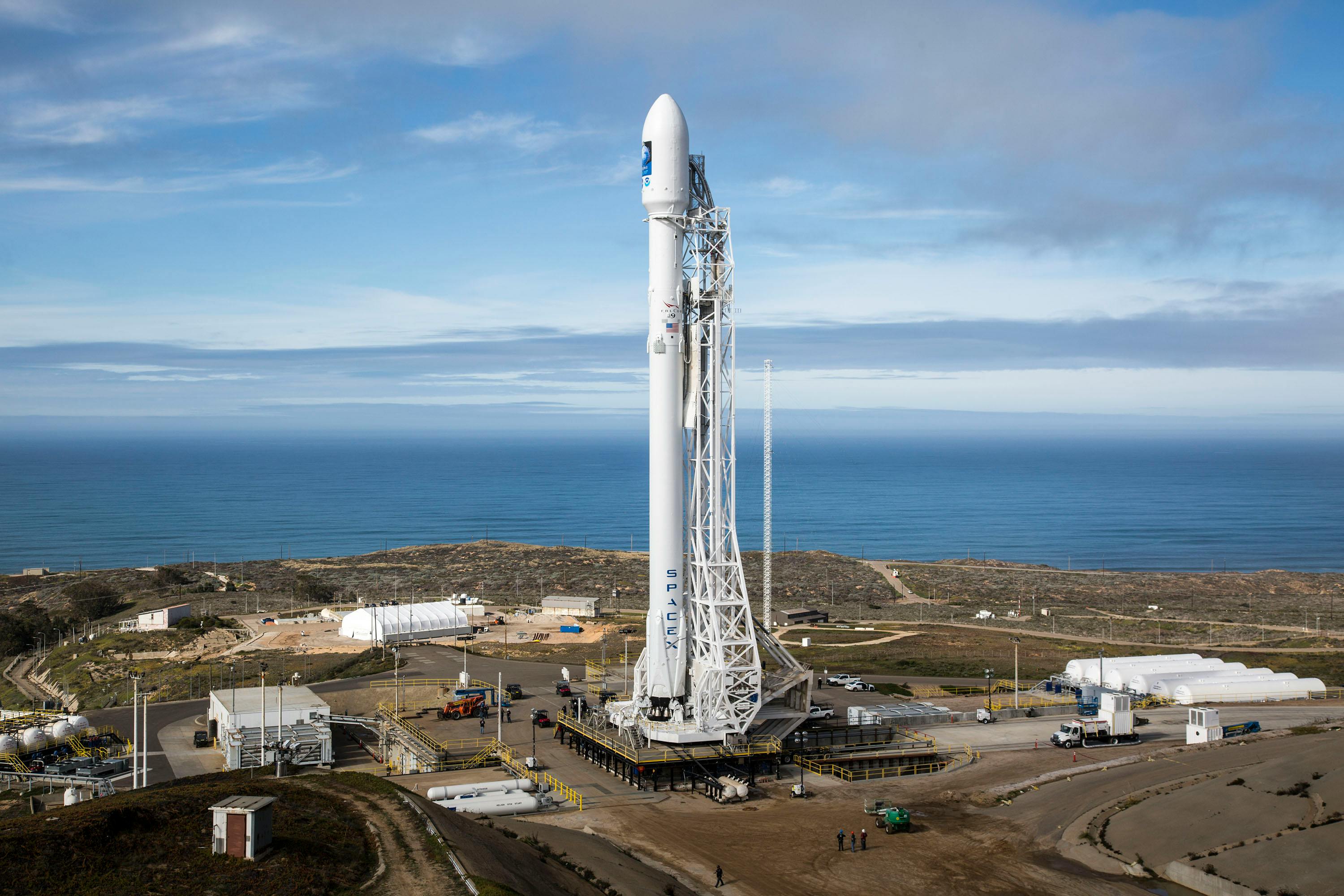
SpaceX readies Starlink 17-32 launch of 25 satellites from Vandenberg. Orbital data center economics draw attention from Musk and Bezos. 9,614 Starlink sats on orbit.
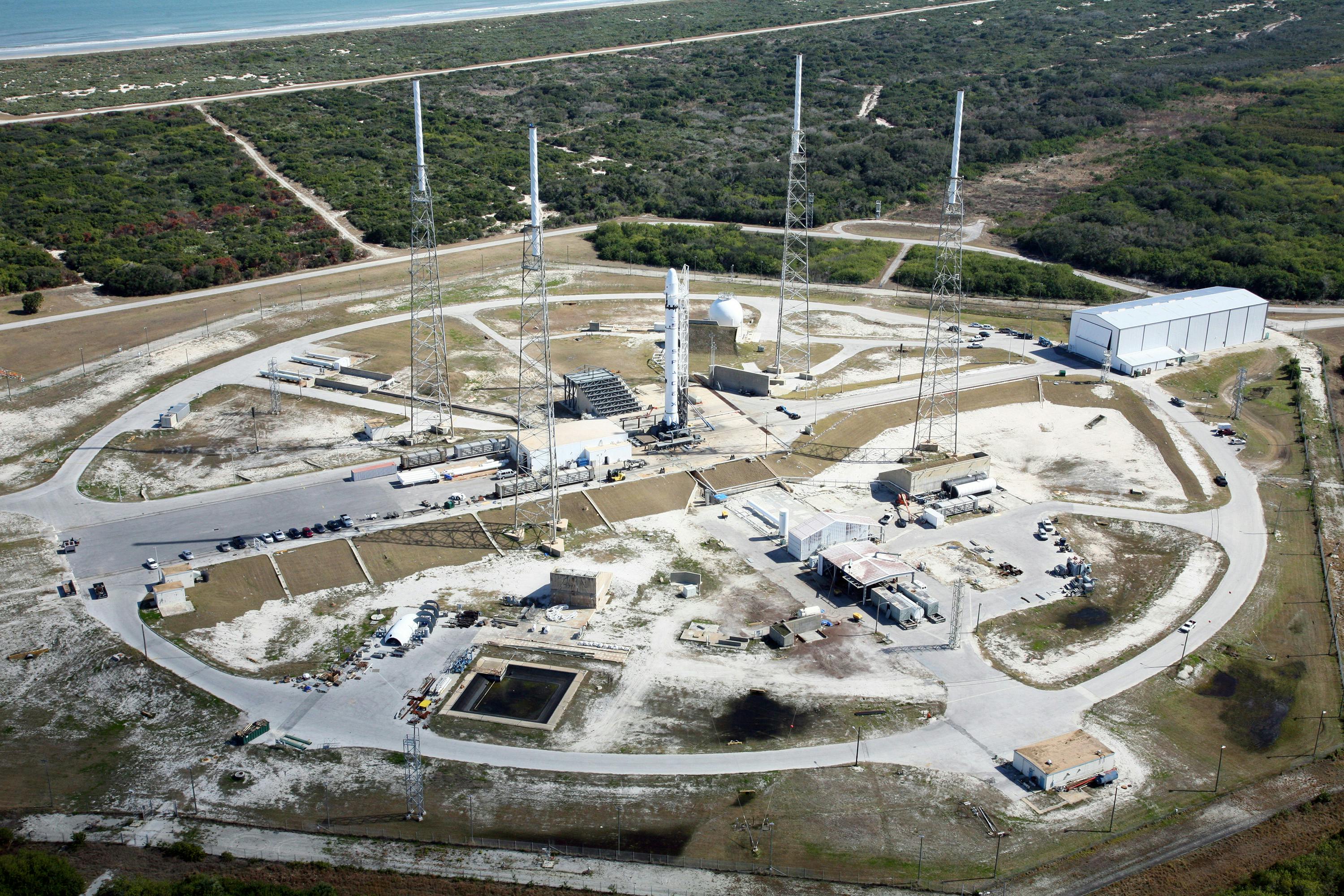
SpaceX achieves significant milestones with a successful Falcon 9 launch carrying 28 Starlink satellites and receives FAA approval for increased Starship launches, amidst challenges posed by India's new satellite regulations.

Today's brief covers the U.S. Space Force's orbital carrier initiative, ULA Vulcan's approval for military launches, Rocket Lab's new contract with the Space Force, integrated data layers for military command, and advances in tactical surveillance.

SpaceX's secretive Starfall reentry demo launched June 23 as Starmind AI constellation targets 1M orbital compute nodes.
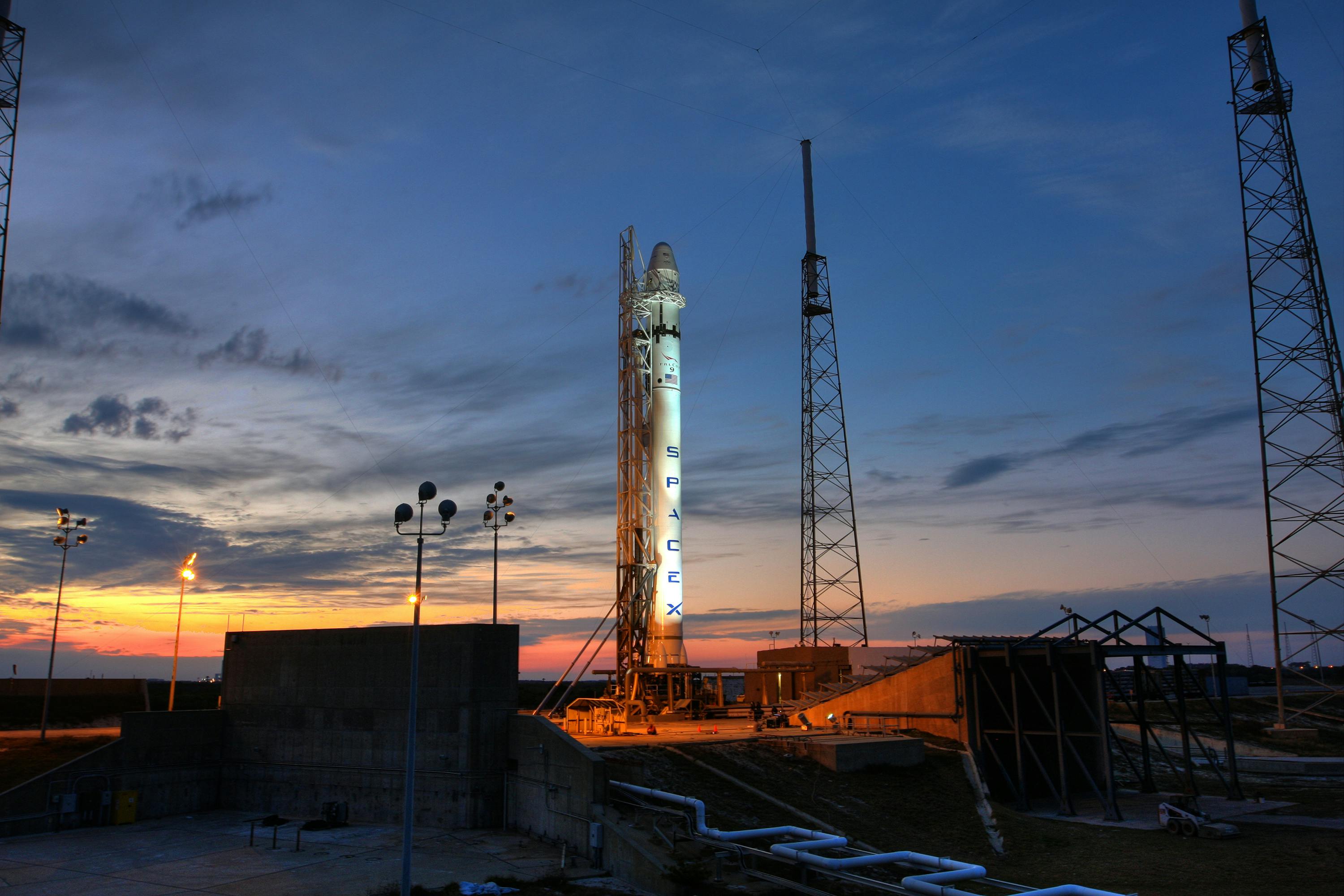
Important updates include SpaceX's $19 billion spectrum deal with EchoStar, a successful super heavy booster test, and recent setbacks in launching due to poor weather.

Forty years ago today, Challenger lifted off LC-39A on a science mission that nobody outside Morton-Thiokol would call dangerous. Years later, after the orbiter and seven other astronauts were gone, investigators looked at the recovered boosters from STS-51B and realized the crew had come within a fraction of a second of dying first. This is the story of the launch that should have been a warning.