COSMOS 1351 DEB (13840)

COSPAR: 1982-034H | Alt Name: Kosmos-1351 SS 6
DECAYED

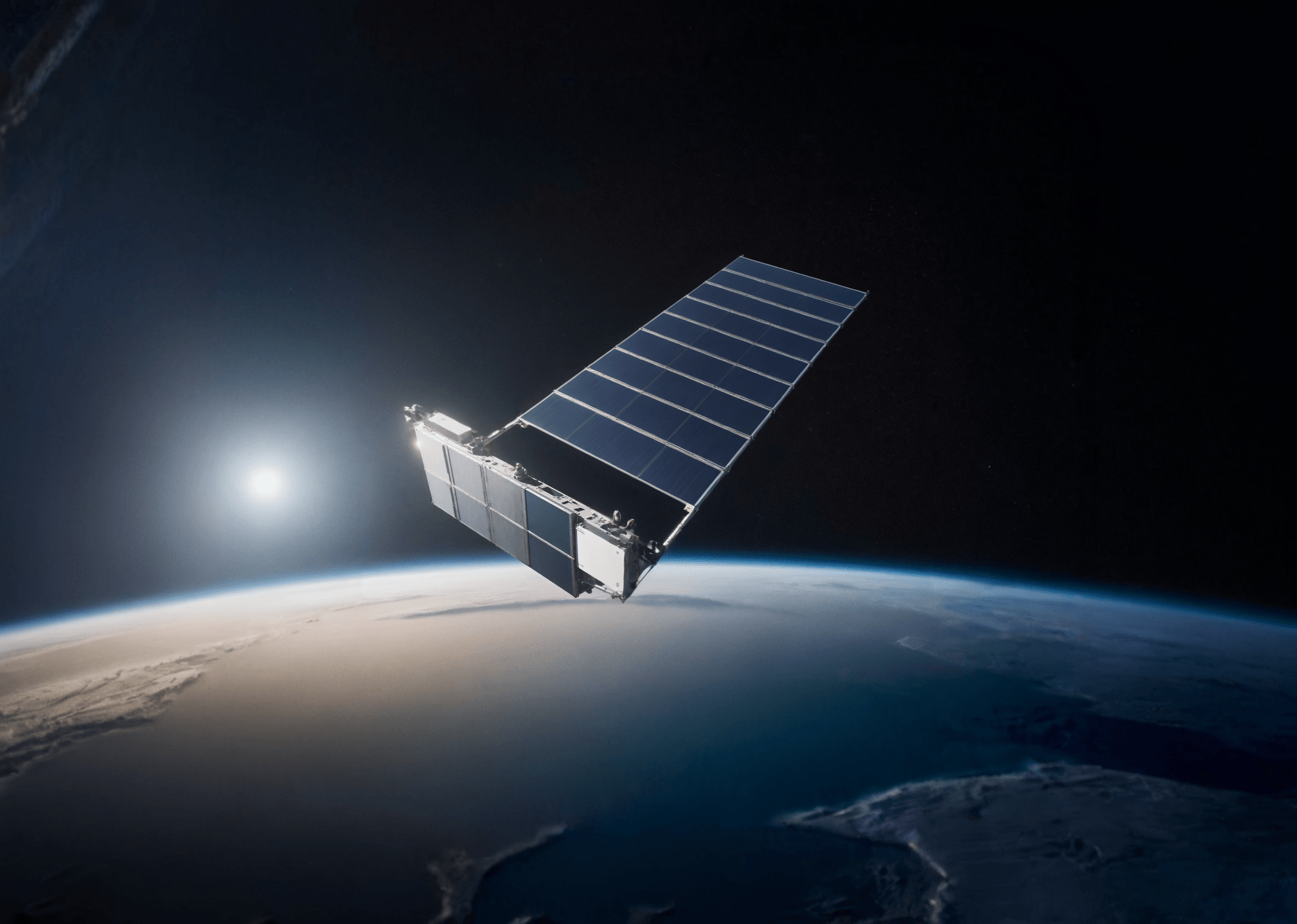
Image
COSMOS 1351 DEB Satellite Image
Additional Sources
Launch Details

Launch Date

April 21, 1982

Launch Site

KYMSC

Launch Pad

LC107/1

Launch Vehicle

Kosmos 11K65M

Orbital Elements

NORAD ID

13840

International Designator

1982-034H

Decay Date

3/3/1983

Basic Satellite Info

Name

COSMOS 1351 DEB

Alternative Name

Kosmos-1351 SS 6

Type

Debris

Status

Space Junk

Owner

PVO

Country

USSR

Constellation

N/A

Related Satellites

Major Events

N/A

Summary
Space debris, also known as space junk, encompasses all non-functional objects orbiting Earth such as defunct satellites, spent rocket stages, and fragments from collisions or disintegrations. Over time, this debris can accumulate and create an increasingly hazardous environment in orbit. Even tiny fragments, traveling at extremely high velocities, can inflict significant damage on operational satellites and spacecraft. If left unmanaged, the density of debris raises the risk of catastrophic collisions and further fragmentation, compounding the problem and threatening the safety and sustainability of space activities.
Physical Characteristics

Length

0.2

Diameter

0.2

Span

0.2

Dry Mass

5

Launch Mass

5

Shape

Sphere

Radar Cross Section

0.2041

Visual Magnitude

Unknown

Color

Unknown

Material Composition

Unknown

Technical Details

Payload

ESO

Purpose

Unknown

Mission

Unknown

Manufacturer

YUZH

Life Expectancy

Unknown

Bus

ESO

Configuration

Unknown

Motor

Unknown

Equipment

Unknown

Power System

Unknown

ADCS

Unknown

Transmitter Frequency

Unknown

Satellite Articles

View All Posts »

Learn more about satellites and other related topics.

Space Brief 10 Sep 2024

Space Brief 10 Sep 2024

Today’s Space Brief covers a rescued lunar orbiter, a thorough pre-launch check for a Jupiter-bound mission, and leadership changes in a satellite communication company. We also spotlight a recently launched CubeSat and an innovative act of deorbiting.

The Day We First Landed on Venus

The Day We First Landed on Venus

On December 15, 1970, a battered Soviet probe accomplished something no spacecraft had done before - it survived landing on another world and lived to tell about it.

Vulcan GEM 63XL Passes Static Fire; February Anomaly Still Under Investigation | KeepTrack Space Brief

Vulcan GEM 63XL Passes Static Fire; February Anomaly Still Under Investigation | KeepTrack Space Brief

Northrop Grumman's GEM 63XL solid rocket booster passed static fire testing, but ULA's investigation into a February 2026 Vulcan in-flight anomaly remains open. No RTF date set.

Space Brief 25 May 2025

Space Brief 25 May 2025

Today's brief covers crucial developments in satellite technology and operations, including new Starlink launches, groundbreaking satellite data on flood waves, and pivotal changes in South African telecom policy driven by Starlink.

Roman Space Telescope Arrives at KSC for August 30 Falcon Heavy Launch | KeepTrack Space Brief

Roman Space Telescope Arrives at KSC for August 30 Falcon Heavy Launch | KeepTrack Space Brief

NASA's $4.3B Nancy Grace Roman Space Telescope arrived at Kennedy Space Center for 70 days of prelaunch processing ahead of its August 30 Falcon Heavy launch.

C-Band

C-Band

The workhorse frequency band that quietly powers satellite communications, weather radar, and Wi-Fi around the world

Space Brief 7 Sep 2025

Space Brief 7 Sep 2025

Today's Space Brief covers China’s latest satellite launches, leadership changes in the U.S. Space Force, insights from hyperspectral imagery on an Iranian facility, SpaceX's Starlink mission, and more.

Starlink Update: March 2024

Starlink Update: March 2024

As of March 2024, SpaceX's Starlink has made remarkable strides in its quest to provide global broadband internet access. With an astounding number of satellites already in orbit and ambitious plans for expansion, Starlink is on track to dominate Earth's orbit in the coming years.