


Space Brief 26 Nov 2024
Today's headlines include new launch schedules, military industrial base challenges, and NASA's exploration of historic Cold War sites. Discover significant space events and satellite insights.


Launch Date
February 9, 1983
Launch Site
AFWTR
Launch Pad
SLC3E
Launch Vehicle
Atlas H
NORAD ID
13834
International Designator
1983-008C
Decay Date
Unknown
Name
ATLAS H R/B
Alternative Name
SSB cover
Type
Status
Owner
Naval Research Laboratory
Country
United States
Constellation
N/A
Related Satellites
Major Events
N/A
Length
0.1
Diameter
0.4
Span
0.4
Dry Mass
0
Launch Mass
0
Shape
Plate
Radar Cross Section
Unknown
Visual Magnitude
Unknown
Color
Unknown
Material Composition
Unknown
Payload
SSU cover
Purpose
Unknown
Mission
Unknown
Manufacturer
MM
Life Expectancy
Unknown
Bus
SSU Cover
Configuration
Unknown
Motor
Unknown
Equipment
Unknown
Power System
Unknown
ADCS
Unknown
Transmitter Frequency
Unknown
Learn more about satellites and other related topics.
Today's headlines include new launch schedules, military industrial base challenges, and NASA's exploration of historic Cold War sites. Discover significant space events and satellite insights.
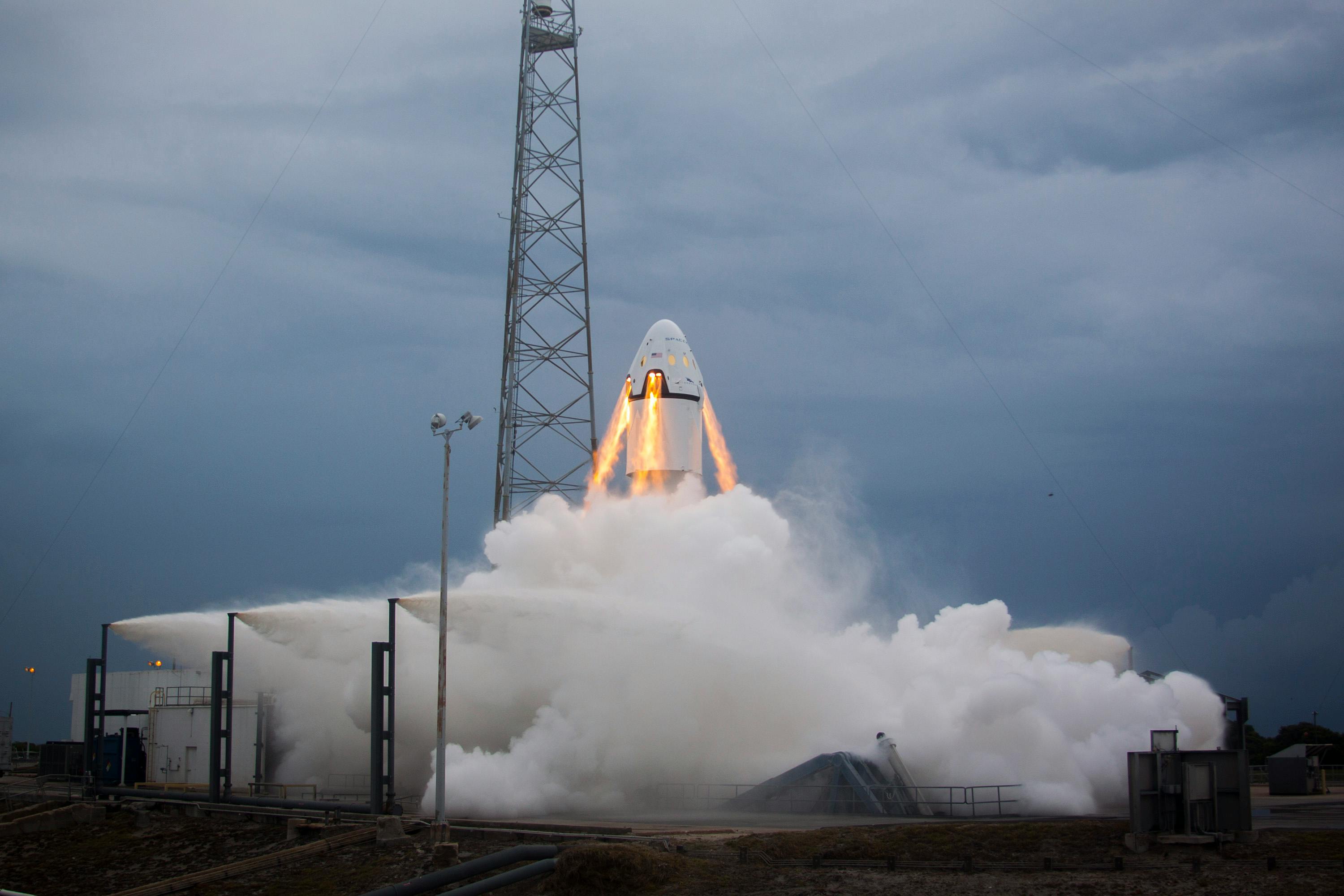
SpaceX secured a $178.5M Space Force contract to launch missile-tracking satellites from 2027, backing the Missile Track Custody threat-tracking layer.
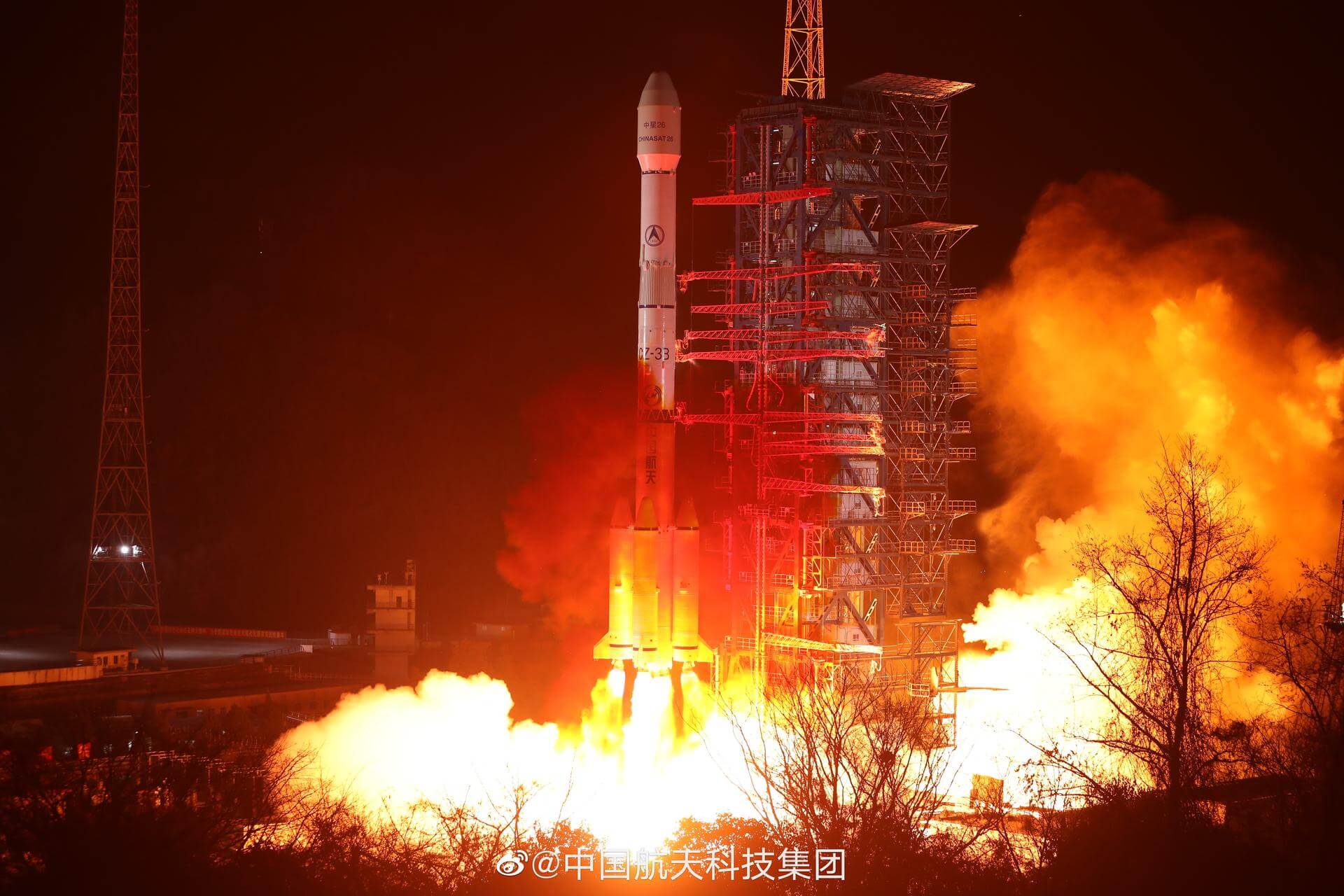
House appropriators approved $55.5 billion for Space Force but omitted $350 billion reconciliation funds, threatening Golden Dome and large-scale space programs' acquisition timelines.
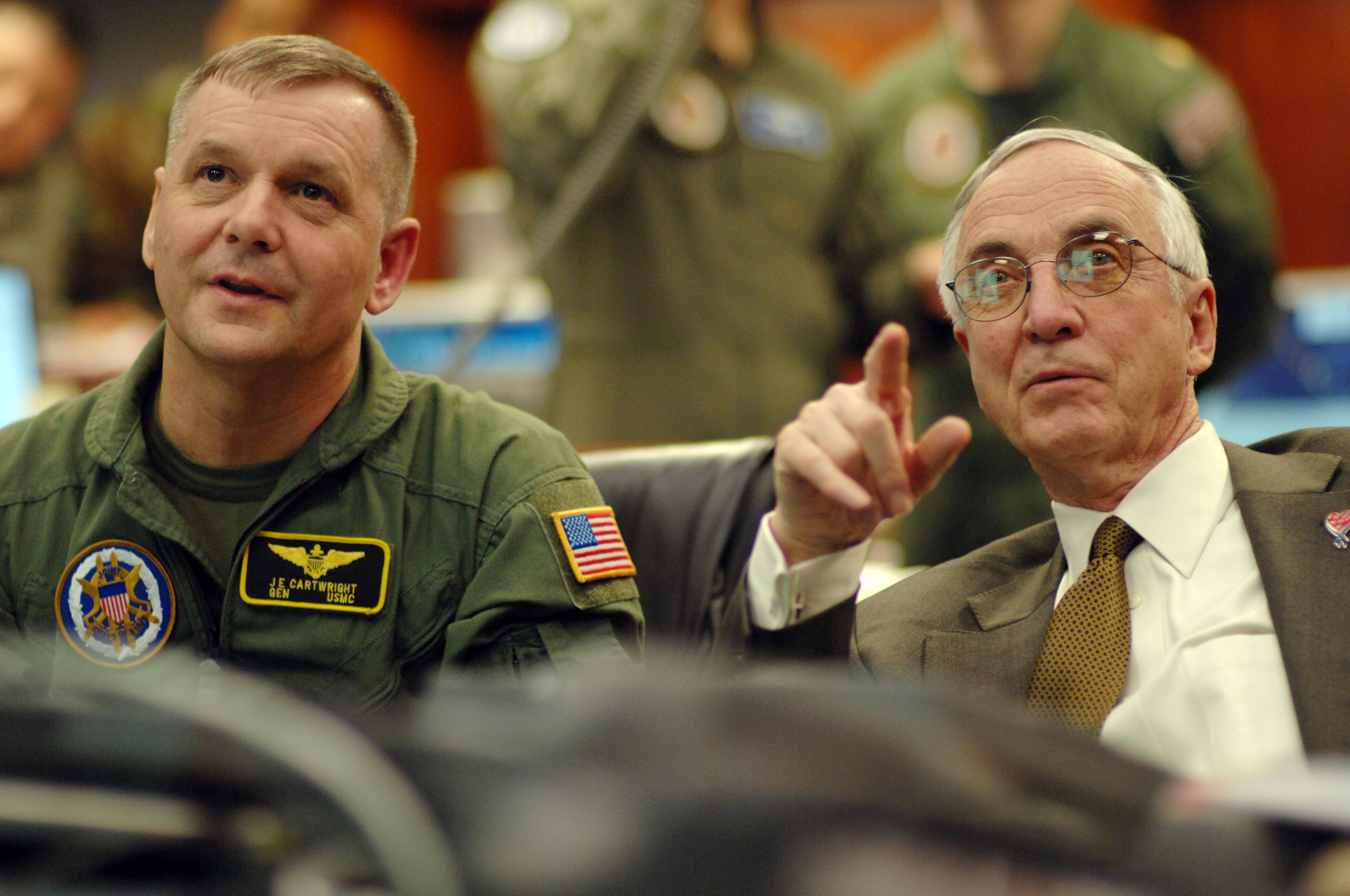
Seventeen years ago, a Navy cruiser in the Pacific fired a missile at a tumbling reconnaissance satellite that had failed within hours of reaching orbit - officially to prevent toxic fuel from reaching the ground, unofficially to prove something far more significant to China and the world

US military praised for space operations against Iran assessed as jamming or spoofing satellite communications. Electronic warfare effects invisible to orbital tracking data.
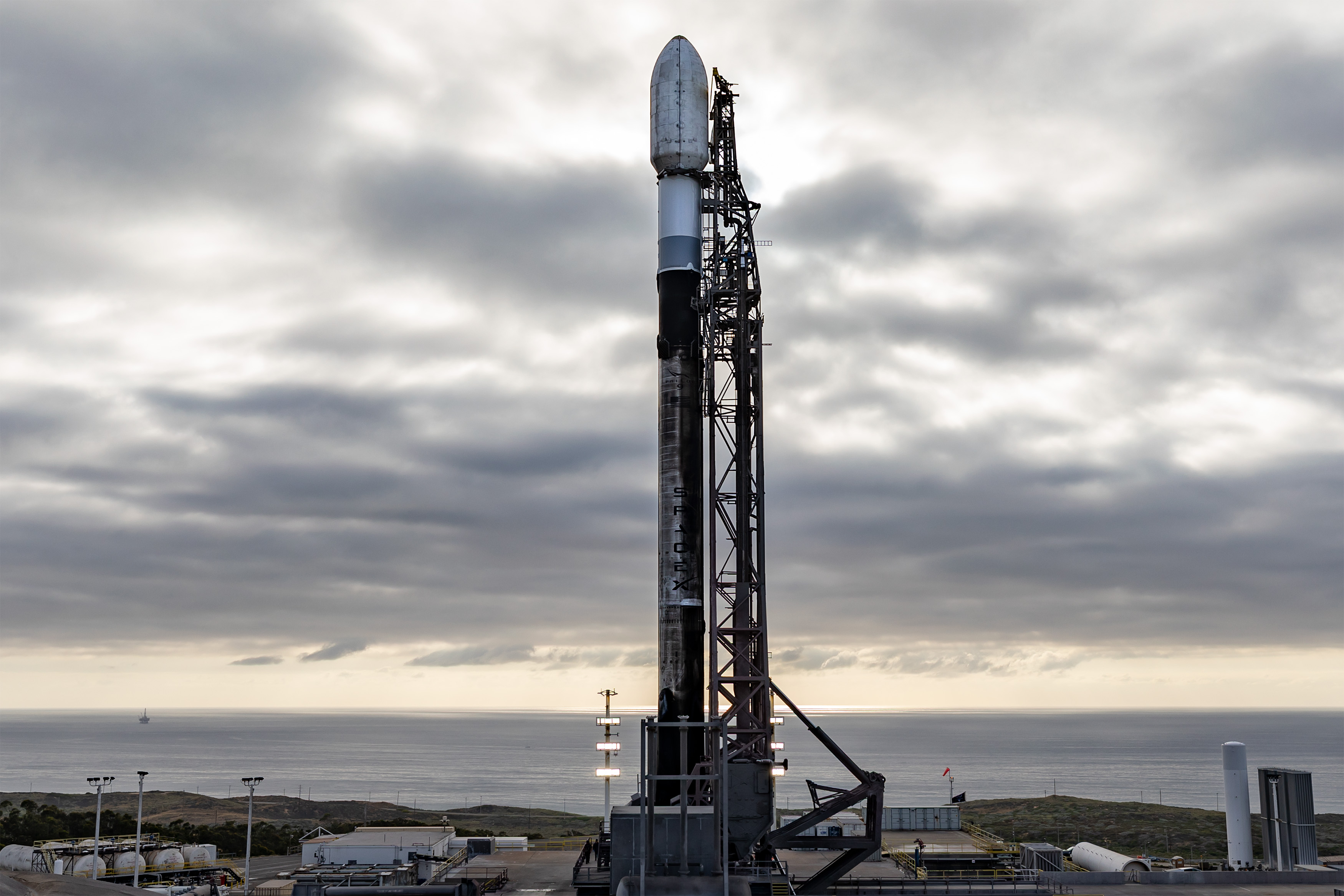
SpaceX CAS500-2 launch success: Falcon 9 flew May 3 at 0700 UTC from Vandenberg with South Korea's imaging satellite and 44 rideshare payloads.
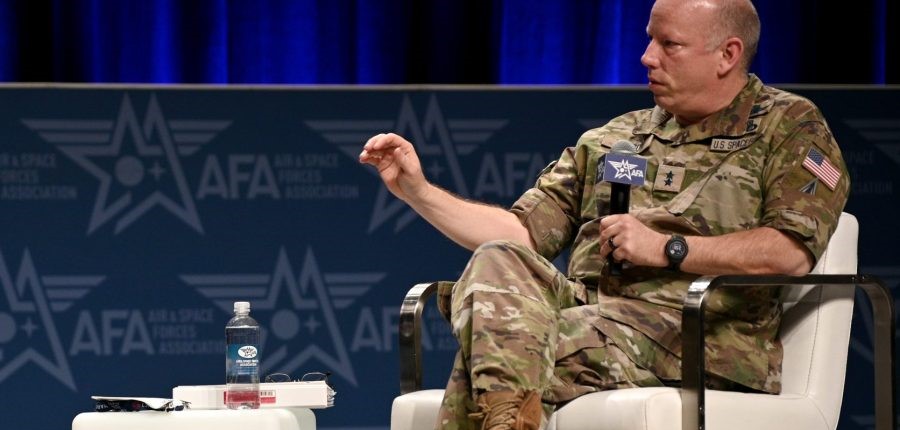
Space & Cyber Command disrupted Iran ops as US munition stockpiles drop. Space Force shifts to commercial ground stations & faces acquisition workforce gaps.
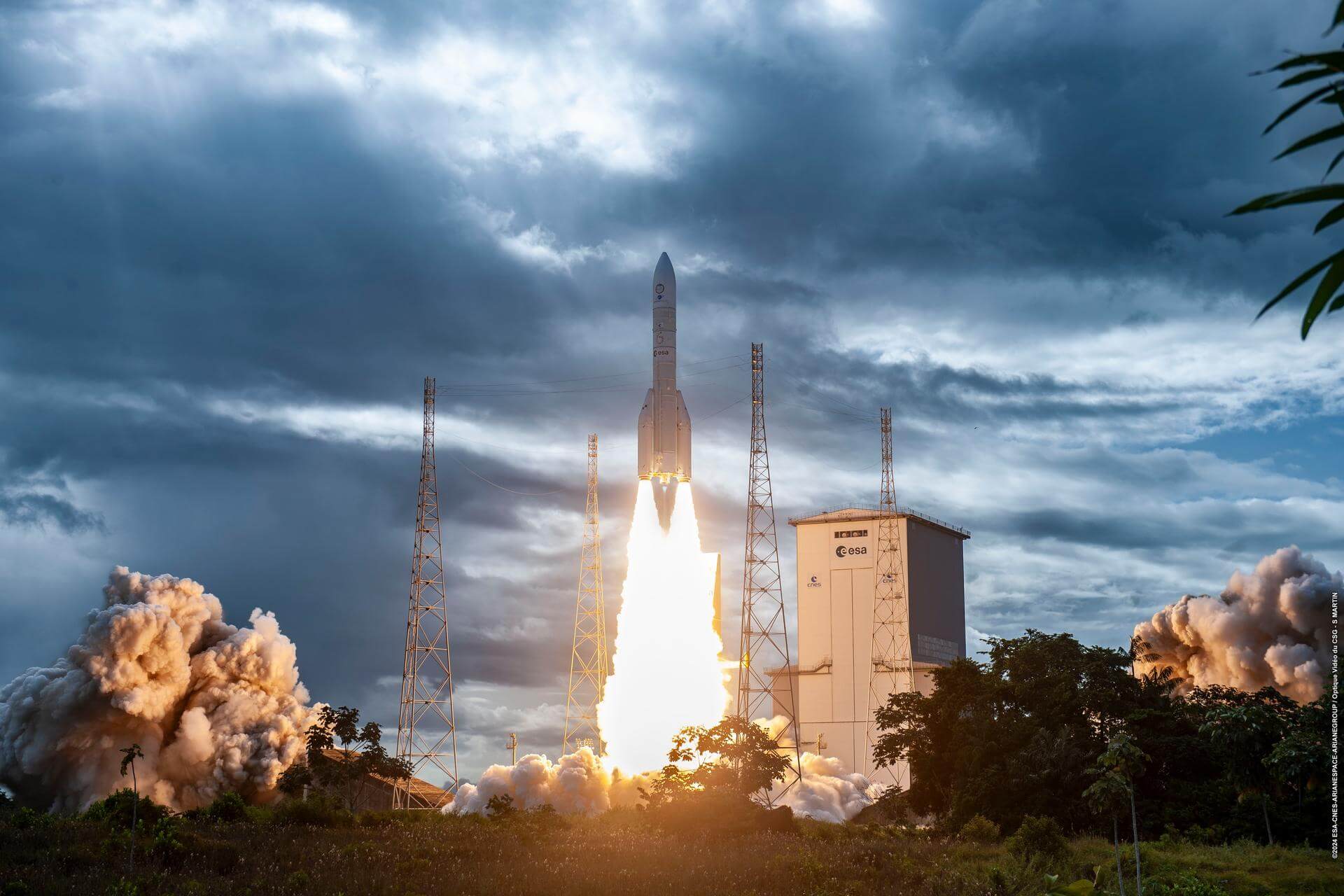
Today's Space Brief covers key developments including U.S. Space Force tech accelerator, SpaceX veterans' startup funding, ULA's expected dominance in national security missions, and new satellite activity.