


X Report 1 Dec 2024
SpaceX continues its collaboration with the NRO, while gearing up for lunar missions and a contract for NASA's Dragonfly mission to Titan.


Launch Date
February 20, 1983
Launch Site
KSCUT
Launch Pad
M1
Launch Vehicle
Mu-3S
NORAD ID
13829
International Designator
1983-011A
Decay Date
12/17/1988
Name
TENMA (ASTRO-B)
Alternative Name
Tenma
Type
Status
Owner
ISASM
Country
Japan
Constellation
N/A
Related Satellites
Major Events
N/A
Length
1.1
Diameter
0.9
Span
3
Dry Mass
218
Launch Mass
218
Shape
Cyl + 2 Pan
Radar Cross Section
2.5736
Visual Magnitude
Unknown
Color
Unknown
Material Composition
Unknown
Payload
ASTRO-B
Purpose
Astronomy, X-Ray
Mission
Astronomy, X-Ray
Manufacturer
ISASM
Life Expectancy
Unknown
Bus
ASTRO
Configuration
Unknown
Motor
Unknown
Equipment
see above
Power System
4 deployable fixed solar arrays, batteries
ADCS
Unknown
Transmitter Frequency
Unknown
Learn more about satellites and other related topics.
SpaceX continues its collaboration with the NRO, while gearing up for lunar missions and a contract for NASA's Dragonfly mission to Titan.
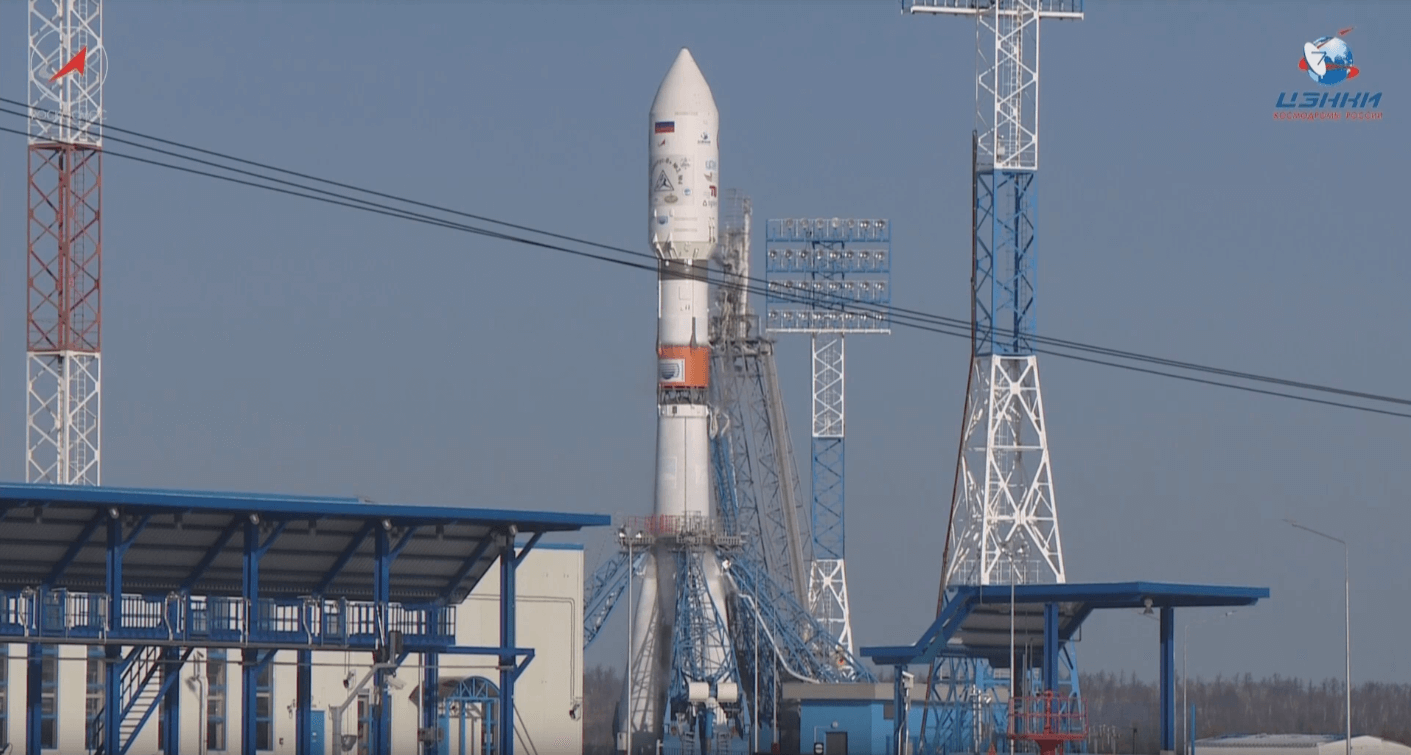
Today's highlights include ABL Space shifting its focus to missile defense, Intuitive Machines advocating for Artemis infrastructure reforms, and more updates from space and defense sectors.

China's Tianlong-3 rocket failed during ascent on debut launch Friday. SpaceX secured $178.5M Space Force contract for missile tracking satellite launches beginning 2027.

SpaceX secures major contracts for U.S. national security launches, including multiple Falcon Heavy missions. Significant updates on Starlink deployments and the ongoing evolution of the company highlight a productive day in the space sector.

Falcon Heavy flew for the first time in eighteen months on April 29, 2026, expending its center core to push Viasat's final ViaSat-3 satellite toward geostationary orbit. The mission is a flagship rocket doing what only it can still do, for an operator betting six tons of high-throughput hardware on a market Starlink is rapidly redefining.

SpaceX made significant strides with the successful launch of Starlink satellites and the approval for the redevelopment of SLC-6, reinforcing its foothold in commercial spaceflight.
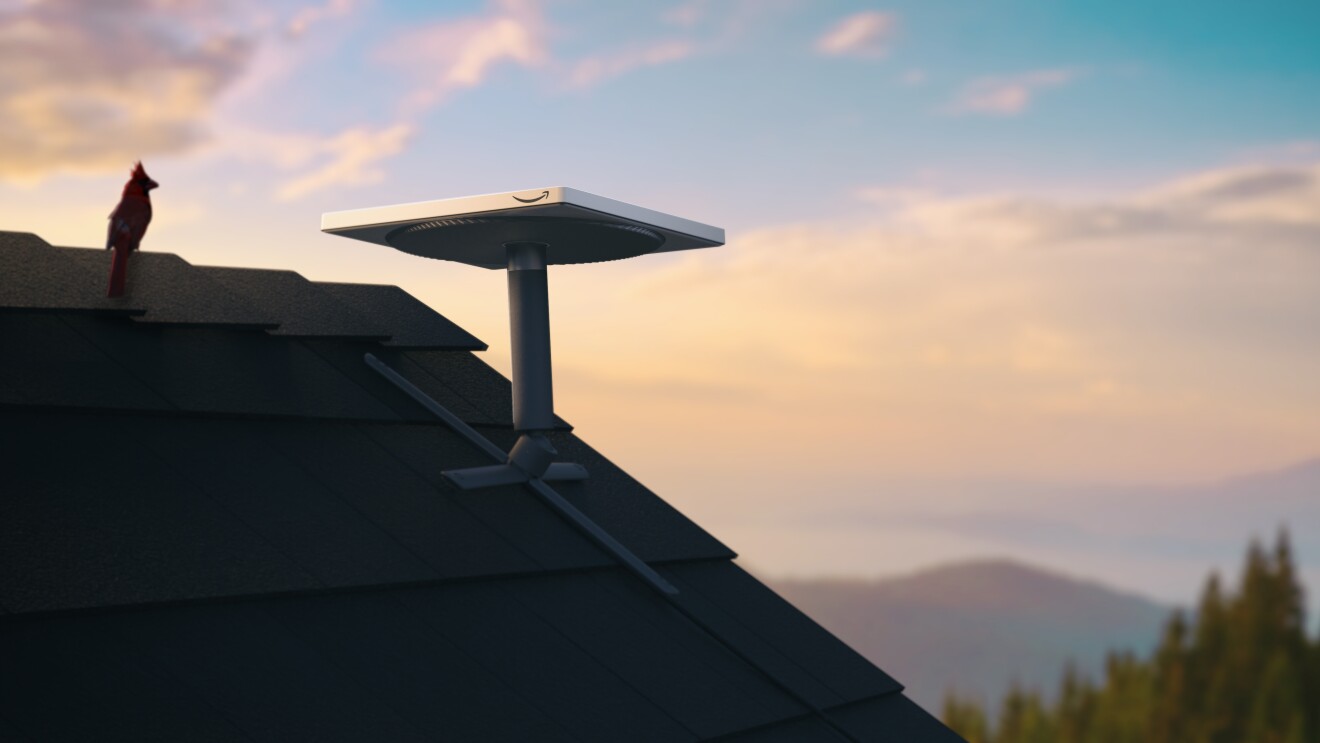
SpaceX launched three Block 2 BlueBird satellites for AST SpaceMobile from Cape Canaveral. Block 2 variants are larger with enhanced capacity compared to Block 1 units already in orbit.
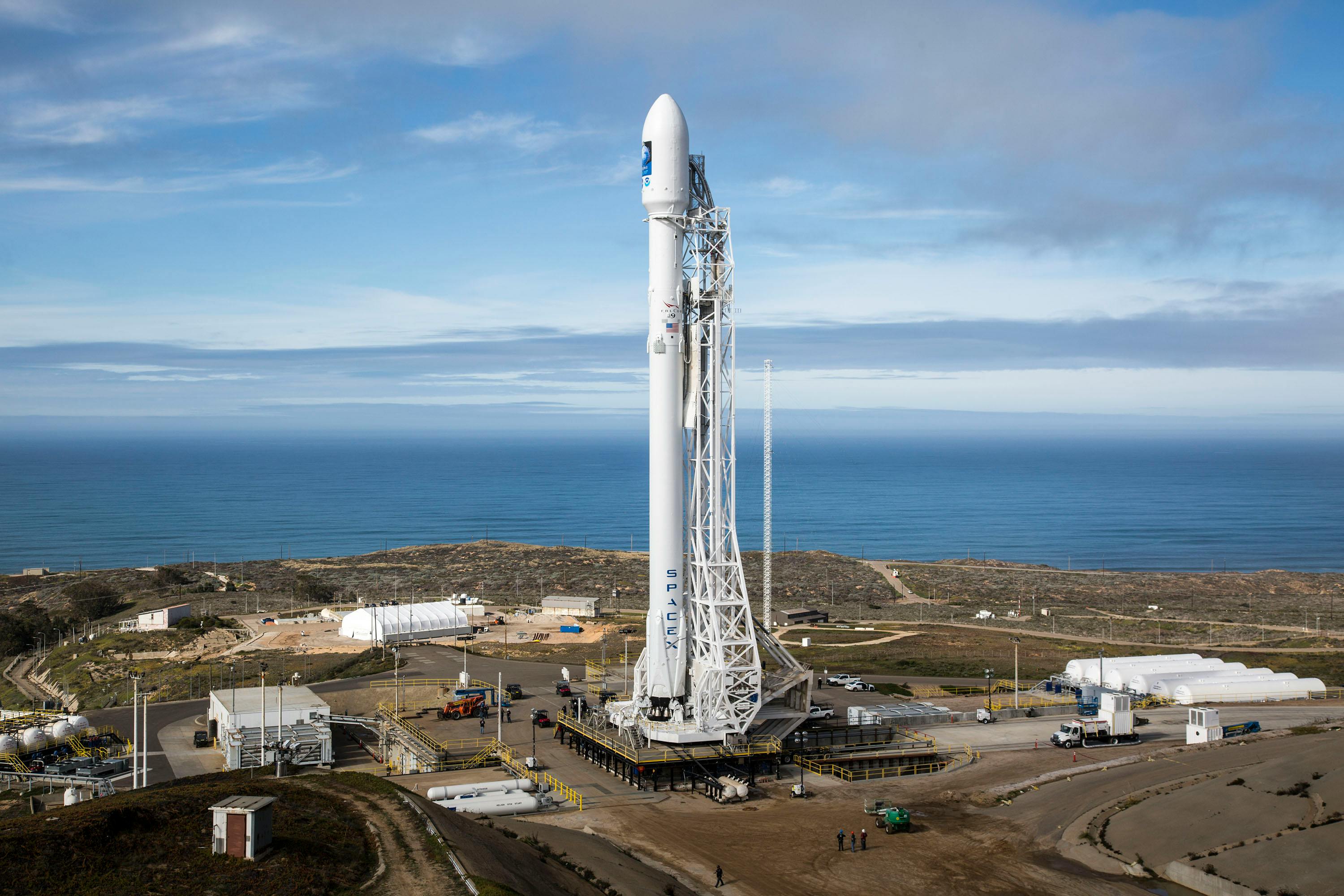
Anticipated NISAR launch now scheduled for March 2025; Rivada persists in broadband constellation quest despite setbacks; SpaceX scrubbed RRT-1 launch holds mystery.