


Space Brief 10 Nov 2025
Today's brief covers China's record-breaking launch year, SpaceX's continued Starlink deployments, Blue Origin's launch challenges, and innovations in satellite maneuverability.


Launch Date
January 27, 1983
Launch Site
Launch Pad
LC31
Launch Vehicle
Soyuz-U
NORAD ID
13779
International Designator
1983-005A
Decay Date
2/7/1983
Name
COSMOS 1438
Alternative Name
Kosmos-1438
Type
Status
Owner
GUKOS
Country
USSR
Constellation
N/A
Related Satellites
Major Events
N/A
Length
6
Diameter
2.2
Span
6
Dry Mass
2655
Launch Mass
2655
Shape
Sphere + DCone
Radar Cross Section
18.5096
Visual Magnitude
Unknown
Color
Unknown
Material Composition
Unknown
Payload
Argon No. 82L
Purpose
Reconnaissance, photo (film return type)
Mission
Reconnaissance, photo (film return type)
Manufacturer
TSSKB
Life Expectancy
14 days
Bus
Zenit-6
Configuration
Zenit bus
Motor
11D82M; S5.120 (maneuver module)
Equipment
Unknown
Power System
Batteries
ADCS
Unknown
Transmitter Frequency
Unknown
Learn more about satellites and other related topics.
Today's brief covers China's record-breaking launch year, SpaceX's continued Starlink deployments, Blue Origin's launch challenges, and innovations in satellite maneuverability.

SpaceX successfully launched the Sentinel-6B satellite to monitor global sea levels while resuming daytime rocket launches. Furthermore, delays in the Starship timeline impact NASA's Artemis 3 mission schedule.
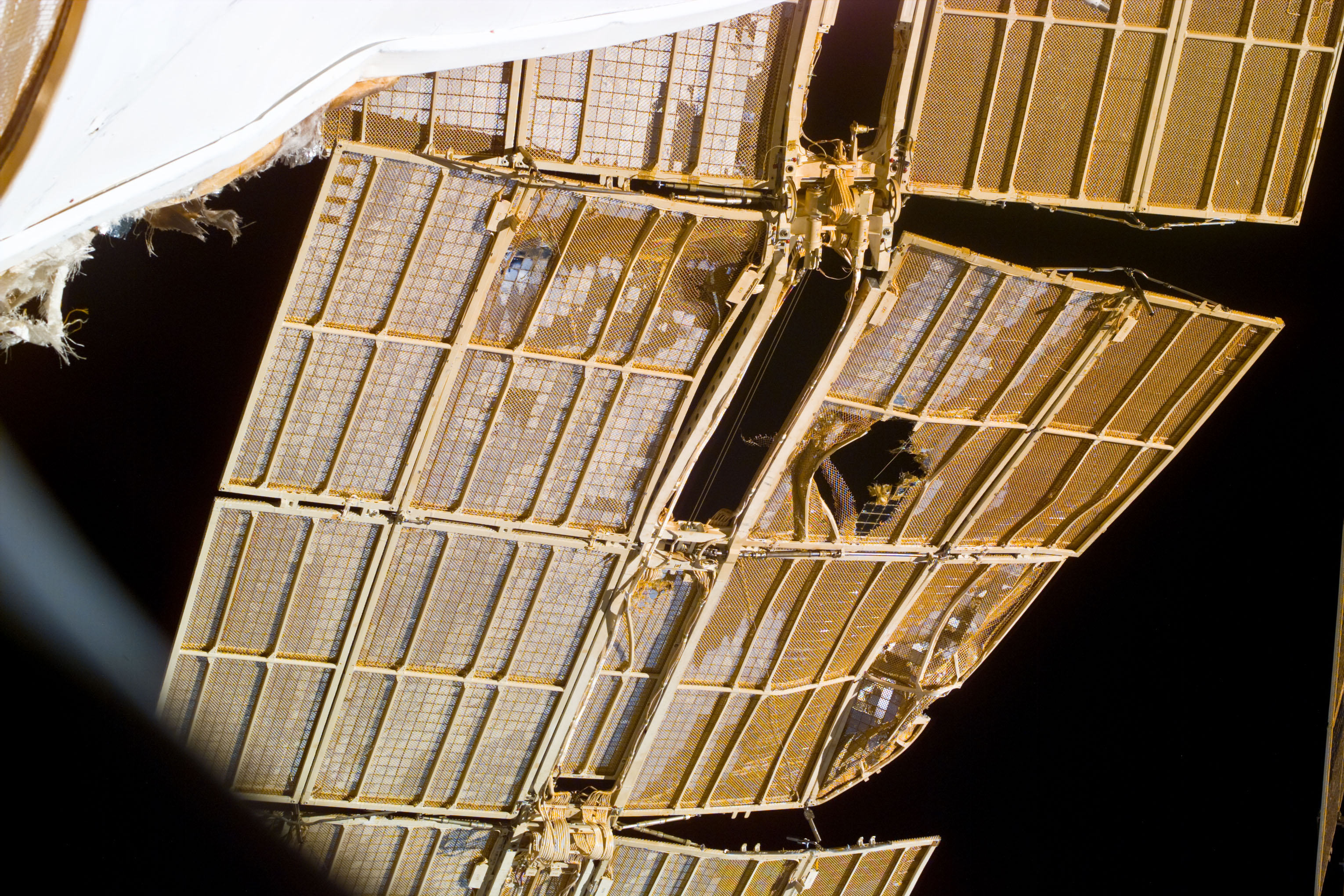
On 25 June 1997, a seven-ton cargo ship under hand control drifted into Mir's Spektr module, breached the hull, and left three crew members listening to their air hiss into space. It remains the worst collision in the history of human spaceflight.
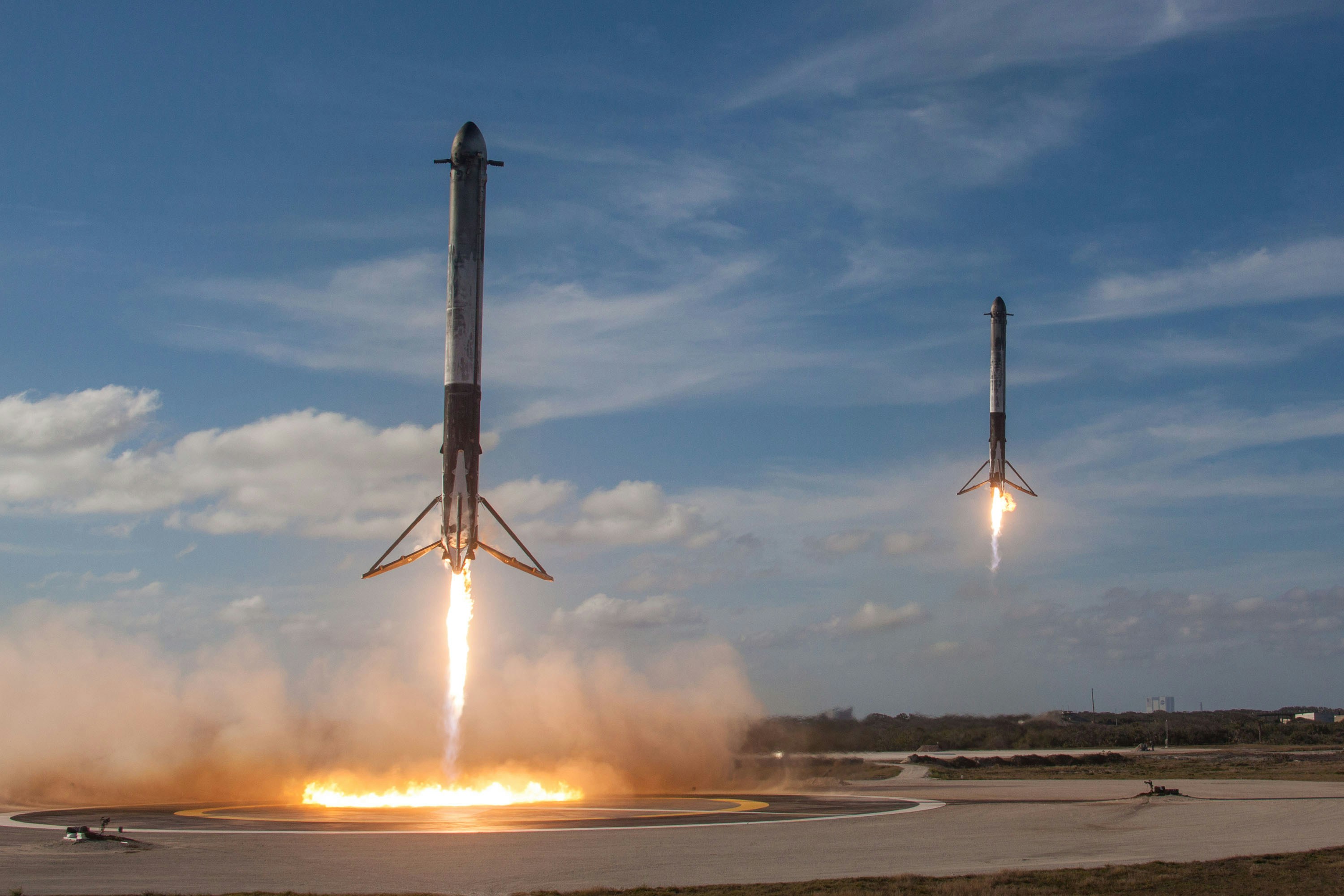
SpaceX is exploring alternative options for static fire tests amid infrastructure setbacks, emphasizing their adaptability in operations.

Space Force selects 14 companies for $1.8 billion Andromeda program to replace GSSAP geosynchronous surveillance satellites with commercial alternatives through 2036.

Falcon Heavy flew for the first time in eighteen months on April 29, 2026, expending its center core to push Viasat's final ViaSat-3 satellite toward geostationary orbit. The mission is a flagship rocket doing what only it can still do, for an operator betting six tons of high-throughput hardware on a market Starlink is rapidly redefining.

SpaceX's Starlink 17-40 mission launches 24 satellites from Vandenberg SFB at 7:36 a.m. PDT, expanding the 10,705-satellite constellation.
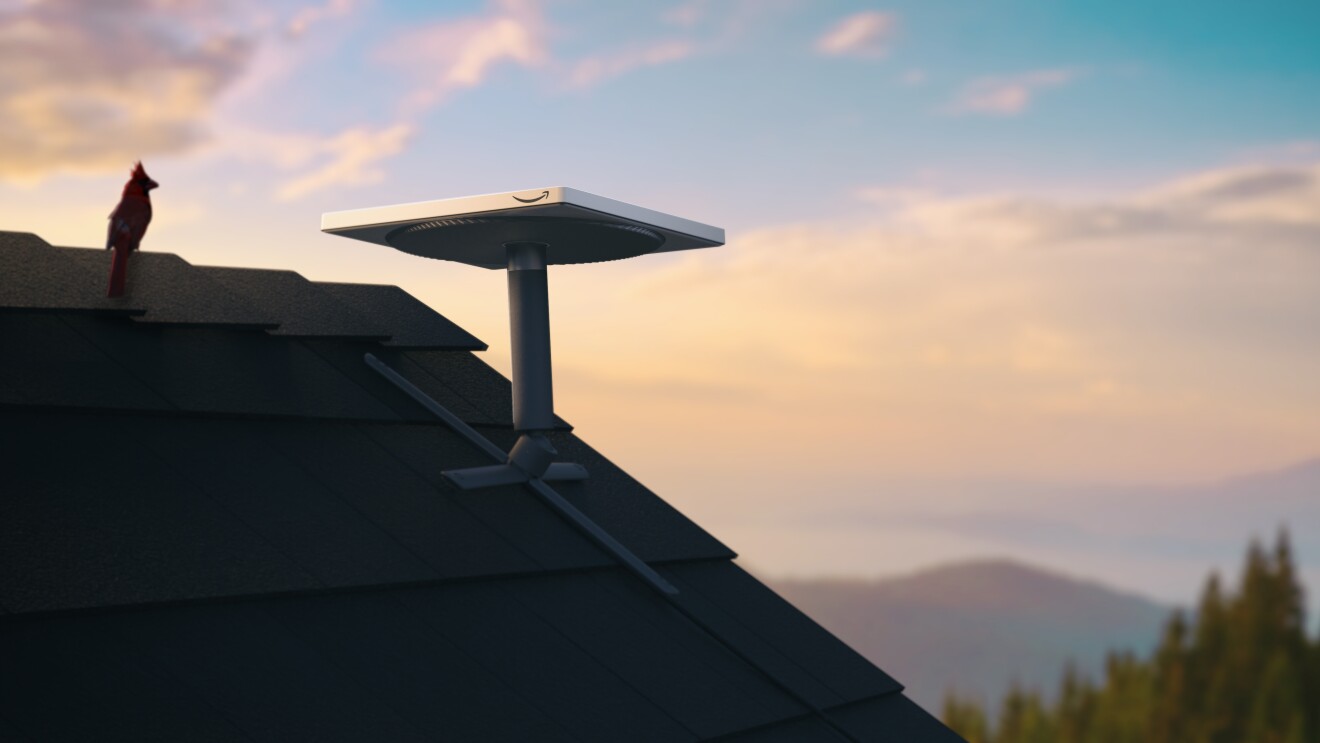
SpaceX acquires xAI to develop orbital data centers. Starlink terminals bypass Iran's government internet blackouts. Blue Origin escalates defense procurement criticism.