


Falcon Heavy Returns After 18-Month Hiatus | KeepTrack X Report
SpaceX's Falcon Heavy flew for the first time in 18 months on April 29, while Starlink hit 51 Falcon 9 launches in 2026 with 10,280 satellites working.


Launch Date
January 19, 1983
Launch Site
PLMSC
Launch Pad
LC132/1
Launch Vehicle
Kosmos 11K65M
NORAD ID
13762
International Designator
1983-002B
Epoch
Sat, 04 Jul 2026 05:14:59 GMT
Apogee
Calculating...
Perigee
Calculating...
Inclination
74.02°
Right Ascension
115.01°
Eccentricity
Calculating...
Argument of Perigee
13.24°
Period
115.60 min
Mean Motion
12.46 rev/day
Latitude
Calculating...
Longitude
Calculating...
Altitude
Calculating...
Velocity
Calculating...
Name
COSMOS 1430
Alternative Name
Kosmos-1430
Type
Status
Owner
GUKOS
Country
USSR
Constellation
N/A
Related Satellites
Major Events
N/A
1 13762U 83002B 26185.21874431 .00000010 00000-0 17591-3 0 9991
2 13762 74.0239 115.0072 0020018 13.2391 138.5405 12.45726068976371
Source: Celestrak
Length
0.8
Diameter
0.8
Span
0.8
Dry Mass
60
Launch Mass
60
Shape
Poly
Radar Cross Section
0.6905
Visual Magnitude
Unknown
Color
Unknown
Material Composition
Unknown
Payload
Strela-1M Blok 33 No. 2
Purpose
Military Communication
Mission
Military Communication
Manufacturer
NPOPM
Life Expectancy
6 months
Bus
Strela-1 11F625
Configuration
Unknown
Motor
Unknown
Equipment
Unknown
Power System
Solar cells, batteries
ADCS
Unknown
Transmitter Frequency
Unknown
Learn more about satellites and other related topics.
SpaceX's Falcon Heavy flew for the first time in 18 months on April 29, while Starlink hit 51 Falcon 9 launches in 2026 with 10,280 satellites working.
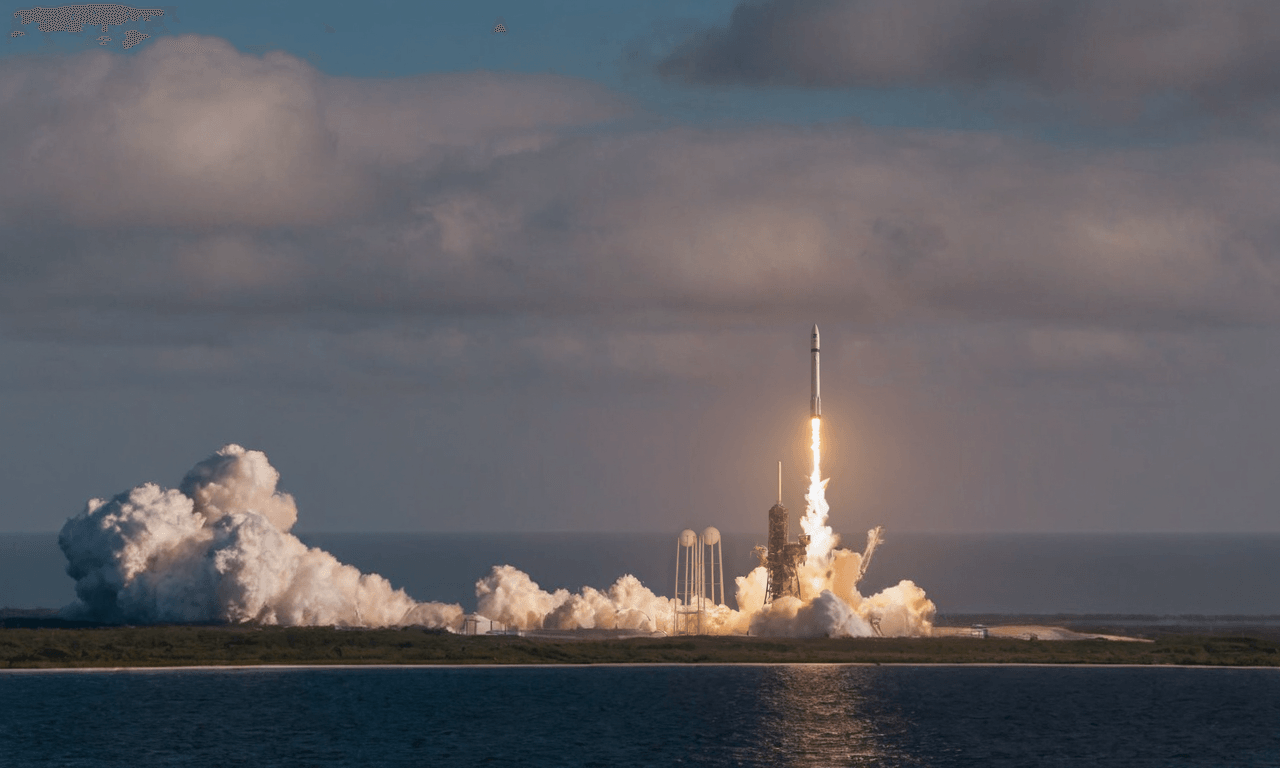
Today's briefing covers an exciting new satellite launch, a significant reentry, and unexpected space debris from a fragmentation event.
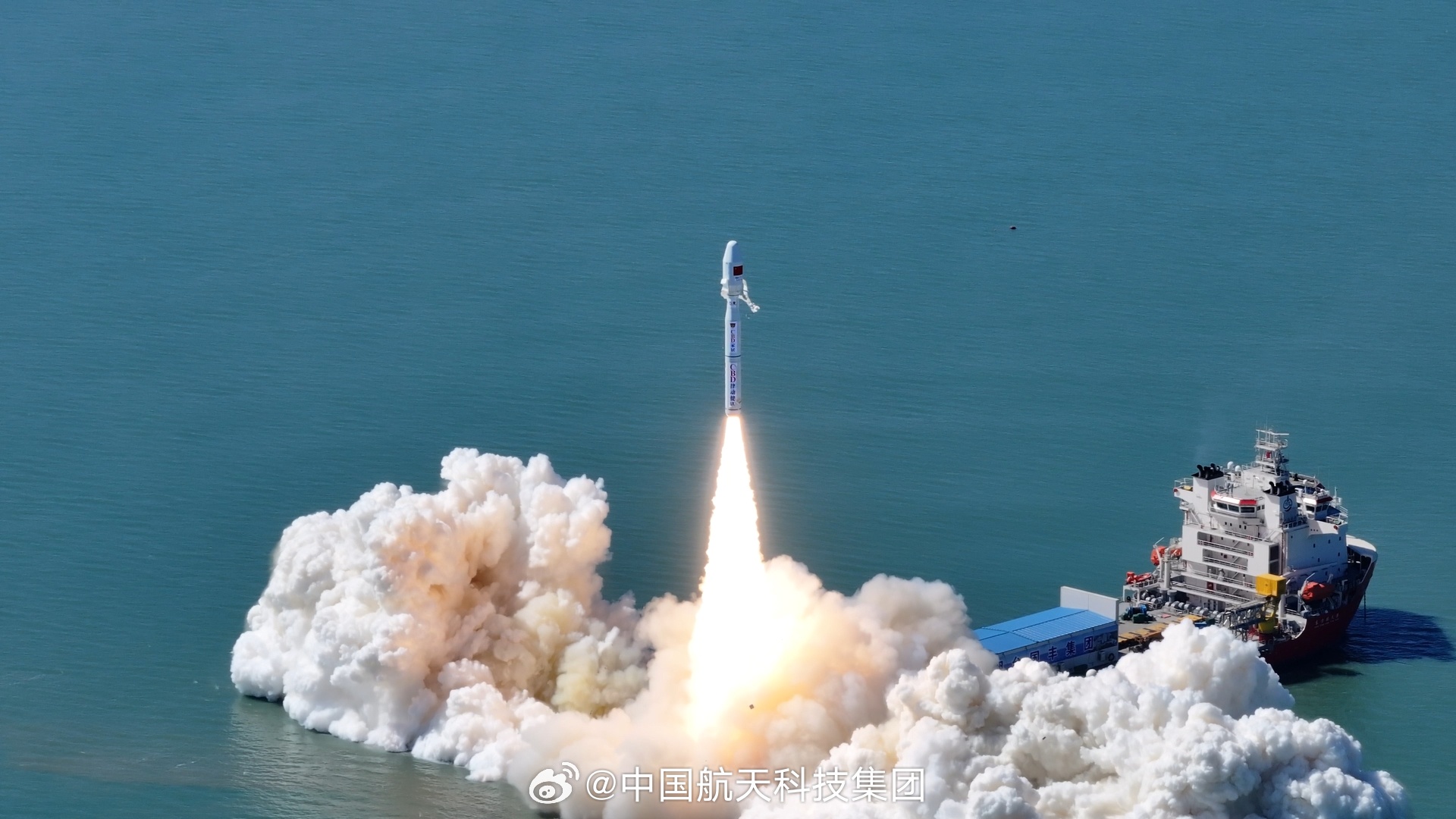
China's Shenlong spaceplane released an unidentified object in orbit, drawing scrutiny amid U.S. Space Force Victus Haze RPO demonstrations. Tracking data critical.
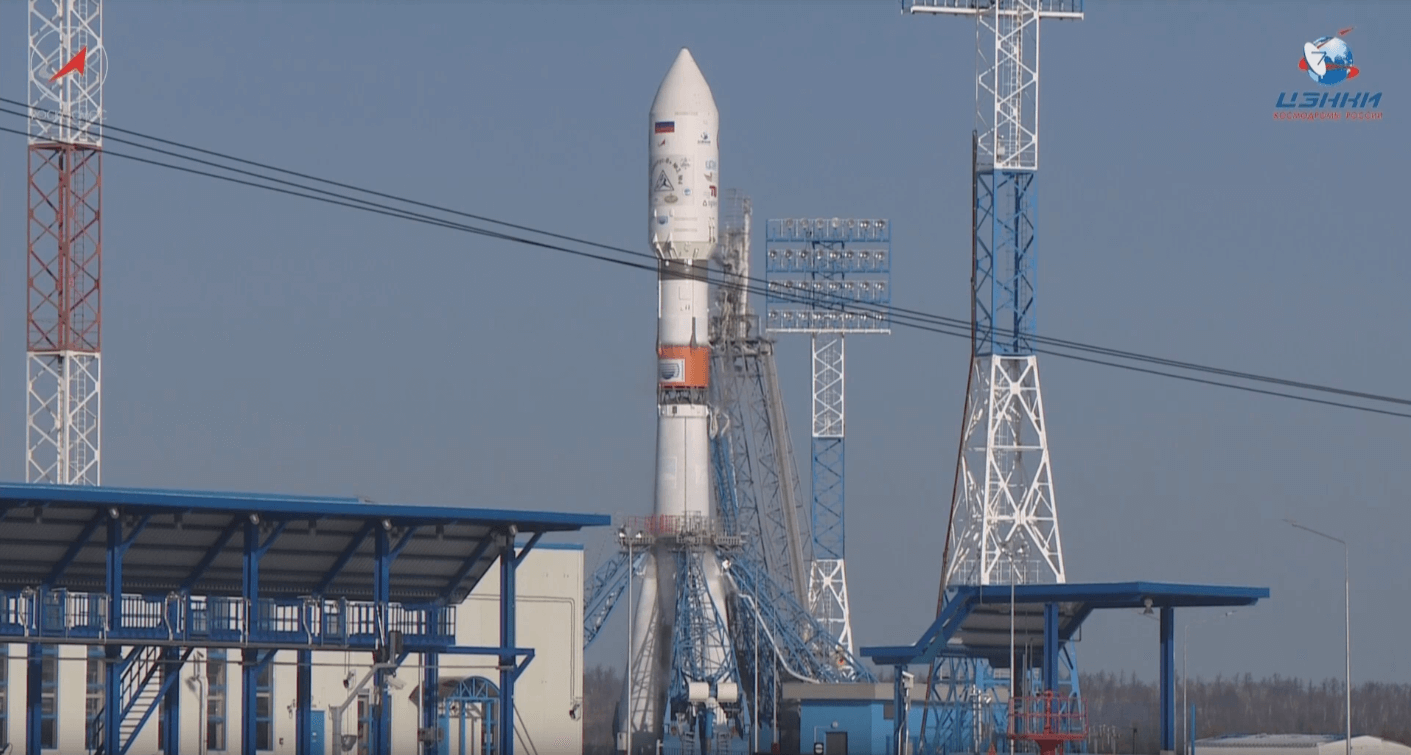
Today's brief highlights a Starlink satellite launch, an OpTech optical sensor contract for the Space Force, and a unique STEM experiment involving space-flown seeds.
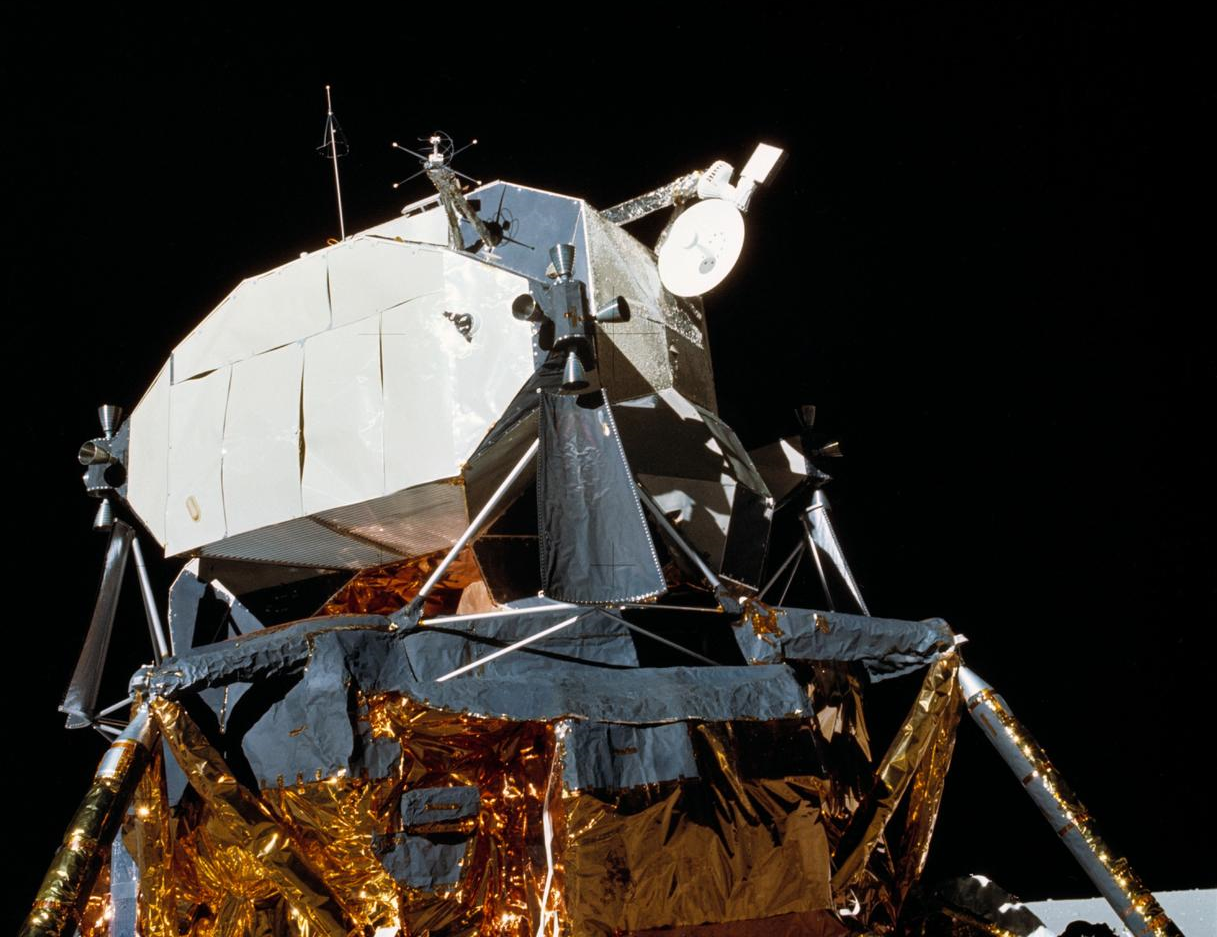
Six hours behind schedule, with a backup engine system shuddering in lunar orbit and mission controllers in Houston running out of options, Apollo 16 came within one meeting of being sent home without landing. The problem was a wobble in a gimbal. The solution was math done under pressure.
Pentagon's DIU seeks commercial partners for GEO spy satellites. SpaceX unveils space traffic management system. Bahamas rocket landings resume. GPS III falls short in modern warfare.

SpaceX scrubs a launch due to ground system issues while continuing its ambitious deployment of Starlink satellites.

SpaceX marks a successful launch of 21 Starlink satellites, follows up after Starship explosion, and influences Qantas flights amid a busy operational schedule.