

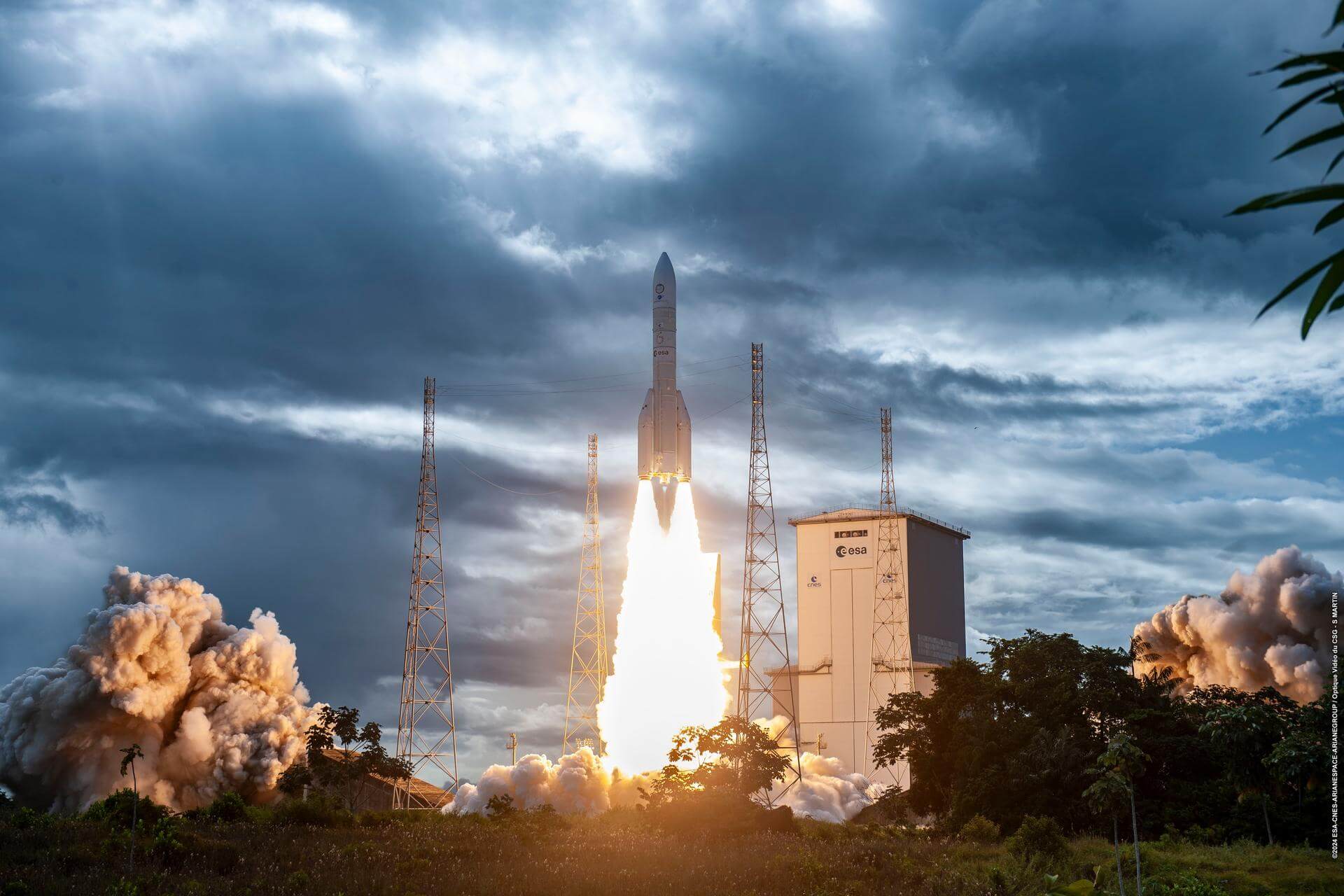
Space Brief 2 Feb 2025
Today's highlights include new satellite launches by SpaceX, technical hiccups for an Indian navigation satellite, and insights into the future of satellite servicing.


Launch Date
April 29, 1965
Launch Site
AFWTR
Launch Pad
PALC1-1
Launch Vehicle
Thor SLV-2A Agena D
NORAD ID
01367
International Designator
1965-033B
Decay Date
6/8/1965
Name
OPS 5023 (2)
Alternative Name
SRV 627
Type
Status
Owner
NRO/CIA
Country
United States
Constellation
N/A
Related Satellites
Major Events
N/A
Apologies, there is no summary for this satellite yet. I am working to generate these for every object in the catalog, but it is going to take time.
Length
0.8
Diameter
0.7
Span
0.8
Dry Mass
157
Launch Mass
157
Shape
Cone
Radar Cross Section
Unknown
Visual Magnitude
Unknown
Color
Unknown
Material Composition
Unknown
Payload
SRV 1019-2
Purpose
Unknown
Mission
Unknown
Manufacturer
GERSD
Life Expectancy
Unknown
Bus
SRV Mk V
Configuration
Unknown
Motor
Star 12
Equipment
Unknown
Power System
Unknown
ADCS
Unknown
Transmitter Frequency
Unknown
Learn more about satellites and other related topics.
Today's highlights include new satellite launches by SpaceX, technical hiccups for an Indian navigation satellite, and insights into the future of satellite servicing.

SpaceX's Starship Flight 12 debuts Ship 39 and Booster 19 on May 19, while York Space faces investor confusion as Space Force reorganizes the Space Development Agency.

Today's brief covers China's Gaofen-14 satellite launch, Europe's advancements in asteroid defense through GomSpace, and Russia's controversial Burevestnik missile test.

Today's brief covers key developments in satellite launches, missile defense strategies, advanced IoT satellite connectivity, and the projected growth of the satellite market driven by defense needs.
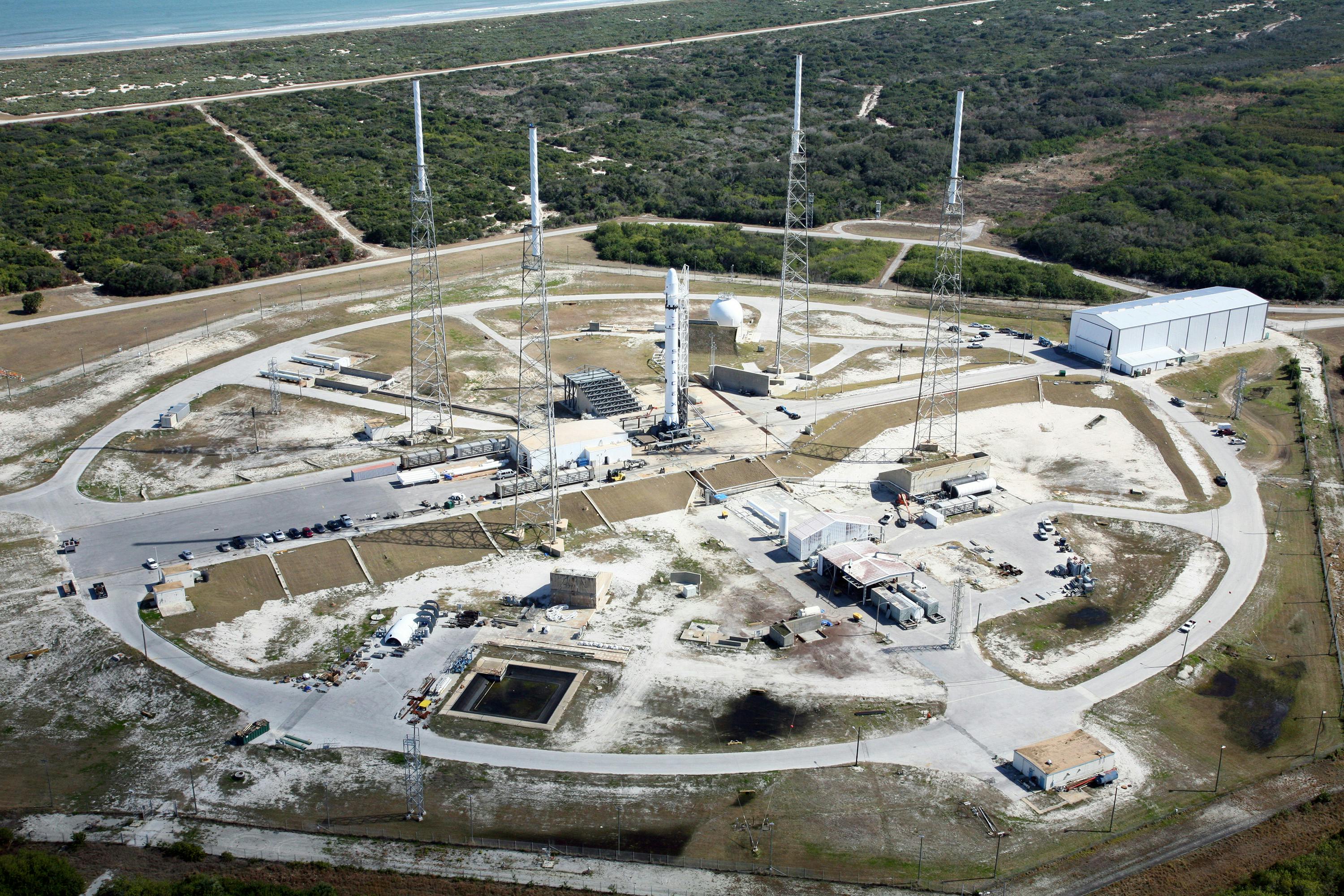
Starship Flight 8 set for launch, new milestones in the defense sector, and launch updates dominate today's news.

Fifty-four years ago, a Saturn V rocket lifted off carrying three astronauts determined to prove America could still reach the Moon after the near-disaster of Apollo 13

On May 4, 1989, Space Shuttle Atlantis lifted off from LC-39B carrying Magellan, NASA's first interplanetary mission since 1978. The eleven-year drought ended in a payload bay, and the radar that emerged would map ninety-eight percent of Venus through clouds that no camera could ever see through.
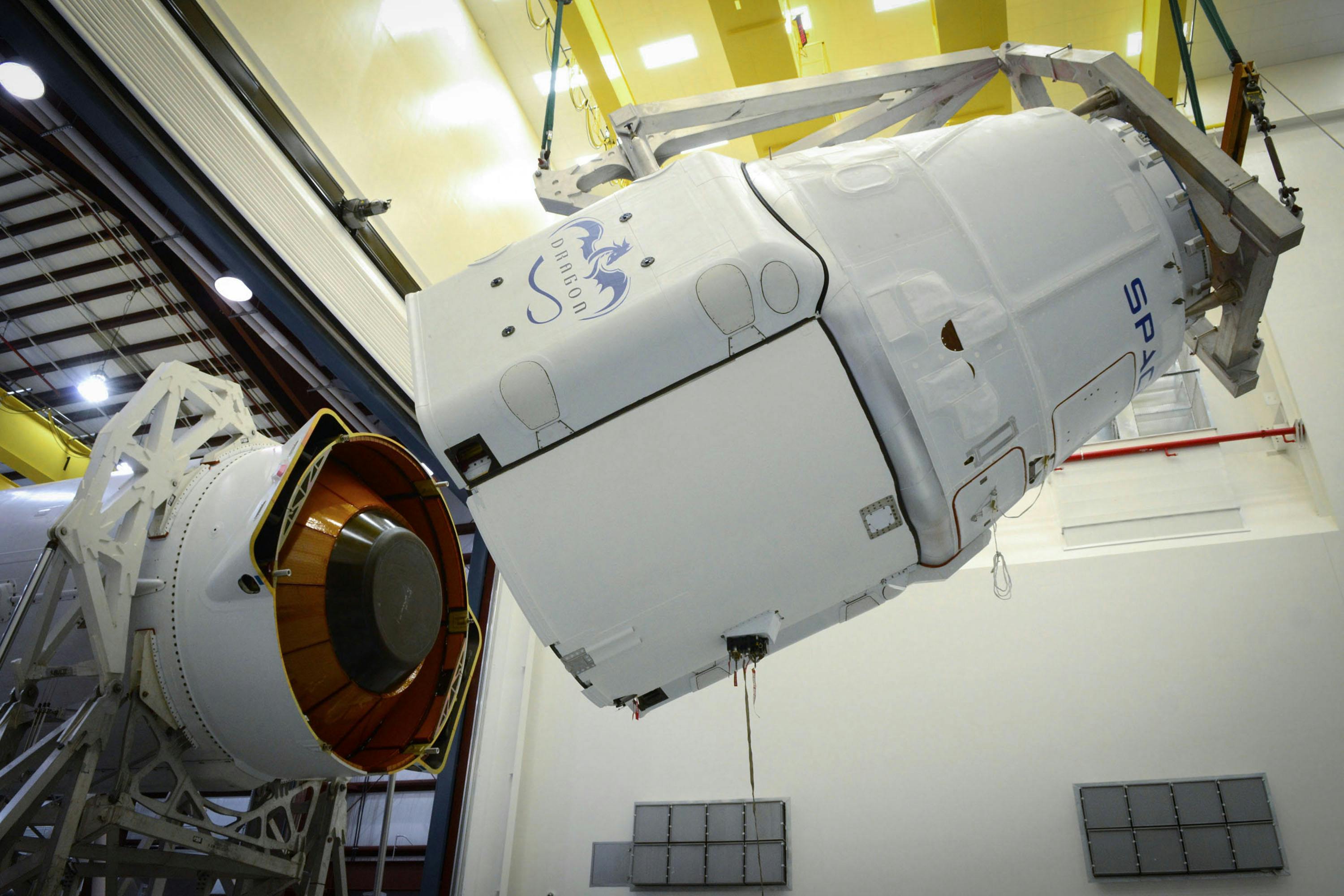
SpaceX advances with Starship, gains FCC approval for new services, and predicts a future shift in spacecraft dominance.