


X Report 8 Dec 2025
SpaceX faces weather challenges as it scrubs the launch of its 3,000th Starlink satellite. Meanwhile, Elon Musk discusses advancing to a Type II civilization in an engaging social media post.


Launch Date
October 2, 1982
Launch Site
Launch Pad
LC90
Launch Vehicle
Tsiklon-2
NORAD ID
13600
International Designator
1982-099A
Epoch
Fri, 03 Jul 2026 19:20:56 GMT
Apogee
Calculating...
Perigee
Calculating...
Inclination
64.82°
Right Ascension
317.24°
Eccentricity
Calculating...
Argument of Perigee
12.40°
Period
103.87 min
Mean Motion
13.86 rev/day
Latitude
Calculating...
Longitude
Calculating...
Altitude
Calculating...
Velocity
Calculating...
Name
COSMOS 1412
Alternative Name
Kosmos-1412
Type
Status
Owner
VMF
Country
USSR
Constellation
N/A
Related Satellites
Major Events
N/A
1 13600U 82099A 26184.80621359 -.00000060 00000-0 26495-4 0 9990
2 13600 64.8156 317.2420 0051248 12.4040 149.5967 13.86384854202007
Source: Celestrak
Length
5.8
Diameter
1.3
Span
5.8
Dry Mass
1154
Launch Mass
1154
Shape
Cyl
Radar Cross Section
2.388
Visual Magnitude
Unknown
Color
Unknown
Material Composition
Unknown
Payload
US-A No. 333 ROCh
Purpose
Ocean surveillance, active radar
Mission
Ocean surveillance, active radar
Manufacturer
KOMET
Life Expectancy
Unknown
Bus
US-A reactor
Configuration
US-Bus
Motor
Unknown
Equipment
Radar
Power System
BES-5 nuclear reactor
ADCS
Unknown
Transmitter Frequency
Unknown
Learn more about satellites and other related topics.
SpaceX faces weather challenges as it scrubs the launch of its 3,000th Starlink satellite. Meanwhile, Elon Musk discusses advancing to a Type II civilization in an engaging social media post.

SpaceX's Starship gains military attention, a feather-light achievement, and a busy week for Falcon 9.
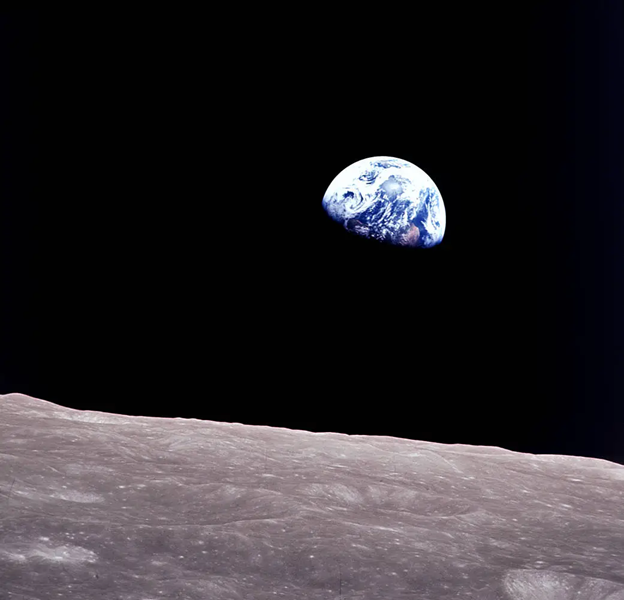
For 56 years, April 22 has been the day the world stops to look at itself. Before that was possible, someone had to invent the view. This is the story of how we first saw Earth from the outside, from a crashed V-2 camera in the New Mexico desert to the Blue Marble that still hangs on classroom walls.
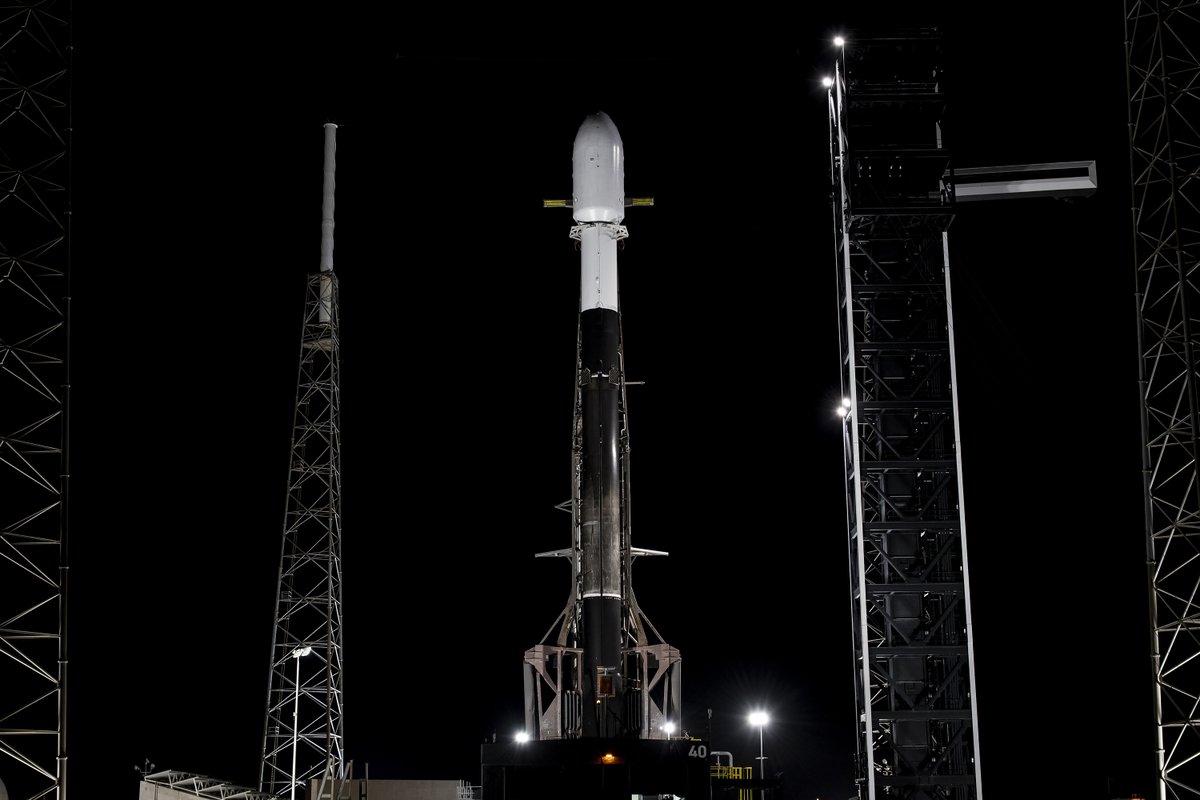
SpaceX launches its 1,500th Starlink satellite of 2026 as shares jump 19% on Nasdaq debut day. Musk targets $1 trillion in annual revenue by 2030.
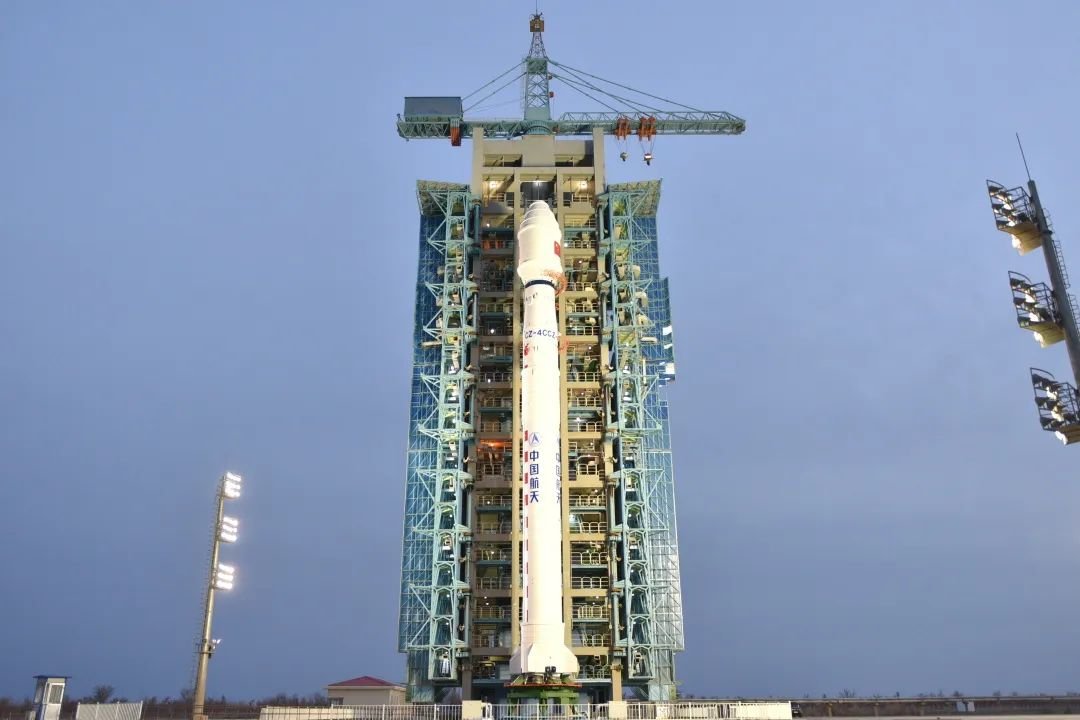
Today's Space Brief covers the inaugural national security mission of ULA's Vulcan Centaur, the Space Force's 2026 budget insights, and shifts in military drone technology.
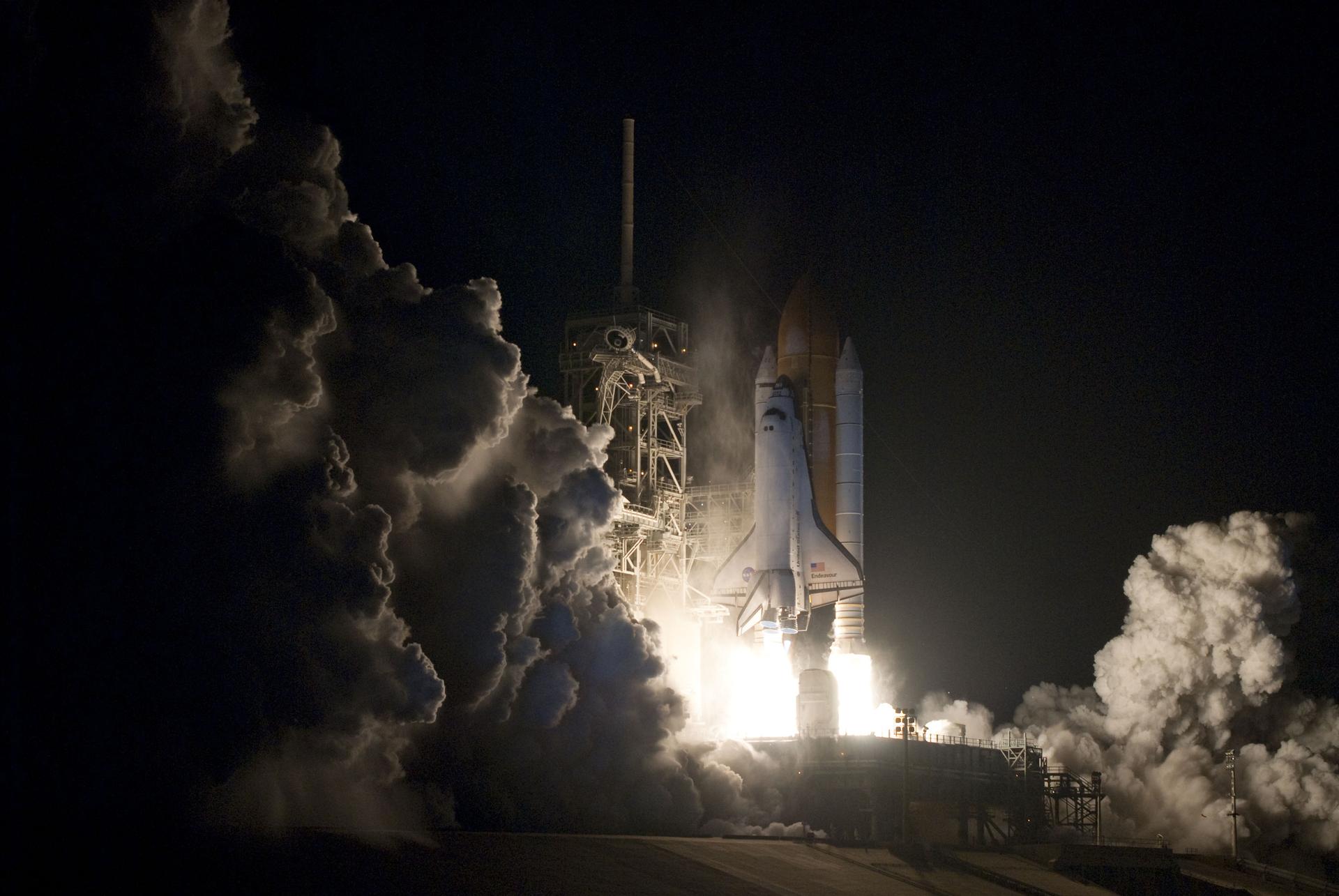
Fifteen years ago, Space Shuttle Endeavour launched on a mission that would give International Space Station astronauts their most spectacular view of Earth through the innovative Cupola observatory

Today's space brief highlights the U.S. Space Force's new satellite naming scheme, the Air Force Secretary's warnings on China's space advances, BAE Systems' DARPA award, strategies for future space defense, the importance of GEO satellite refueling, and Blue Origin's plans for Space Force certification.
ULA Vulcan Centaur launches USSF-87 with two GSSAP surveillance satellites to near-GEO orbit. NRO expands commercial imaging. Integrate raises $17M for classified platform.