


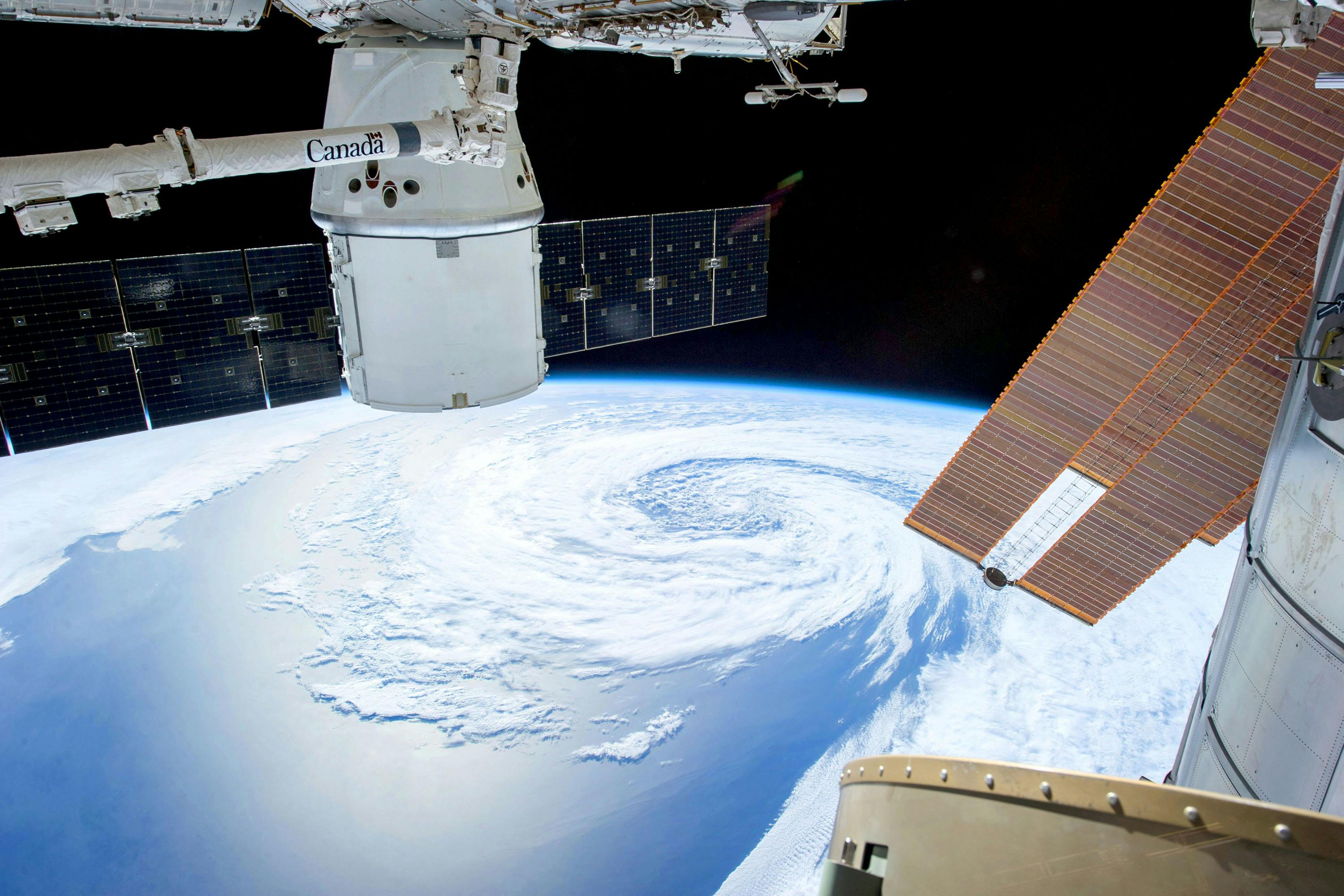
X Report 22 Jul 2025
Critical updates from SpaceX include a scrubbed satellite launch and a busy launch schedule for the week, featuring multiple Falcon 9 missions.


Launch Date
September 24, 1982
Launch Site
PLMSC
Launch Pad
LC32/1
Launch Vehicle
Tsiklon-3
NORAD ID
13590
International Designator
1982-096B
Epoch
Sat, 04 Jul 2026 03:28:24 GMT
Apogee
Calculating...
Perigee
Calculating...
Inclination
82.61°
Right Ascension
94.04°
Eccentricity
Calculating...
Argument of Perigee
273.31°
Period
115.88 min
Mean Motion
12.43 rev/day
Latitude
Calculating...
Longitude
Calculating...
Altitude
Calculating...
Velocity
Calculating...
Name
SL-14 R/B
Alternative Name
Tsiklon-3 29-803 Stage 3
Type
Status
Owner
GUKOS
Country
USSR
Constellation
N/A
Related Satellites
Major Events
N/A
1 13590U 82096B 26185.14473174 .00000041 00000-0 22411-3 0 9994
2 13590 82.6093 94.0400 0005132 273.3144 252.4839 12.42686293985648
Source: Celestrak
Length
2.8
Diameter
2.2
Span
2.8
Dry Mass
1600
Launch Mass
1600
Shape
Cyl
Radar Cross Section
3.981
Visual Magnitude
Unknown
Color
Unknown
Material Composition
Unknown
Payload
S5M
Purpose
Unknown
Mission
Unknown
Manufacturer
YUZH
Life Expectancy
Unknown
Bus
S5M
Configuration
Unknown
Motor
Unknown
Equipment
Unknown
Power System
Unknown
ADCS
Unknown
Transmitter Frequency
Unknown
Learn more about satellites and other related topics.
Critical updates from SpaceX include a scrubbed satellite launch and a busy launch schedule for the week, featuring multiple Falcon 9 missions.

U.S. Space Force executes first tactical orbital intercept under Victus Haze mission using commercial spacecraft. Rendezvous and proximity operations now operationally demonstrated.
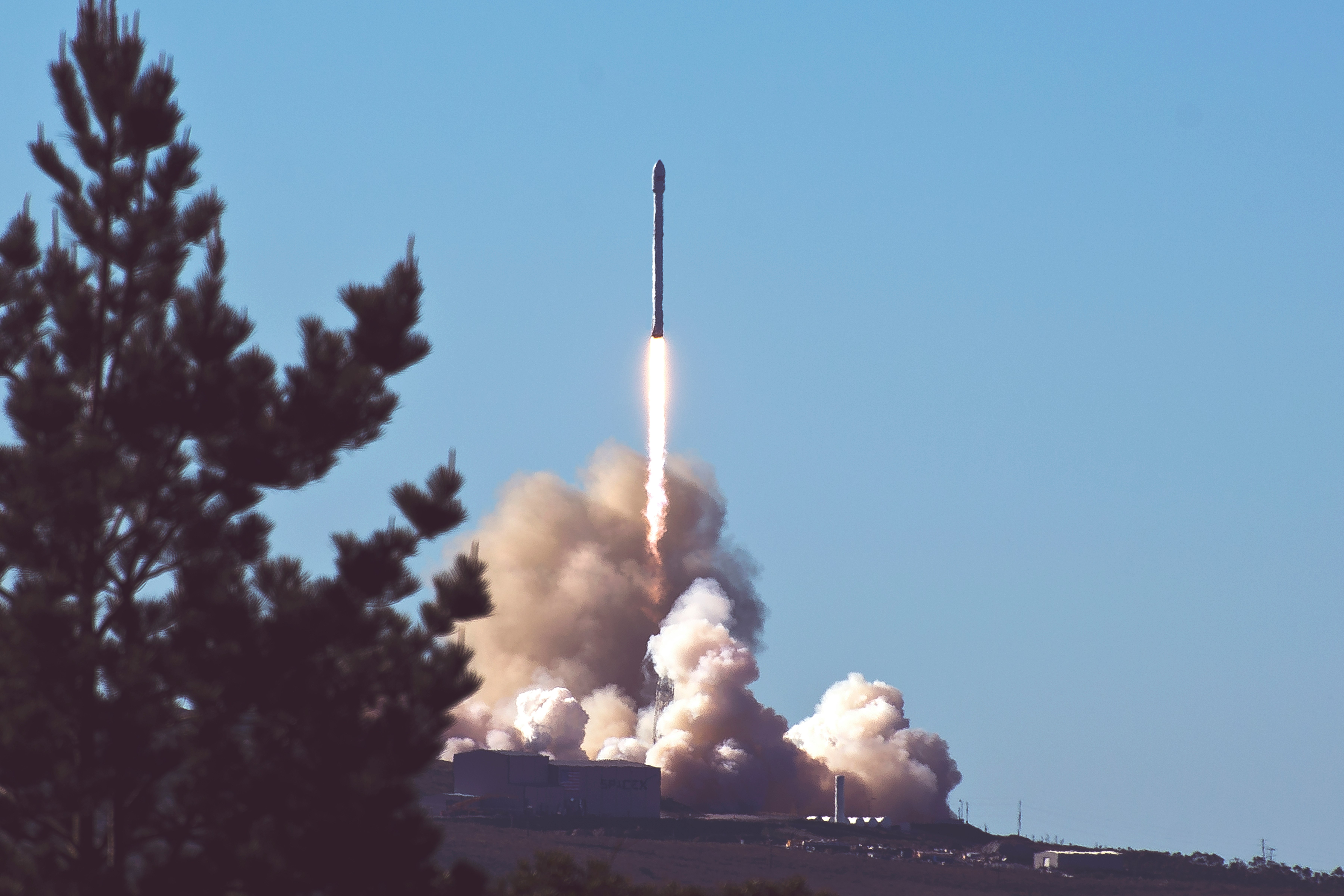
SpaceX launches Starlink satellites successfully, while Starbase inches closer to city status and business discussions intensify.

Today's highlights include a SpaceX launch of Starlink satellites, a pivotal delivery to the Space Force, and significant Senate funding for NASA missions.

Today's highlights include significant data release from NASA's Atmospheric Waves Experiment, SpaceX's dual launches of Crew-10 and Starlink satellites, and intriguing findings from the arctic ice studies.
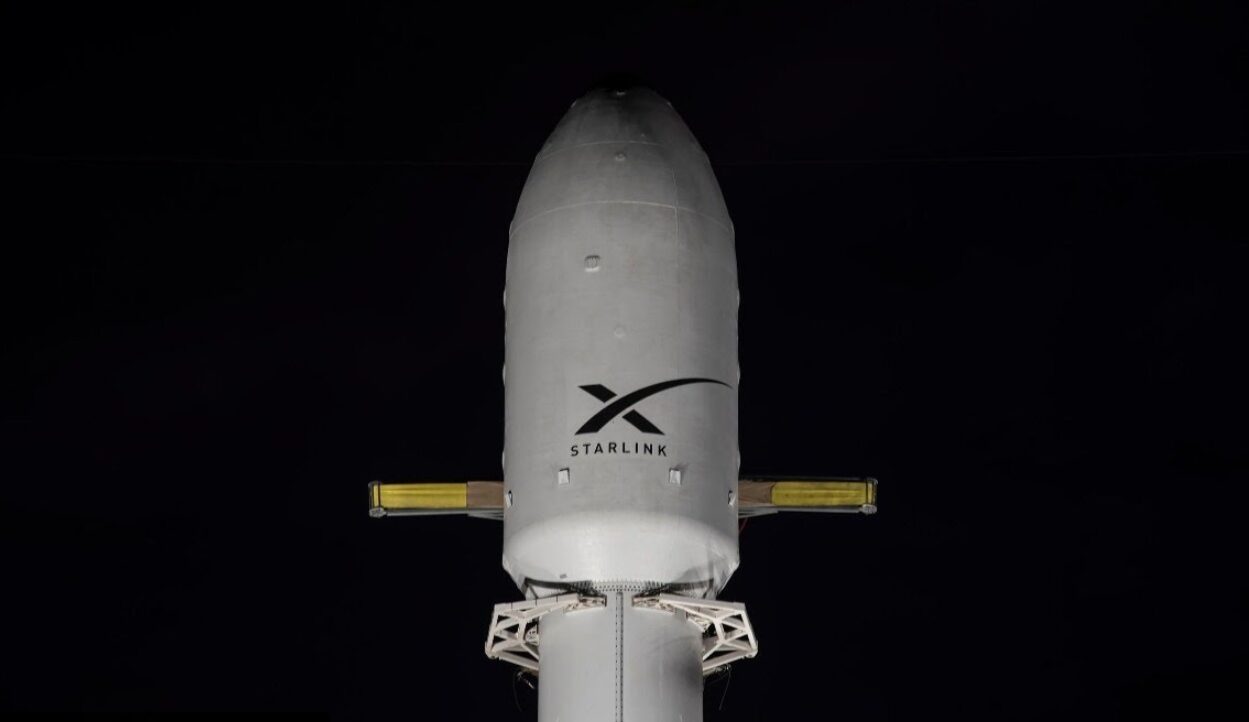
FCC clears Reflect Orbital's first satellite to bounce sunlight into nighttime zones, despite pushback from astronomers concerned about orbital streaking and wildlife impacts.

SpaceX claims a 2nd GPS III launch as ULA's Vulcan investigation stalls, while ESA charters a Crew Dragon ISS mission and Starlink hits 30 launches in 2026.

Discover the history and significance of Two-Line Element Sets (TLEs) in satellite tracking. Dive into their components, applications, and how they are evolving to meet future space challenges.