

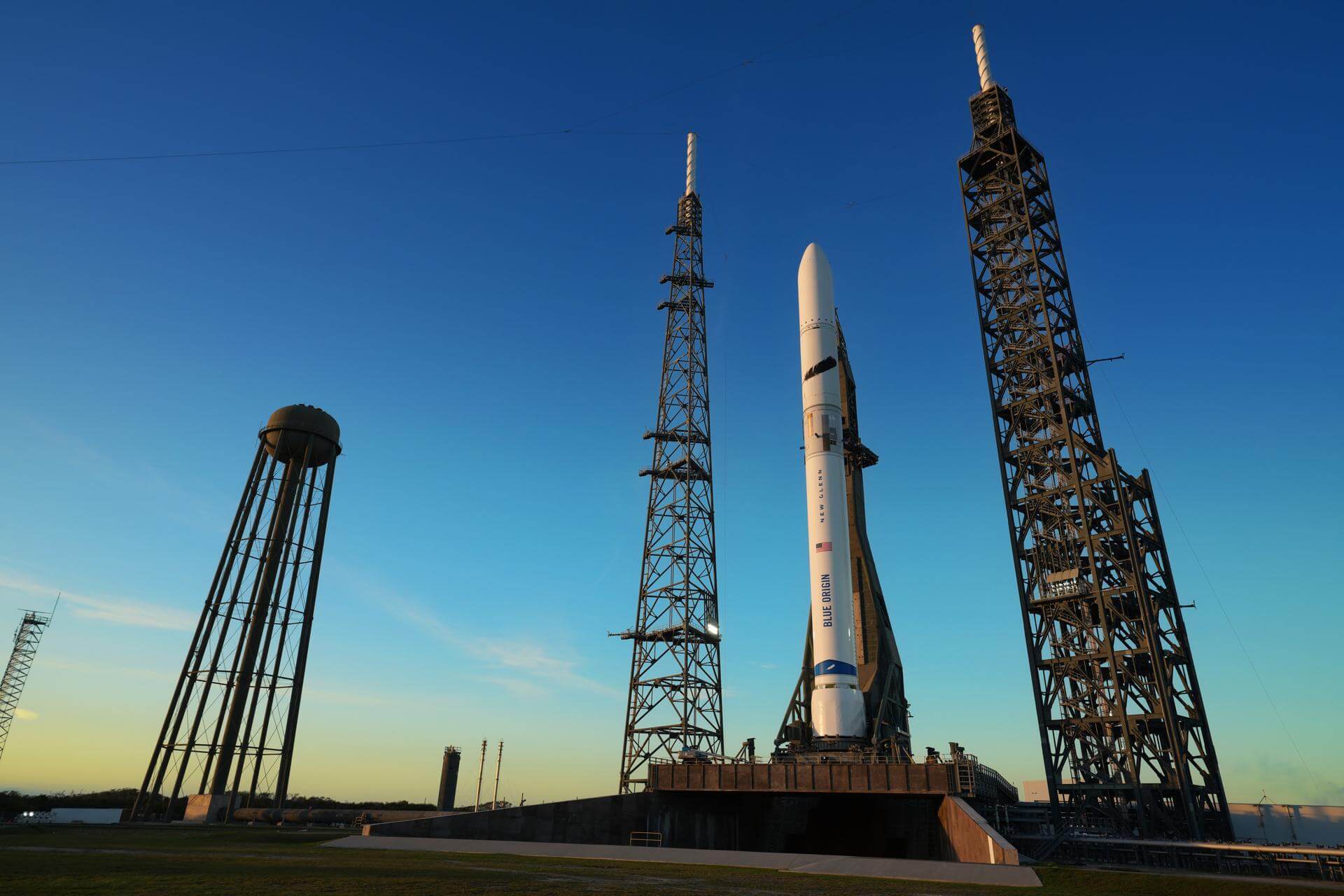
Space Brief 3 Nov 2025
Highlighting India's significant military satellite launch, real-time satellite tracking developments in Europe, SpaceX's new rideshare mission, and more space industry news.


Launch Date
September 16, 1982
Launch Site
Launch Pad
LC200/40
Launch Vehicle
Proton-K/DM
NORAD ID
13584
International Designator
1982-093E
Decay Date
9/14/1983
Name
SL-12 R/B(AUX MOTOR)
Alternative Name
DM-31L SOZ-2
Type
Status
Owner
RVSN
Country
USSR
Constellation
N/A
Related Satellites
Major Events
N/A
Length
1.1
Diameter
0.5
Span
1.1
Dry Mass
60
Launch Mass
120
Shape
Cyl
Radar Cross Section
0.8
Visual Magnitude
Unknown
Color
Unknown
Material Composition
Unknown
Payload
SOZ
Purpose
Unknown
Mission
Unknown
Manufacturer
NPOE
Life Expectancy
Unknown
Bus
SOZ
Configuration
Unknown
Motor
Unknown
Equipment
Unknown
Power System
Unknown
ADCS
Unknown
Transmitter Frequency
Unknown
Learn more about satellites and other related topics.
Highlighting India's significant military satellite launch, real-time satellite tracking developments in Europe, SpaceX's new rideshare mission, and more space industry news.
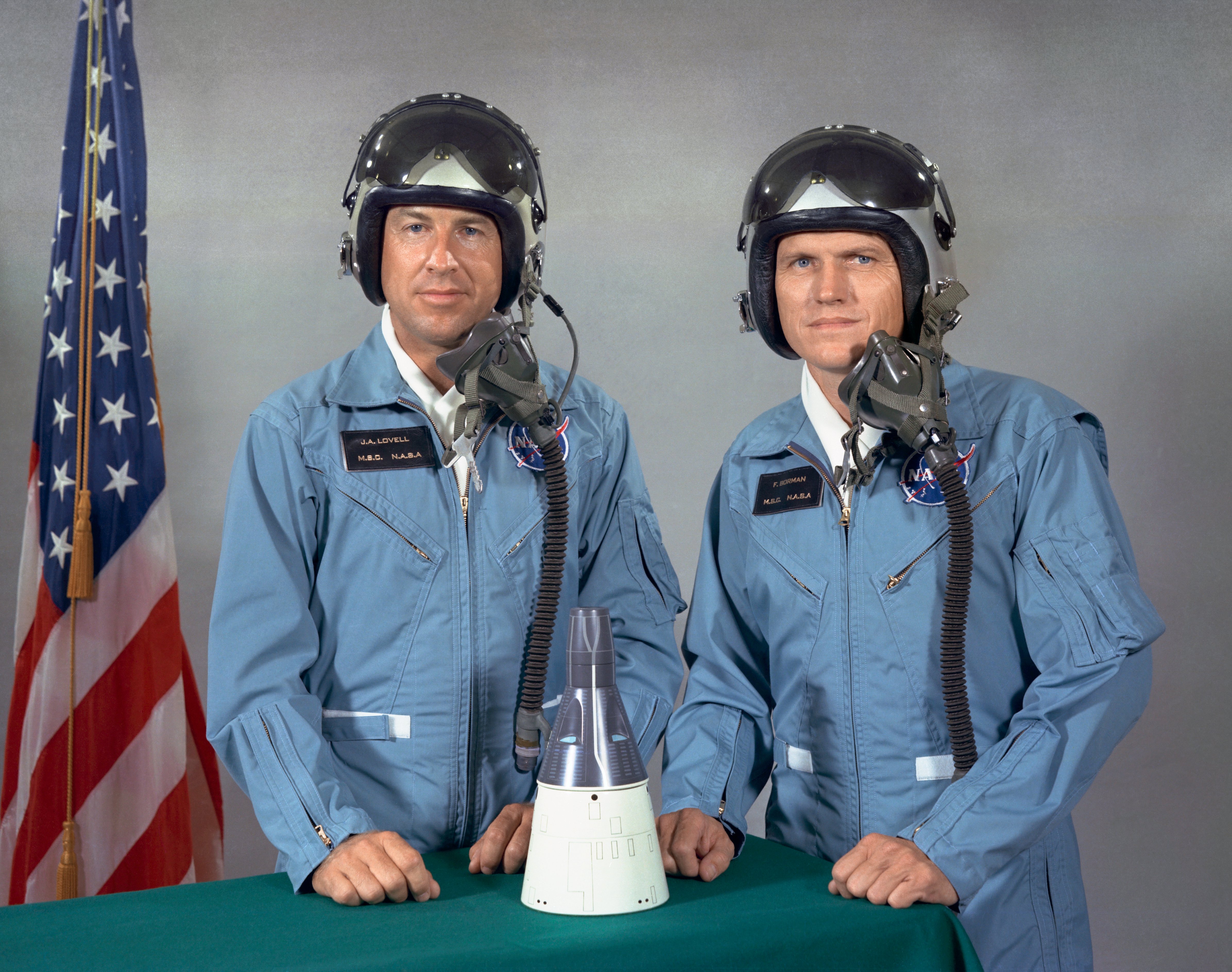
Sixty years ago, Frank Borman and James Lovell launched aboard Gemini 7 for a grueling 14-day mission that would prove humans could endure the journey to the moon and achieve the first true rendezvous in space
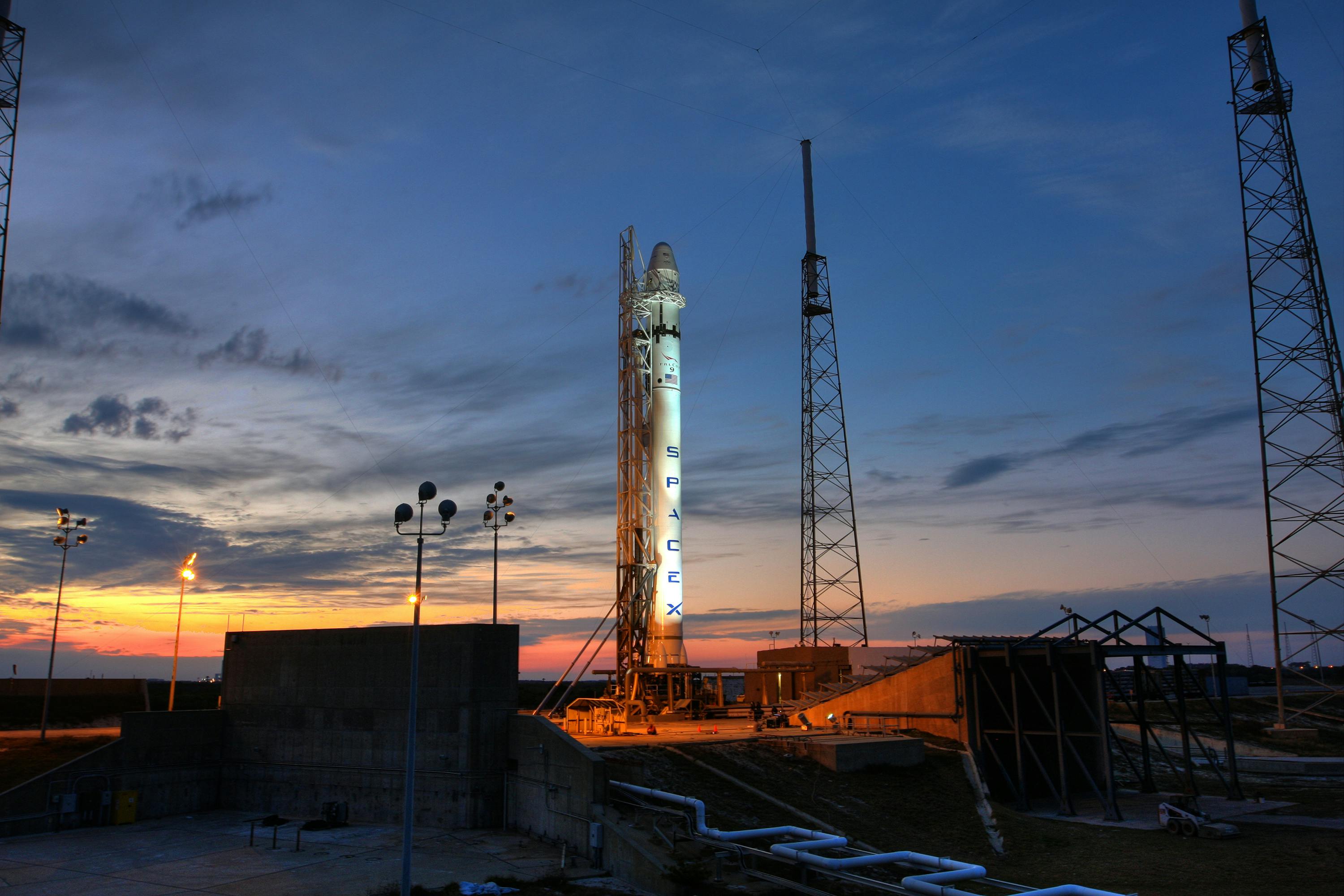
SpaceX successfully launches a new batch of Starlink satellites, while Viasat seeks LEO capacity amid rising competition.

Japan's H3 rocket successfully launched June 11, deploying 6 smallsats to orbit after December failure. First return-to-flight for JAXA's flagship heavy-lift vehicle.

Today’s Space Brief covers significant developments such as SpaceX’s latest Starlink launch, the US Space Force testing modular satellite technology, and key long-range missile tests by the Pentagon.
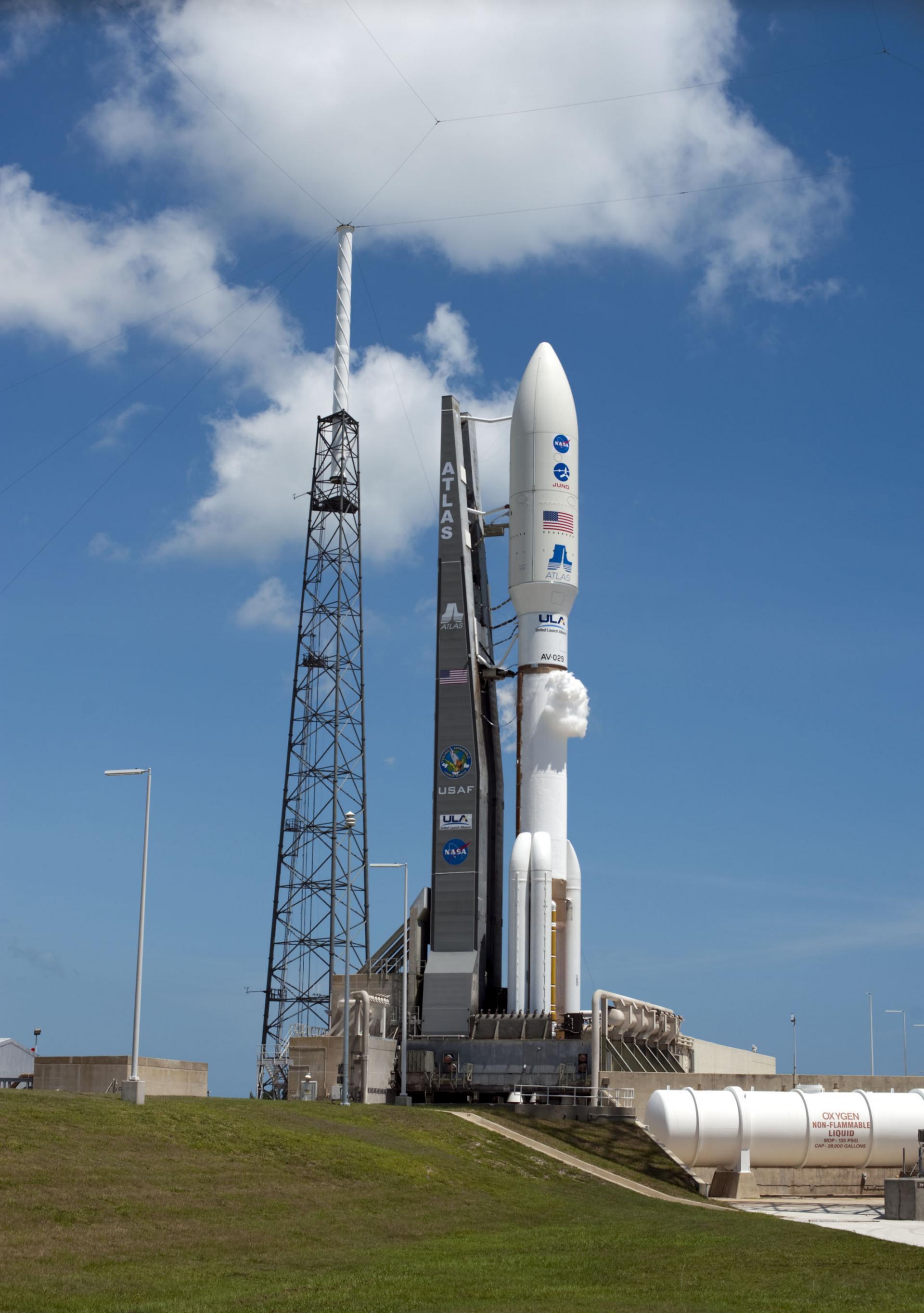
Today's Space Brief covers major developments in Pentagon procurement methods, strategic satellite intelligence advancements, and increasing interest in drone technology within the defense sector.
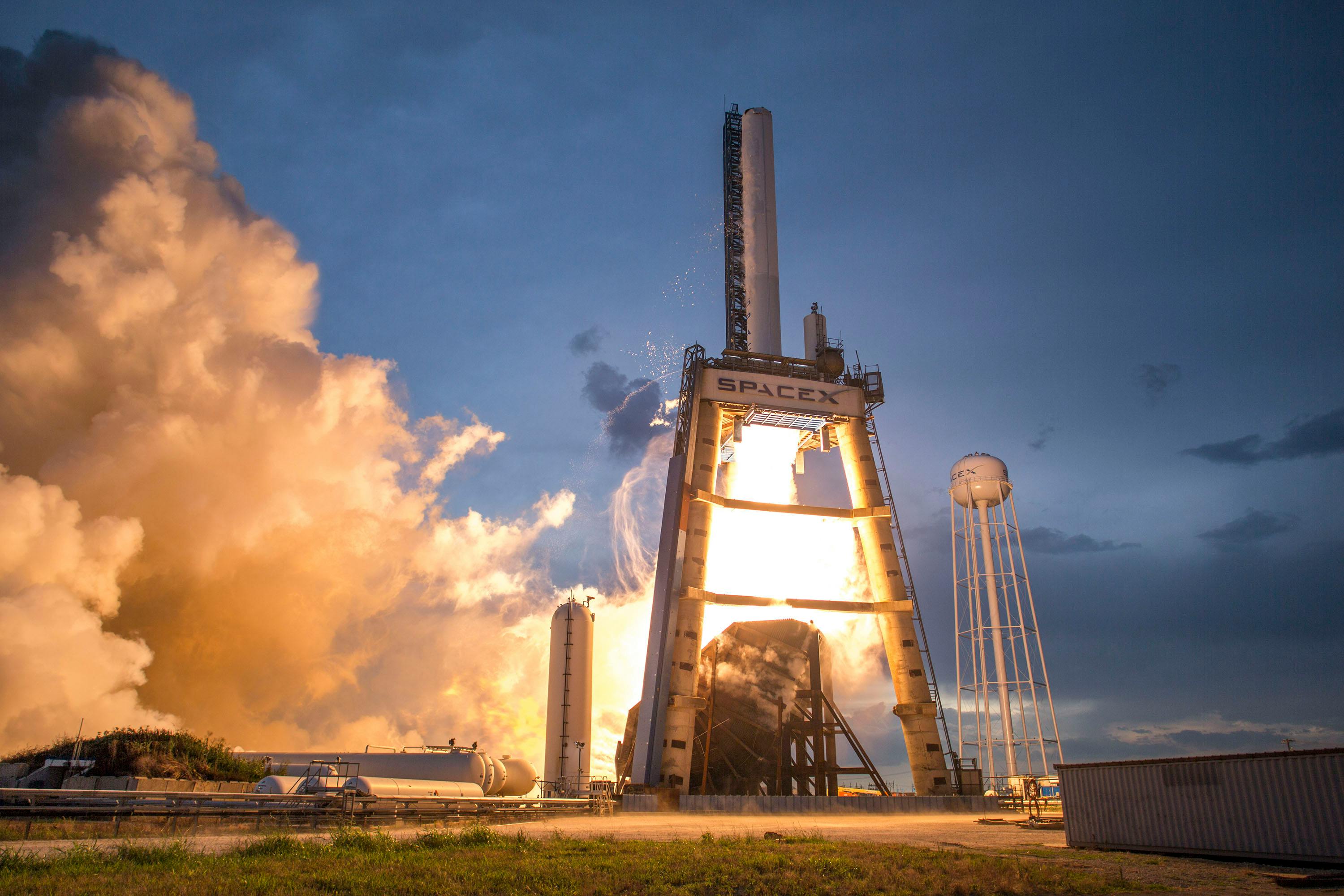
SpaceX's Falcon 9 launches 119 payloads on Transporter-16, the 21st smallsat rideshare mission, from Vandenberg SFB at 1102 UTC.
Shenzhou-23 docked with Tiangong May 24 with 3 astronauts, including Hong Kong's first crew member. One will stay ~1 year in orbit.