SL-12 R/B(AUX MOTOR) (13583)

COSPAR: 1982-093D | Alt Name: DM-31L SOZ-1
DECAYED

Image
SL-12 R/B(AUX MOTOR) Satellite Image
Additional Sources
Launch Details

Launch Date

September 16, 1982

Launch Pad

LC200/40

Launch Vehicle

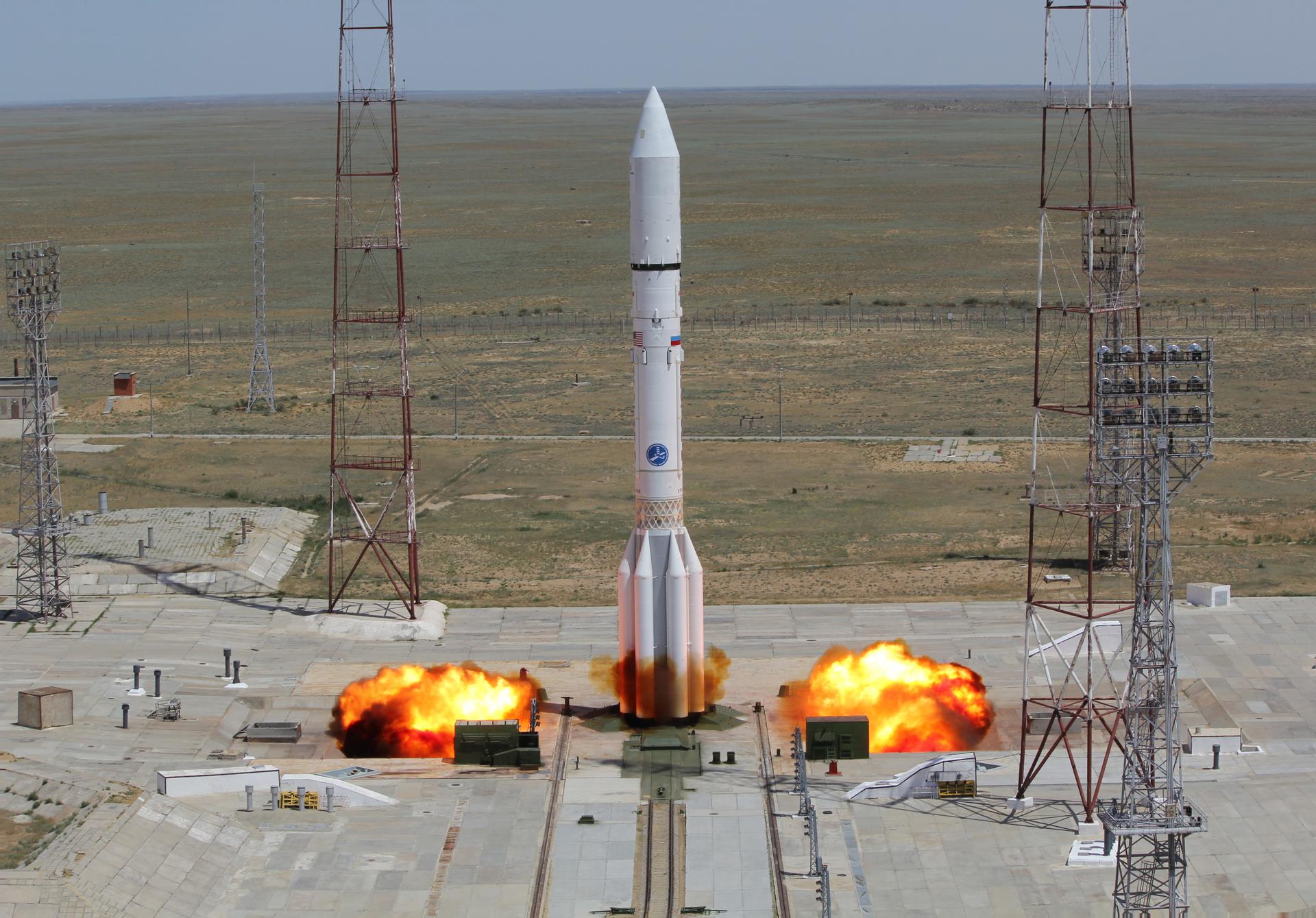
Proton-K/DM

Orbital Elements

NORAD ID

13583

International Designator

1982-093D

Decay Date

10/12/1983

Basic Satellite Info

Name

SL-12 R/B(AUX MOTOR)

Alternative Name

DM-31L SOZ-1

Type

Rocket Body

Status

Space Junk

Owner

RVSN

Country

USSR

Constellation

N/A

Related Satellites

Major Events

N/A

Summary
A rocket body, also commonly referred to as an upper stage or spent rocket stage, is the structural shell left behind after a rocket has delivered its payload to orbit. These large and often heavy pieces of space hardware can remain in orbit for years, posing significant collision hazards as part of the growing space debris problem. If left uncontrolled, rocket bodies have the potential to reenter Earth's atmosphere unpredictably, which can lead to falling debris in populated areas. Additionally, they risk colliding with operational satellites or the International Space Station, creating more debris and putting human life at risk.
Physical Characteristics

Length

1.1

Diameter

0.5

Span

1.1

Dry Mass

60

Launch Mass

120

Shape

Cyl

Radar Cross Section

2.1

Visual Magnitude

Unknown

Color

Unknown

Material Composition

Unknown

Technical Details

Payload

SOZ

Purpose

Unknown

Mission

Unknown

Manufacturer

NPOE

Life Expectancy

Unknown

Bus

SOZ

Configuration

Unknown

Motor

Unknown

Equipment

Unknown

Power System

Unknown

ADCS

Unknown

Transmitter Frequency

Unknown

Satellite Articles

View All Posts »

Learn more about satellites and other related topics.

Starcloud Files 88,000-Satellite Constellation Plan | KeepTrack Space Brief

Starcloud Files 88,000-Satellite Constellation Plan | KeepTrack Space Brief

Starcloud files FCC plans for 88,000-satellite orbital data center constellation, matching scale of Starlink and Amazon Kuiper expansions. Massive LEO conjunction risk implications.

Katalyst Link Clears Tests for $500M SPARCS Rescue | KeepTrack Space Brief

Katalyst Link Clears Tests for $500M SPARCS Rescue | KeepTrack Space Brief

Katalyst's Link spacecraft passes key testing milestone ahead of June 2026 launch to rescue NASA's $500M SPARCS telescope. In-space servicing mission will create trackable conjunction risk during approach and docking phase.

Starship V3 Static Fire Sets Up Flight 12, X Report 16 Apr 2026

Starship V3 Static Fire Sets Up Flight 12, X Report 16 Apr 2026

Starship V3 completes its first full-duration static fire in April 2026, with Flight 12 targeting May. Dual Falcon 9s push Starlink to 10,242 working.

Artemis 2 Crew Arrives for April 1 Lunar Flyby Launch | KeepTrack Space Brief

Artemis 2 Crew Arrives for April 1 Lunar Flyby Launch | KeepTrack Space Brief

Artemis 2 astronauts arrive at KSC for April 1 launch. Four-person crew will fly lunar free-return trajectory, first crewed lunar mission since Apollo 17 in 1972.

X Report 23 Oct 2025

X Report 23 Oct 2025

SpaceX continues to break records with its Falcon 9 missions while facing public scrutiny from Elon Musk regarding NASA's leadership. Meanwhile, satellite spectrum battles heat up as Lynk Global and Omnispace prepare to merge.

Varda W-5 Reentry Lands in Australia, Senate Passes $839B Defense Bill | KeepTrack Space Brief

Varda W-5 Reentry Lands in Australia, Senate Passes $839B Defense Bill | KeepTrack Space Brief

Varda Space's W-5 mission lands safely in Australia. Leonardo DRS wins SDA Tracking Layer Tranche 3 infrared payload contract. Senate passes $839B defense bill.

Space Brief 10 Mar 2025

Space Brief 10 Mar 2025

Today's briefing covers significant events, including advancements in US missile warning systems, SpaceX's Florida Starship plans, a European rocket's success, and NASA's upcoming missions.

Space Brief 1 Jul 2025

Space Brief 1 Jul 2025

Key developments in the space sector include new partnerships for satellite surveillance, strategic shifts from the Defense Department impacting weather forecasting, and the Space Force's focus on agile satellite technologies.