


X Report 20 Oct 2025
SpaceX made significant strides with the successful launch of Starlink satellites and the approval for the redevelopment of SLC-6, reinforcing its foothold in commercial spaceflight.



Launch Date
June 4, 1981
Launch Site
PLMSC
Launch Pad
LC132/2
Launch Vehicle
Kosmos 11K65M
NORAD ID
13483
International Designator
1981-053GD
Epoch
Fri, 03 Jul 2026 16:05:11 GMT
Apogee
Calculating...
Perigee
Calculating...
Inclination
82.92°
Right Ascension
72.60°
Eccentricity
Calculating...
Argument of Perigee
45.88°
Period
101.21 min
Mean Motion
14.23 rev/day
Latitude
Calculating...
Longitude
Calculating...
Altitude
Calculating...
Velocity
Calculating...
Name
COSMOS 1275 DEB
Alternative Name
deb Kosmos-1275
Type
Status
Owner
GUKOS
Country
USSR
Constellation
N/A
Related Satellites
Major Events
N/A
1 13483U 81053GD 26184.67027106 .00001854 00000-0 81977-3 0 9999
2 13483 82.9201 72.6038 0011212 45.8781 343.6605 14.22736277249754
Source: Celestrak
Length
0
Diameter
0
Span
0
Dry Mass
0
Launch Mass
0
Shape
N/A
Radar Cross Section
0.0535
Visual Magnitude
Unknown
Color
Unknown
Material Composition
Unknown
Payload
Unknown
Purpose
Unknown
Mission
Unknown
Manufacturer
Unknown
Life Expectancy
Unknown
Bus
Unknown
Configuration
Unknown
Motor
Unknown
Equipment
Unknown
Power System
Unknown
ADCS
Unknown
Transmitter Frequency
Unknown
Learn more about satellites and other related topics.
SpaceX made significant strides with the successful launch of Starlink satellites and the approval for the redevelopment of SLC-6, reinforcing its foothold in commercial spaceflight.
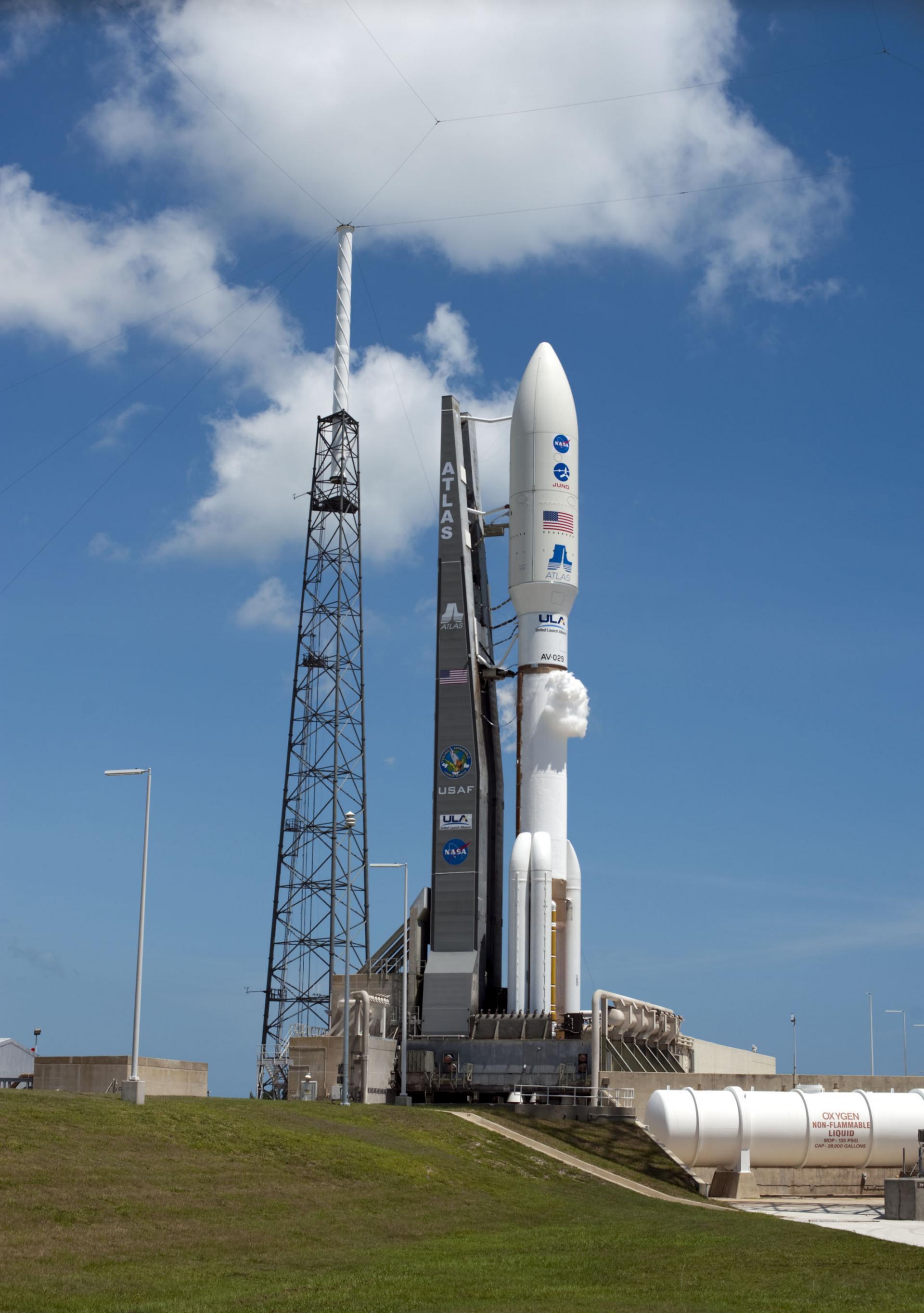
Today's briefing covers space-based missile defense, AI maritime surveillance, and new governmental shifts impacting the defense sector.

Today's brief highlights a Pentagon satellite network challenge, the expanding use of AI in military strategy, and advancements in commercial launch vehicle production.
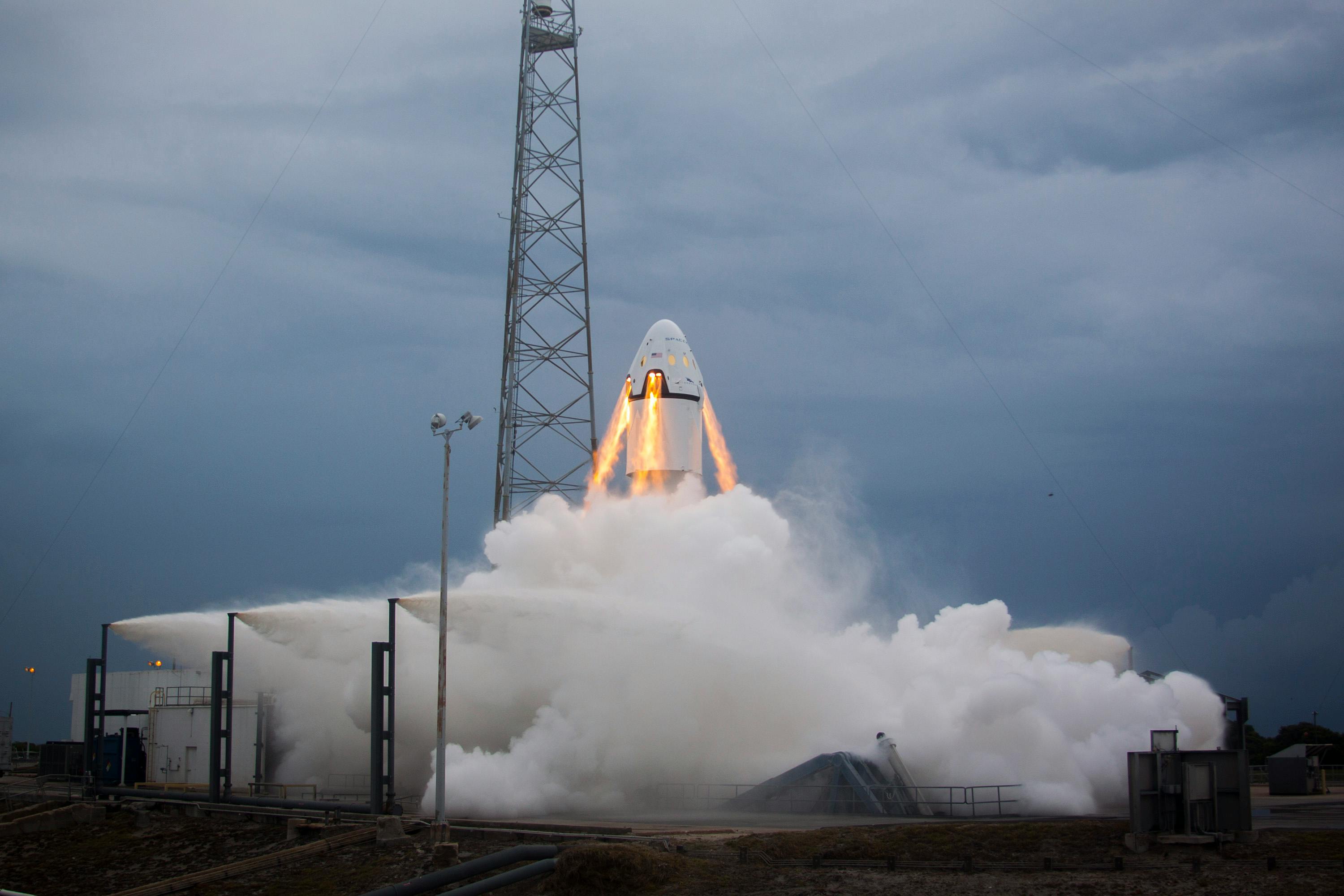
SpaceX continues strong momentum in June with successful satellite launches, a new service from Telstra, and updates on upcoming missions. Key developments are shaping the future of both space travel and satellite communications.
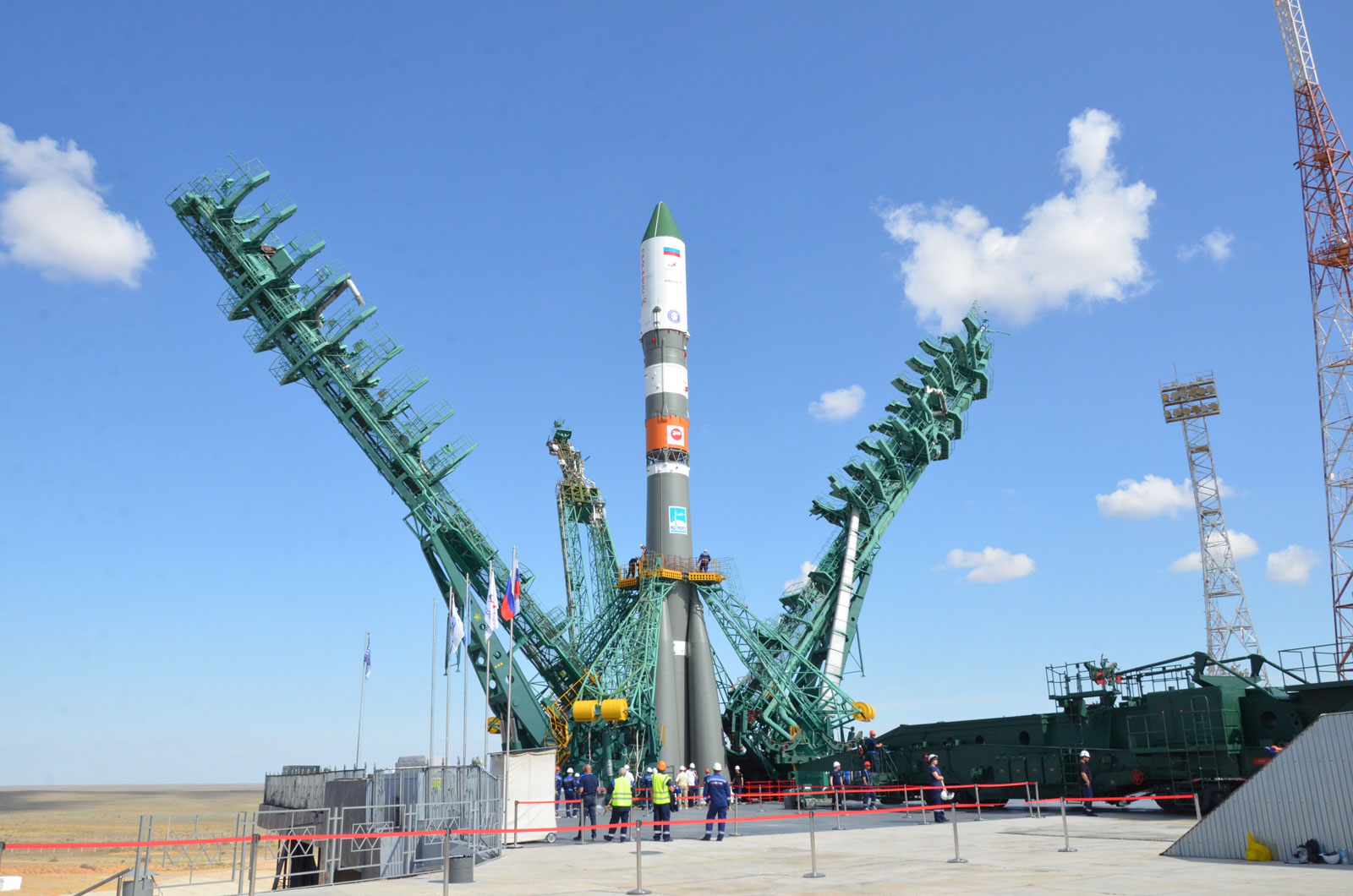
Today's briefing highlights major advancements in tactical satellite communications for military applications, the expansion of an IoT satellite constellation by China's Geespace, and significant developments in lunar communications and surveillance systems.
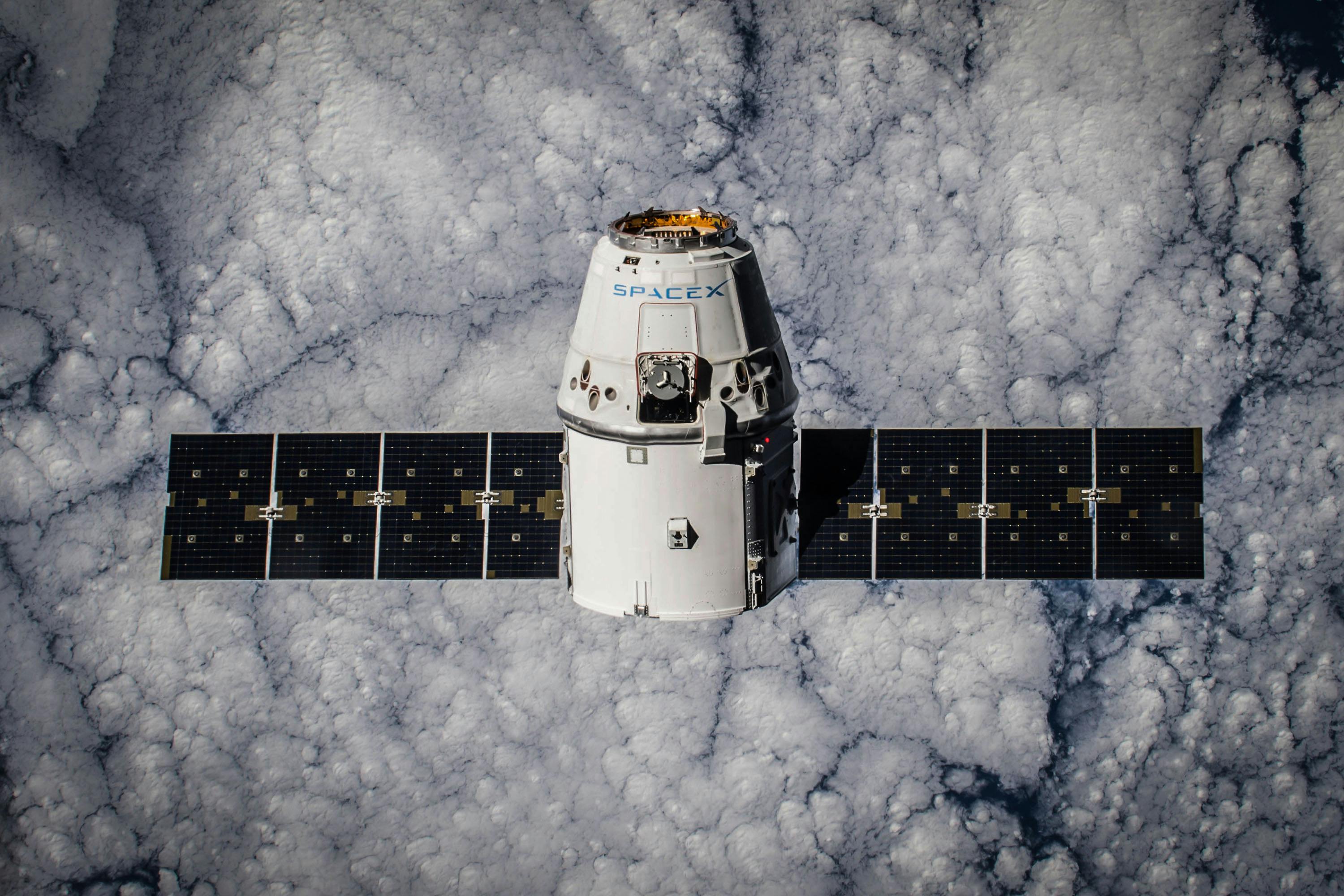
Severe weather conditions disrupt the launch of Amazon’s Project Kuiper satellites, highlighting ongoing challenges in satellite deployment amidst increasing competition in the space industry.

Artemis 2 splashdown marks first crewed lunar flyby since Apollo 17 in 1972. Four astronauts completed historic mission, validating systems for Artemis 3 landing attempt.

Space Force projects 25 additional high-energy missions in 2027–2029 window, straining capacity at Vulcan and Falcon Heavy. Capacity constraints will drive military-NASA prioritization debates.