


US Military Likely Jamming Iran Satellite Comms | KeepTrack Space Brief
US military praised for space operations against Iran assessed as jamming or spoofing satellite communications. Electronic warfare effects invisible to orbital tracking data.


Launch Date
September 1, 1982
Launch Site
Launch Pad
LC31
Launch Vehicle
Soyuz-U
NORAD ID
13448
International Designator
1982-085A
Decay Date
9/15/1982
Name
COSMOS 1403
Alternative Name
Kosmos-1403
Type
Status
Owner
GUKOS
Country
USSR
Constellation
N/A
Related Satellites
Major Events
N/A
Length
6
Diameter
2.2
Span
6
Dry Mass
2655
Launch Mass
2655
Shape
Sphere + DCone
Radar Cross Section
Unknown
Visual Magnitude
Unknown
Color
Unknown
Material Composition
Unknown
Payload
Argon No. 68L
Purpose
Reconnaissance, photo (film return type)
Mission
Reconnaissance, photo (film return type)
Manufacturer
TSSKB
Life Expectancy
14 days
Bus
Zenit-6
Configuration
Zenit bus
Motor
11D82M; S5.120 (maneuver module)
Equipment
Unknown
Power System
Batteries
ADCS
Unknown
Transmitter Frequency
Unknown
Learn more about satellites and other related topics.
US military praised for space operations against Iran assessed as jamming or spoofing satellite communications. Electronic warfare effects invisible to orbital tracking data.
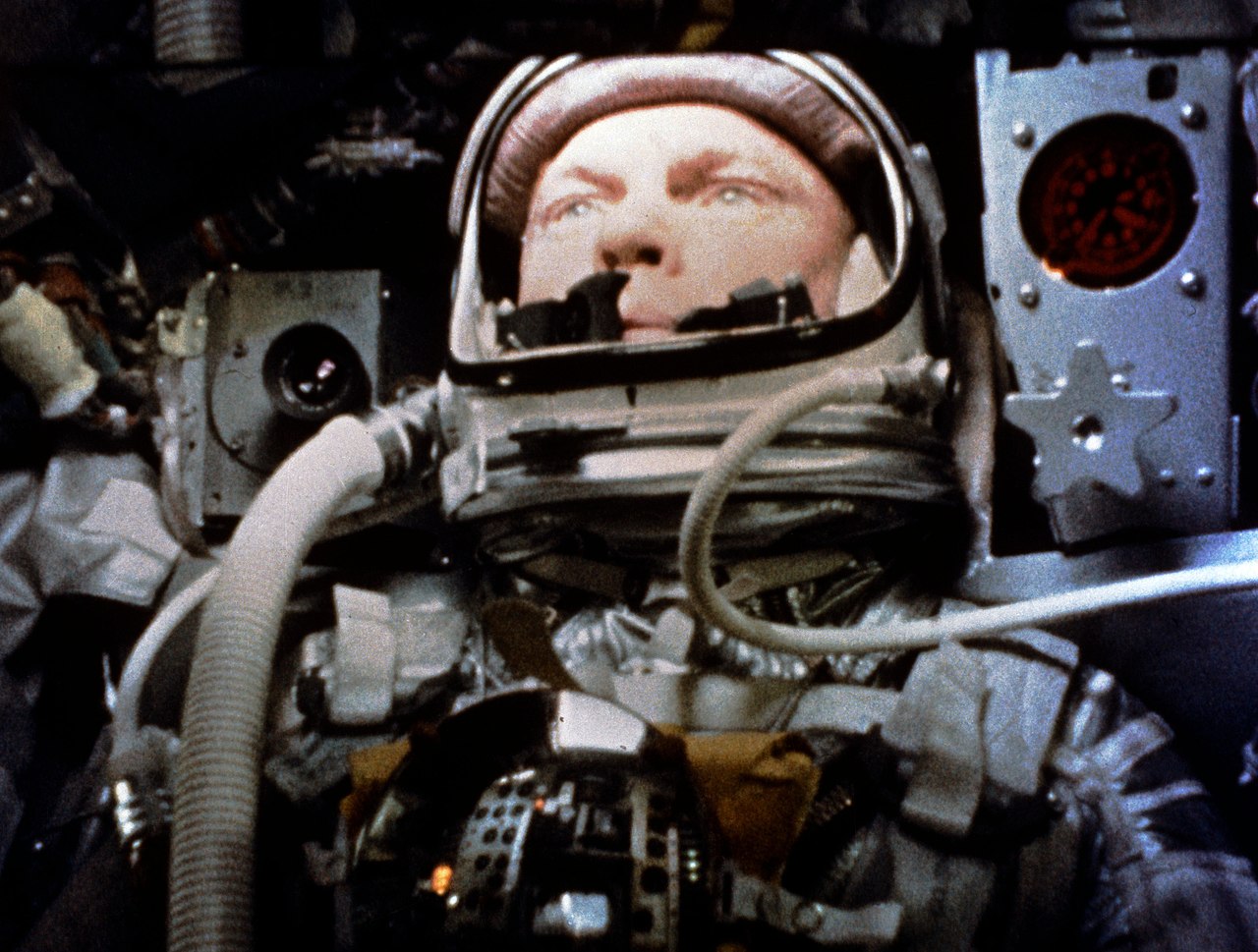
Sixty-three years ago, John Glenn became the first American to orbit Earth, piloting Friendship 7 through three historic orbits that transformed the Space Race

SpaceX acquires xAI to develop orbital data centers. Starlink terminals bypass Iran's government internet blackouts. Blue Origin escalates defense procurement criticism.
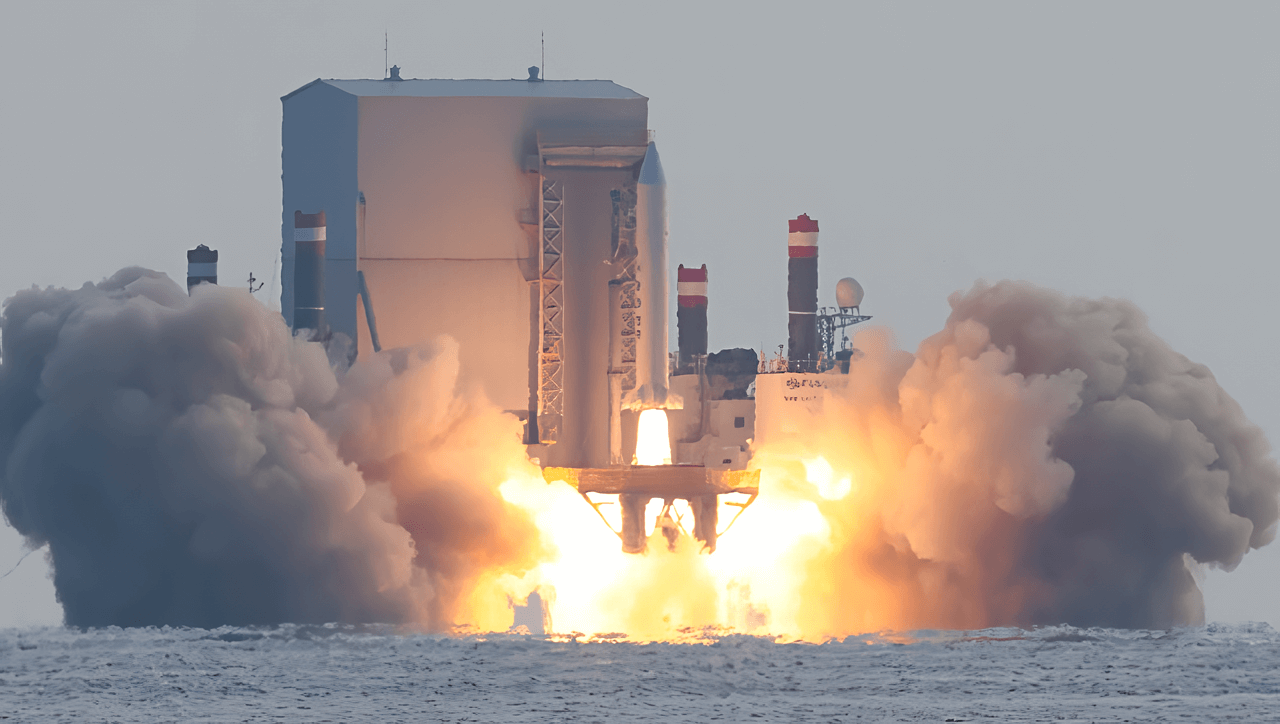
NASA officially ended the MAVEN Mars orbiter mission after months of radio silence following an anomaly. Space Force assessing Eastern Range damage from separate incident affecting launch cadence.
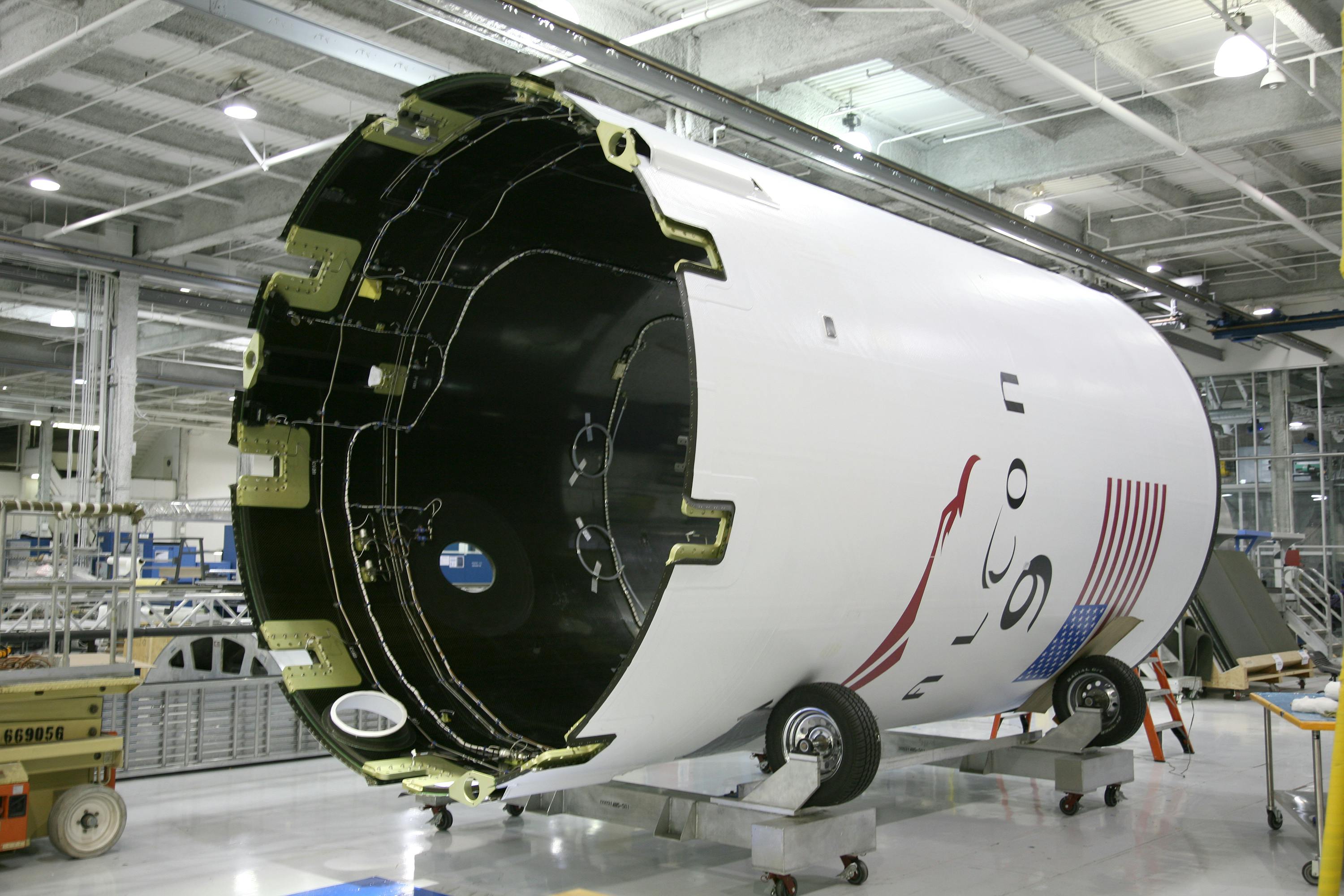
SpaceX prepares for the Crew-11 astronaut mission launch, while Starlink continues to expand its satellite network in orbit.
SpaceX plans first Starship launch from Florida, and prepares for NASA’s SPHEREx and PUNCH missions from Vandenberg.

ESA-China SMILE spacecraft successfully launched from Kourou to image Earth's magnetosphere. First continuous global views of solar wind interaction now in orbit.
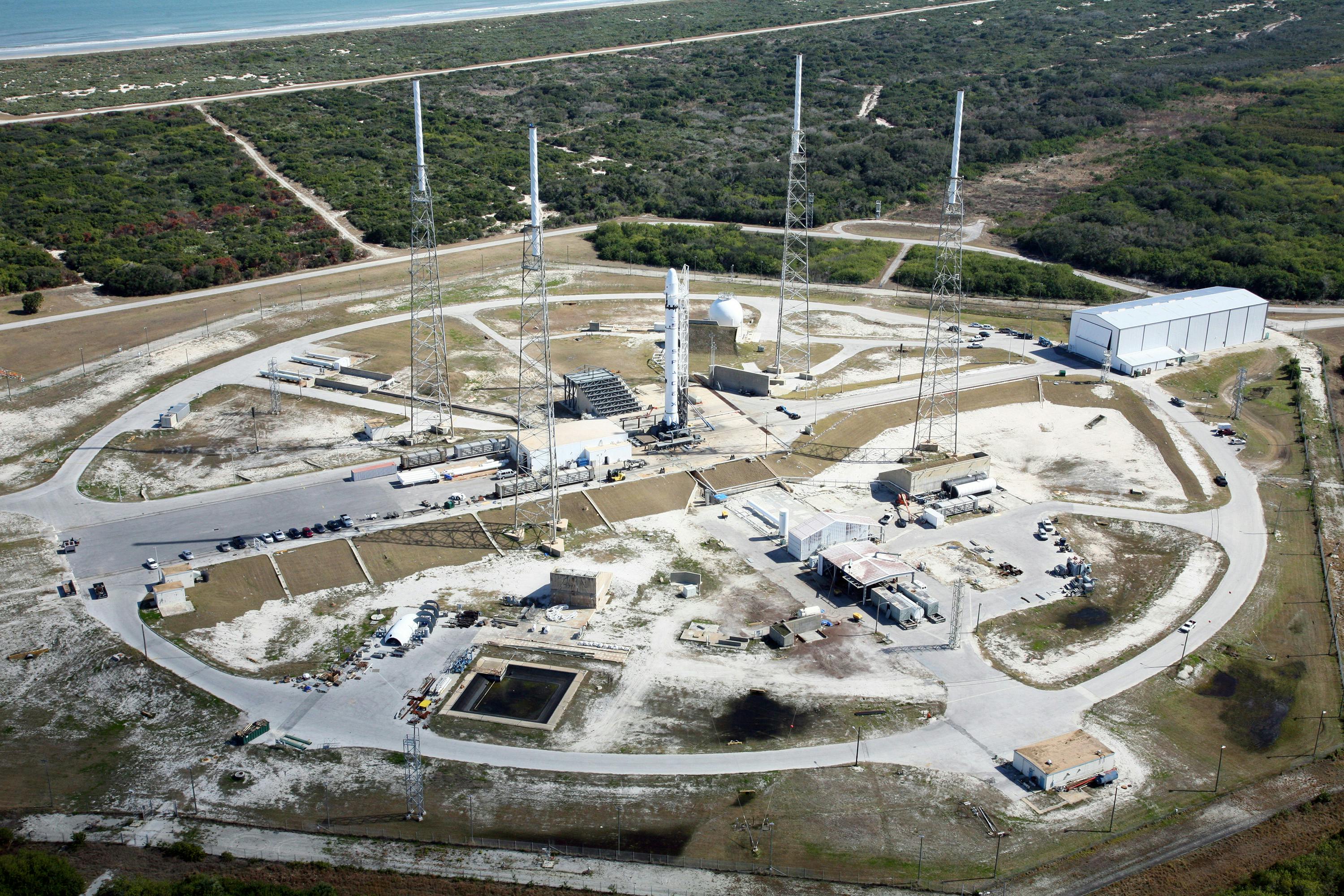
SpaceX achieves significant milestones with a successful Falcon 9 launch carrying 28 Starlink satellites and receives FAA approval for increased Starship launches, amidst challenges posed by India's new satellite regulations.