SL-4 R/B (13428)

COSPAR: 1982-081B | Alt Name: Soyuz-U 54-119 Blok-I
DECAYED

Image
SL-4 R/B Satellite Image
Additional Sources
Launch Details

Launch Date

August 20, 1982

Launch Site

PLMSC

Launch Pad

LC41/1

Launch Vehicle

Soyuz-U

Orbital Elements

NORAD ID

13428

International Designator

1982-081B

Decay Date

8/25/1982

Basic Satellite Info

Name

SL-4 R/B

Alternative Name

Soyuz-U 54-119 Blok-I

Type

Rocket Body

Status

Space Junk

Owner

RVSN

Country

USSR

Constellation

N/A

Related Satellites

Major Events

N/A

Summary
A rocket body, also commonly referred to as an upper stage or spent rocket stage, is the structural shell left behind after a rocket has delivered its payload to orbit. These large and often heavy pieces of space hardware can remain in orbit for years, posing significant collision hazards as part of the growing space debris problem. If left uncontrolled, rocket bodies have the potential to reenter Earth's atmosphere unpredictably, which can lead to falling debris in populated areas. Additionally, they risk colliding with operational satellites or the International Space Station, creating more debris and putting human life at risk.
Physical Characteristics

Length

6.7

Diameter

2.7

Span

6.7

Dry Mass

2350

Launch Mass

2350

Shape

Cyl

Radar Cross Section

Unknown

Visual Magnitude

Unknown

Color

Unknown

Material Composition

Unknown

Technical Details

Payload

11S510

Purpose

Unknown

Mission

Unknown

Manufacturer

PROG

Life Expectancy

Unknown

Bus

Blok-I

Configuration

Unknown

Motor

Unknown

Equipment

Unknown

Power System

Unknown

ADCS

Unknown

Transmitter Frequency

Unknown

Satellite Articles

View All Posts »

Learn more about satellites and other related topics.

Sally Ride and the Twenty Years It Took America to Catch Up

Sally Ride and the Twenty Years It Took America to Catch Up

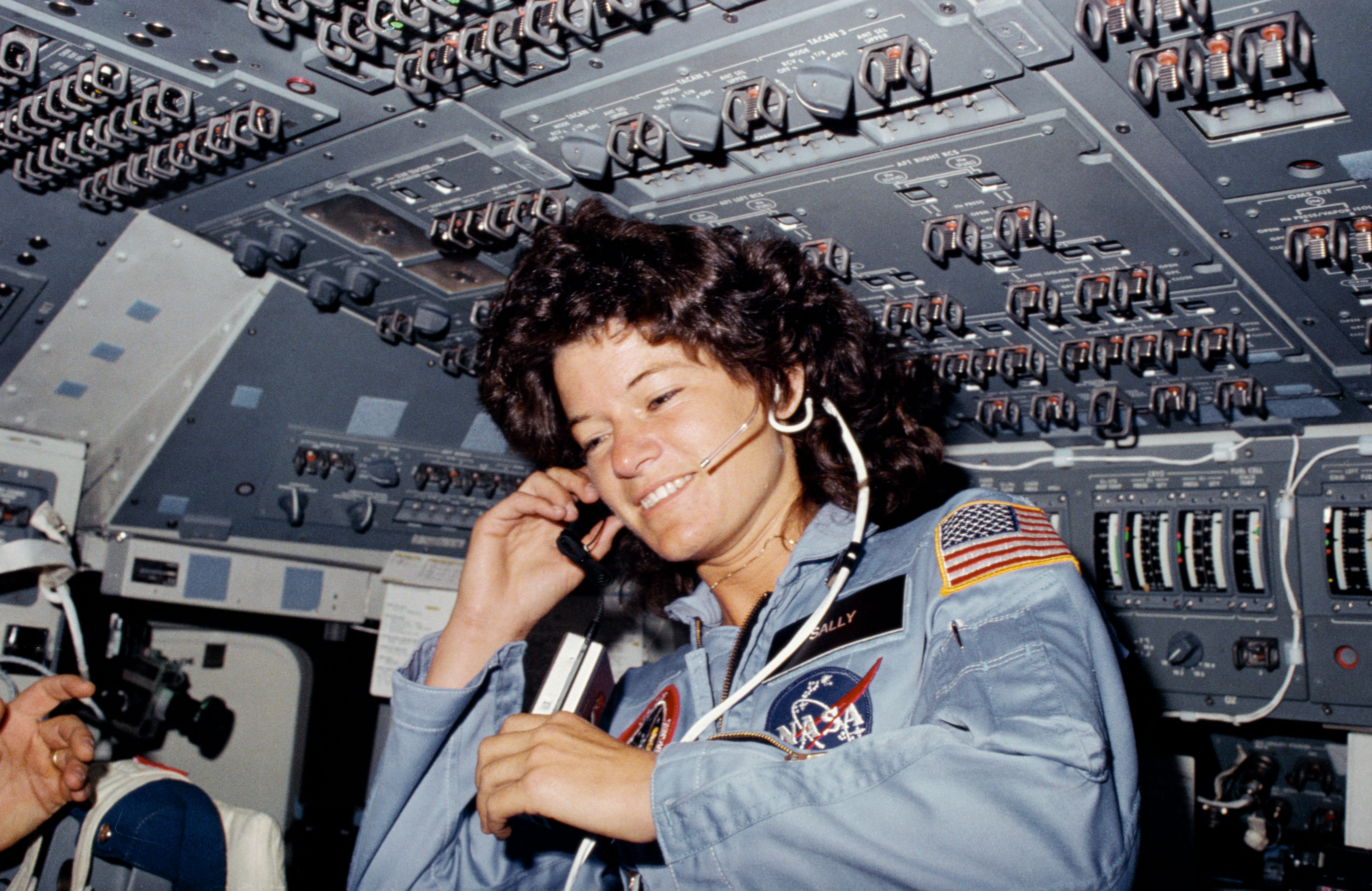
At 7:33 on the morning of 18 June 1983, a 32-year-old astrophysicist named Sally Ride rode Challenger off Pad 39A and became the first American woman in space. She got there two decades after the Soviets, and only after months of being asked whether spaceflight would damage her reproductive organs and whether she planned to cry.
X Report 20 Nov 2025

X Report 20 Nov 2025

SpaceX continues to make strides with its Starship program while successfully launching another batch of Starlink satellites into orbit, enhancing global internet coverage.

X Report 28 Oct 2025

X Report 28 Oct 2025

SpaceX successfully launched 28 Starlink satellites and settled a lawsuit, while Starlink's performance faces scrutiny in Ukraine. Additionally, MTN is enhancing Starlink's business services.

Space Brief 21 Nov 2025

Space Brief 21 Nov 2025

Today's brief covers the Space Force's strategic roadmap, a groundbreaking DARPA mission in Very Low Earth Orbit, and enhanced cyber defenses due to AI-driven threats.

Seismic Networks Now Track Space Junk, Pentagon Faces Golden Dome Cost Challenges | KeepTrack Space Brief

Seismic Networks Now Track Space Junk, Pentagon Faces Golden Dome Cost Challenges | KeepTrack Space Brief

Johns Hopkins researchers use seismic networks to track space debris in near real-time. Pentagon faces Golden Dome production scale challenges. SpaceX launches 25 Starlink sats in seventh 2026 mission.

Space Brief 10 Nov 2024

Space Brief 10 Nov 2024

Long March 2C launches four PIESAT-2 radar satellites, Gilmour Space secures Australia's first orbital launch permit, NASA extends ISS cargo contracts through 2030, ESA and Arianespace face industry crossroads.

Starship Flight 13 Set for July 16, Will Deploy Live Starlinks | KeepTrack X Report

Starship Flight 13 Set for July 16, Will Deploy Live Starlinks | KeepTrack X Report

SpaceX targets July 16 for Starship Flight 13, testing V3 fixes and deploying functioning Starlink satellites for the first time.

Space Brief 23 Sep 2025

Space Brief 23 Sep 2025

Explore the latest in satellite launches and space reconnaissance as Lockheed Martin, SpaceX, and military entities push forward with innovative missions. A new propulsion clean room marks growth in satellite tech.