COSMOS 1398 (13396)

COSPAR: 1982-077A | Alt Name: Kosmos-1398
DECAYED

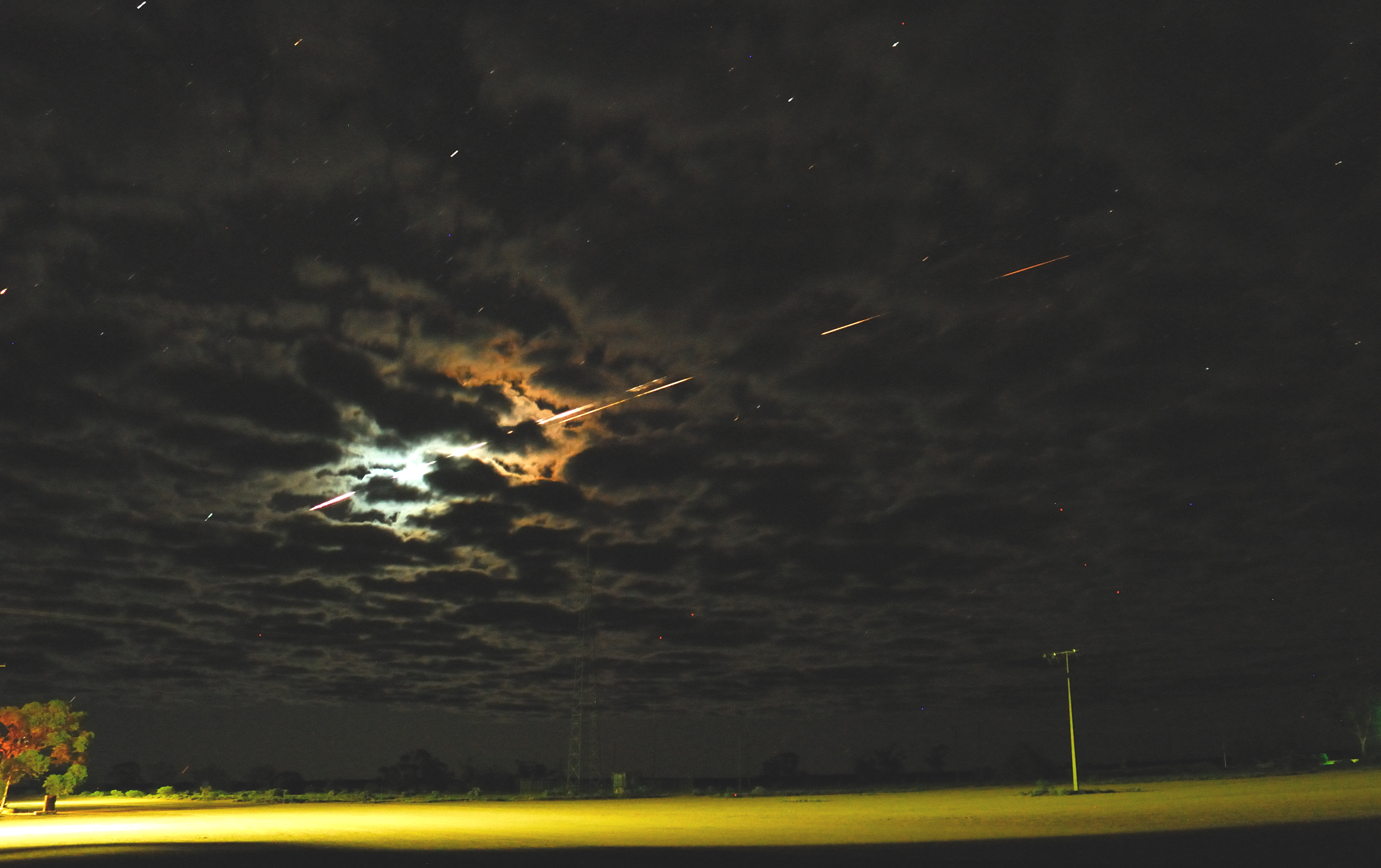
Image
COSMOS 1398 Satellite Image
Additional Sources
Launch Details

Launch Date

August 3, 1982

Launch Site

PLMSC

Launch Pad

LC43/3

Launch Vehicle

Soyuz-U

Orbital Elements

NORAD ID

13396

International Designator

1982-077A

Decay Date

8/13/1982

Basic Satellite Info

Name

COSMOS 1398

Alternative Name

Kosmos-1398

Type

Payload

Status

Decayed

Owner

VTS

Country

USSR

Constellation

N/A

Related Satellites

Major Events

N/A

Summary
COSMOS 1398, also known as Kosmos-1398, is a reconnaissance satellite with a photo film return mission launched by the Soviet Union on August 3, 1982, from PLMSC LC43/3 using a Soyuz-U launch vehicle. The spacecraft has dimensions of 6 meters in length and 2.5 meters in diameter with a span of 6 meters, featuring a dry mass of 2200 kg, similar to its launch mass. Equipped with batteries for power supply, the satellite uses the Zenit-4MT bus and is shaped as a sphere plus DCone plus Cyl. It was manufactured by TSSKB and operated under VTS ownership for reconnaissance purposes. The satellite's propulsion system includes the 11D82M motor.
Physical Characteristics

Length

6

Diameter

2.5

Span

6

Dry Mass

2200

Launch Mass

2200

Shape

Sphere + DCone + Cyl

Radar Cross Section

12.65

Visual Magnitude

Unknown

Color

Unknown

Material Composition

Unknown

Technical Details

Payload

Orion No. 23L

Purpose

Reconnaissance, photo (film return type)

Mission

Reconnaissance, photo (film return type)

Manufacturer

TSSKB

Life Expectancy

Unknown

Bus

Zenit-4MT

Configuration

Zenit bus

Motor

11D82M

Equipment

Unknown

Power System

Batteries

ADCS

Unknown

Transmitter Frequency

Unknown

Satellite Articles

View All Posts »

Learn more about satellites and other related topics.

Hayabusa | The Crippled Falcon That Carried an Asteroid Home

Hayabusa | The Crippled Falcon That Carried an Asteroid Home

Sixteen years ago today, a fireball tore across the Australian outback. Most of it was a dying Japanese spacecraft burning up after a seven-year ordeal. The bright dot racing ahead of the wreckage was a capsule holding the first grains of an asteroid ever returned to Earth.

Mega-Constellations Are Set to Flood Earth's Orbit

Mega-Constellations Are Set to Flood Earth's Orbit

We forecast how many satellites could be in orbit by 2030 and what capabilities we can expect.

X Report 18 Nov 2025

X Report 18 Nov 2025

SpaceX successfully launched the Sentinel-6B satellite to monitor global sea levels while resuming daytime rocket launches. Furthermore, delays in the Starship timeline impact NASA's Artemis 3 mission schedule.

Booster 19 Return Imminent as Pad 2 Refinements Continue | KeepTrack X Report

Booster 19 Return Imminent as Pad 2 Refinements Continue | KeepTrack X Report

SpaceX is finalizing Pad 2 upgrades at Starbase ahead of Booster 19's return flight, as Starlink's active constellation holds at 10,185 satellites.

X Report 25 Dec 2025

X Report 25 Dec 2025

Starlink reaches 9 million active users, while SpaceX prepares for upcoming missions with Flight 12 vehicles readying for 2026.

The Day America Sent Two Secrets to the Sky

The Day America Sent Two Secrets to the Sky

Sixty-five years ago, America launched two very different space missions within hours of each other - one broadcast live to a fascinated nation, the other quietly reaching orbit from a fog-shrouded California launchpad while no one was watching

Space Brief 5 Apr 2025

Space Brief 5 Apr 2025

Today's brief covers the new Space Force operations doctrine, international defense collaborations by the UAE, and satellite tracking technology innovations.

Version 10.0.0 Release Notes

Version 10.0.0 Release Notes

The latest update introduces 3D satellite FOV cones, advanced sensor capabilities, and enhanced timelines, improving the way users interact with satellite data.