

X Report 22 Feb 2025
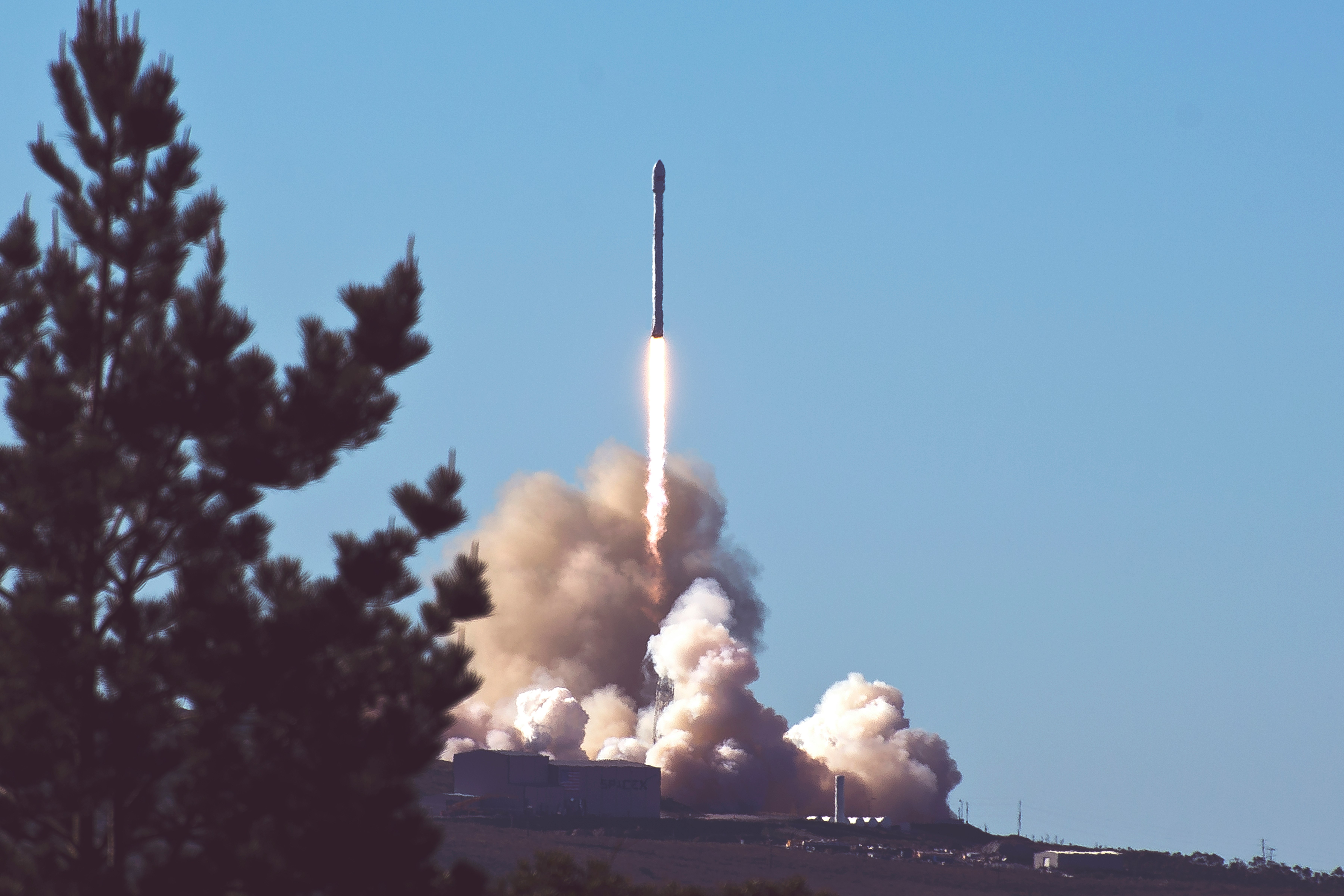
SpaceX secures NASA contract for NEO Surveyor launch and prepares for upcoming Starship test flight.


Launch Date
July 29, 1982
Launch Site
KYMSC
Launch Pad
LC107/1
Launch Vehicle
Kosmos 11K65M
NORAD ID
13394
International Designator
1982-076A
Decay Date
5/18/1983
Name
COSMOS 1397
Alternative Name
Kosmos-1397
Type
Status
Owner
PVO
Country
USSR
Constellation
N/A
Related Satellites
Major Events
N/A
Length
2.5
Diameter
1.8
Span
23
Dry Mass
925
Launch Mass
1045
Shape
Cyl + Ant
Radar Cross Section
15.7485
Visual Magnitude
Unknown
Color
Unknown
Material Composition
Unknown
Payload
Taifun-2V (06)
Purpose
Radar calibration
Mission
Radar calibration
Manufacturer
YUZH
Life Expectancy
Unknown
Bus
Romb
Configuration
AUOS-3
Motor
Unknown
Equipment
Unknown
Power System
8 deployable fixed solar arrays, batteries
ADCS
Unknown
Transmitter Frequency
Unknown
Learn more about satellites and other related topics.
SpaceX secures NASA contract for NEO Surveyor launch and prepares for upcoming Starship test flight.

The UK's orbital ambitions rest on a remote Shetland island. How SaxaVord became Europe's first fully licensed vertical launch spaceport - and why, despite being ready for years, it's still waiting for a rocket that works.

As SpaceX continues to make groundbreaking advancements in the space industry, investors are eagerly anticipating the company's potential IPO. Learn about the factors influencing SpaceX's decision to go public and the estimated timeline for this highly anticipated event.
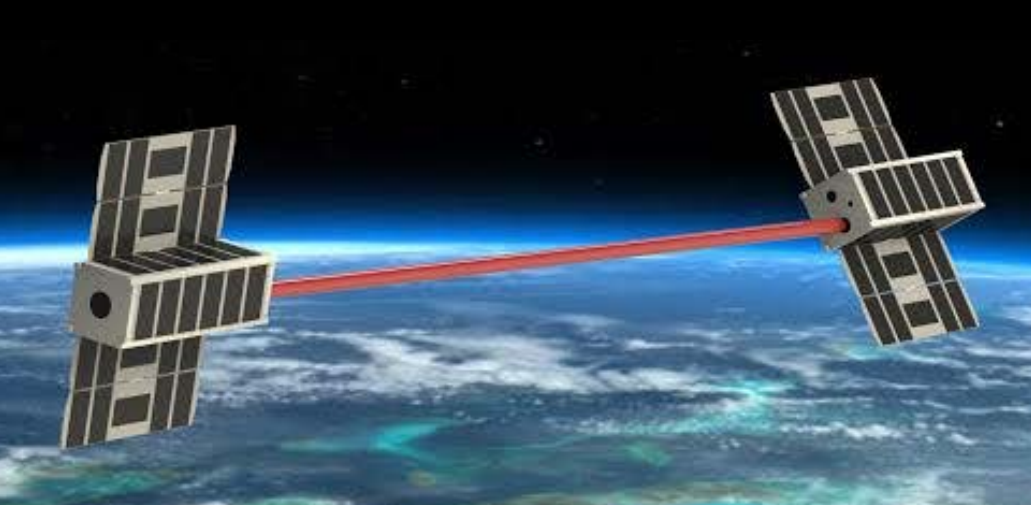
The satellite industry's biggest operators are betting on multi-orbit architectures that combine LEO, MEO, and GEO into unified networks. A San Francisco startup called Contrivian thinks they've overcomplicated the problem, and the physics might be on its side.

The Kessler Syndrome threatens humanity's future in space as cascading satellite collisions create exponential debris growth. With 36,000+ tracked objects and recent incidents accelerating risks, we face a critical juncture: implement solutions now or potentially lose access to low Earth orbit forever.

SpaceX surpassed 10,000 simultaneous Starlink satellites in orbit after Starlink 17-24 deployed 25 satellites from California. Milestone reached in under 7 years.

Today's brief covers SpaceX's secretive military launch, advancements in nuclear fusion, and groundbreaking observations of dying stars and supernovae.
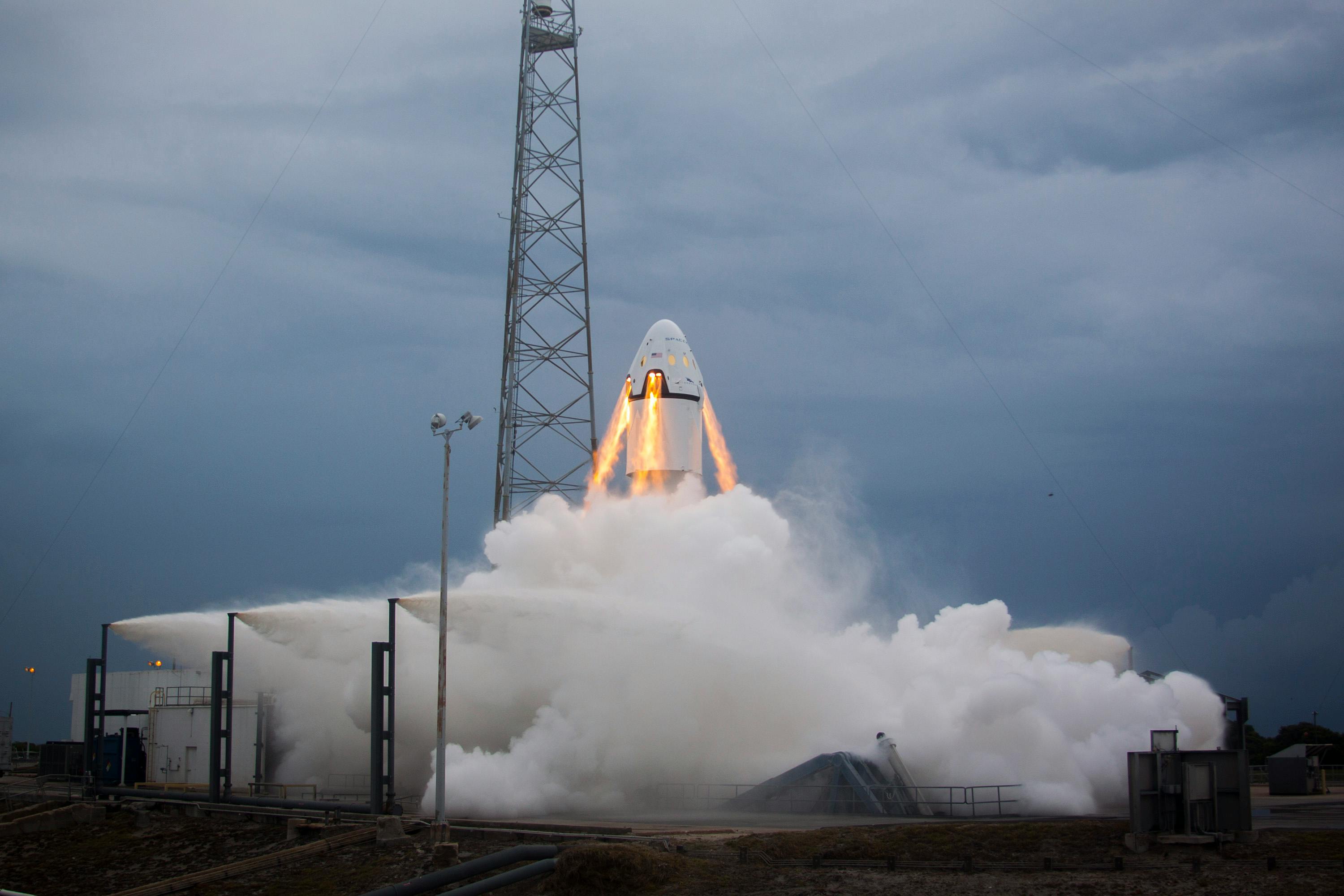
SpaceX's Starlink sparks market shifts and celestial awe as iPhones gain new connectivity and a satellite ignites the night sky.