

X Report 13 Feb 2025
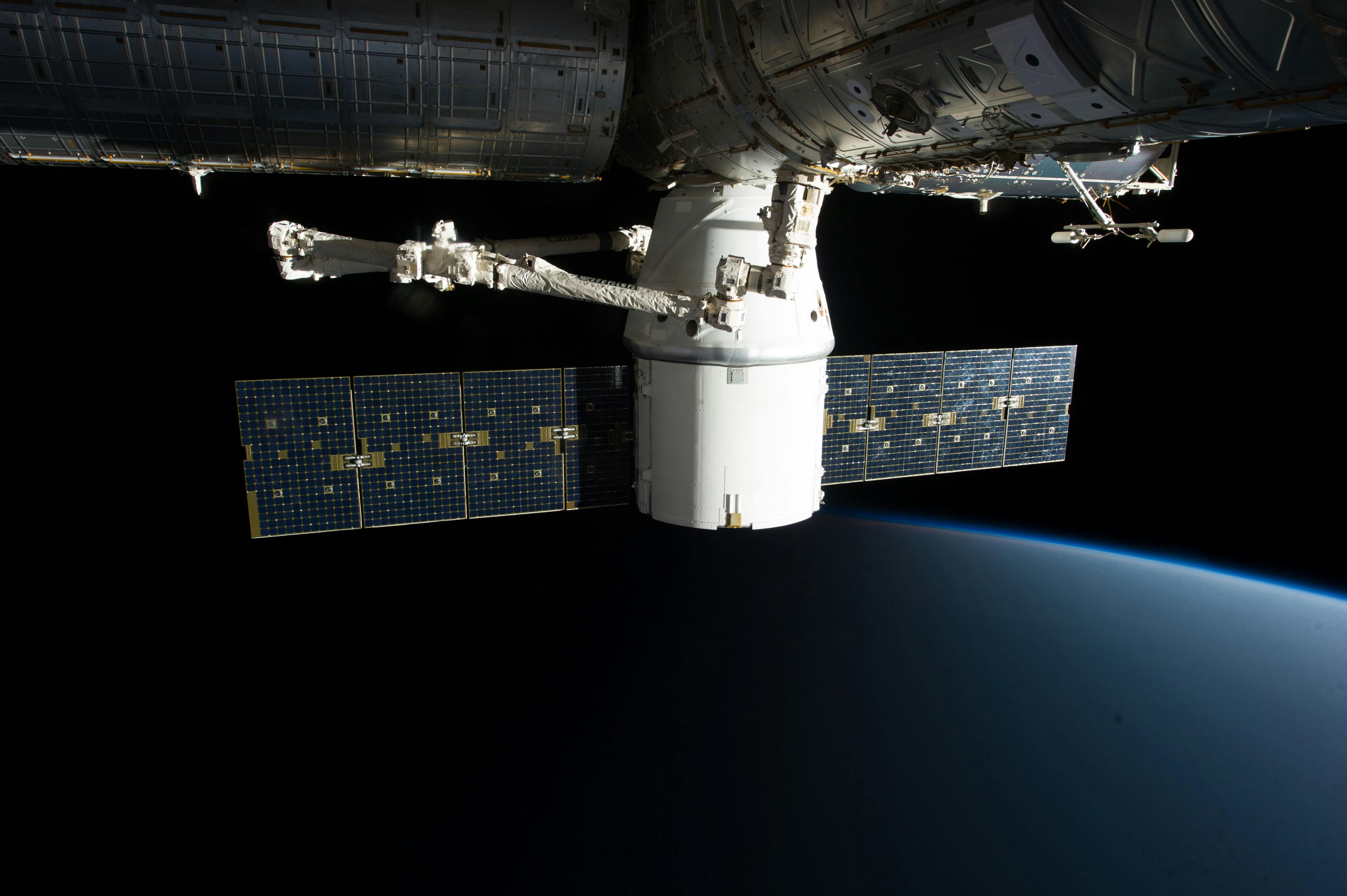
SpaceX and NASA swap Crew Dragon for Crew-10 mission; exciting 'space jellyfish' phenomena from recent launch.



Launch Date
November 4, 1980
Launch Site
Launch Pad
LC90
Launch Vehicle
Tsiklon-2
NORAD ID
13315
International Designator
1980-089K
Decay Date
11/4/1983
Name
COSMOS 1220 DEB
Alternative Name
deb Kosmos-1220
Type
Status
Owner
VMF
Country
USSR
Constellation
N/A
Related Satellites
Major Events
N/A
Length
0
Diameter
0
Span
0
Dry Mass
0
Launch Mass
0
Shape
N/A
Radar Cross Section
0.7979
Visual Magnitude
Unknown
Color
Unknown
Material Composition
Unknown
Payload
RCS 0.8m2
Purpose
Unknown
Mission
Unknown
Manufacturer
Unknown
Life Expectancy
Unknown
Bus
Unknown
Configuration
Unknown
Motor
Unknown
Equipment
Unknown
Power System
Unknown
ADCS
Unknown
Transmitter Frequency
Unknown
Learn more about satellites and other related topics.
SpaceX and NASA swap Crew Dragon for Crew-10 mission; exciting 'space jellyfish' phenomena from recent launch.
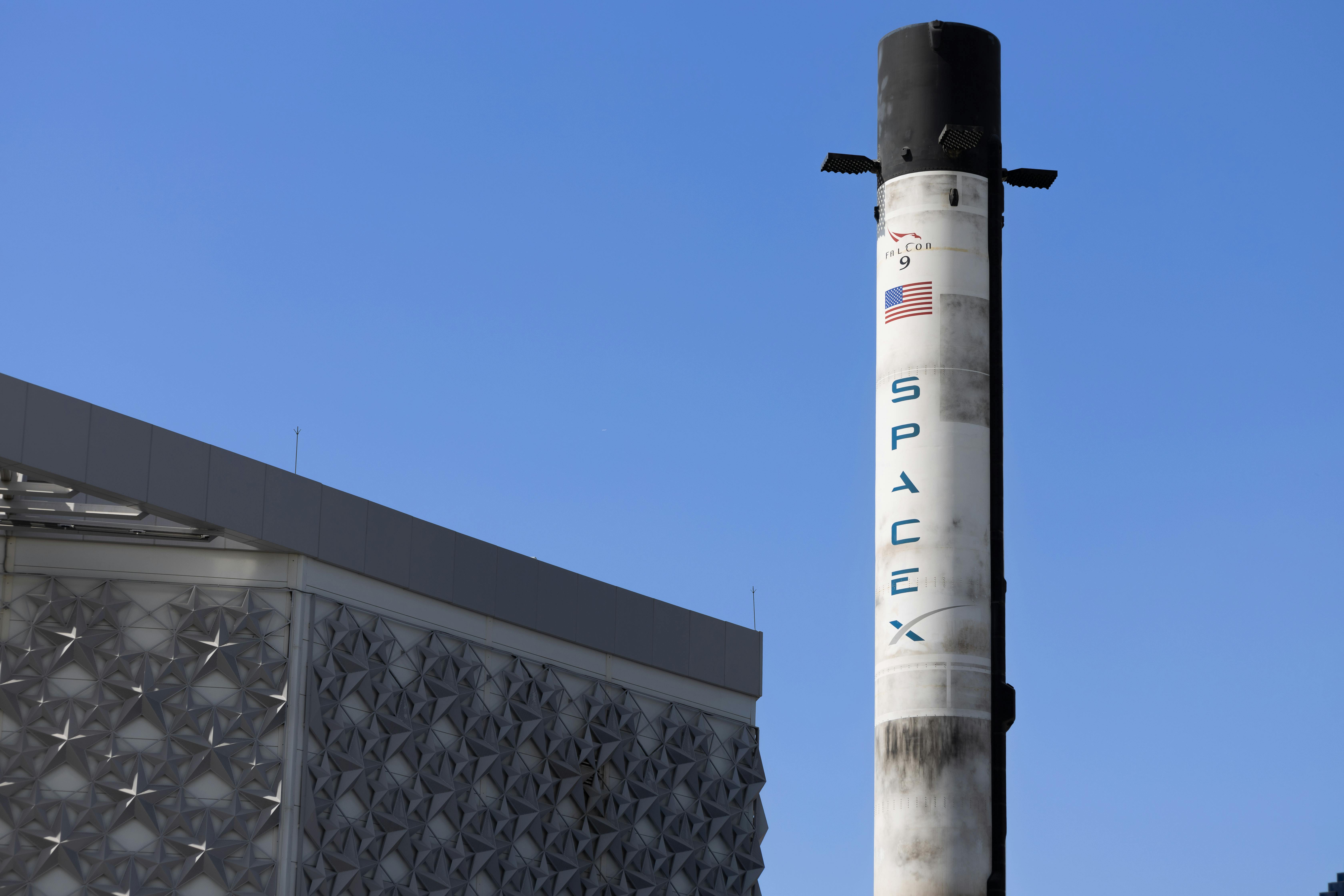
SpaceX faces regulatory review for Bahamian rocket landings, positions itself for a major government contract, and a new Star Wars Lego set adds to the fun!
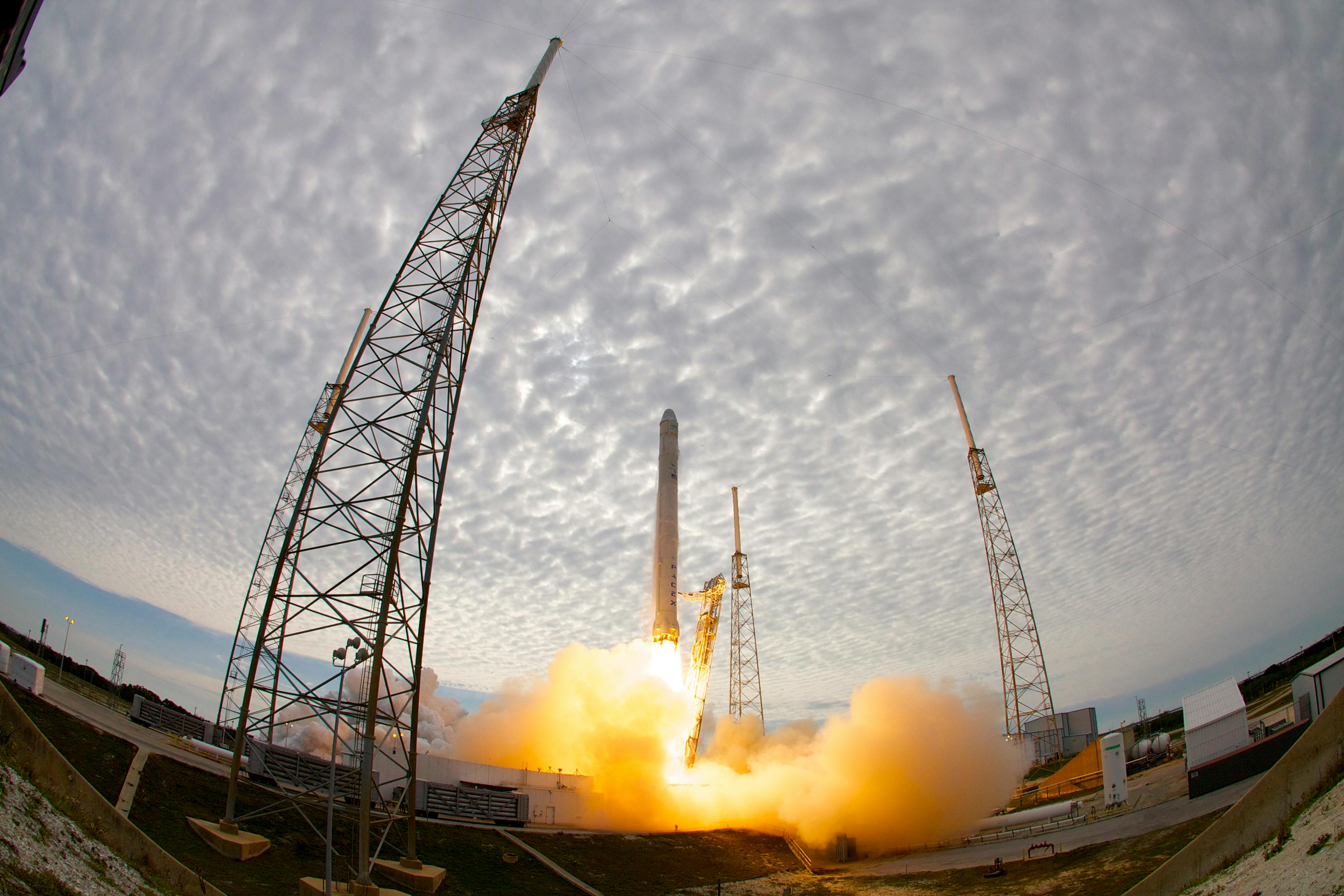
SpaceX successfully launched 24 Starlink satellites from California, enhancing its global internet coverage as the company continues to dominate the satellite communications market.

SpaceX gears up for multiple significant missions while managing a Crew Dragon delay. Vast Space partners with SpaceX for ISS missions, and Lunar landers prepare for lift-offs.

In today's update, SpaceX successfully launched 28 Starlink satellites from Vandenberg, while Italy grapples with its satellite strategy amid rising reliance on Starlink services.
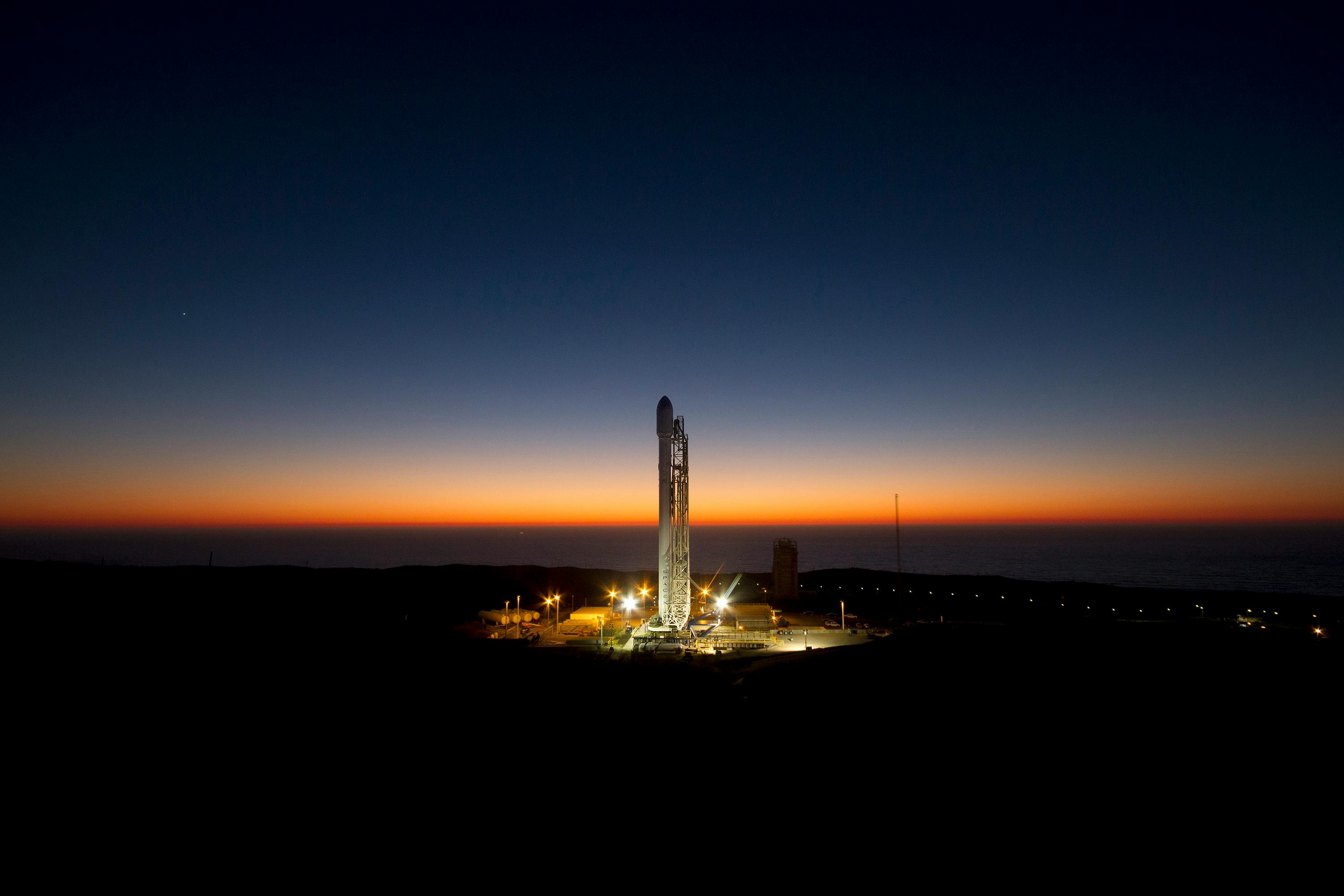
This week's SpaceX developments include notable upcoming missions, with a Starlink launch on the horizon and Crew Dragon's readiness for the next astronaut mission.

SpaceX lands Falcon 9 in The Bahamas for the second time ever during Starlink 10-34 mission. Scientists measure rocket reentry air pollution in real-time for the first time.
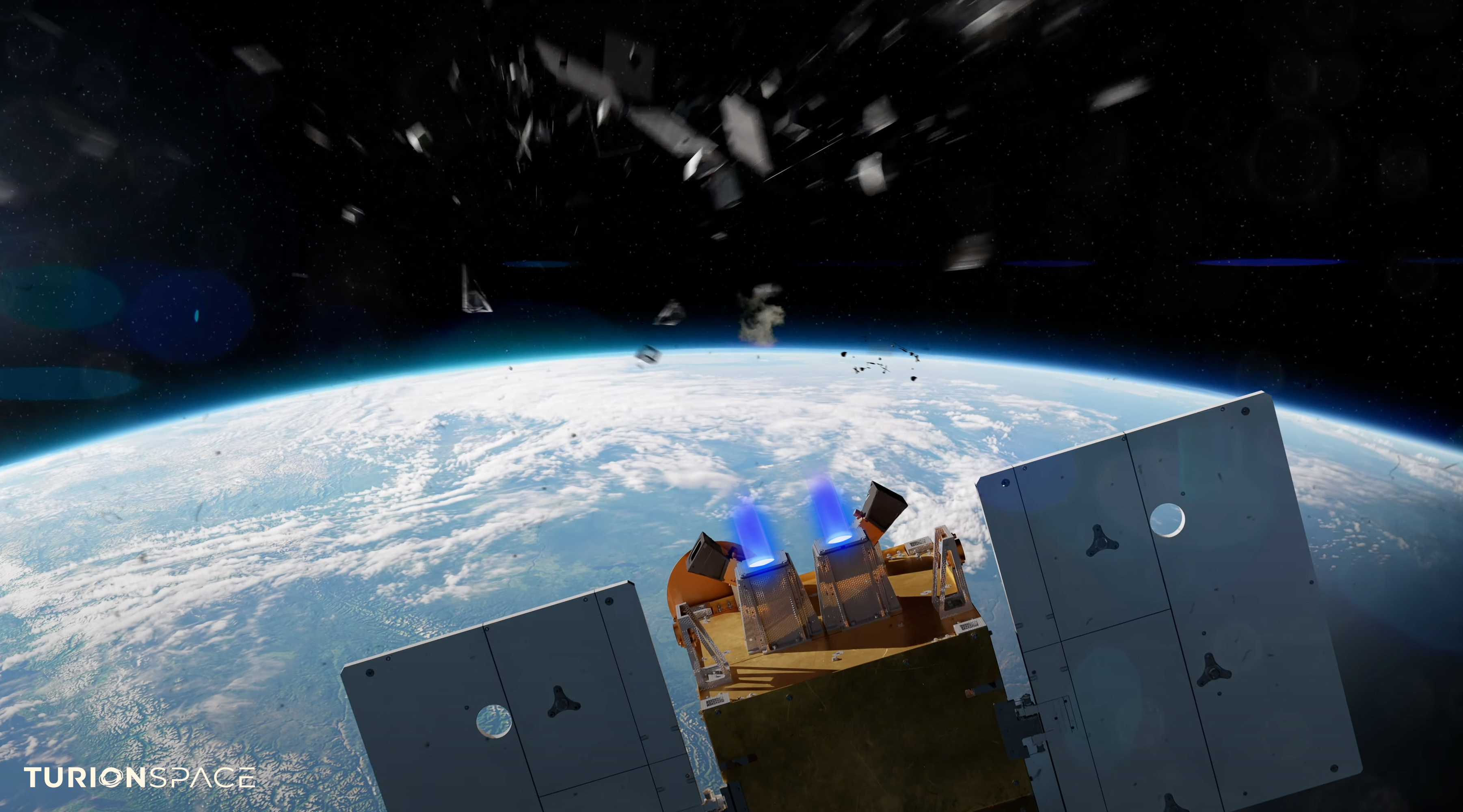
A 90-kilogram spacecraft with iodine thrusters and two Australian-built cameras is quietly building the case that tracking space debris is a business worth billions - and that a four-year-old startup from Irvine can own it.