

Space Brief 28 Mar 2025
Today's updates focus on significant developments in U.S. national security space launches, Army space training, potential shifts in satellite procurement strategies, and the Meteor 2-21 satellite.


Launch Date
June 18, 1982
Launch Site
Launch Pad
LC90
Launch Vehicle
Tsiklon-2
NORAD ID
13281
International Designator
1982-060A
Decay Date
6/18/1982
Name
COSMOS 1379
Alternative Name
Kosmos-1379
Type
Status
Owner
PKO
Country
USSR
Constellation
N/A
Related Satellites
Major Events
N/A
Length
4.2
Diameter
1.8
Span
4.2
Dry Mass
1400
Launch Mass
1400
Shape
Cyl + Truss
Radar Cross Section
Unknown
Visual Magnitude
Unknown
Color
Unknown
Material Composition
Unknown
Payload
IS-M No. 531-10-038
Purpose
ASAT
Mission
ASAT
Manufacturer
KOMET
Life Expectancy
Unknown
Bus
IS
Configuration
Unknown
Motor
Unknown
Equipment
Unknown
Power System
Batteries
ADCS
Unknown
Transmitter Frequency
Unknown
Learn more about satellites and other related topics.
Today's updates focus on significant developments in U.S. national security space launches, Army space training, potential shifts in satellite procurement strategies, and the Meteor 2-21 satellite.
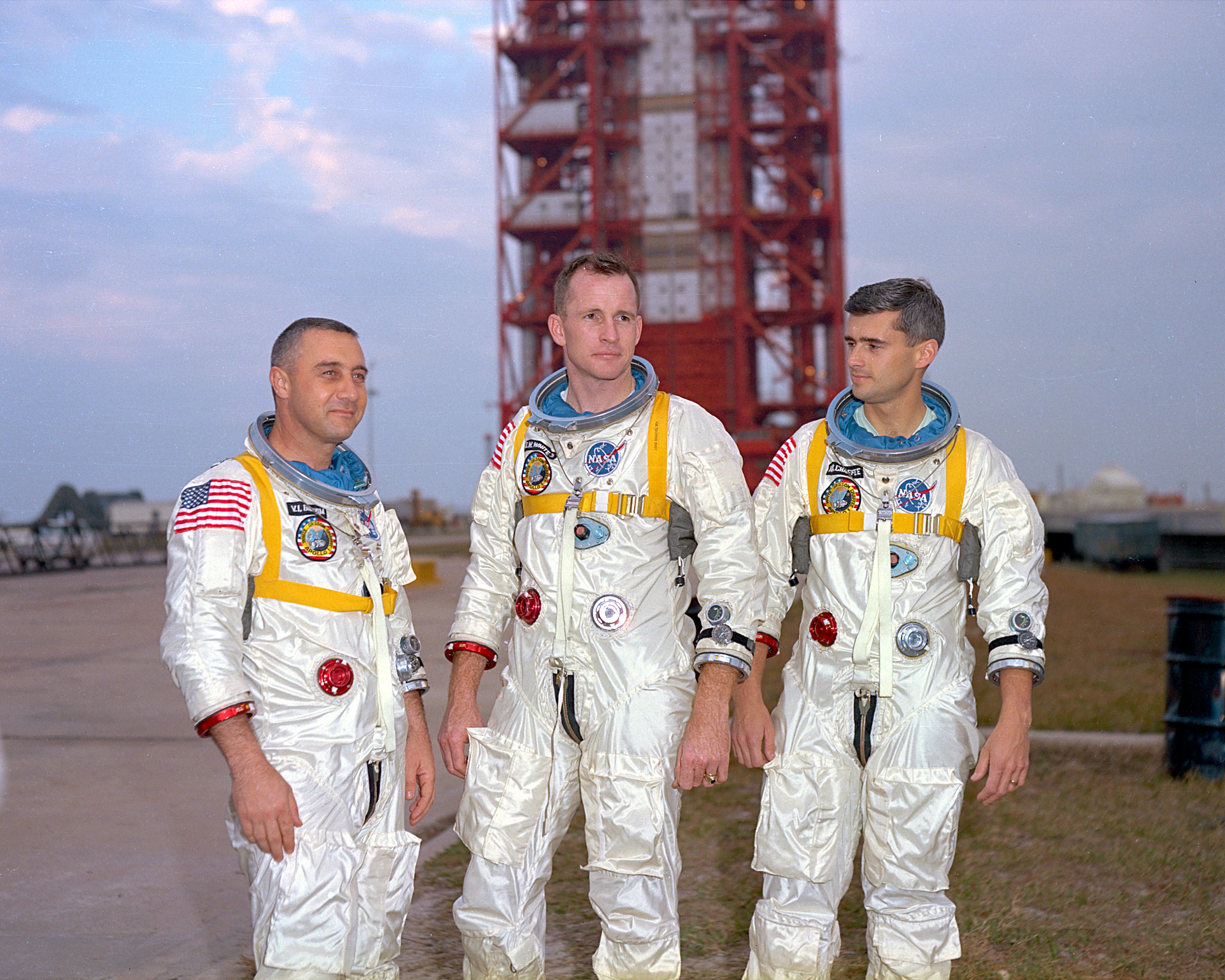
Fifty-eight years ago, a tragic fire during a routine test transformed spacecraft design and created the foundation of modern spaceflight safety culture

Today's highlights include ExoMars' successful parachute test, developments in military satellite systems, and leadership changes at NASA Goddard.
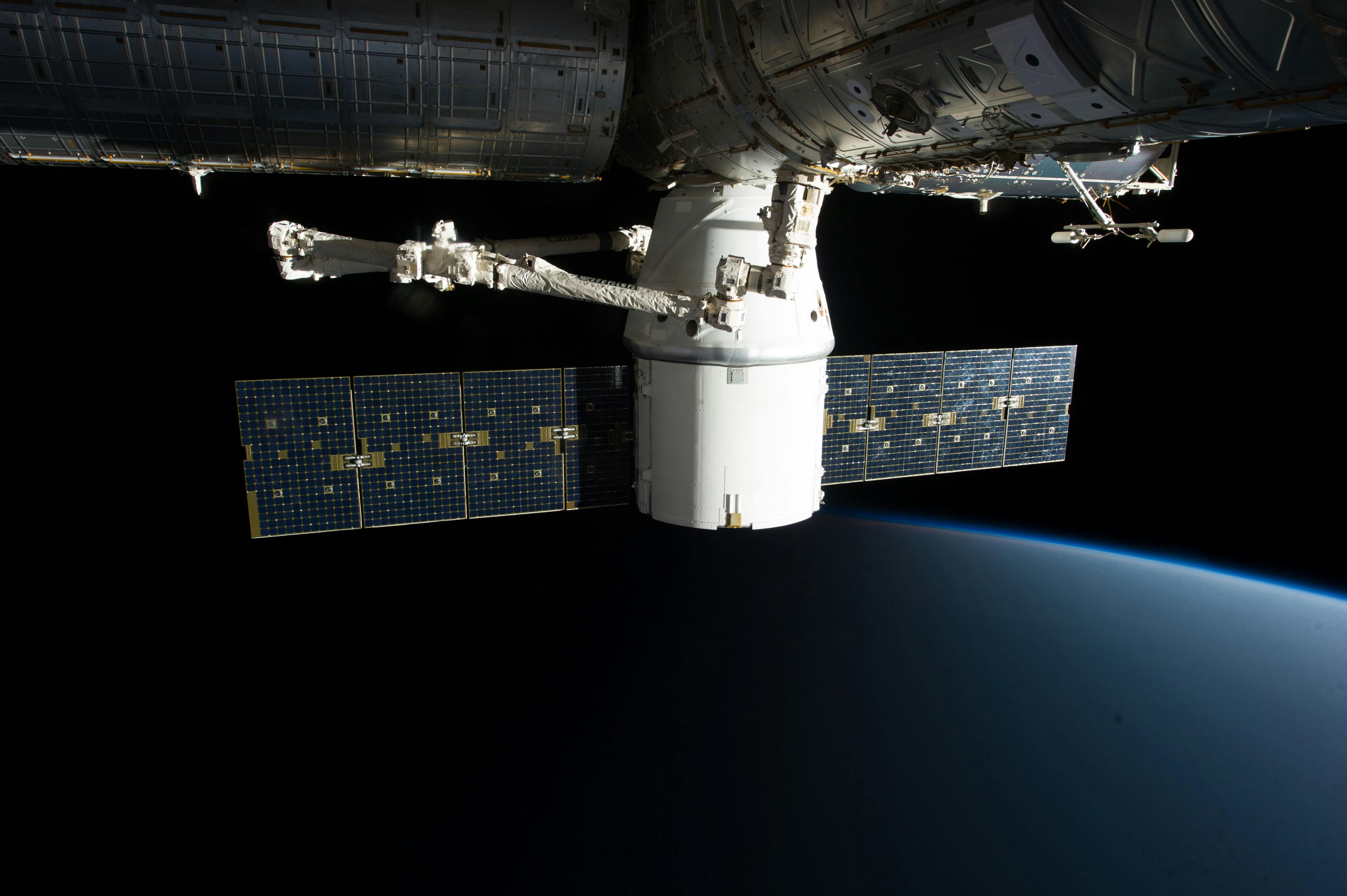
SpaceX secures FAA license for Starship Flight 7 and plans to establish Starbase as a city. Firefly and ispace are set to share a Falcon 9 launch. Plus, new Starlink services launch in New Zealand.
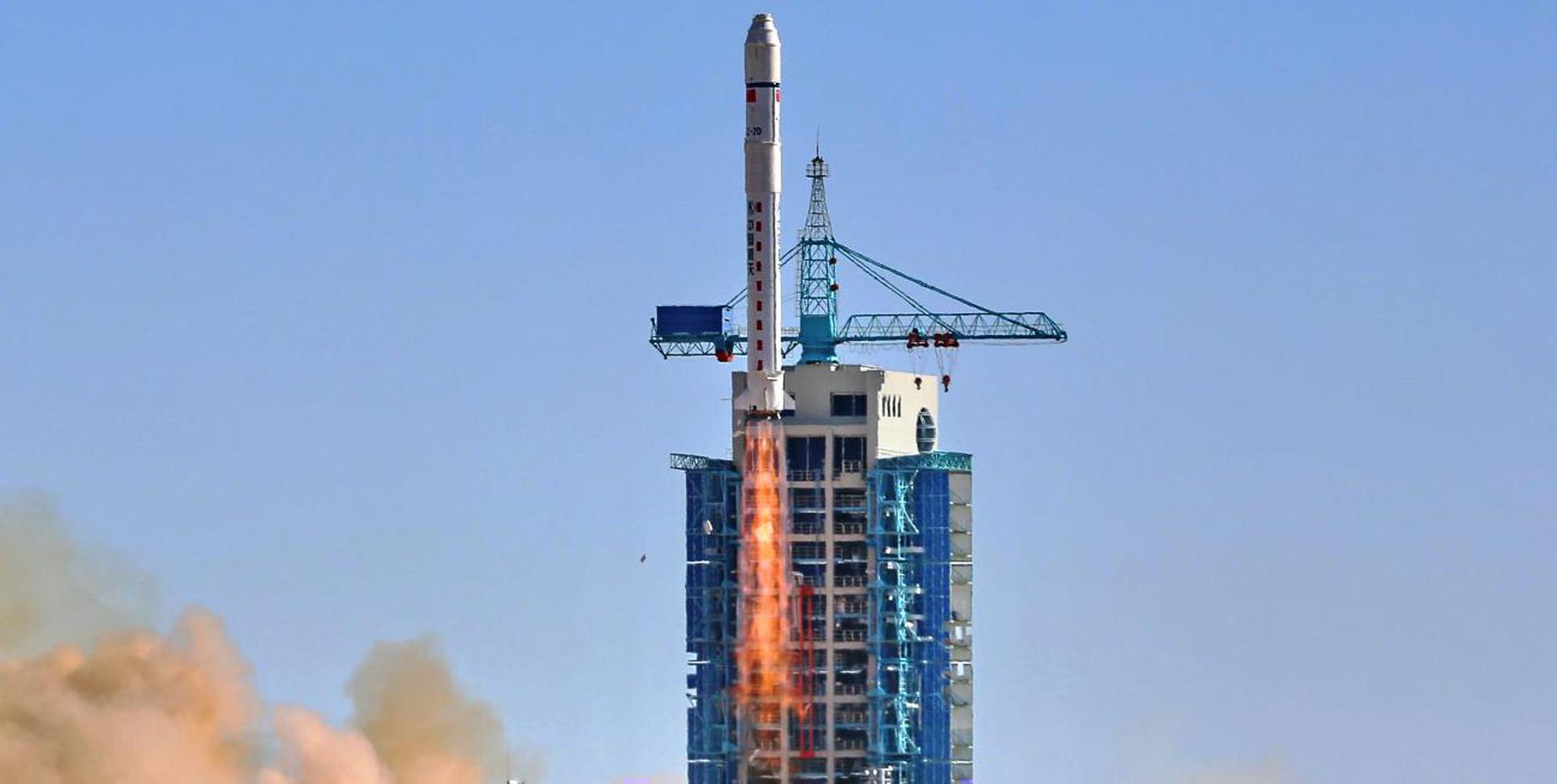
Today's highlights include SpaceX's Starlink launch, NASA's revived lunar mission, and a spotlight on space-defense activities.
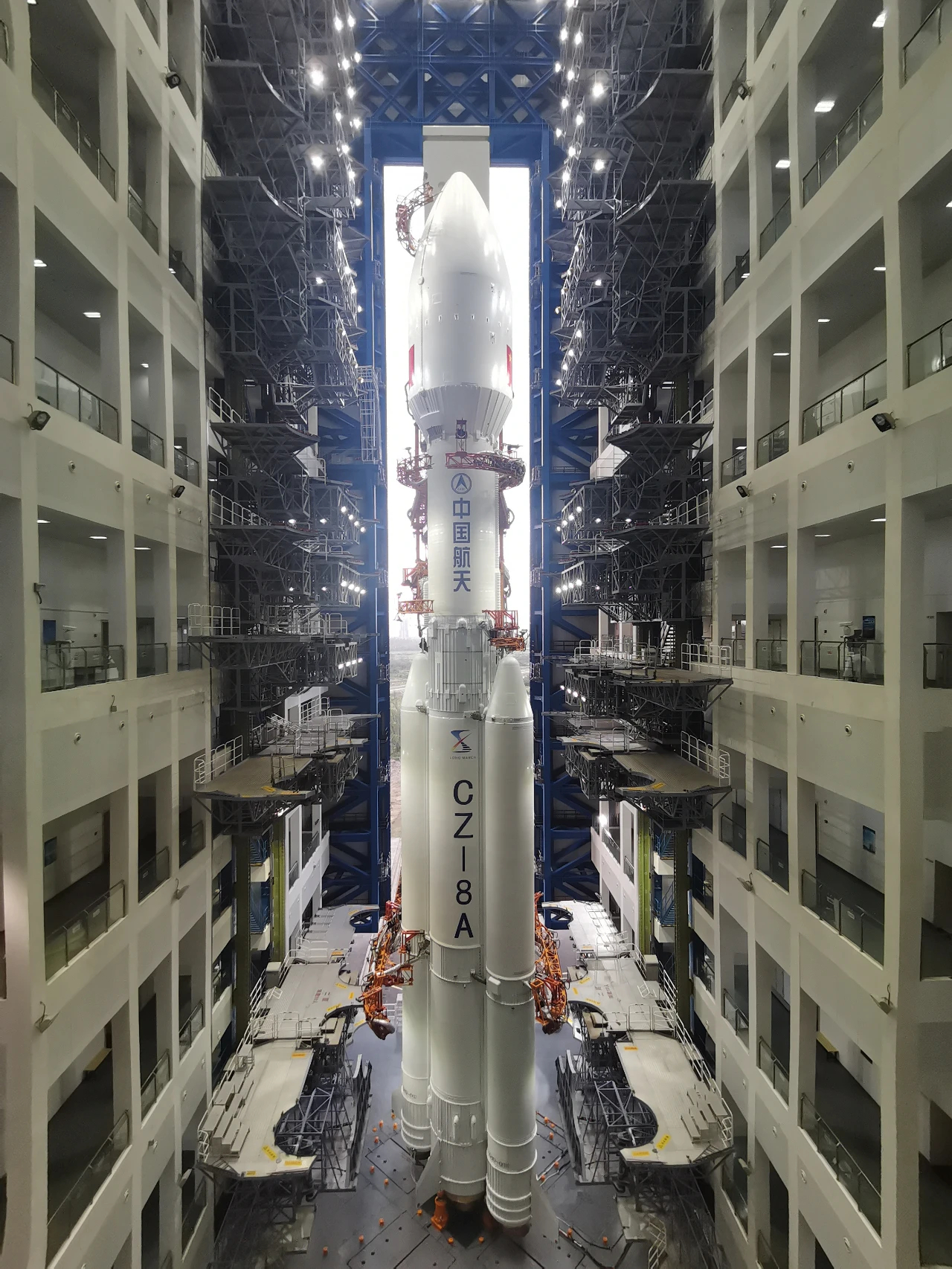
Today's briefing covers Rocket Lab's strategic acquisition, Space Dynamics Lab's new collaboration with the Space Force, and shifts within the Pentagon's AI division.
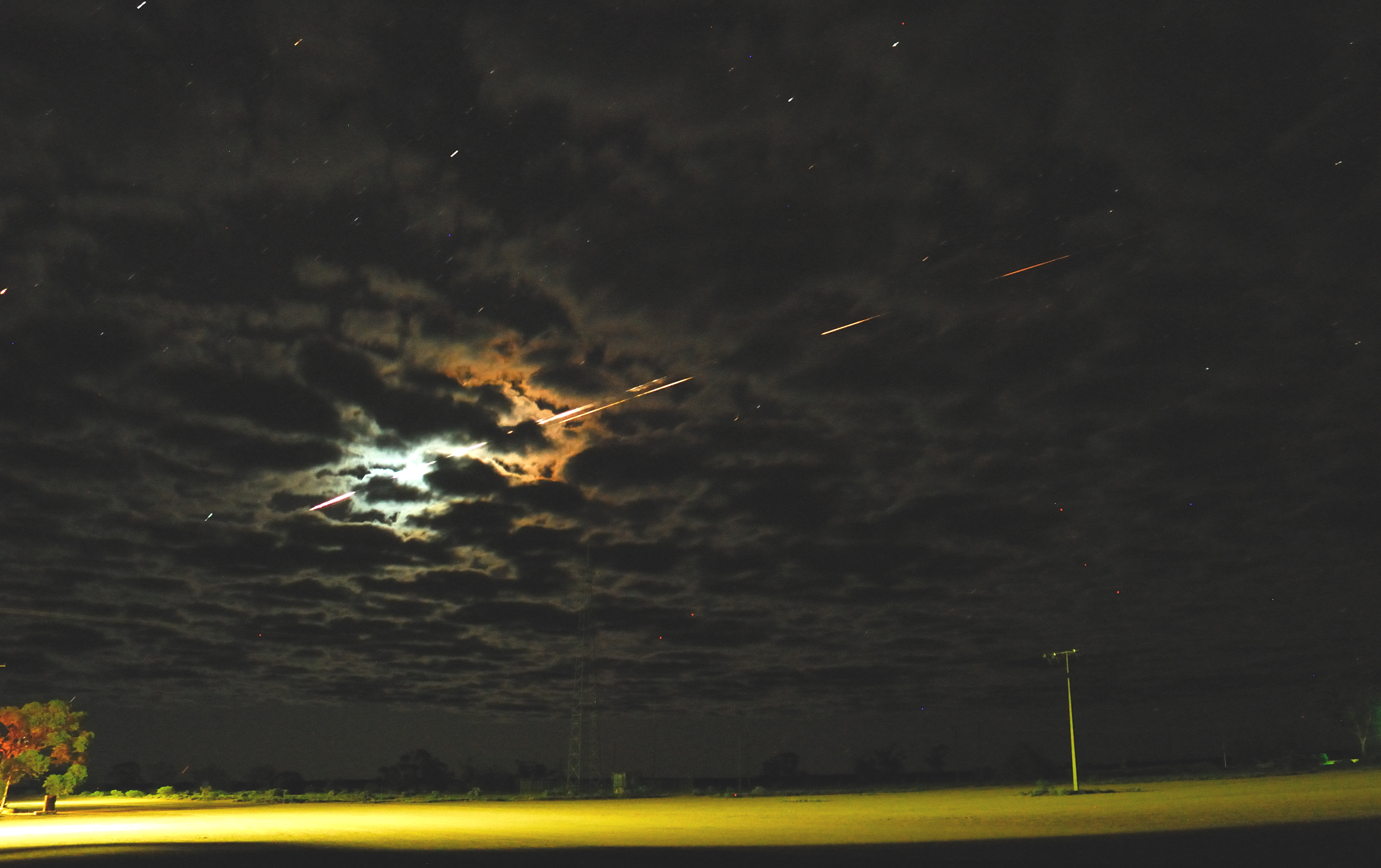
Sixteen years ago today, a fireball tore across the Australian outback. Most of it was a dying Japanese spacecraft burning up after a seven-year ordeal. The bright dot racing ahead of the wreckage was a capsule holding the first grains of an asteroid ever returned to Earth.

ESA's Proba-3 spacecraft lost contact last month, grounding the dual-satellite solar eclipse mission. Formation flying between both craft is critical for coronagraph science.