SL-6 R/B(2) (13215)

COSPAR: 1982-045D | Alt Name: Blok-L 23-646
DECAYED

Image
SL-6 R/B(2) Satellite Image
Additional Sources
Launch Details

Launch Date

May 20, 1982

Launch Site

PLMSC

Launch Pad

LC41/1

Launch Vehicle

Molniya 8K78M

Orbital Elements

NORAD ID

13215

International Designator

1982-045D

Decay Date

1/18/2009

Basic Satellite Info

Name

SL-6 R/B(2)

Alternative Name

Blok-L 23-646

Type

Rocket Body

Status

Space Junk

Owner

RVSN

Country

USSR

Constellation

N/A

Related Satellites

Major Events

N/A

Summary
A rocket body, also commonly referred to as an upper stage or spent rocket stage, is the structural shell left behind after a rocket has delivered its payload to orbit. These large and often heavy pieces of space hardware can remain in orbit for years, posing significant collision hazards as part of the growing space debris problem. If left uncontrolled, rocket bodies have the potential to reenter Earth's atmosphere unpredictably, which can lead to falling debris in populated areas. Additionally, they risk colliding with operational satellites or the International Space Station, creating more debris and putting human life at risk.
Physical Characteristics

Length

3.3

Diameter

2.3

Span

3.3

Dry Mass

900

Launch Mass

4500

Shape

Cyl

Radar Cross Section

5.0238

Visual Magnitude

Unknown

Color

Unknown

Material Composition

Unknown

Technical Details

Payload

Blok-2BL No. 71623-646

Purpose

Unknown

Mission

Unknown

Manufacturer

NPOE

Life Expectancy

Unknown

Bus

Blok-L

Configuration

Unknown

Motor

Unknown

Equipment

Unknown

Power System

Unknown

ADCS

Unknown

Transmitter Frequency

Unknown

Satellite Articles

View All Posts »

Learn more about satellites and other related topics.

The Day Two Satellites Hit Each Other at 26,000 MPH

The Day Two Satellites Hit Each Other at 26,000 MPH

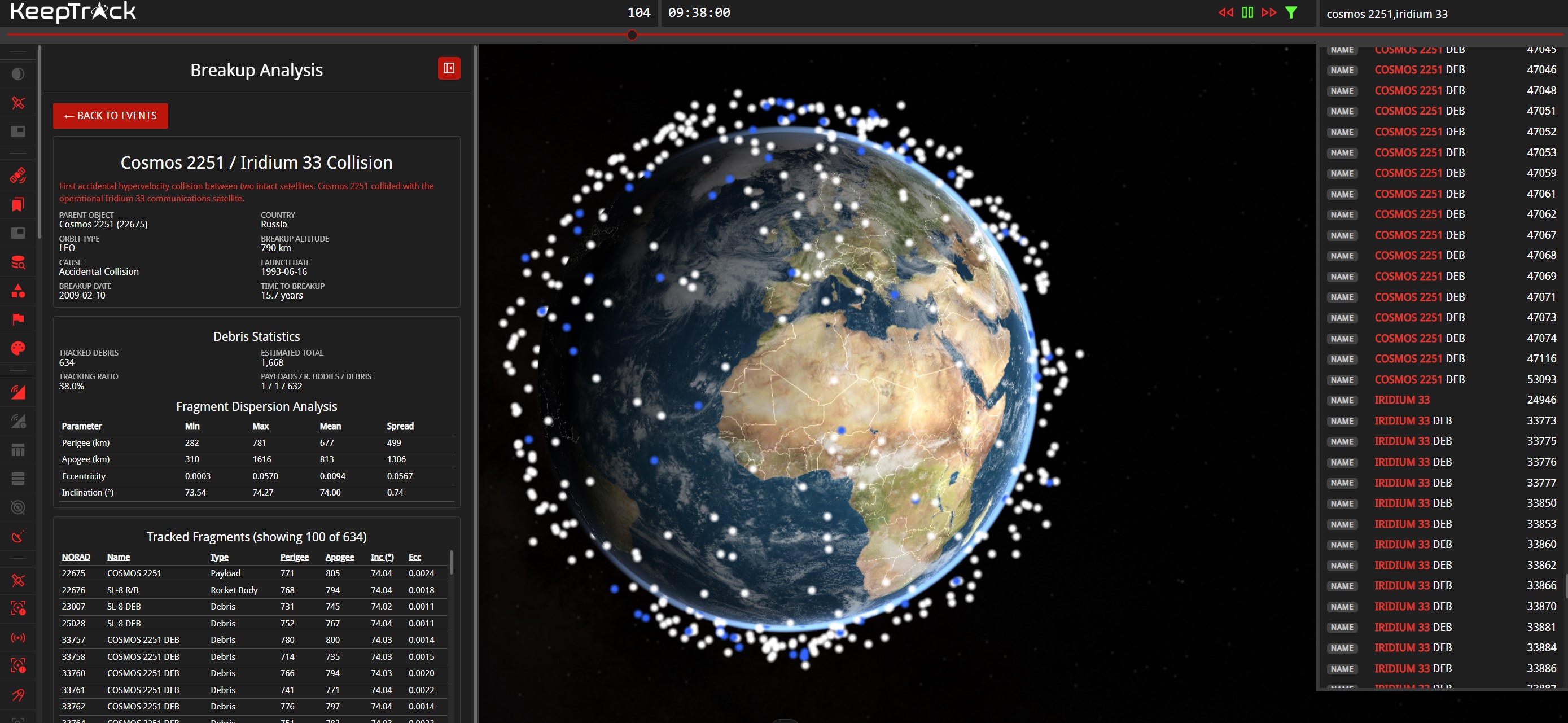
On February 10, 2009, an active Iridium communications satellite and a derelict Soviet military spacecraft slammed into each other 789 kilometers above Siberia. The collision produced more than 2,300 pieces of trackable debris that are still up there. Seventeen years later, the Iridium-Cosmos collision remains the event that made space debris a policy problem the world could no longer ignore.

X Report 22 Sep 2025

X Report 22 Sep 2025

SpaceX successfully launched 28 Starlink satellites from Florida, marking another milestone for their ongoing deployment efforts.

Space Brief 12 Aug 2025

Space Brief 12 Aug 2025

Today's brief covers a groundbreaking national security mission for ULA's Vulcan, NASA's collaboration with LeoLabs for enhanced collision avoidance, and SEOPS' new satellite tracking services, among other key developments.

X Report 29 Sep 2025

X Report 29 Sep 2025

In today's update, SpaceX successfully launched 28 Starlink satellites from Vandenberg, while Italy grapples with its satellite strategy amid rising reliance on Starlink services.

Space Force Deploys Meadowlands Satellite-Jamming System | KeepTrack Space Brief

Space Force Deploys Meadowlands Satellite-Jamming System | KeepTrack Space Brief

U.S. Space Force transitions Meadowlands mobile satellite-jamming platform to operational status. System provides ground forces with electronic warfare capability against adversary satellite links.

X Report 10 Nov 2025

X Report 10 Nov 2025

SpaceX successfully launched 29 Starlink satellites, bolstering its broadband network and expanding global internet coverage.

SpaceX Launches AST SpaceMobile Block 2 BlueBird Satellites | KeepTrack Space Brief

SpaceX Launches AST SpaceMobile Block 2 BlueBird Satellites | KeepTrack Space Brief

SpaceX launched three Block 2 BlueBird satellites for AST SpaceMobile from Cape Canaveral. Block 2 variants are larger with enhanced capacity compared to Block 1 units already in orbit.

Space Brief 1 Apr 2025

Space Brief 1 Apr 2025

Today's brief covers the U.S. Space Force's orbital carrier initiative, ULA Vulcan's approval for military launches, Rocket Lab's new contract with the Space Force, integrated data layers for military command, and advances in tactical surveillance.