


Rocket Lab Neutron Books 5 Launches, Space Brief 8 May 2026
Rocket Lab Neutron launch schedule holds at Q4 2026 for the first flight as a five-launch contract lands; barge recovery starts on flight two.


Launch Date
December 23, 1981
Launch Site
Launch Pad
LC1
Launch Vehicle
Molniya 8K78M
NORAD ID
13012
International Designator
1981-123A
Epoch
Fri, 03 Jul 2026 15:46:25 GMT
Apogee
Calculating...
Perigee
Calculating...
Inclination
61.68°
Right Ascension
64.66°
Eccentricity
Calculating...
Argument of Perigee
277.03°
Period
718.47 min
Mean Motion
2.00 rev/day
Latitude
Calculating...
Longitude
Calculating...
Altitude
Calculating...
Velocity
Calculating...
Name
MOLNIYA 1-52
Alternative Name
Molniya-1
Type
Status
Owner
GUKOS
Country
USSR
Constellation
N/A
Related Satellites
Major Events
N/A
1 13012U 81123A 26184.65723787 -.00000963 00000-0 16951-3 0 9992
2 13012 61.6788 64.6632 7454568 277.0325 11.4056 2.00426995326226
Source: Celestrak
Length
4.4
Diameter
1.4
Span
8.6
Dry Mass
1620
Launch Mass
1650
Shape
Cyl + 6 Pan
Radar Cross Section
16.7553
Visual Magnitude
Unknown
Color
Unknown
Material Composition
Unknown
Payload
Molniya-1K No. 55L
Purpose
Communication
Mission
Communication
Manufacturer
NPOPM
Life Expectancy
2 years
Bus
Molniya-1
Configuration
KAUR-2
Motor
KDU-414A (S5.114)
Equipment
Unknown
Power System
6 deployable solar arrays, batteries
ADCS
Unknown
Transmitter Frequency
Unknown
Learn more about satellites and other related topics.
Rocket Lab Neutron launch schedule holds at Q4 2026 for the first flight as a five-launch contract lands; barge recovery starts on flight two.
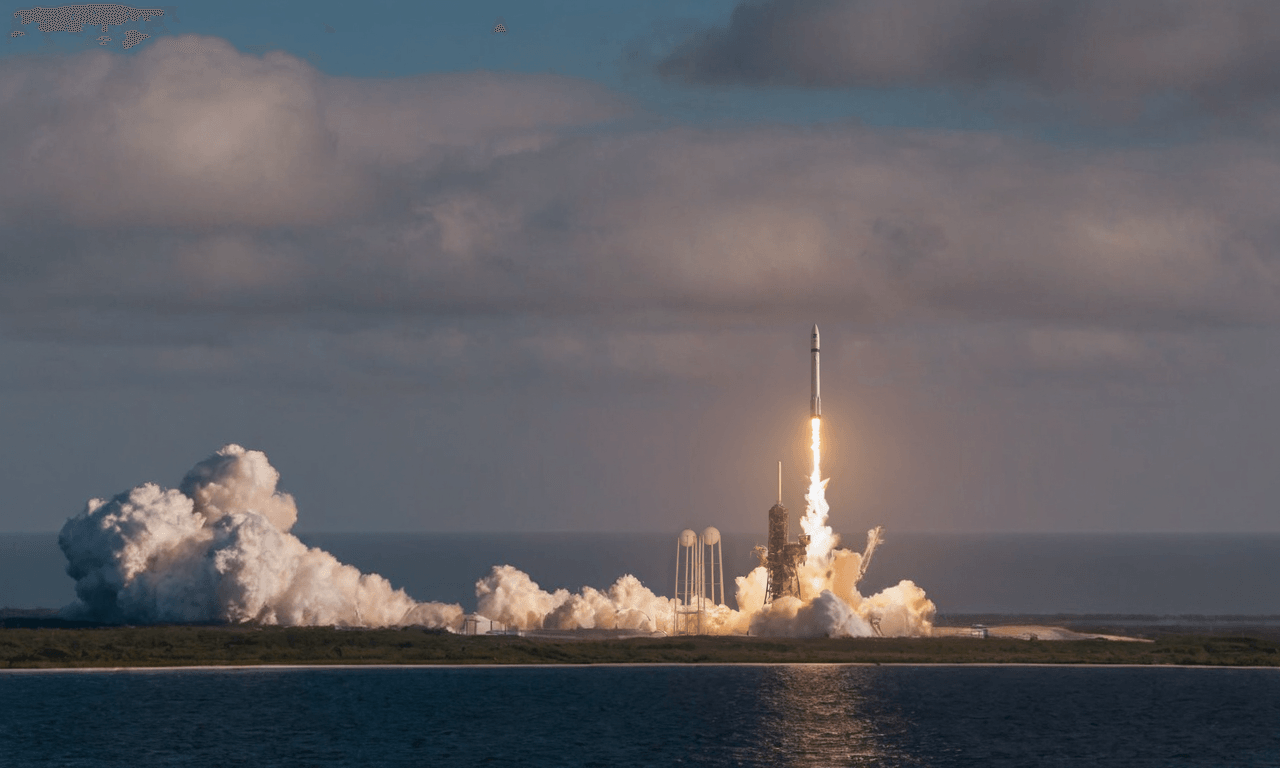
Today's briefing covers an exciting new satellite launch, a significant reentry, and unexpected space debris from a fragmentation event.
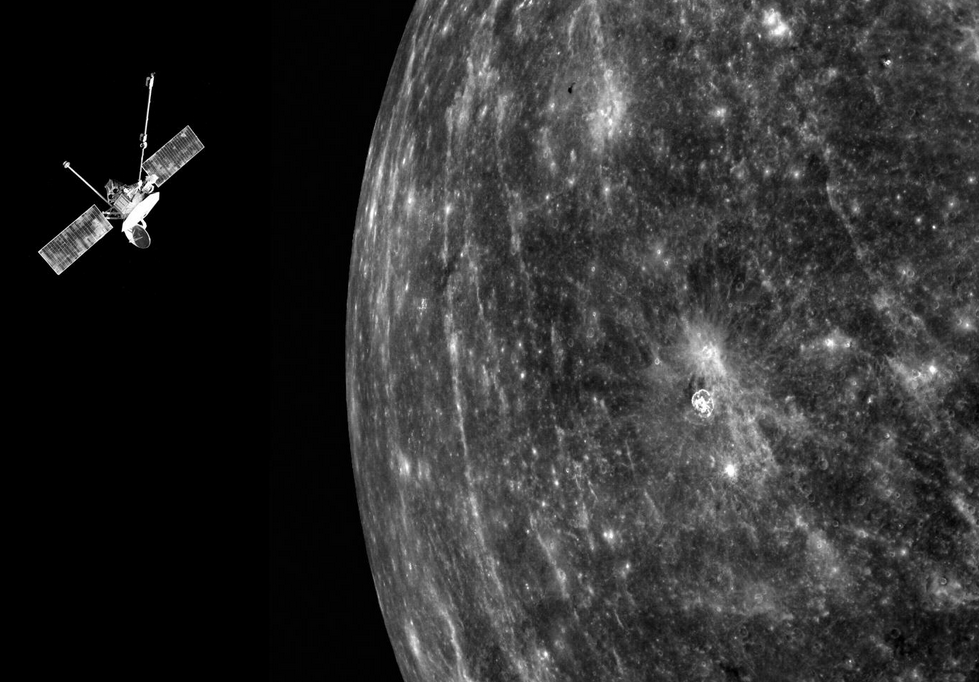
Fifty-one years ago, Mariner 10 revolutionized space exploration by executing the first-ever planetary gravity assist at Venus, pioneering a technique that would transform how we explore the solar system

Today's brief covers Blue Origin's launch delay, SpaceX's upcoming Starlink mission, and highlights the YAOGAN-43 O1C satellite.
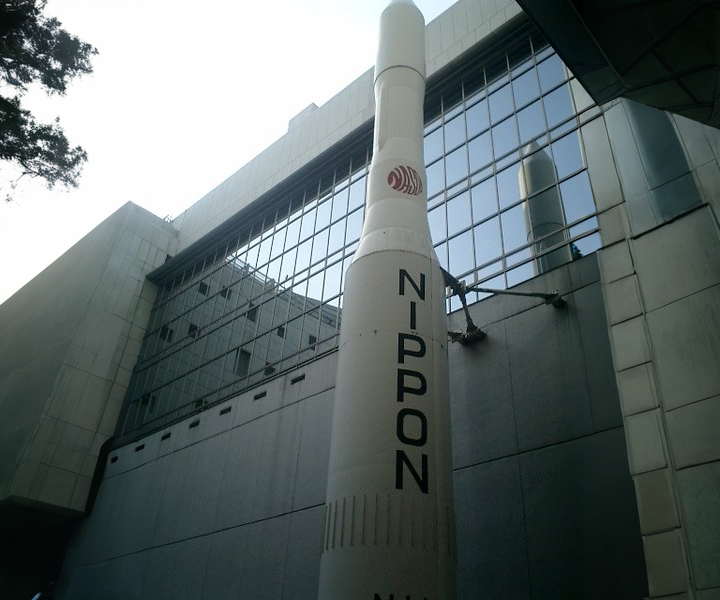
Forty-eight years ago, a pioneering satellite named Kiku 2 propelled Japan into the exclusive group of nations capable of operating satellites in geostationary orbit
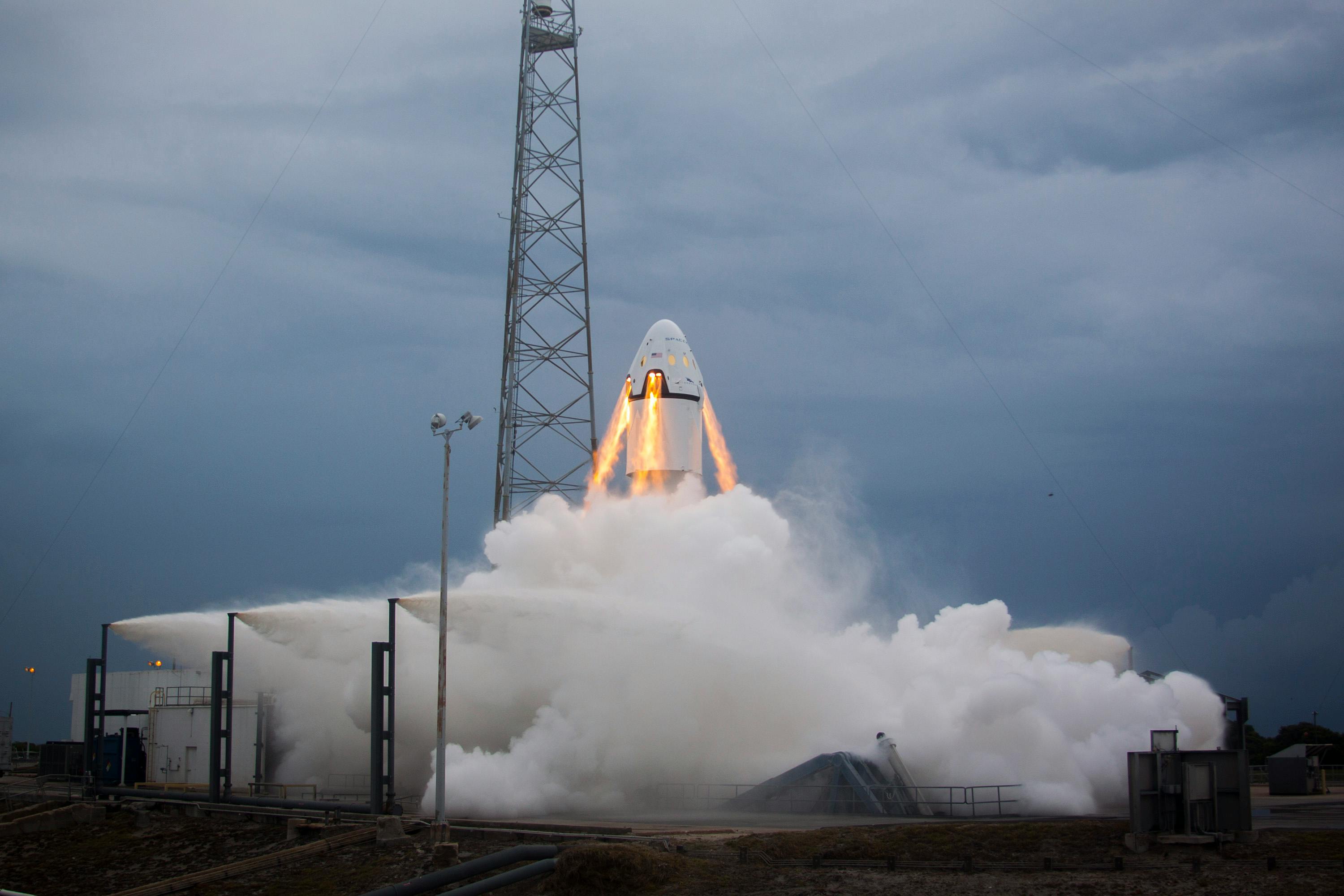
Exciting advancements from SpaceX's Fram2 mission and the pivotal role of biotech in space exploration.
Discover today's key space events: SpaceX's Starlink launch, rocket debris risks, and advancements in nuclear rocket technology.

CENTCOM confirms first-ever combat use of PrSM against Iranian targets. Space Force VP calls for aggressive end strength growth. Artemis II boosters on pad.