BHASKARA 2 (12968)

COSPAR: 1981-115A | Alt Name: Bhaskara 2
DECAYED

Image
BHASKARA 2 Satellite Image
Additional Sources
Launch Details

Launch Date

November 20, 1981

Launch Site

KYMSC

Launch Pad

LC107/2

Launch Vehicle

Kosmos 11K65M

Orbital Elements

NORAD ID

12968

International Designator

1981-115A

Decay Date

11/30/1991

Basic Satellite Info

Name

BHASKARA 2

Alternative Name

Bhaskara 2

Type

Payload

Status

Decayed

Owner

ISRO

Country

India

Constellation

N/A

Related Satellites

Major Events

N/A

Summary
BHASKARA 2, also known as Bhaskara 2, is an Earth observation and technology satellite launched by ISRO on November 20, 1981, from the Kymyr Space Center (KYMSC) using a Kosmos 11K65M launch vehicle. The spacecraft measures 1.7 meters in length, with a diameter of 1.6 meters and a span of 1.7 meters, and has a dry mass of 425 kilograms. It was equipped with SEO B payload for Earth observation purposes and is powered by solar cells and batteries. BHASKARA 2 is shaped as a polyhedron with an RCS (Reflectivity Coefficient Surface) value of 2.5023. The satellite's mission and ownership belong to ISRO, focusing on both Earth observation and technology advancement.
Physical Characteristics

Length

1.7

Diameter

1.6

Span

1.7

Dry Mass

425

Launch Mass

425

Shape

Poly

Radar Cross Section

2.5023

Visual Magnitude

Unknown

Color

Unknown

Material Composition

Unknown

Technical Details

Payload

SEO B

Purpose

Earth observation, technology

Mission

Earth observation, technology

Manufacturer

ISRO

Life Expectancy

Unknown

Bus

ISS SEO

Configuration

Unknown

Motor

Unknown

Equipment

Unknown

Power System

Solar cells, batteries

ADCS

Unknown

Transmitter Frequency

Unknown

Satellite Articles

View All Posts »

Learn more about satellites and other related topics.

NLRB Drops SpaceX Oversight Case, Booster 19 Tests Complete | KeepTrack X Report

NLRB Drops SpaceX Oversight Case, Booster 19 Tests Complete | KeepTrack X Report

US labor board drops oversight case against SpaceX. Booster 19 completes cryogenic testing at upgraded Massey's. SpaceX IPO expected to reshape space investment landscape.

Space Brief 8 Oct 2025

Space Brief 8 Oct 2025

Today's brief covers key developments in satellite launches, missile defense strategies, advanced IoT satellite connectivity, and the projected growth of the satellite market driven by defense needs.

Space Brief 14 Sep 2025

Space Brief 14 Sep 2025

Today's highlights include SpaceX's 300th Starlink launch, NASA re-establishing contact with a TRACERS satellite, and budget concerns impacting the commercial remote sensing industry.

Artemis 2 Targets April 1 Lunar Flyby with 4-Person Crew | KeepTrack Space Brief

Artemis 2 Targets April 1 Lunar Flyby with 4-Person Crew | KeepTrack Space Brief

NASA's Artemis 2 launches April 1 with Commander Reid Wiseman and 3 crew members for first crewed lunar flyby since Apollo 17 in 1972.

The Rocket That Refused to Sink

The Rocket That Refused to Sink

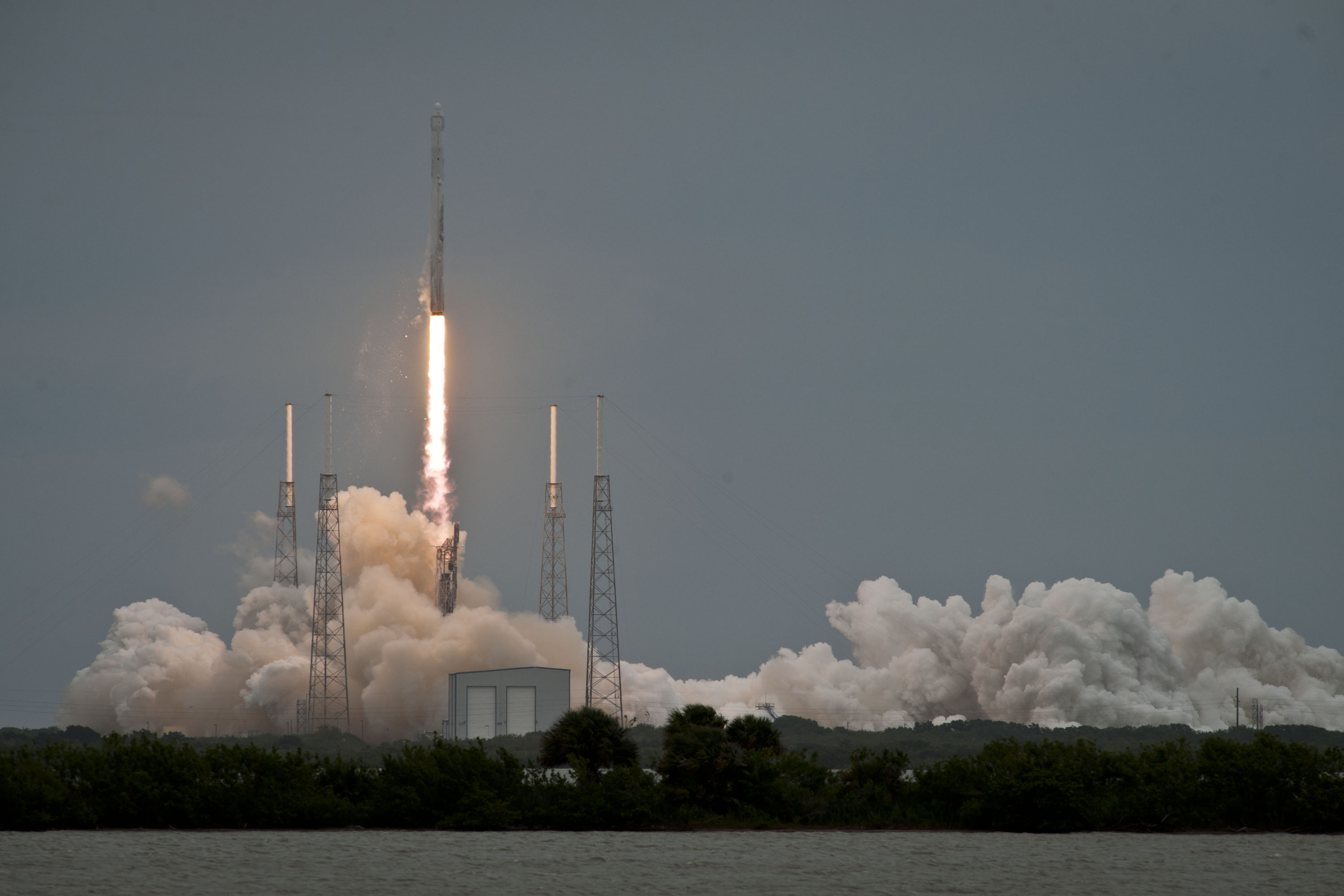
On April 18, 2014, a Falcon 9 first stage did something no orbital rocket had ever done before. It fired its engines on the way down, steered itself through the atmosphere using grid fins that did not yet exist, and touched the Atlantic Ocean softly enough to survive the impact. Nobody recovered it. The data was the whole point.

The Day Humanity First Touched an Asteroid

The Day Humanity First Touched an Asteroid

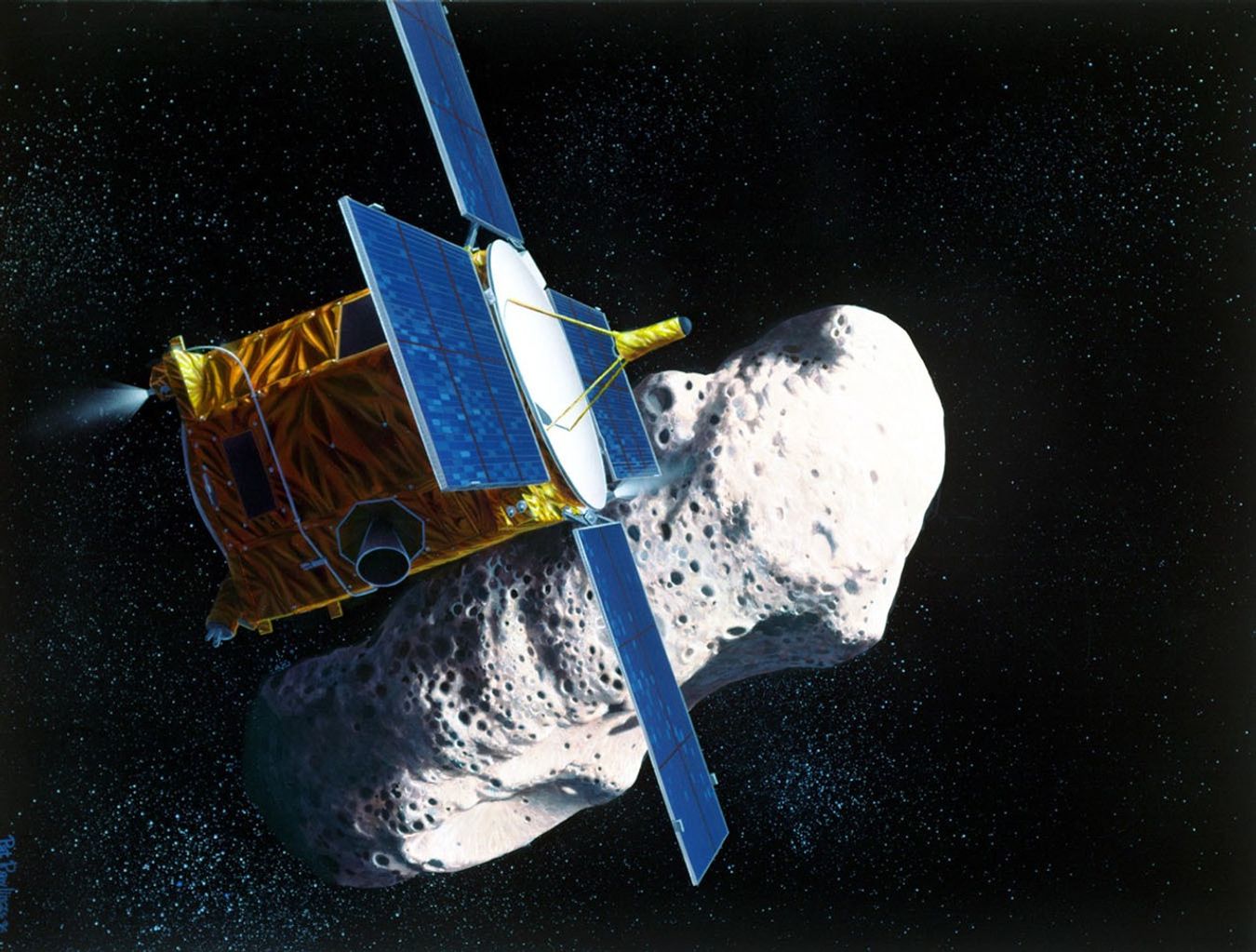
Twenty-four years ago, a spacecraft designed only to orbit made history with an improvised landing on asteroid Eros, marking humanitys first controlled touchdown on a small celestial body

Space Brief 16 Jul 2025

Space Brief 16 Jul 2025

Today's brief covers China's Tianzhou-9 launch to the Tiangong space station, the U.S. Space Force's unfunded MILNET project, and the evolving use of AI in military applications.

The Day a Farm Boy Found a New World

The Day a Farm Boy Found a New World

Ninety-five years ago, a 24-year-old astronomer with no college degree made one of astronomy's most remarkable discoveries, finding a new planet that would challenge our understanding of the solar system