


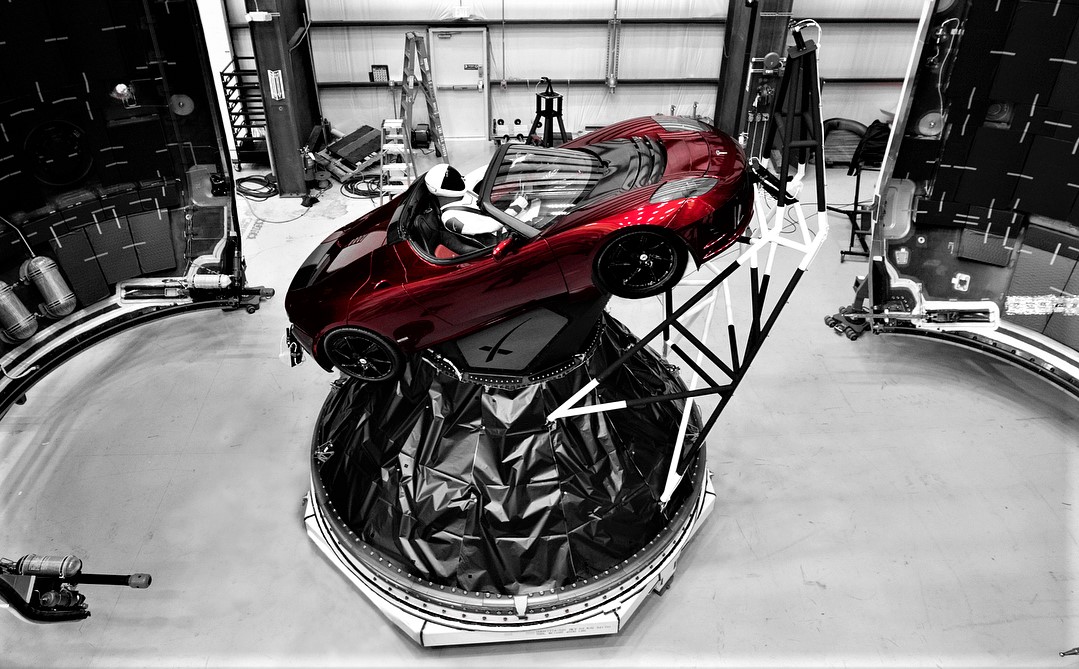
The Day a Car Started Its Journey to the Stars
Seven years ago, SpaceX revolutionized spaceflight by launching the most powerful operational rocket in the world, carrying with it a cherry-red Tesla Roadster that captured global imagination


Launch Date
October 31, 1981
Launch Site
Launch Pad
LC40
Launch Vehicle
Titan IIIC
NORAD ID
12932
International Designator
1981-107C
Epoch
Fri, 03 Jul 2026 16:06:49 GMT
Apogee
Calculating...
Perigee
Calculating...
Inclination
5.28°
Right Ascension
6.98°
Eccentricity
Calculating...
Argument of Perigee
116.10°
Period
1445.87 min
Mean Motion
1.00 rev/day
Latitude
Calculating...
Longitude
Calculating...
Altitude
Calculating...
Velocity
Calculating...
Name
TITAN 3C TRANSTAGE R/B
Alternative Name
Transtage 39
Type
Status
Owner
AFSD
Country
United States
Constellation
N/A
Related Satellites
Major Events
N/A
1 12932U 81107C 26184.67140353 .00000078 00000-0 00000-0 0 9999
2 12932 5.2831 6.9769 1002943 116.1024 254.6988 0.99594348 26381
Source: Celestrak
Length
4.6
Diameter
3.1
Span
4.6
Dry Mass
1950
Launch Mass
1950
Shape
Cyl + 2 Nozzle
Radar Cross Section
Unknown
Visual Magnitude
Unknown
Color
Unknown
Material Composition
Unknown
Payload
Transtage 39
Purpose
Unknown
Mission
Unknown
Manufacturer
MM
Life Expectancy
Unknown
Bus
Transtage
Configuration
Unknown
Motor
Unknown
Equipment
Unknown
Power System
Unknown
ADCS
Unknown
Transmitter Frequency
Unknown
Learn more about satellites and other related topics.
Seven years ago, SpaceX revolutionized spaceflight by launching the most powerful operational rocket in the world, carrying with it a cherry-red Tesla Roadster that captured global imagination

Today's Space Brief covers the latest developments in space debris detection, Ursa Major's defense push, and SpaceX's Starlink launch. Additionally, insights into microreactors for military bases, US Cyber Command updates, and gravitational wave discoveries are highlighted.

Trump's interim Air Force One—a $400M Boeing 747-8—equipped with Starlink for presidential communications. First confirmed LEO constellation use for White House comms.
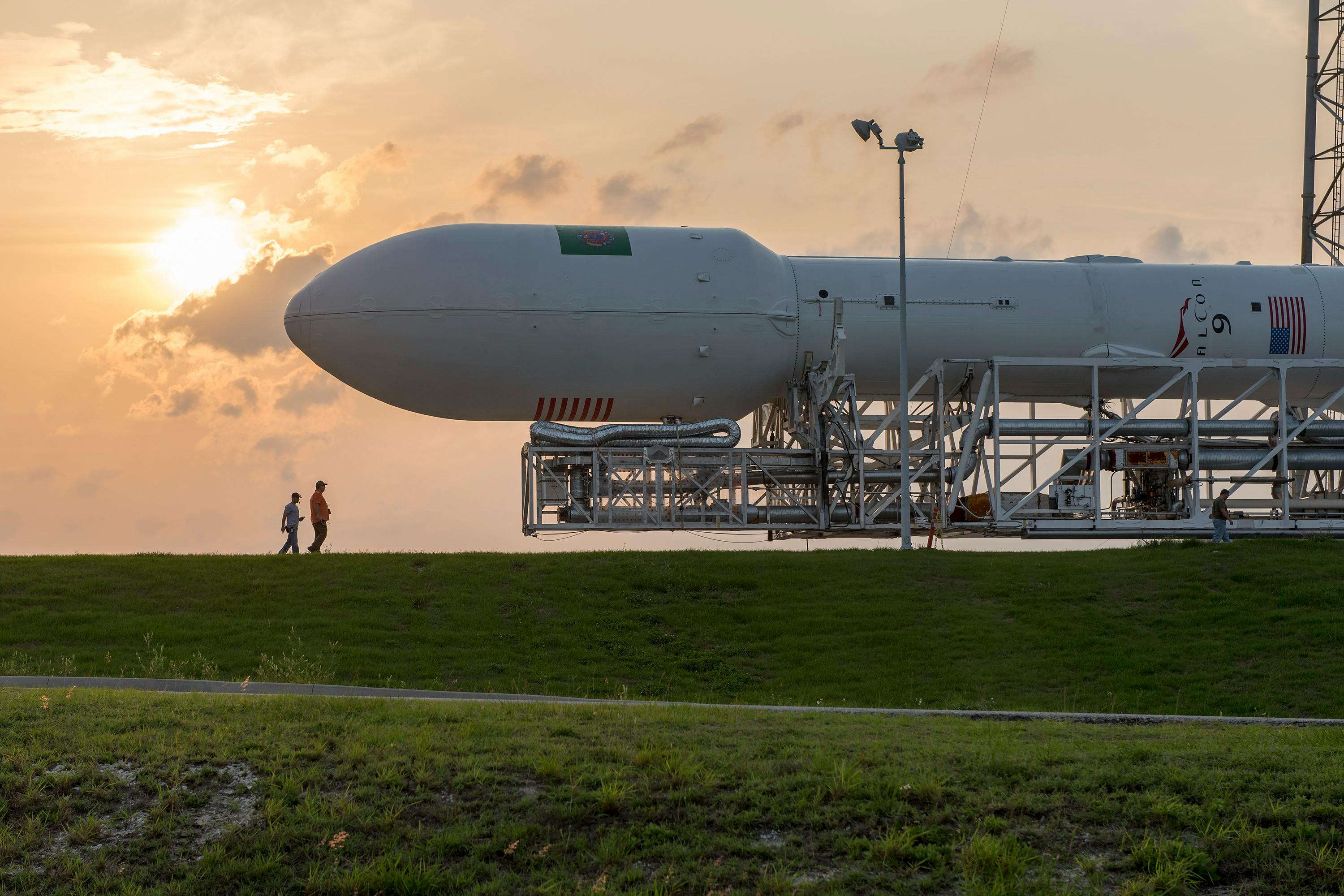
SpaceX's Falcon 9 delivered Northrop Grumman's second Cygnus XL — carrying over 5 tons of cargo — to the ISS on April 11, 2026.
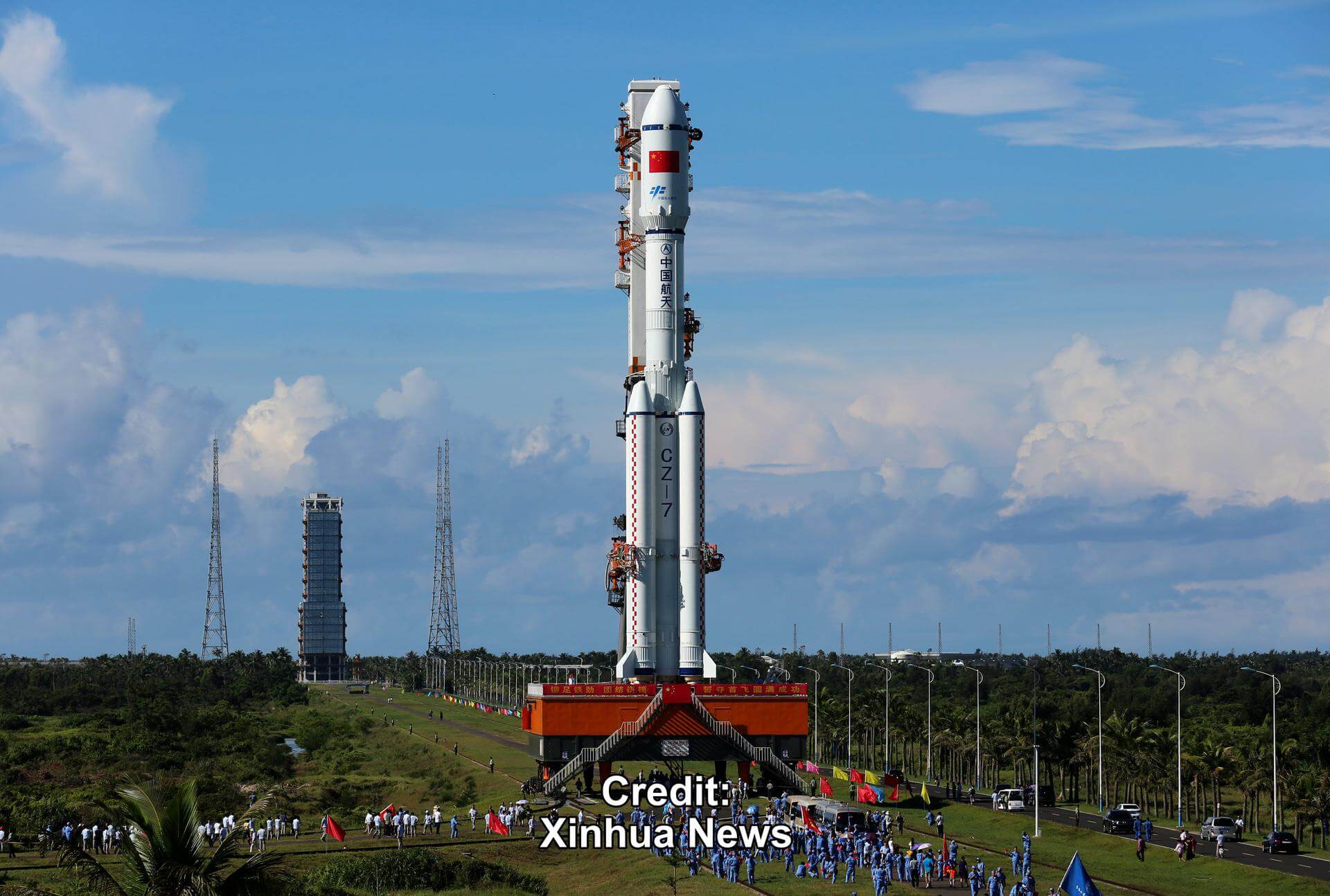
Today's key topics include the halting of the U.S. Air Force's rocket landing pad plans, the Space Force's shift to a flexible satellite strategy, delays in Australia's Eris 1 rocket launch, and the controversial cut of satellite sea-ice data to climate scientists.
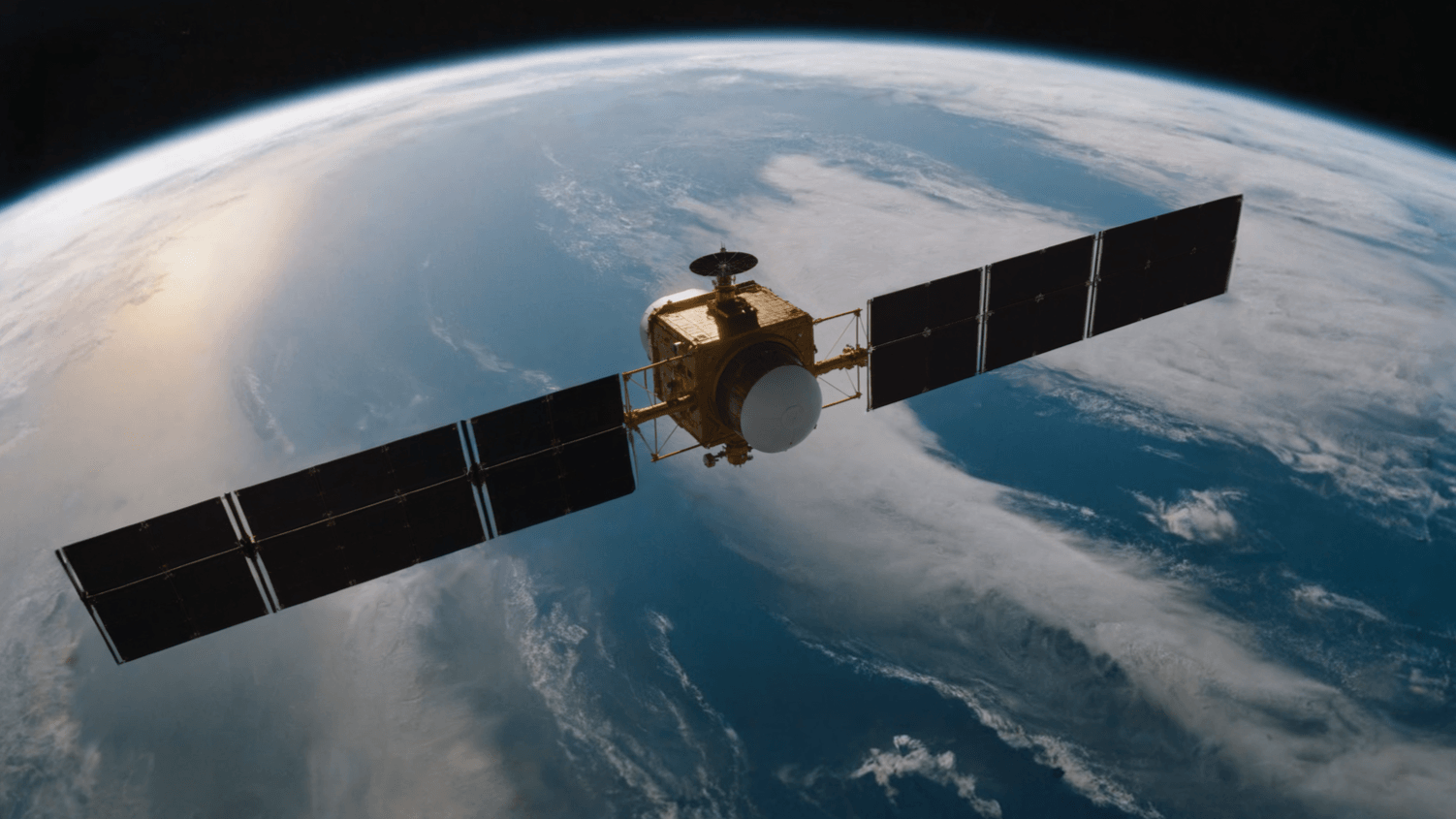
Today's highlights include General Dynamics' contract extension with SDA, ABL Space Systems layoffs, NASA's Crew-9 mission adjustments, and Galactic Energy's successful satellite launch.
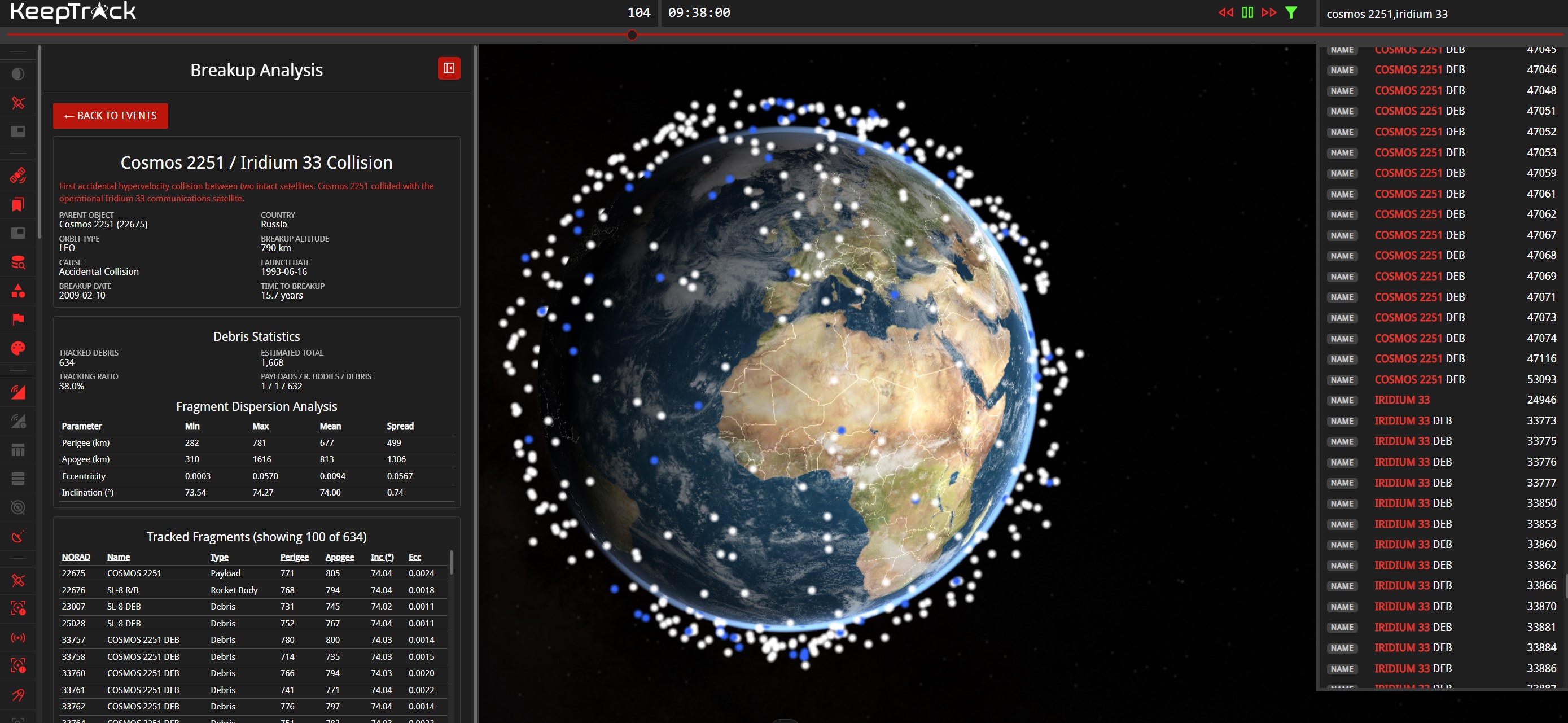
On February 10, 2009, an active Iridium communications satellite and a derelict Soviet military spacecraft slammed into each other 789 kilometers above Siberia. The collision produced more than 2,300 pieces of trackable debris that are still up there. Seventeen years later, the Iridium-Cosmos collision remains the event that made space debris a policy problem the world could no longer ignore.
Critical updates from SpaceX include a scrubbed satellite launch and a busy launch schedule for the week, featuring multiple Falcon 9 missions.